
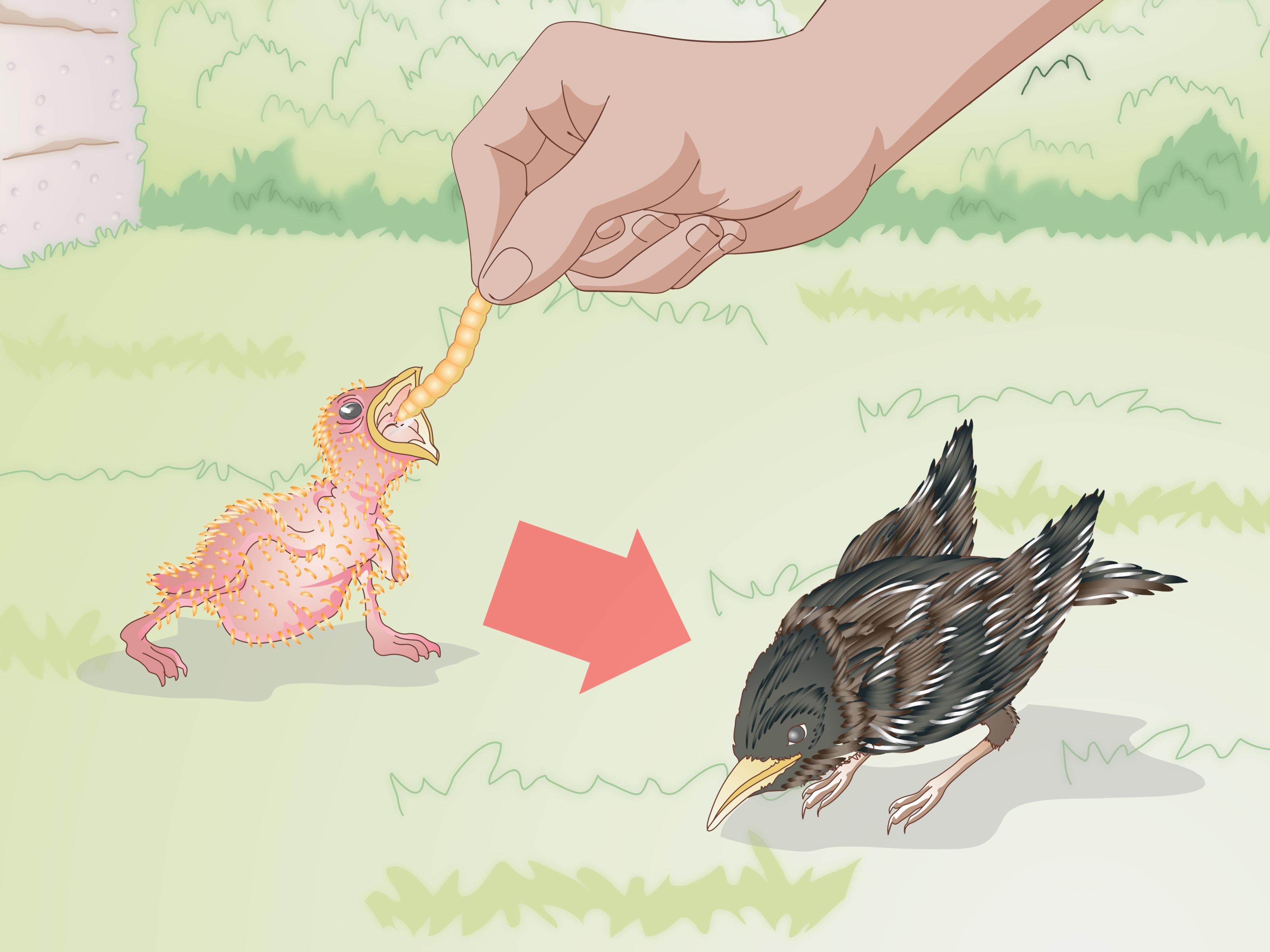
If you found a wild baby bird and your first thought was, “Tiny beak, tiny snack, I can fix this,” take a breath. Your heart is in the right place, but the bird’s dinner plan is probably not. In most cases, the best way to help a wild baby bird is not to feed it at all. That may sound backward for an article called How to Feed Wild Baby Birds, but it’s the honest, expert-backed answer. Wild baby birds are fragile, species-specific eaters with very fast metabolisms, delicate airways, and an impressive ability to get into trouble when well-meaning humans improvise.
The good news is that helping them is usually simpler than people think. The bad news is that “simpler” rarely involves bread, milk, rice, or a heroic dropper full of water. Instead, it usually means figuring out whether the bird is a nestling or a fledgling, returning it to the nest if possible, protecting it from pets and people, and contacting a licensed wildlife rehabilitator if the bird is truly injured or orphaned.
This guide walks you through what to do, what not to do, when feeding becomes a professional job, and what real-life situations often look like when people try to help wild baby birds the right way.
The Short Answer: Should You Feed a Wild Baby Bird?
Usually, no.
If the bird is healthy, fully feathered, and hopping around on the ground, it is probably a fledgling. That awkward phase is normal. It is basically bird kindergarten: clumsy, loud, and supervised from a distance by stressed-out parents. Feeding that bird is unnecessary and can do more harm than good.
If the bird is a featherless or sparsely feathered nestling, your first goal is not feeding. It is reuniting. Put the baby back in its nest if you can find it. If the nest is gone, you can place the bird in a small makeshift nest nearby and watch from a distance for the parents to return.
If the bird is injured, cold, weak, has been in a cat’s mouth, or the parents definitely are not returning, the next step is still usually not feeding. The next step is getting professional help.
Step 1: Know Whether You’re Looking at a Nestling or a Fledgling
Nestling
A nestling is very young. It may have few feathers, patchy feathers, closed or partly closed eyes, and poor balance. It usually cannot hop well, grip a branch, or move with any confidence. This bird belongs in a nest and likely needs help getting back there.
Fledgling
A fledgling is older and mostly or fully feathered. It may have a short tail and look hilariously unfinished, like a bird designed by committee, but it can usually hop, flutter, grip a finger or branch, and call to its parents. This is a normal stage of learning to fly and forage. A fledgling on the ground is often exactly where it should be.
Here is the rule of thumb: featherless or mostly featherless means help it back to the nest; feathered and hopping usually means leave it alone.
When a Wild Baby Bird Actually Needs Help
A baby bird may need intervention if:
- It is clearly injured, bleeding, or unable to stand normally.
- It feels cold, limp, or unresponsive.
- It has been caught by a cat or dog.
- Its parents are confirmed dead.
- It is a nestling and you cannot reunite it with the nest or parents.
- It is covered in insects, discharge, or has an open wound.
- It is in immediate danger, such as in a roadway, driveway, or near heavy foot traffic.
If any of those apply, do not waste precious time creating a gourmet bird brunch. Put the bird in a small ventilated box lined with paper towel or smooth cloth, keep it warm, quiet, and dark, and contact a licensed wildlife rehabilitator or wildlife veterinarian.
What to Do Before You Ever Think About Feeding
1. Return the Nestling to the Nest
If you can find the original nest, gently place the baby back inside. Parent birds do not reject babies just because a human touched them. That old myth has survived longer than it deserved.
2. Make a Temporary Nest if Needed
If the original nest is damaged or unreachable, use a small basket or plastic container with drainage holes, line it with dry grass or soft nesting material, and secure it in a nearby tree or shrub close to where the bird was found. Then place the nestling inside and observe from a distance.
3. Watch Quietly
Give the parents time. Watch from far enough away that you are not scaring them off. Birds can be stealthy parents, and they often return when humans stop hovering like anxious event planners.
4. Warm the Bird if It Feels Cold
If the bird is cold, warm it gently before returning it to the nest or transporting it. A heating pad set on low under half the box, or a wrapped warm water bottle, can help. The bird should be warm, not hot.
5. Keep It Quiet
Darkness and quiet reduce stress. A cardboard box in a calm indoor room is far better than a shoebox parade through the living room while everyone debates bird names.
6. Skip the Food and Water
This is the hard part for many people, but it matters. Do not drip water into the beak. Do not force-feed. Do not place a bowl of water in the box. Wild baby birds can aspirate easily, which means liquid or food can enter the airway and lungs. That can kill them fast.
Why Feeding Wild Baby Birds Is So Risky
Feeding sounds nurturing, but with wild baby birds it is often where the biggest mistakes happen.
First, different species eat different foods. Many songbird chicks need high-protein insect-based diets. Some finches differ. Doves and pigeons are a different story entirely. Raptors are another category. Hummingbirds are their own tiny, high-maintenance universe. There is no one-size-fits-all recipe.
Second, timing matters. Chicks that are cold, dehydrated, or weakened may not digest properly. Food can sit in the crop, ferment, and create more problems. Third, technique matters. Feeding the wrong angle, the wrong consistency, or the wrong amount can cause aspiration, choking, or injury.
That is why professional wildlife rehabilitators use species-specific diets, specialized techniques, and careful monitoring. This is less “sprinkle in some kindness” and more “precision neonate care.”
What Not to Feed a Wild Baby Bird
These are common bad ideas:
- Bread
- Milk
- Rice
- Random seeds
- Hamburger or processed meat
- Soaked dog food as a casual substitute
- Water by eyedropper or syringe
Why are these a problem? Because they are nutritionally wrong, physically unsafe, or both. Baby birds are not baby mammals, so milk is out. Bread fills the stomach without delivering what a growing chick actually needs. Dry or sticky foods can be dangerous. Water dripped into the mouth can end up in the lungs. In other words, the internet may tell you a lot of things, but the bird is not asking for toast.
So, Is There Ever a Time You Might Feed One?
Only in a narrow emergency, and only if a licensed wildlife rehabilitator, avian veterinarian, or qualified rescue expert instructs you to do so.
That distinction matters. If a professional tells you, “This appears to be an insect-eating nestling, and here is exactly what to offer until transfer,” that is very different from guessing based on a social media post from someone who once raised a pigeon in 2009.
For example, some expert emergency guidance for certain insect-eating songbirds may involve a very temporary offer of chopped mealworms or other insects and bits of cooked egg white while professional placement is being arranged. But that advice is species-specific, short-term, and not universal. Even within songbirds, there are exceptions. What works for one kind of chick may be harmful to another.
So yes, emergency feeding can happen. But it should happen under instruction, not improvisation.
What Licensed Rehabilitators Feed Baby Birds
Species-Specific Diets
Professional rehabbers do not use a single “baby bird food.” They match the diet to the species, age, condition, hydration level, and stage of development.
Many North American chicks receive animal protein from insects or other prey, even species whose adult diets lean more toward seeds or plant material later on. Rehabilitators may use specialized formulas, insect-based feeding plans, calcium support, hydration protocols, and careful schedules that change as the bird grows.
Careful Feeding Technique
Professionals also pay close attention to feeding response, crop emptying, body temperature, cleanliness, stress level, and weight gain. That is why they succeed where DIY attempts often fail. Hand-feeding a baby bird is not just about choosing food. It is about knowing when to feed, how much to feed, how warm the chick should be, whether the crop is empty, whether the bird is stable enough, and what signs mean “stop immediately.”
Common Mistakes People Make
- Rescuing a healthy fledgling: Many birds that look abandoned are simply learning to be birds.
- Giving water by mouth: One of the fastest ways to cause aspiration.
- Feeding a cold bird: A cold chick may not digest properly.
- Using bread or milk: Classic mistake, terrible menu.
- Handling the bird too much: Stress is harmful, and human imprinting is a real problem.
- Keeping it as a pet: Wild birds belong in the wild, and in many cases it is illegal to keep native wild birds without permits.
- Ignoring cat contact: Even if there is no visible wound, cat saliva can be deadly to birds.
What to Do if a Cat or Dog Got the Bird
This is an emergency. Even a tiny puncture wound, or no visible wound at all, can become fatal because of bacteria from a cat’s mouth. If a baby bird has been in a cat’s mouth, or even likely mouthed or swatted, it needs urgent veterinary or wildlife rehabilitation care. Do not feed it. Do not wait to “see how it does.” Get help fast.
How to Find Help Fast
If you need help with a wild baby bird, contact:
- A licensed wildlife rehabilitator
- Your state wildlife agency
- A wildlife veterinarian
- A local Audubon chapter, humane society, or nature center that can refer you
When you call, be ready to describe:
- Where you found the bird
- Whether it is feathered or mostly featherless
- Any visible injuries
- Whether a cat or dog was involved
- Whether you can see the nest
- How long the bird has been on the ground
Frequently Asked Questions
Will the parents reject the baby if I touch it?
No. You can return a nestling to the nest. Parent birds do not abandon babies just because a human handled them.
How long can a baby bird go without food?
Long enough that improper feeding is often the bigger danger in the short term. A few hours without food while you arrange expert help is generally safer than force-feeding the wrong food or liquid the wrong way.
Can I keep the bird overnight and care for it myself?
You can keep it warm, quiet, and safe overnight if necessary while arranging transfer, but ongoing care should be left to licensed professionals. Raising a native wild bird without permits is often illegal and rarely successful.
What if the bird is in danger but seems healthy?
If it is a fledgling in a risky spot, you can gently move it a short distance to a nearby shrub or low branch. Then leave the area so the parents can resume care.
Real-World Experiences Helping Wild Baby Birds
One of the most common experiences people have starts with panic and ends with relief. Someone finds a fluffy little bird in the grass, assumes it fell from a nest, and rushes over with the emotional energy of a disaster movie extra. Then they learn it is a fledgling, not a nestling. The bird is feathered, loud, upright, and very offended by the attention. Once the person steps back and keeps the dog indoors, a parent bird swoops in with food. The “rescue” turns into a lesson: sometimes helping means backing off.
Another common experience is the opposite. A person finds a nearly featherless chick on a sidewalk after a storm. It cannot grip, it cannot hop, and it is cold. In that case, acting quickly matters. The best outcomes usually come when the finder warms the chick gently, locates the nest, and returns it. If the nest is damaged, a makeshift basket nest secured nearby often works surprisingly well. People are often amazed that the parents come back and keep feeding the chick as if nothing happened. It feels like a miracle, but really it is just nature getting a chance to do its job.
Then there are the difficult cases involving cats. These experiences are especially hard because the bird may not look badly injured. Someone brings in a small baby bird with a few ruffled feathers and says, “My cat just had it for a second.” Unfortunately, that “second” can be enough to create a life-threatening emergency. The people who get the best results are usually the ones who do not wait. They place the bird in a warm, dark box and head straight to a wildlife rehabilitator or veterinarian instead of trying home treatment first.
Many people also describe feeling guilty after they fed a bird before learning better. They offered bread, seeds, or water because it seemed compassionate. Later, they discovered that wild baby birds often need very specific foods and careful technique. That guilt is understandable, but it is also useful. Once people know better, they usually become much calmer and more effective helpers. They stop treating every baby bird like an emergency snack situation and start observing before intervening.
Wildlife rehabilitators often talk about how the most successful rescues are not always dramatic. They are the quiet ones. A baby put back in a nest. A fledgling moved out of a driveway and left alone. A cold nestling warmed before reuniting. A bird in a box, undisturbed, during transport. These are not flashy stories, but they save lives.
There is also a humbling side to these experiences. People realize that baby birds are much harder to raise than they look. Feedings can be frequent. Diets vary by species. Stress matters. Imprinting matters. Release matters. A bird is not “saved” just because it survives one afternoon in a kitchen. It is saved when it grows normally, avoids people, learns species-appropriate behavior, and can return to the wild. That is why the best helpers are often the ones willing to hand the bird over to someone with permits, training, and more experience than a search history full of emergency tabs.
So if you ever find a wild baby bird, remember this: compassion is important, but informed compassion is better. The most helpful experience is rarely “I fed it.” More often, it is “I knew when not to.”
Conclusion
If you want the safest answer to how to feed wild baby birds, here it is: in most situations, don’t. Identify whether the bird is a nestling or fledgling, reunite it with the nest when possible, keep it warm and quiet if it is injured, and contact a licensed wildlife rehabilitator for species-specific guidance. Feeding is a skilled job, not a guess-and-hope hobby. A little restraint can save a very small life.











