
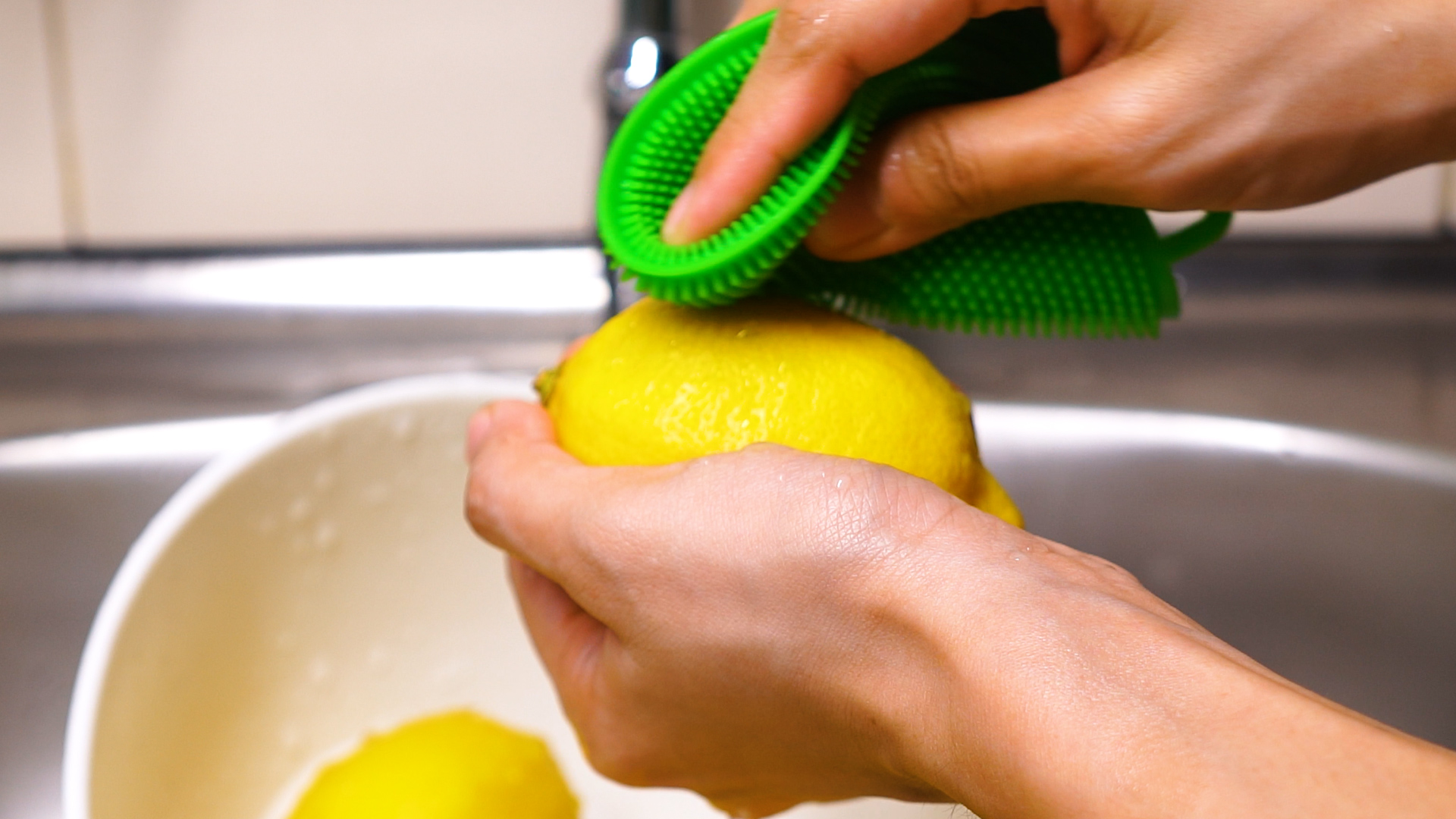
Lemons look innocent. They sit in a cheerful little pile at the grocery store, glowing like tiny yellow suns, promising lemonade, salad dressing, lemon bars, and that fancy zest you swear makes pasta taste like it came from a restaurant with cloth napkins. But before you grate that rind into dinner, there is one small kitchen question worth answering: how do you dewax lemons properly?
Many lemons, oranges, limes, and other citrus fruits are coated with a thin edible wax after harvest. The coating helps reduce moisture loss, improves shine, and keeps fruit looking fresh during transportation and storage. That does not mean your lemon is dangerous or secretly wearing a raincoat made of villainy. It simply means that if you plan to use the peelespecially for zest, marmalade, cocktails, candied citrus, preserved lemons, or infused wateryou should clean the rind well first.
The good news: dewaxing lemons is easy. You do not need a chemistry degree, a commercial produce spray, or a dramatic kitchen ritual involving eleven bowls. You need clean water, gentle friction, and, in some cases, baking soda or a short hot-water treatment. This guide explains three practical methods for cleaning waxed lemons and other citrus fruits safely, without turning your kitchen counter into a science fair project.
Why Are Lemons Waxed in the First Place?
Citrus fruits naturally have a protective outer layer, but some of that natural coating can be reduced during washing, sorting, and packing. To help maintain quality, packers may apply a food-grade wax coating. These coatings may include natural or approved food-safe waxes such as carnauba wax, shellac-based coatings, beeswax, or other approved formulations.
The wax helps lemons stay plump, glossy, and less likely to dry out before they reach your kitchen. It can also make the fruit look more appealing, because humans are extremely predictable creatures: show us shiny fruit, and our brains whisper, “That one. That is the lemon of destiny.”
Wax itself is not usually the main problem. The issue is that wax can hold onto dust, handling residue, and surface grime. If you cut or zest an unwashed lemon, your knife, microplane, or zester can transfer whatever is on the peel into the food. That is why cleaning citrus fruit matters, even when you do not plan to eat the peel directly.
Can You Completely Remove Wax from Lemons?
You can remove a lot of surface wax, residue, and dirt, but “completely remove every molecule of wax” is not a realistic kitchen goal. Think of dewaxing as practical cleaning, not laboratory stripping. Your mission is to make the rind clean enough for normal culinary use.
For everyday slicing, a thorough rinse and scrub is usually enough. For zesting, candying peel, making marmalade, or preserving lemons, it is worth using a stronger dewaxing method, such as a baking soda soak or a brief hot-water rinse followed by scrubbing.
What Not to Use When Cleaning Lemons
Before we get to the methods, let us politely escort a few bad ideas out of the kitchen.
Do Not Use Dish Soap
Lemons have textured, somewhat porous rinds. Dish soap is made for plates, not produce. Even if you rinse carefully, soap residue may remain on the rind and affect the taste. Nobody wants lemon zest with notes of “spring meadow detergent.”
Do Not Use Bleach or Household Cleaners
Bleach, disinfectants, and household cleaners should never be used on fruits or vegetables. These products are not intended for direct food contact and can make you sick if absorbed or left behind.
Do Not Assume Produce Wash Is Better
Commercial produce washes are popular, but official food-safety guidance generally recommends clean running water instead. For firm produce, friction from your hands or a clean produce brush is more important than fancy sprays.
Method 1: Rinse and Scrub Under Running Water
This is the easiest and safest method for everyday lemons, especially when you are slicing wedges for tea, squeezing juice, or adding lemon rounds to a pitcher of water.
Best For
Use this method when you need clean lemons for juicing, slicing, garnishing, quick cooking, or general kitchen use.
What You Need
- Cool running water
- A clean produce brush or soft vegetable brush
- A clean towel or paper towel
Steps
- Wash your hands first. Use soap and warm water for about 20 seconds before handling produce.
- Hold the lemon under cool running water. Do not soak it in a dirty sink. Running water helps carry loosened debris away.
- Rub the peel with your fingers. Turn the lemon as you rinse so the entire surface gets attention.
- Scrub gently with a produce brush. Use light pressure. You want to clean the rind, not sand it like an old chair.
- Dry the lemon well. Use a clean towel or paper towel. Drying helps remove loosened residue and keeps the fruit from becoming slippery.
This method does not aggressively strip wax, but it reduces surface dirt and makes the fruit much cleaner. For many kitchen tasks, this is all you need.
Method 2: Baking Soda Soak for Extra Rind Cleaning
Baking soda is mildly alkaline and slightly abrasive, which makes it useful for loosening surface residue on firm produce. It is especially handy when lemons feel sticky, waxy, or extra shiny. This method is a good middle ground: stronger than plain rinsing, but still simple and food-safe when rinsed thoroughly.
Best For
Use this method before zesting lemons, making lemon sugar, preparing citrus peel for baking, or cleaning fruit that feels especially waxy.
What You Need
- 1 large clean bowl
- Cool water
- 1 teaspoon baking soda per 2 cups of water
- A clean produce brush
- A clean towel
Steps
- Mix the solution. Add baking soda to cool water and stir until mostly dissolved.
- Add the lemons. Place lemons in the bowl and roll them around so the entire peel contacts the solution.
- Soak for 10 to 15 minutes. This gives the baking soda time to loosen surface residue.
- Scrub each lemon. Remove one lemon at a time and gently scrub the rind with a clean produce brush.
- Rinse thoroughly under running water. This step matters. You do not want baking soda flavor in your lemon zest.
- Dry completely. Pat dry with a clean towel before storing or using.
Baking soda is useful, but it is not magic. It will not remove every possible pesticide residue, and it does not sterilize fruit. Still, for waxy citrus peel, it is one of the most practical home methods.
Method 3: Brief Hot-Water Dewaxing
Heat can soften wax, making it easier to remove with scrubbing. This method is especially useful when you need the cleanest possible peel for marmalade, candied lemon peel, preserved lemons, or recipes where the rind is the star of the show.
Best For
Use this method when you are cooking with the peel and want to reduce waxy residue as much as possible.
What You Need
- A kettle or pot of hot water
- A colander
- A clean produce brush
- Cool running water
- A clean towel
Steps
- Place lemons in a colander. Arrange them in a single layer if possible so the hot water reaches the peel evenly.
- Pour hot water over the lemons. Use freshly boiled water carefully, or very hot water from a kettle. Do not let the lemons sit and cook.
- Wait a few seconds. The goal is to soften the wax coating, not make lemon soup.
- Scrub immediately. Use a clean brush while the wax is softened.
- Rinse under cool running water. This removes loosened wax and cools the fruit.
- Dry well. Use a clean towel before zesting, slicing, or storing.
Do not soak lemons in boiling water for a long time unless your recipe specifically calls for it. Prolonged heat can soften the fruit, affect texture, and change the brightness of the peel. For dewaxing, quick contact is enough.
Should You Use Vinegar to Dewax Lemons?
Vinegar is a common produce-cleaning suggestion, and it can help reduce some surface bacteria in certain washing situations. However, vinegar is not necessary for routine lemon cleaning, and it may leave a flavor or aroma on the peel. That matters if you are zesting lemons into a delicate cake, custard, cocktail, or vinaigrette.
If you choose to use vinegar, keep it simple: mix one part white vinegar with three or four parts water, briefly swish the lemons, scrub gently, and rinse extremely well under running water. Do not combine vinegar and baking soda and expect a super-cleaning volcano. The fizz looks exciting, but once the reaction is over, the cleaning power is less impressive than the drama suggests.
How to Tell If a Lemon Is Waxed
Waxed lemons often look very shiny and feel slick or slightly tacky. If water beads dramatically on the surface, that may also suggest a wax coating. But appearance alone is not always reliable. Some unwaxed lemons can look glossy because citrus peel naturally contains oils.
Packaged produce may include a label indicating that wax or coating has been applied. Bulk produce signs may also mention wax treatment. Organic lemons can still have approved coatings, so “organic” does not automatically mean “unwaxed.” If you need peel for a recipe, always wash the fruit carefully either way.
How to Clean Other Citrus Fruits
The same basic rules apply to oranges, limes, grapefruits, tangerines, mandarins, and pomelos. The thicker the peel and the more you plan to use the rind, the more cleaning matters.
For Limes
Limes often have thin, fragrant peels that are used in cocktails, marinades, and desserts. A rinse-and-scrub method works for slicing, while baking soda is helpful before zesting.
For Oranges
Use plain running water and a brush before peeling or slicing. If making candied orange peel or marmalade, use the hot-water method followed by scrubbing.
For Grapefruit
Because grapefruit has a larger surface area, spend extra time scrubbing around the stem end and any dimples. Dry thoroughly before cutting.
When Should You Wash Lemons?
For best freshness, wash lemons shortly before using them. Washing before storage can leave moisture on the peel, which may encourage spoilage if the fruit is not dried completely. If you prefer to wash a batch ahead of time, dry each lemon thoroughly and store it in a breathable bag or container in the refrigerator.
If the lemon will be zested, wash it immediately before zesting. Zest clings better when the lemon is clean and dry. A wet lemon on a microplane is a tiny citrus slip-and-slide, and nobody asked for that kind of kitchen cardio.
How to Store Dewaxed Lemons
Dewaxed lemons may lose moisture faster because part of their protective coating has been reduced. If you clean lemons ahead of time, store them carefully.
- Dry completely: Moisture speeds up spoilage.
- Refrigerate: Lemons generally last longer in the refrigerator than at room temperature.
- Use soon after hot-water dewaxing: Heat-treated lemons are best used within a few days.
- Keep cut lemons covered: Store cut lemons in an airtight container in the refrigerator.
Common Mistakes When Dewaxing Lemons
Using Too Much Heat
Hot water helps loosen wax, but too much heat can affect flavor and texture. Keep the contact brief unless you are intentionally cooking the citrus peel.
Skipping the Final Rinse
Whether you use baking soda, vinegar, or hot water, always finish with a thorough rinse under running water. This removes loosened residue and any cleaning solution left behind.
Using a Dirty Brush
A produce brush is only helpful if it is clean. Wash it regularly and let it dry between uses. Otherwise, you are basically giving your lemon a spa treatment with yesterday’s potato dirt.
Forgetting the Stem End
The area around the stem can trap grime. Give it a little extra attention when scrubbing.
Which Dewaxing Method Is Best?
The best method depends on how you plan to use the lemon.
| Use Case | Best Method | Why It Works |
|---|---|---|
| Juicing or slicing | Rinse and scrub | Removes dirt and surface residue quickly |
| Zesting | Baking soda soak | Helps loosen waxy surface residue |
| Marmalade or candied peel | Brief hot-water dewaxing | Softens wax for easier scrubbing |
| Cocktail garnish | Rinse, scrub, and dry | Keeps peel fresh without altering flavor |
Practical Kitchen Experience: What Dewaxing Lemons Looks Like in Real Life
In everyday cooking, lemon cleaning usually becomes important the moment a recipe says “add the zest of one lemon.” That line looks harmless until you stare at a glossy supermarket lemon and realize the entire flavor of your dessert is about to come from the outside of a fruit that has been handled, packed, shipped, stacked, squeezed by strangers, and possibly rolled across a checkout scanner. Suddenly, rinsing feels less optional.
The simplest habit is to wash lemons as soon as the recipe starts, not at the moment the pan is already hot. For example, when making lemon garlic pasta, clean and dry the lemon before boiling the noodles. By the time the pasta is ready, the lemon is dry enough to zest cleanly, and the zest falls into the sauce instead of clumping like damp confetti. This tiny timing trick makes a noticeable difference.
For baking, the baking soda method is especially useful. Lemon loaf, lemon bars, shortbread, and cheesecake all rely on zest for bright flavor. If the lemon peel feels slick, a quick baking soda soak followed by gentle brushing gives the rind a cleaner, less waxy feel. After rinsing, dry the lemon completely. Dry zest is fluffier, more fragrant, and easier to measure. Wet zest sticks to your fingers, the grater, the spoon, and somehow your elbow. Science has not fully explained the elbow part.
For drinks, plain rinsing and scrubbing usually works best. If you are making lemonade, iced tea, or cocktails with lemon wheels, you want the peel clean but still fresh-tasting. Vinegar can leave a faint smell if you rush the rinse, and hot water can soften the peel. A cool rinse, firm rub, brush around the stem, and towel dry is usually enough. The lemon slices look brighter, the drink tastes cleaner, and nobody gets a surprise note of salad dressing in their sparkling water.
Marmalade and candied peel are different. In those recipes, the peel is not a garnish; it is the main character. That is when the brief hot-water method earns its spot. Pouring hot water over lemons, scrubbing them while warm, and rinsing them well can reduce that waxy feeling before the peel goes into a recipe. It also helps the final texture feel cleaner and less coated. If you have ever made candied peel that tasted slightly dull or coated, wax may have been part of the problem.
One useful habit is to separate lemons by purpose. Keep a few everyday lemons for juicing and slicing, and reserve the cleanest, best-scrubbed lemons for zest-heavy recipes. If you buy a bag of lemons, inspect them before storing. Use bruised or soft lemons first, and save firm, bright ones for zest or garnish. If a lemon has mold, deep soft spots, or an off smell, do not try to rescue it with heroic scrubbing. The trash can exists for a reason.
Another real-world tip: do not dewax a whole bag with hot water unless you plan to use the fruit soon. Removing wax can shorten shelf life because the peel loses some protection against moisture loss. For weekly meal prep, rinse-and-scrub lemons are fine. For special recipes, dewax only what you need. Your future self will appreciate opening the fridge and finding lemons, not tiny yellow fossils.
Finally, remember that cleaning lemons is not about panic. It is about good kitchen hygiene and better flavor. A clean lemon gives you brighter zest, fresher garnishes, and more confidence when the peel goes directly into food. It takes one or two minutes, costs almost nothing, and makes your cooking feel more polished. That is a pretty good return on investment for a fruit that also prevents apples from browning and makes water taste like you have your life together.
Final Thoughts
Learning how to dewax lemons is a small skill that pays off every time you use citrus peel. For everyday use, rinse lemons under cool running water, scrub gently, and dry well. For zesting or baking, try a baking soda soak. For marmalade, candied peel, or preserved lemons, use brief hot water to soften wax, then scrub and rinse.
The most important rule is simple: never use soap, bleach, or household cleaners on citrus fruit. Clean water, friction, and smart technique are enough. Your lemons do not need a bubble bath. They need a rinse, a scrub, and maybe a tiny spa day with baking soda.













