
Hamsters are tiny, whiskered escape artists with the depth perception of a sleepy pirate. So when your hamster bumps into a tunnel, freezes at your hand, or walks off the edge of a platform like it has signed a contract with gravity, it is easy to wonder: Is my hamster blind?
The honest answer is: maybe, but not necessarily. Hamsters naturally have poor eyesight compared with humans, cats, and dogs. They are crepuscular and nocturnal animals, meaning they are most active in low light, and they depend more on their sense of smell, hearing, whiskers, and memory than sharp vision. A hamster that seems clumsy may simply be acting like a hamster. However, sudden behavior changes, cloudy eyes, swelling, discharge, squinting, or obvious trouble navigating familiar spaces can signal blindness, cataracts, infection, injury, or another eye problem that needs attention.
This guide explains how to determine if your hamster is blind using 10 careful, gentle steps. You will learn what is normal, what is suspicious, what is urgent, and how to support a hamster with vision loss without turning its cage into a confusing furniture showroom.
Before You Start: Understand Normal Hamster Vision
Before diagnosing your hamster as blind because it bumped into a chew toy, remember that hamsters are not built like tiny owls with night-vision goggles. Their eyes are useful, but sight is not their strongest sense. They are naturally nearsighted, easily startled by movement, and poor at judging height. This is why even a healthy hamster may step off a bed, table, sofa, or high shelf if given the chance. To them, a three-foot drop may look like a casual stroll into destiny.
Healthy hamsters usually navigate by memorizing their environment, sniffing familiar scents, listening for sounds, and feeling surfaces with their whiskers. Blind hamsters can often live happy, active lives because they already rely on these other senses. The goal is not to panic. The goal is to observe carefully, identify warning signs, and contact an exotic pet veterinarian when symptoms suggest disease, pain, or injury.
How to Determine if Your Hamster Is Blind: 10 Steps
1. Watch How Your Hamster Moves in a Familiar Cage
The best place to begin is your hamster’s own enclosure. A familiar cage gives you the clearest comparison because your hamster already knows where the wheel, hideout, water bottle, food dish, tunnels, and favorite snack-hoarding zones are located.
Observe your hamster during its active hours, usually evening or night. A hamster with normal behavior may move quickly, stop to sniff, groom, dig, climb, run on the wheel, and follow familiar routes. A hamster with possible vision loss may hesitate more than usual, bump repeatedly into objects that have not moved, miss the entrance to a tunnel, circle aimlessly, or seem anxious in areas it previously used confidently.
One bump is not proof of blindness. Repeated confusion in a familiar space is more meaningful. If your hamster suddenly seems lost in its own cage, that is a clue worth taking seriously.
2. Look for Cloudy, White, Red, or Swollen Eyes
Physical eye changes are among the strongest signs that your hamster may have a medical eye problem. Gently observe your hamster’s eyes without poking, shining bright light directly into them, or trying to force the eyelids open.
Watch for cloudy pupils, a white or bluish haze, redness around the eyelids, swelling, discharge, crusting, or one eye appearing larger than the other. Cloudiness may be associated with cataracts, especially in older hamsters, although only a veterinarian can confirm the cause. Redness, swelling, wetness, sticky eyelids, or pus-like discharge may point to conjunctivitis, injury, irritation, or infection.
If the eye is bulging, bleeding, severely swollen, stuck shut for more than a short period, or your hamster appears painful, treat it as urgent. Hamster eyes are delicate, and delay can turn a treatable issue into permanent damage.
3. Notice Whether Your Hamster Startles More Easily
A hamster with worsening vision may become jumpier. It may freeze when you approach, flinch when your hand enters the cage, or nip defensively because it did not realize you were there. This does not mean your hamster has suddenly become rude. It may simply be surprised.
Try approaching in a consistent, gentle way. Speak softly before reaching into the cage. Let your hamster smell your hand before touching it. If your hamster calms down when it hears your voice or smells you, but reacts strongly to silent movement, vision loss may be part of the picture.
However, fearfulness can also be caused by stress, pain, poor handling, illness, a new environment, or a noisy room. Look for patterns. A single startled jump is normal. A noticeable increase in fear, especially combined with eye changes or navigation trouble, deserves closer attention.
4. Test Object Awareness Safely
You can perform a simple, safe observation by placing a familiar object, such as a small cardboard tunnel or chew toy, in your hamster’s normal path while it is awake and active. Do not block escape routes or create a trap. Watch whether your hamster notices the object, sniffs it, steps around it, or repeatedly bumps into it without adjusting.
This is not a scientific vision test, and it should never scare or stress your hamster. Avoid waving objects near its face, blowing on it, or making sudden movements. The goal is calm observation. A blind hamster may still detect the object with whiskers or smell, so passing this test does not prove perfect vision. Failing it repeatedly may suggest reduced sight, poor awareness, illness, or anxiety.
Think of this step as collecting evidence, not delivering a courtroom verdict. Your hamster does not need a tiny lawyer. It needs patient observation.
5. Check for Changes in Food, Water, and Wheel Use
Blind hamsters often continue eating, drinking, nesting, and using their wheel if the enclosure stays consistent. A hamster that suddenly cannot find food, ignores the water bottle, stops using the wheel, or spends most of its time hiding may be dealing with more than simple vision loss.
Track normal habits for a few days. Is the food disappearing? Are droppings normal? Is the bedding being rearranged? Is your hamster still grooming? Is it using the same hideout? If your hamster’s activity level drops sharply, contact a veterinarian. Low energy, appetite loss, dehydration, weight loss, or poor grooming can indicate illness, pain, dental problems, infection, or age-related decline.
Vision changes matter, but whole-body behavior matters too. The eyes may be the first clue, while the real problem could involve infection, injury, teeth, nutrition, or another health issue.
6. Observe Whether Your Hamster Rubs or Scratches Its Eyes
Hamsters groom frequently, so a little face washing is normal. But repeated rubbing, scratching, squinting, or pawing at one eye can signal irritation or discomfort. Bedding dust, a scratch on the cornea, infection, sticky discharge, or a foreign particle may make the eye painful.
If your hamster is constantly rubbing one eye, closing it, or keeping it half-shut, do not assume it will clear up on its own. Eye irritation can worsen quickly. Avoid applying human eye drops, leftover pet medication, essential oils, or home remedies. A hamster’s eye is not the place for kitchen chemistry.
You may gently wipe dried crust around the eye with a clean, damp, warm cloth if your hamster allows it and you can do so safely. Do not press on the eyeball. If crusting, redness, swelling, or discharge returns, schedule veterinary care.
7. Compare Both Eyes Carefully
Sometimes vision loss or eye disease affects one eye first. Compare both eyes from the front and side when your hamster is calm. Look for differences in size, brightness, shape, cloudiness, eyelid position, moisture, or discharge.
One cloudy eye, one swollen eye, or one eye held closed is more suspicious than general clumsiness. A hamster with one painful eye may still move around well because the other eye and its other senses compensate. That can make the problem easy to miss until it becomes more serious.
Also check the face around the eyes. Swelling near the cheek, jaw, or nose may be related to dental problems, abscesses, trauma, or infection. Hamster anatomy is compact; when something goes wrong, nearby structures can be affected. In other words, the face is a tiny neighborhood, and problems do not always stay politely in their own yard.
8. Consider Age, Species, and Health History
Older hamsters are more likely to develop age-related eye changes, including cataracts. A senior hamster with gradually cloudier eyes but normal eating, drinking, nesting, and wheel use may be adapting well. Sudden changes, however, are different. Rapid blindness, swelling, discharge, or pain-like behavior should be checked by a veterinarian.
Some hamsters may also be more prone to certain health problems because of genetics, previous injuries, poor breeding, diabetes risk, or long-term diet issues. A diet made mostly of sugary treats, fruit, or fatty seed mixes is not ideal for overall health. A balanced hamster diet, clean housing, safe bedding, and proper chew items support eye and body health.
If your hamster has had past eye infections, dental issues, falls, fights, or cage accidents, include that history when speaking with a vet. Tiny details can help your veterinarian solve the mystery faster.
9. Keep the Cage Layout Consistent
If you suspect blindness, do not immediately redesign the cage like an enthusiastic home renovation show. A hamster with poor vision depends on memory and scent trails. Moving everything at once can create confusion and stress.
Keep the food dish, water source, hideout, sand bath, wheel, and tunnels in predictable locations. Use low, stable platforms instead of high ledges. Avoid steep ramps, sharp objects, wire flooring, unsafe wheels, or tall climbing areas where a fall could happen. If you must clean deeply, try to return major items to the same positions.
A blind hamster can still enjoy enrichment. Use safe chew toys, tunnels, dig boxes, sprays, and scent-based exploration. The key is making the environment interesting without turning it into a surprise obstacle course. Your hamster wants enrichment, not an extreme sports audition.
10. Schedule an Exotic Pet Vet Visit for Confirmation
Only a veterinarian can confirm whether your hamster is blind and identify the cause. A proper exam may include checking the eye surface, looking for scratches or ulcers, evaluating discharge, checking eye pressure when appropriate, examining the mouth and teeth, and assessing overall health.
Contact a vet promptly if you notice cloudy eyes, swelling, discharge, crusting, redness, bulging, bleeding, sudden clumsiness, loss of appetite, lethargy, weight loss, or signs of pain. Eye infections and injuries can progress quickly, and some conditions need prescription medication. The sooner your hamster is seen, the better the chance of preserving comfort and possibly vision.
If your hamster is blind but otherwise healthy, the vet can also help you create a safe care plan. Blindness itself is not automatically a disaster. Many blind hamsters continue to explore, eat, burrow, run, and live full little hamster lives.
Signs Your Hamster May Be Blind
Possible signs of blindness or serious vision problems include repeated bumping into familiar objects, hesitation in familiar areas, increased anxiety, missing food or water locations, reduced exploration, sudden biting from surprise, cloudy eyes, lack of response to nearby movement, or trouble locating cage entrances.
Still, behavior alone can be tricky. Hamsters are naturally cautious prey animals, and they do not always react the way humans expect. Some sighted hamsters are clumsy. Some blind hamsters are impressively confident. That is why you should combine behavior observations with physical eye checks and veterinary guidance.
Eye Problems That Can Look Like Blindness
Cataracts
Cataracts can make the eye appear cloudy and may reduce vision. They are more common in older hamsters, though genetics and underlying health issues may play a role. Cataracts are not always an emergency, but sudden cloudiness, pain, redness, or swelling should be evaluated quickly.
Conjunctivitis
Conjunctivitis, often called pink eye, involves inflammation around the eye. In hamsters, it may be linked to irritation, bacterial infection, injury, dirty bedding, dust, or nearby dental issues. Signs may include redness, sticky eyelids, watery discharge, swelling, and rubbing.
Corneal Injury
A corneal scratch or ulcer can happen from bedding, sharp cage items, rough handling, or accidents. A hamster with a painful corneal injury may squint, keep one eye closed, rub the eye, or develop cloudiness. This should be checked by a veterinarian because eye surface injuries can worsen.
Proptosis or Bulging Eye
A bulging or displaced eye is an emergency. It may happen after trauma, pressure, infection, or improper restraint. Do not push the eye back in. Keep your hamster safe and quiet, and seek veterinary help immediately.
Dental or Facial Problems
Hamster teeth grow continuously, and dental disease can sometimes affect nearby tissues around the face and eyes. Swelling near the cheek or eye, trouble eating, drooling, weight loss, or facial asymmetry should be taken seriously.
What Not to Do If You Think Your Hamster Is Blind
Do not shine bright lights into your hamster’s eyes. Do not poke near the eyes to “test” sight. Do not drop objects near your hamster to see whether it reacts. Do not rearrange the entire cage overnight. Do not use human eye drops unless a veterinarian specifically instructs you to do so. Do not ignore swelling, discharge, or pain because the hamster is “still eating.”
Hamsters hide illness well because they are prey animals. By the time symptoms are obvious, the issue may already be uncomfortable or advanced. Gentle care beats guesswork every time.
How to Care for a Blind Hamster
If your hamster is blind, focus on safety, routine, and confidence. Keep the cage layout stable. Use a large, secure enclosure with deep bedding for burrowing. Provide a properly sized solid-surface wheel. Keep food and water in the same places. Offer tunnels and hides with wide, easy entrances. Avoid high platforms and risky climbing structures.
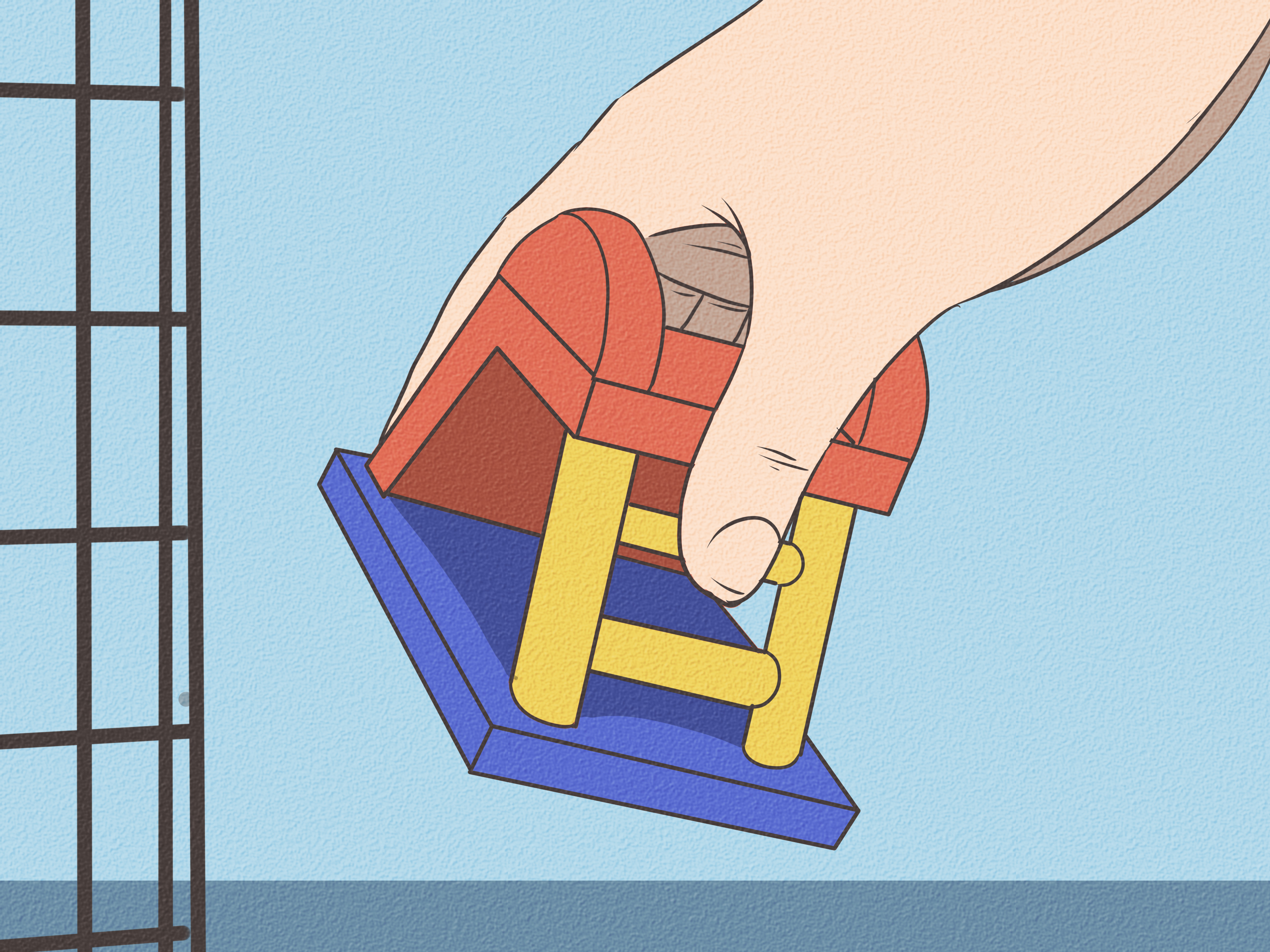
Talk softly before handling your hamster so it knows you are nearby. Let it smell your hand. Scoop from below rather than grabbing from above, which can feel like a predator attack. Handle close to the floor or over a soft surface to prevent falls.
Blind hamsters can still enjoy life. They can dig, chew, sniff, stash food, build nests, and run on wheels with the dramatic dedication of a tiny athlete training for the Snack Olympics.
When to Call a Veterinarian Immediately
Call an exotic pet veterinarian quickly if your hamster has a swollen eye, cloudy eye, eye discharge, crusted eyelids, redness, bleeding, bulging eye, sudden blindness, repeated eye rubbing, loss of appetite, lethargy, weight loss, labored breathing, facial swelling, or signs of pain. Also seek help after a fall, rough handling incident, cage accident, or fight with another animal.
A veterinarian can determine whether the problem is blindness, infection, cataracts, injury, dental disease, glaucoma, trauma, or another condition. The treatment may involve cleaning, prescription eye medication, pain relief, dental care, environmental changes, or supportive care.
Personal Experience: What It Feels Like to Care for a Possibly Blind Hamster
Anyone who has lived with hamsters knows they are small animals with enormous opinions. One minute they are peacefully nibbling a seed; the next, they are sprinting into a cardboard tube like they have just remembered an urgent business meeting. That is why identifying blindness can feel confusing. Hamsters already behave in ways that make humans ask, “Was that normal?” at least three times a week.
A common experience for hamster owners is noticing tiny changes before anything looks obviously wrong. Maybe your hamster no longer runs straight to the food dish. Maybe it pauses at the tunnel entrance and sniffs for longer. Maybe it startles when you place your hand in the cage, even though it used to climb onto your palm without hesitation. These changes can feel subtle, but they matter because owners know their pets’ habits better than anyone else.
One practical lesson is to observe before changing anything. Many well-meaning owners immediately move the water bottle lower, shift the wheel, add new ramps, remove old hides, and reorganize the entire cage. The intention is loving, but for a hamster with poor vision, sudden rearrangement can be stressful. A better approach is to keep the layout familiar, remove only obvious hazards, and make small improvements one at a time.
Another useful experience is learning that blind does not mean helpless. A hamster that cannot see well may still know exactly where the snack dish is, where the best burrowing corner is, and where it has hidden three sunflower seeds like precious buried treasure. Many blind hamsters memorize routes quickly. They use their whiskers like built-in antennae, follow scent trails, and respond to familiar sounds. Owners often discover that the hamster adapts faster than the human does.
Handling also becomes more thoughtful. Instead of reaching in silently, you learn to speak first. Instead of scooping quickly, you let the hamster smell your hand. Instead of carrying it high above the floor, you keep it close to a soft surface. These small habits build trust. They also reduce the chance of defensive nipping, which is usually fear rather than bad behavior. A surprised hamster is not being dramatic; it is being a hamster.
There is also an emotional side. Seeing a cloudy eye or watching your hamster bump into something can make you feel guilty, as if you should have noticed sooner. But eye problems can develop gradually or suddenly, and hamsters are experts at hiding discomfort. The responsible response is not self-blame. It is careful observation, a safer enclosure, and veterinary care when symptoms suggest illness or pain.
The biggest takeaway from caring for a hamster with possible vision loss is this: consistency is kindness. Keep routines steady. Keep the cage safe. Keep your voice gentle. Keep watching for changes. A blind or partially sighted hamster can still live a rich, busy, snack-filled life. It may not admire your face from across the room, but it will know your scent, your voice, and the sound of the treat bag. Honestly, for a hamster, that may be the purest form of love.
Conclusion
Determining whether your hamster is blind takes patience, not panic. Start by remembering that hamsters naturally have weak eyesight and often rely on smell, hearing, whiskers, and memory. Then look for meaningful patterns: repeated confusion in a familiar cage, increased startle reactions, trouble finding essentials, cloudy eyes, swelling, redness, discharge, rubbing, or a bulging eye.
Behavior clues are helpful, but eye symptoms should never be ignored. If your hamster has visible eye changes or sudden behavior problems, contact an exotic pet veterinarian. With the right care, many hamsters with limited vision continue to live active, comfortable, and surprisingly confident lives. Your job is to make the world safer, more predictable, and full of good smells. Your hamster will handle the rest with whiskers, courage, and possibly a dramatic amount of bedding excavation.
Note: This article is for educational pet-care content only and should not replace diagnosis or treatment from an exotic pet veterinarian.











