
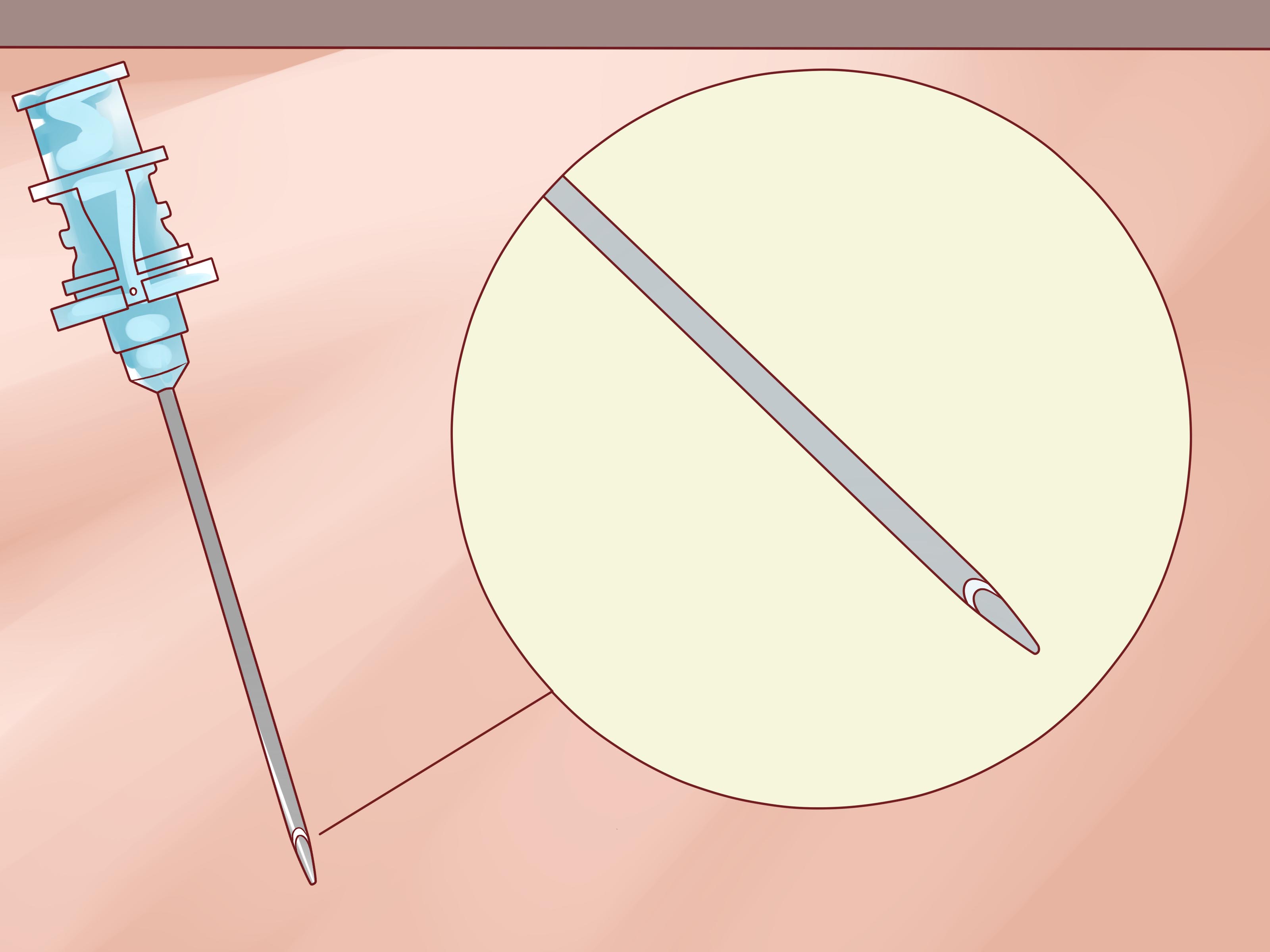
Medical note: This article is for educational purposes only and is not a substitute for professional medical care. If you develop a headache after a spinal tap, epidural, spinal anesthesia, myelogram, or another spine-related procedure, contact your healthcare providerespecially if the pain gets worse when you sit or stand.
A spinal headache is not your average “I skipped lunch and stared at my laptop too long” headache. Also called a post-dural puncture headache, it can happen when cerebrospinal fluid, or CSF, leaks through a tiny hole in the durathe protective membrane around the spinal cord. That drop in fluid pressure can create a headache that behaves like it has a remote control: lie down and it eases; sit or stand and it roars back like a leaf blower outside your bedroom window.
The good news is that many spinal headaches improve with time and conservative care. The not-so-fun news is that some are intense enough to interrupt eating, walking, caring for a newborn, working, or even scrolling your phone dramatically in bed. Severe or persistent cases may need a medical treatment called an epidural blood patch, which helps seal the leak using a small amount of your own blood.
Below are 14 practical steps to help you understand, manage, and talk with your healthcare team about a spinal headache safely.
What Is a Spinal Headache?
A spinal headache usually appears after a procedure that involves the spinal canal, such as a lumbar puncture, spinal tap, epidural anesthesia, spinal anesthesia, or certain pain procedures. It is linked to a leak of cerebrospinal fluid. CSF cushions the brain and spinal cord, so when pressure drops, the brain and surrounding tissues can tug on sensitive structures, leading to a distinctive positional headache.
Many people describe the pain as dull, throbbing, or pressure-like. It may be felt in the front of the head, back of the head, neck, or shoulders. Classic symptoms include headache that worsens when upright and improves when lying flat, nausea, neck stiffness, dizziness, ringing in the ears, sensitivity to light, or vision changes.
How to Cope with a Spinal Headache: 14 Steps
1. Recognize the classic positional pattern
The most important clue is posture. A spinal headache often feels much better when you lie flat and worse when you sit or stand. Some people notice the pain returns within minutes of getting upright. Others can tolerate being up briefly before the headache builds. Either way, this pattern is a big signal that your provider should know about.
Do not assume it is “just stress,” especially if it started within a few days after a spinal tap, epidural, spinal anesthesia, or similar procedure. Stress may be invited to the party, but it is not always the host.
2. Call the healthcare provider who performed the procedure
If you suspect a post-dural puncture headache, contact the clinic, hospital, anesthesiology team, neurologist, obstetric team, or procedural doctor involved. Tell them when the procedure happened, when the headache started, whether it improves when lying down, and what other symptoms you have.
This matters because spinal headaches have a specific cause and specific treatment options. Your provider may recommend home care, a same-day evaluation, medication changes, or an epidural blood patch depending on severity and timing.
3. Lie flat when symptoms flare
Resting flat can reduce the pull caused by low CSF pressure and may provide noticeable relief. Choose a comfortable position on your back or side. Keep your head and neck supported, but avoid piling up pillows so high that your spine resembles a question mark.
Lying down is not a cure for everyone, but it can help you function while your body heals or while you wait for medical advice. If lying flat does not help at all, or the headache is new, severe, or unusual, let your healthcare provider know promptly.
4. Hydrate steadily, not heroically
Drinking fluids is commonly recommended during conservative care. Water, oral rehydration drinks, broth, and mild herbal teas can help you avoid dehydration, especially if nausea or reduced appetite is making you drink less than usual.
That said, do not force gallons of water like you are training for a camel audition. Overhydration can be unsafe. Aim for steady sipping unless your provider gives a specific fluid plan, especially if you have kidney, heart, pregnancy-related, or blood pressure concerns.
5. Ask whether caffeine is appropriate for you
Caffeine may temporarily improve spinal headache symptoms for some people. It can be taken through coffee, tea, certain sodas, or prescribed medication. The key word is temporarily. Caffeine may reduce pain for a while, but it does not always close the CSF leak.
Ask your clinician before using high doses of caffeine, particularly if you are pregnant, breastfeeding, sensitive to caffeine, anxious, prone to palpitations, or managing high blood pressure. A little caffeine may help; too much can turn your headache recovery into a jittery drum solo.
6. Use pain relievers only as directed
Your provider may suggest acetaminophen or a nonsteroidal anti-inflammatory drug such as ibuprofen or naproxen, depending on your health history. These can reduce discomfort, neck soreness, or body aches that come with the headache.
Follow dosing instructions carefully. Avoid combining medications without asking your doctor or pharmacist. This is especially important if you take blood thinners, have ulcers, liver disease, kidney disease, high blood pressure, or recently delivered a baby.
7. Avoid heavy lifting, straining, and sudden exertion
Activities that increase pressure in the spine or abdomen may worsen symptoms. Heavy lifting, intense exercise, straining during bowel movements, coughing fits, or repeated bending can make the headache more dramatic than necessary.
Give yourself permission to move slowly. If you need to pick something up, ask for help. If you are postpartum, this is the time to let someone else carry the laundry basket. The basket has waited before; it can wait again.
8. Treat nausea and light sensitivity gently
Spinal headaches may come with nausea, vomiting, dizziness, light sensitivity, or ringing in the ears. Rest in a quiet, dim room. Eat small, bland snacks if your stomach is unsettled. Ginger tea, crackers, or toast may be easier than a full meal.
If vomiting prevents you from keeping fluids down, contact your healthcare provider. Dehydration can make recovery harder, and persistent vomiting may require medication or evaluation.
9. Keep a simple symptom log
A symptom log helps your medical team understand what is happening. Write down the date and time the headache started, pain level from 0 to 10, what makes it better or worse, how long you can sit or stand, medications taken, caffeine intake, fluid intake, and any symptoms such as fever, weakness, blurry vision, tinnitus, or neck stiffness.
This does not need to become a color-coded spreadsheet unless spreadsheets bring you joy. A few notes on your phone are enough.
10. Know the warning signs that need urgent care
Seek urgent medical care if you have a severe headache that is sudden or different from the spinal headache pattern, fever, confusion, seizure, fainting, weakness, numbness, trouble speaking, double vision, worsening neck stiffness, uncontrolled vomiting, drainage or redness near the procedure site, or a headache that does not improve when lying down.
If you recently gave birth, do not assume every postpartum headache is a spinal headache. Postpartum headaches can also be related to high blood pressure, preeclampsia, blood clots, infection, migraine, or other serious causes. Call your obstetric team quickly if symptoms are severe, unusual, or accompanied by vision changes, swelling, chest pain, shortness of breath, or high blood pressure.
11. Discuss an epidural blood patch if symptoms are severe or persistent
If conservative care does not help enough, your provider may recommend an epidural blood patch. During this procedure, a clinician draws a small amount of your blood and injects it into the epidural space near the leak. The blood forms a clot that helps seal the puncture and restore CSF pressure.
Many people feel significant improvement after a blood patch, sometimes quickly, though relief may continue over several days. Some people need a second patch or further evaluation if symptoms return or do not improve.
12. Prepare good questions before the blood patch
If a blood patch is offered, ask what to expect before, during, and after the procedure. Useful questions include: How likely is it to help in my situation? What symptoms should improve first? What side effects should I watch for? How long should I rest afterward? When can I lift, drive, exercise, shower, or return to work?
Also tell your provider about blood thinners, aspirin use, fever, infection, immune system problems, allergies, pregnancy or postpartum status, and any history of spine surgery. These details can affect timing and safety.
13. Follow recovery instructions after treatment
After a blood patch, your care team may ask you to lie flat for a period of time and avoid heavy lifting, bending, straining, or intense activity for a short while. Follow their specific instructions, because recommendations may vary based on your case.
You may feel back soreness or pressure at the injection site. Mild soreness is common, but worsening pain, fever, leg weakness, numbness, trouble urinating, or signs of infection should be reported right away.
14. Return to normal life gradually
Once symptoms improve, ease back into normal activities. Start with short upright periods, gentle walking, light meals, and regular hydration. If the headache returns when you stand, lie down and contact your provider for guidance.
Recovery is not a moral contest. You do not earn bonus points for folding towels while your brain feels like it is being vacuum-sealed. Let your body heal, and let your healthcare team know if your progress stalls.
Common Causes and Risk Factors
Spinal headaches most often follow procedures that puncture the dura. This can include a diagnostic lumbar puncture, spinal anesthesia, epidural anesthesia when the dura is accidentally punctured, or other spinal injections. Risk can vary depending on needle size, needle type, patient age, pregnancy status, and the details of the procedure.
Not every headache after a procedure is a spinal headache. Migraine, tension headache, dehydration, medication effects, infection, high blood pressure, sinus illness, and other conditions can look similar at first. That is why the positional pattern and timing are important clues, but not a final diagnosis by themselves.
What Not to Do When You Suspect a Spinal Headache
Do not ignore a severe headache after spinal anesthesia or a spinal tap. Do not drive yourself if you are dizzy, vomiting, or light-sensitive. Do not take extra doses of pain medicine beyond the label or prescription. Do not start intense exercise just because you had one good hour. And please do not let the internet convince you to try strange “CSF leak hacks” involving extreme positions, mystery supplements, or heroic caffeine levels.
The safest plan is simple: rest, hydrate, avoid strain, track symptoms, and communicate with your healthcare team. If symptoms are severe or persistent, ask directly whether you should be evaluated for an epidural blood patch.
How Long Does a Spinal Headache Last?
Some spinal headaches improve within a couple of days with conservative care. Others last longer and may be disabling. Severe headaches lasting more than 24 hours, headaches that prevent normal activities, or symptoms that keep returning when upright deserve medical follow-up.
The timeline depends on the size of the leak, the procedure, individual healing, and whether treatment is needed. Your provider may recommend imaging or further evaluation if the symptoms are atypical, prolonged, or accompanied by neurological signs.
Experience-Based Tips: Living Through a Spinal Headache Without Losing Your Mind
People who have had a spinal headache often describe the experience with one word: weird. It is not just painful; it is strangely mechanical. You sit up, the headache arrives. You lie down, it backs off. You sit up again, and there it is, like an overenthusiastic doorbell. That pattern can be frustrating because it makes ordinary tasks feel complicated.
One useful approach is to organize your day around short, necessary upright moments. Keep water, snacks, medication, tissues, chargers, and your symptom notes near your resting spot. Think of it as building a “recovery nest,” minus the dramatic bird noises. If you need to stand, plan the task before you get up. For example, instead of wandering to the kitchen and wondering why you came, decide: refill water, grab crackers, return to bed. Efficiency is your friend.
Another practical tip is to communicate clearly with the people around you. A spinal headache may be invisible, and because lying down can make you look “fine,” others may underestimate how quickly symptoms return. Say something specific: “I can sit up for about five minutes before the headache spikes,” or “I need help with lifting and errands until my doctor clears me.” Clear requests work better than hoping everyone becomes a mind reader with a stethoscope.
If you are caring for a baby, recovering after delivery, or managing family responsibilities, ask for help early. Postpartum spinal headaches can be especially hard because newborns do not pause for neurological events. Feeding, diapering, pumping, and sleep deprivation can collide with the need to lie flat. In that situation, involve your obstetric or anesthesia team promptly. You deserve care too, not just a gold medal for suffering quietly.
Many people also find that emotional coping matters. A spinal headache can make you feel trapped because sitting up may trigger pain. Keep entertainment simple: audiobooks, podcasts, calming music, low-brightness shows, or voice notes with friends. Avoid doom-scrolling medical forums for hours. Reading every rare complication at 2 a.m. is not research; it is anxiety wearing a lab coat.
Food can be low-effort. Small, bland meals are often easier when nausea is present. Soup, toast, bananas, rice, applesauce, crackers, yogurt, and electrolyte drinks may be more realistic than a full dinner. If caffeine helps and your provider approves, use it thoughtfully rather than repeatedly chasing relief all day.
After treatment, especially after an epidural blood patch, do not rush back into your full schedule the minute you feel better. Improvement can feel dramatic, but your body still needs recovery time. Follow lifting restrictions, avoid straining, and resume activity gradually. If the headache returns, do not panicbut do report it. Sometimes symptoms fluctuate, and sometimes additional care is needed.
The biggest lesson from people who have been through it is this: take the headache seriously, but do not assume the worst. Spinal headaches are known, recognized, and treatable. With the right communication and medical guidance, most people move from “I cannot sit up” to “I am cautiously human again.” And honestly, cautiously human is a beautiful milestone.
Conclusion
A spinal headache can be dramatic, uncomfortable, and oddly posture-dependent, but it is also a condition with clear next steps. Recognize the pattern, contact your healthcare provider, rest flat when needed, hydrate, use caffeine and pain medicine only as advised, avoid straining, and watch for red flags. If symptoms are severe or do not improve, ask about an epidural blood patch. The goal is not to tough it out like a movie character in a medical drama. The goal is to recover safely, protect your nervous system, and get back to normal life one careful step at a time.












