
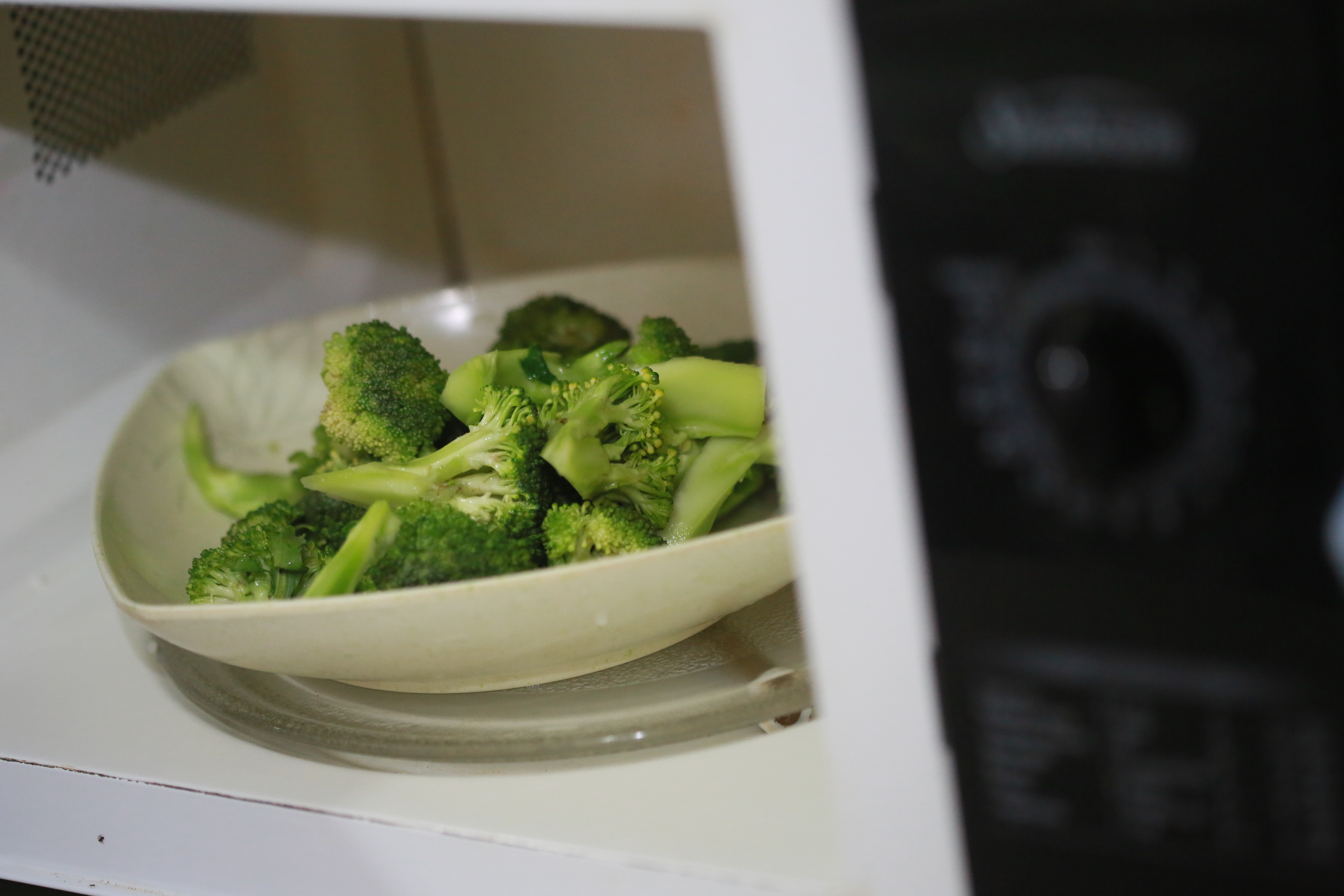
If your relationship with vegetables has been a little… complicated, the microwave may be the peace treaty your kitchen needs. It is fast, simple, and surprisingly good at turning raw broccoli, carrots, green beans, cauliflower, zucchini, asparagus, and potatoes into tender, flavorful side dishes without dirtying three pans and your last shred of patience. Better yet, microwave cooking uses very little water, which helps vegetables keep more of their color, texture, and nutrients.
This guide breaks the process down into four easy steps so you can stop guessing, stop overcooking, and stop serving vegetables that taste like they lost the will to live. Whether you are cooking for one, feeding a family, or trying to make dinner happen before your stomach starts filing complaints, this method is a practical kitchen win.
Why Microwave Vegetables at All?
Because it works. Microwave cooking heats food quickly, and vegetables love quick cooking. The shorter cooking time means less opportunity for delicate vitamins to break down. Using only a small amount of water also means fewer nutrients end up floating away in the cooking liquid. In other words, the microwave is not the villain of the kitchen. It is more like the underrated sidekick who shows up, gets the job done, and never asks for applause.
Microwaving is especially helpful when you want:
- a fast weeknight side dish,
- a healthier way to cook than boiling vegetables into sadness,
- fewer dishes,
- better texture control, and
- small-batch cooking for one or two people.
Step 1: Wash, Trim, and Cut the Vegetables Evenly
Microwave success starts before you press a single button. First, rinse fresh vegetables under running water. Trim off stems, tough ends, or damaged spots. Then cut the vegetables into pieces that are close to the same size. This matters more than people think. If one carrot chunk is the size of a thumb and another is the size of a house key, they will not cook at the same speed. One will be crunchy, the other will be floppy, and nobody wins.
Best vegetables for microwave cooking
The microwave handles many vegetables beautifully, especially:
- broccoli
- cauliflower
- green beans
- carrots
- asparagus
- zucchini
- Brussels sprouts
- sweet potatoes and white potatoes
- corn on the cob
- spinach and other leafy greens
Fresh, frozen, or canned?
Fresh vegetables are ideal for this four-step method, but frozen vegetables work too. In fact, frozen vegetables are one of the easiest microwave foods on earth because they are usually washed, cut, and ready to go. Canned vegetables can also be heated in the microwave, but they are already cooked, so you are only reheating them rather than truly cooking them.
Pro tip: Denser vegetables like carrots, potatoes, and Brussels sprouts usually need a little more time than watery vegetables like zucchini or spinach. If you mix several vegetables together, cut the dense ones smaller so everything finishes closer to the same time.
Step 2: Put Them in a Microwave-Safe Dish with a Little Water
Now place the vegetables in a microwave-safe bowl, casserole dish, or container. Glass and ceramic are usually excellent choices. Some plastics are also fine, but only if they are clearly labeled microwave-safe. Skip metal, foil, and mystery containers from takeout night. If a container looks like it came with a side of regret, do not microwave it.
Add a small amount of water. Usually 1 to 2 tablespoons is enough for most bowls of chopped vegetables. You are not boiling the vegetables. You are creating steam. That steam is what gently cooks the vegetables while helping them stay moist and tender.
How to cover vegetables properly
Cover the dish with a microwave-safe lid, plate, or microwave-safe wrap, but leave a little space for steam to escape. A fully sealed cover can trap too much pressure. A lightly vented cover is the sweet spot. Think “cozy winter coat,” not “airtight submarine hatch.”
This step is where the magic happens. The small amount of water turns into steam, the cover keeps moisture inside, and the vegetables cook quickly without drying out.
Season now or later?
You can season after cooking for the cleanest flavor and texture. Salt added during cooking is not always necessary, especially for delicate vegetables. Once the vegetables are done, season with olive oil, butter, lemon juice, garlic, pepper, herbs, parmesan, chili flakes, or a simple pinch of salt. Microwave vegetables are like a blank canvas, except faster and less expensive than actual art supplies.
Step 3: Microwave on High, Then Check and Stir
Microwave on high power to start. Cooking time depends on the vegetable, the size of the pieces, the amount you are cooking, and your microwave’s wattage. That means there is no single magical time that rules them all. The smartest move is to start with a moderate amount of time, check doneness, stir or rotate if needed, and continue in short bursts.
General microwave vegetable time guide
- Asparagus or bok choy: about 2 to 3 minutes
- Broccoli, cauliflower, green beans: about 3 to 5 minutes
- Carrots: about 4 to 6 minutes, depending on thickness
- Brussels sprouts or cut potatoes: about 5 minutes or a little more
- Corn on the cob: about 6 to 7 minutes
- Whole medium potato: about 10 minutes total, turning halfway through
- Leafy greens: often just 1 to 3 minutes
For most chopped vegetables, stir or rearrange them halfway through if you can. If your microwave does not have a turntable, rotate the dish by hand once or twice during cooking. This helps reduce hot spots and cold spots, which is kitchen language for “some bites are perfect and others are weirdly raw.”
How to tell when vegetables are done
The goal for most vegetables is tender-crisp. That means a fork slides in with light resistance, but the vegetables still have some texture. If the fork drops in like it is entering pudding, you may have gone too far. Overcooked vegetables tend to lose color, structure, and their natural sweetness.
If they need more time, continue microwaving in 30-second to 1-minute intervals. This is the safest way to avoid overcooking. Microwaves move fast, and vegetables can go from “almost there” to “retirement home cafeteria texture” in a shocking hurry.
Step 4: Let Them Rest, Then Drain and Serve
Here is the step people skip and then wonder why the center still seems underdone: let the vegetables stand for 1 to 2 minutes after microwaving. This resting period matters because the food keeps cooking from residual heat. It also helps the temperature even out.
After resting, carefully remove the cover away from your face. Steam burns are not a fun garnish. Drain any extra water if needed, then taste and season. This is the moment to add flavor and personality.
Easy serving ideas
- Broccoli with olive oil, lemon, and black pepper
- Green beans with garlic butter and toasted almonds
- Carrots with honey and a pinch of cinnamon
- Cauliflower with parmesan and smoked paprika
- Sweet potato with a little butter and sea salt
- Zucchini with Italian seasoning and grated cheese
And just like that, you have vegetables that are fast, colorful, and actually worth eating.
Common Microwave Vegetable Mistakes to Avoid
Using too much water
If your vegetables come out soggy, you probably used more water than you needed. Remember: you are steaming, not making vegetable soup.
Not venting the cover
A tightly sealed lid can build up too much steam pressure. Leave a small vent so steam can escape safely.
Cutting uneven pieces
Uniform pieces cook more evenly. Random sizing leads to random results.
Cooking too long in one go
The microwave is better when you check as you go. Long, unchecked cooking times are how vegetables turn mushy.
Ignoring microwave wattage
High-powered microwaves cook faster than older or lower-wattage models. If your microwave is powerful, reduce the initial time and check earlier.
How Microwaving Compares With Boiling and Steaming
Boiling can be useful, but it often causes more nutrient loss because vegetables sit in a larger amount of water. Traditional steaming is excellent, but it usually takes longer and involves extra equipment. Microwave cooking lands in a very convenient middle ground: it mimics steaming, works quickly, and uses minimal water.
That is why microwave vegetables often keep a brighter color and fresher flavor than boiled vegetables. They also fit modern life better. On a busy Tuesday, “steam basket plus saucepan plus waiting” sounds noble. “Bowl, cover, microwave, eat” sounds realistic.
Microwave Vegetable FAQ
Can I microwave frozen vegetables without thawing them first?
Yes. Most frozen vegetables can go straight into a microwave-safe dish or be cooked in their steamable bag if the package says so. Follow package instructions when available, and check for doneness before serving.
Do I always need to add water?
Usually a small amount helps create steam. Very watery vegetables or frozen vegetables sometimes need little to no extra water, depending on the container and method.
Are microwaved vegetables healthy?
Yes. Microwave cooking can be a smart way to prepare vegetables because it is quick and usually uses less water than boiling, which may help preserve nutrients.
Can I meal prep microwave vegetables?
Absolutely. Cook several portions, cool them promptly, refrigerate, and use them in grain bowls, wraps, omelets, pasta, soups, or simple dinner plates throughout the week.
Final Thoughts
If you have ever dismissed microwave vegetables as bland, soggy, or sad, the problem was probably not the microwave. It was the method. Once you use the right container, a little water, a vented cover, and a sensible cooking time, the microwave becomes one of the easiest ways to make vegetables that are colorful, tender, and genuinely enjoyable.
So yes, you can absolutely cook vegetables in the microwave in four simple steps: prep them, add a little water and cover them, microwave and check them, then let them rest and season them well. It is quick, practical, and friendly to both busy schedules and hungry people. Which is really all most of us are asking from dinner.
Kitchen Experiences: What Real-Life Microwave Vegetable Cooking Teaches You
The funniest thing about learning to cook vegetables in the microwave is how many people approach it like a science experiment and a dare at the same time. The first attempt usually starts with optimism, followed by peeking through the microwave door like you are monitoring a moon landing. Then comes the steam cloud, the cautious fork test, and the realization that this method is either genius or very close to it.
One of the most common experiences people have is discovering that broccoli is the microwave’s overachiever. It cooks fast, turns bright green, and responds beautifully to a tiny drizzle of olive oil and lemon. Carrots, on the other hand, teach patience. If they are sliced thick, they may need another minute or two. If they are cut into coins or matchsticks, they become sweet, glossy, and surprisingly snackable. This is when many home cooks realize the microwave is not just for reheating leftovers and melting butter for popcorn emergencies.
Another typical lesson is that container choice matters. People often start with whatever bowl is nearby, then learn very quickly that shallow dishes cook more evenly than deep, crowded ones. A wide bowl lets steam move around the vegetables better. A good lid traps moisture. A bad lid either pops around dramatically or makes you question your life choices. Experience teaches you to choose a bowl that gives vegetables a little breathing room.
Then there is the seasoning revelation. Freshly microwaved vegetables can taste wonderfully clean, but they really come alive with a finishing touch. Butter makes them comforting. Lemon makes them bright. Garlic powder, black pepper, chili flakes, parmesan, sesame oil, soy sauce, or a little ranch seasoning can transform a basic bowl into something you would happily eat again. Many people find that once vegetables are easier to cook, they eat them more often. That is not a nutrition lecture. That is convenience doing its job.
Microwave vegetable cooking also becomes a lifesaver in small kitchens, dorm rooms, office break rooms, and chaotic family evenings. It helps when the stove is busy, when time is short, or when you just do not want to wash another pan. It is especially useful for people learning to cook because the process is forgiving. You can check progress, adjust time, and improve quickly with each try.
Perhaps the best experience of all is the moment microwave vegetables stop feeling like a shortcut and start feeling like a smart kitchen skill. You learn that “fast” does not have to mean “bad,” and “easy” does not have to mean “boring.” Sometimes it simply means dinner is ready, the vegetables are actually good, and nobody had to boil anything into oblivion.











