
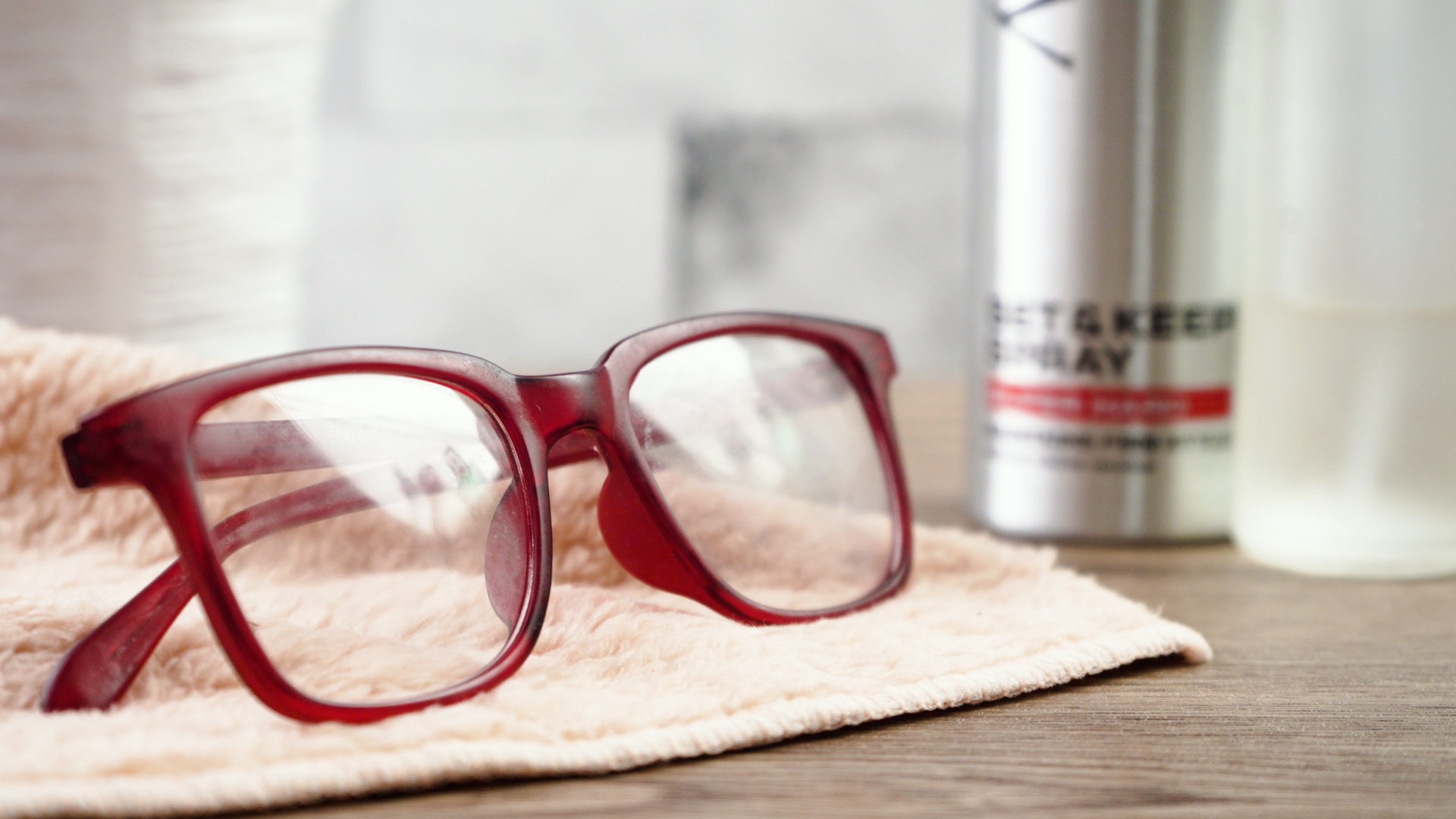
Note: This article is written for everyday plastic eyeglasses, including many prescription glasses, reading glasses, blue-light glasses, and plastic-lens sunglasses. Always follow any special care instructions from your eye doctor, optician, or lens manufacturer, especially if your lenses have premium coatings.
Why Cleaning Plastic Eyeglasses the Right Way Matters
If you wear glasses every day, you already know the tragic little drama of the mysterious smudge. One minute your lenses are clear. The next, the world looks like it was filmed through a greasy potato. Fingerprints, skin oil, makeup, dust, sweat, cooking vapor, and pocket lint all love plastic eyeglasses a little too much.
The good news is that learning how to clean plastic eyeglasses does not require a laboratory, a tiny velvet rope, or a PhD in optical wizardry. You only need the right method and the discipline not to wipe your lenses with your shirt like a desperate raccoon polishing a window.
Plastic lenses are lightweight, comfortable, and common, but they can scratch more easily than people expect. Many modern lenses also have coatings, such as anti-reflective, UV-protective, blue-light-filtering, scratch-resistant, or anti-smudge layers. These coatings can improve your vision and comfort, but harsh cleaning habits may shorten their life. That is why the safest eyeglass cleaning routine is gentle, simple, and consistent.
Below are two easy methods for cleaning plastic eyeglasses: a full sink-cleaning method with mild dish soap and a quick method using lens spray or pre-moistened lens wipes. Both are practical, affordable, and much safer than the classic “breathe-and-shirt-wipe” technique, which belongs in the Museum of Bad Ideas.
Before You Start: What You Need
For the best results, gather a few basic supplies:
- Lukewarm water
- Lotion-free, mild dish soap
- A clean microfiber lens cloth
- Eyeglass cleaning spray or disposable lens wipes
- A clean, lint-free towel
- A cotton swab or very soft toothbrush for nose pads and hinges
- A hard eyeglass case for storage
The most important rule is this: remove dust and grit before rubbing the lenses. Tiny particles can act like sandpaper. You may not see them, but your lenses will remember. Unfortunately, plastic lenses are not very forgiving memoirists.
Method 1: Clean Plastic Eyeglasses With Mild Dish Soap and Water
This is the best deep-cleaning method for most plastic eyeglasses. It removes oil, fingerprints, dried sweat, makeup residue, and general daily grime from both the lenses and frames. Use this method when your glasses look cloudy, feel greasy, or have been through a long day of work, cooking, exercise, commuting, or being handled by a child who had snacks.
Step 1: Wash and Dry Your Hands
Start by washing your hands with soap and water. Dry them with a clean, lint-free towel. This step sounds boring, but it matters. If your fingers are covered with lotion, cooking oil, sunscreen, or snack dust, you will transfer that mess directly onto your lenses.
Avoid hand soaps with heavy moisturizers, exfoliating beads, or strong fragrances when possible. Your goal is clean hands, not hands that smell like a luxury candle named “Midnight Vanilla Thunderstorm.”
Step 2: Rinse the Glasses Under Lukewarm Water
Hold your glasses gently by the frame and rinse both sides of the lenses under a light stream of lukewarm water. Do not use hot water. Heat can be hard on lens coatings and may also affect some plastic frames over time.
Rinsing first helps remove dust, grit, and loose debris. This is the step many people skip, and it is often the reason lenses develop tiny scratches. If you rub dry lenses with a cloth while dust is sitting on the surface, you are not cleaning; you are accidentally buffing the lenses with microscopic gravel.
Step 3: Add One Small Drop of Mild Dish Soap
Place a tiny drop of lotion-free dish soap on each lens or on your clean fingertips. You do not need much. In fact, too much soap creates more rinsing work and may leave streaks. Choose a simple, mild dish soap without added lotion, citrus degreaser, bleach, ammonia, or abrasive ingredients.
Gently rub both sides of each lens with your fingertips. Then clean the bridge, nose pads, hinges, temples, and the areas where the lenses meet the frame. These zones collect skin oil and dust, especially around the nose and behind the ears.
Step 4: Clean the Frames Carefully
Plastic eyeglass frames can get just as dirty as the lenses. Sweat, sunscreen, foundation, hair products, and everyday oils often build up on the frame edges. Use your soapy fingers to clean the entire frame gently.
For nose pads, hinges, and tight corners, use a cotton swab or a very soft toothbrush dipped in soapy water. Be careful not to scrape the lenses with the toothbrush bristles. Think of the brush as a tiny detail tool, not a weapon.
Step 5: Rinse Thoroughly
Rinse both lenses and the entire frame under lukewarm water until all soap is gone. Leftover soap is one of the biggest causes of streaky lenses. If your glasses look clean while wet but cloudy after drying, there is probably soap residue hanging around like an unwanted guest.
Step 6: Shake Off Water and Dry With a Clean Microfiber Cloth
Gently shake off excess water. Then dry the lenses and frames with a clean microfiber lens cloth or a clean lint-free towel. Use light pressure. You are drying, not sanding a deck.
Make sure the cloth itself is clean. A dirty microfiber cloth can hold dust, oil, and debris, which may smear or scratch your glasses. Wash microfiber cloths regularly without fabric softener, because fabric softener can leave residue that causes streaks.
When to Use Method 1
Use the soap-and-water method at least a few times a week if you wear glasses daily. It is especially helpful after workouts, beach days, cooking, yard work, makeup application, or any situation where your glasses were exposed to sweat, oil, dust, or spray products.
Method 2: Clean Plastic Eyeglasses With Lens Spray or Lens Wipes
The second easy method is perfect when you are away from a sink or need a fast touch-up. Lens cleaning spray and disposable lens wipes are convenient for travel, school, work, driving, and those moments when your glasses suddenly become foggy right before you need to read something important.
Option A: Use Eyeglass Cleaning Spray
Choose a cleaning spray labeled safe for eyeglasses and coated lenses. Hold the frames gently, then spray both sides of each lens. Use enough cleaner to loosen dust and oil. If your glasses are very dusty, avoid dry wiping first. A little extra spray can help float away particles before you wipe.
Next, wipe the lenses with a clean microfiber cloth. Use gentle straight strokes or light circular motions, depending on the cleaner instructions. Pay attention to the lens edges, where smudges love to hide. If streaks remain, use a fresh part of the cloth and wipe again lightly.
Option B: Use Disposable Lens Wipes
Pre-moistened lens wipes are useful when you cannot rinse your glasses. Open one wipe, hold the glasses by the frame, and gently clean the lenses and frame. Use light pressure and let the wipe do the work.
Lens wipes are especially helpful for travel because they are individually wrapped, portable, and less likely to spill in your bag. They are also more sanitary than the ancient microfiber cloth that has been living in your backpack since the previous presidential administration.
When to Use Method 2
Use lens spray or wipes for quick cleaning during the day. Keep a small spray bottle and microfiber cloth in your desk, car, backpack, or purse. However, if your glasses are covered in heavy dust, sand, or dried grime, use the soap-and-water method as soon as possible. Spray and wipes are convenient, but a proper rinse is still the safest choice for dirty lenses.
What Not to Use on Plastic Eyeglasses
Cleaning plastic eyeglasses is partly about what you do and partly about what you bravely refuse to do. Some common shortcuts can damage lenses or coatings.
Do Not Use Paper Towels, Tissues, or Napkins
Paper products may feel soft to your hands, but they can be rough on lenses. They may leave lint, streaks, or fine scratches. Save paper towels for kitchen spills, not your prescription lenses.
Do Not Use Your Shirt
Your shirt may look clean, but fabric can trap dust and grit. Rubbing lenses with clothing can cause tiny scratches over time. Also, shirt wiping usually smears oil around instead of removing it. It is basically moving the problem to a new neighborhood.
Do Not Use Window Cleaner or Household Cleaners
Household glass cleaners often contain ammonia or other harsh chemicals. These can damage lens coatings. Your eyeglasses are not kitchen windows, even if you sometimes stare through them at snacks.
Do Not Use Hot Water
Hot water may damage coatings or affect plastic frames. Lukewarm water is safer and effective for routine cleaning.
Do Not Use Vinegar, Bleach, Alcohol, or Hand Sanitizer on Lenses
Strong disinfectants and DIY cleaners can be too harsh for coated plastic lenses. Hand sanitizer is especially risky because it often contains alcohol and other ingredients that can leave residue or damage coatings. Warm water and mild soap are usually enough for everyday cleaning.
How Often Should You Clean Plastic Eyeglasses?
If you wear your glasses every day, wipe them with a clean microfiber cloth or lens-safe cleaner daily, and do a deeper soap-and-water cleaning several times a week. If your glasses are exposed to sweat, dust, makeup, sunscreen, or cooking grease, clean them the same day.
Nose pads and frame edges deserve regular attention. These areas touch your skin and collect oils quickly. A pair of glasses can have spotless lenses but still feel grimy if the frames are neglected. Clean lenses help you see better; clean frames help your glasses feel better.
How to Keep Plastic Eyeglasses Cleaner Longer
Store Them in a Case
When you are not wearing your glasses, store them in a hard case. This protects them from dust, scratches, accidental drops, and the mysterious crushing force inside bags.
Put Glasses Down Lens-Side Up
If you must set your glasses on a table, place them lens-side up. Never place the lenses directly on a surface. That is how scratches sneak into your life and ruin your afternoon.
Keep a Clean Microfiber Cloth Nearby
Keep one microfiber cloth at home, one at work, and one in your bag. Wash them regularly and replace them when they become worn, stiff, or permanently greasy.
Avoid Spraying Hair Products Near Glasses
Hairspray, perfume, dry shampoo, sunscreen spray, and setting spray can leave a film on lenses. Put on glasses after using these products whenever possible.
Handle Glasses by the Bridge or Temples
Try not to grab your lenses directly. Hold glasses by the bridge or temples to reduce fingerprints. This tiny habit can save you many cleaning sessions and several dramatic sighs per week.
Common Mistakes That Cause Streaks
If your glasses are still streaky after cleaning, the problem is usually one of four things: too much soap, not enough rinsing, a dirty cloth, or the wrong cleaner. Use only a small drop of mild soap, rinse thoroughly, and dry with a clean cloth. If using spray, make sure it is designed for eyeglasses and safe for coated lenses.
Another common issue is cleaning only the center of each lens. Oil often hides near the edges, around the nose pads, and where the frame meets the lens. Clean the whole pair, not just the obvious smudge in the middle.
Can You Remove Scratches From Plastic Eyeglasses?
In most cases, no. Scratches in plastic lenses or lens coatings usually cannot be safely polished away at home. Internet hacks involving toothpaste, baking soda, or abrasive compounds may make the damage worse. If your lenses are scratched, ask an optician whether they can help or whether replacement lenses are the better option.
The smartest scratch repair strategy is prevention: rinse before rubbing, use safe cleaners, avoid paper products, and store your glasses properly.
Experience-Based Tips: What Actually Works in Real Life
After years of seeing people clean their glasses in every possible way, one pattern becomes obvious: the best method is the one you will actually use. A perfect cleaning routine is useless if it requires fifteen steps, a ceremonial robe, and a special sink blessed by an optician. The soap-and-water method works because it is simple. The lens-spray method works because it is portable. Together, they cover almost every normal eyeglass emergency.
One practical habit is to clean your plastic eyeglasses at the same time every day. For many people, the best time is in the morning before work or at night before bed. Morning cleaning gives you clear lenses for the day. Night cleaning removes sweat, oil, and dust before they sit on the lenses for hours. If you cook often, clean your glasses after preparing dinner. Cooking vapor can leave a thin film on lenses, especially when frying food or standing over steam.
Another real-world tip is to stop trusting random cloth. The cloth matters more than people think. A microfiber cloth that has been loose in a purse with coins, keys, crumbs, and ancient receipts is no longer a lens cloth. It is a tiny scratch delivery system. Keep microfiber cloths in small pouches or inside your eyeglass case. Wash them often, and do not use fabric softener. A clean cloth makes the difference between “Wow, my glasses are invisible” and “Why does every lamp have a ghost halo?”
For people with oily skin, nose pads and the bridge area need extra attention. Even if the lenses look fine, oil can build up where the frame rests on the face. This can make glasses slide down constantly. Cleaning the nose pads with mild soap and water can improve comfort and fit. If your glasses still slide after cleaning, visit an optician for an adjustment rather than bending the frames yourself. DIY frame bending can quickly turn into DIY frame replacing.
Travel also changes the cleaning routine. When you are on the road, carry individually wrapped lens wipes and a small microfiber cloth. Airports, buses, hotels, beaches, and road trips expose glasses to dust, sunscreen, fingerprints, and climate changes. If you are going somewhere sandy, avoid wiping your lenses dry until you can rinse them. Sand is brutal on plastic lenses. Even a tiny amount can leave permanent marks.
People who wear makeup should clean glasses more often. Foundation, mascara, eyebrow gel, and setting spray can transfer to lenses and frames. A gentle soap cleaning at the end of the day keeps buildup from becoming stubborn. The same applies to sunscreen. Sunscreen residue can be surprisingly sticky, especially around the nose bridge and temples. Clean it off before it dries into a cloudy film.
Parents should also teach kids how to clean glasses correctly. Children often wipe lenses with shirts, blankets, or whatever soft-looking object is nearby. A simple rule helps: rinse first when possible, use the glasses cloth, and put glasses in the case when not wearing them. Kids do not need a lecture about optical coatings. They need a routine they can remember without rolling their eyes into another dimension.
Finally, do not wait until your lenses are unbearable. Cleaning plastic eyeglasses regularly takes less time than trying to rescue a pair covered in old oil, dust, and mystery residue. Clear lenses reduce visual distraction and make glasses more comfortable to wear. Your eyes work hard enough. They should not have to fight through fingerprints shaped like tiny crime scenes.
Conclusion
Cleaning plastic eyeglasses is easy when you keep the process gentle. For a deep clean, use lukewarm water, a tiny drop of lotion-free dish soap, your fingertips, and a clean microfiber cloth. For quick cleaning, use eyeglass-safe lens spray or disposable lens wipes. Avoid paper towels, tissues, clothing, hot water, household glass cleaner, vinegar, bleach, and hand sanitizer on your lenses.
The secret is not fancy equipment. It is consistency. Rinse before rubbing, clean the frames as well as the lenses, dry with the right cloth, and store your glasses safely. Do that, and your plastic eyeglasses will stay clearer, cleaner, and less likely to collect scratches from everyday cleaning mistakes.













