
Note: This article is for educational purposes only. A partially erupted wisdom tooth can become infected quickly, so persistent pain, swelling, fever, pus, bad taste, trouble swallowing, or difficulty opening your mouth should be evaluated by a dentist or oral surgeon.
Introduction: Why Partially Erupted Wisdom Teeth Are So Annoying
Partially erupted wisdom teeth are like guests who arrive halfway through the door, block the hallway, and then act surprised when everyone is irritated. These third molars usually appear in the late teens or early twenties, and when there is not enough room for them to come in fully, they may break through the gum only partway. That small opening can become a trap for food, plaque, and bacteria.
The biggest cleaning challenge is often a gum flap called an operculum. This flap may cover part of the wisdom tooth, creating a tiny pocket where yesterday’s popcorn, plaque, and bacteria can throw a house party. When that area becomes inflamed or infected, the condition is called pericoronitis. It may cause tenderness, swelling, bad breath, a bad taste, jaw stiffness, or pain around the back molars.
The good news: careful home care can help keep the area cleaner and more comfortable. The not-so-good news: home cleaning cannot always solve the underlying problem. If the tooth is poorly positioned, repeatedly infected, decayed, or damaging the tooth beside it, professional treatment may be needed. Think of cleaning as your daily defense system, not a magic wand.
What Is a Partially Erupted Wisdom Tooth?
A partially erupted wisdom tooth is a third molar that has come through the gum only partly. It may be angled toward the second molar, tilted backward, trapped under gum tissue, or crowded against the jawbone. Because wisdom teeth sit at the very back of the mouth, they are harder to reach with a toothbrush and floss. Add a gum flap, and cleaning becomes even trickier.
Partially erupted wisdom teeth are at higher risk for plaque buildup, cavities, gum inflammation, and infection. Food and bacteria can collect between the tooth and gum tissue. Over time, this may lead to swelling, bleeding, soreness, or an unpleasant smell. If bacteria spread deeper, the infection can become serious and require urgent dental care.
How to Clean Partially Erupted Wisdom Teeth: 12 Steps
Step 1: Wash Your Hands Before Touching Anything
Before you inspect or clean around a partially erupted wisdom tooth, wash your hands thoroughly with soap and water. This sounds basic, but your mouth already has plenty of bacteria without inviting extra germs from your phone, keyboard, or doorknob collection. If you need to gently move your cheek aside to see the area, clean hands matter.
Avoid poking the gum flap with your fingernail. Nails can scratch delicate tissue and introduce bacteria. If you need better visibility, use a clean mirror, good lighting, and patience. The back of the mouth is not exactly a luxury viewing deck, so take your time.
Step 2: Rinse With Warm Salt Water
A warm salt water rinse can help loosen debris and soothe irritated gum tissue. Mix about half a teaspoon of salt into a cup of warm water. Swish gently around the wisdom tooth area for 30 seconds, then spit it out. Do not swallow it, unless you are trying to season yourself from the inside, which is not recommended.
Use warm water, not hot water. Hot water can irritate sore tissue. Salt water is not a cure for infection, but it can be a helpful support tool after meals and before brushing. If your dentist gives you specific rinsing instructions, follow those instead.
Step 3: Use a Soft-Bristled Toothbrush
Choose a soft-bristled toothbrush with a small head. A smaller brush can reach the back molars more easily than a large brush that feels like you are trying to park a bus behind your cheek. Electric toothbrushes may also help some people clean more effectively, especially if they have a small brush head and pressure control.
Brush twice a day with fluoride toothpaste. Spend extra attention on the chewing surface, the outside surface near the cheek, and the gumline around the wisdom tooth. Use gentle circular motions instead of aggressive scrubbing. If the gum is tender, brushing harder will not make it cleaner; it will just make the gum angrier.
Step 4: Angle the Brush Toward the Gumline
When cleaning a partially erupted wisdom tooth, angle the toothbrush bristles toward the gumline at about 45 degrees. This helps the bristles reach the edge where plaque collects. Move the brush slowly and carefully around the visible part of the tooth.
Do not force the bristles under the gum flap. The goal is to remove plaque and food without tearing or traumatizing tissue. If brushing causes severe pain, bleeding that does not stop, or swelling that worsens, schedule a dental visit. Mild tenderness can happen, but sharp or worsening pain deserves professional attention.
Step 5: Clean the Chewing Surface Thoroughly
Partially erupted wisdom teeth often have grooves, pits, and awkward angles that trap food. Brush the biting surface with short back-and-forth strokes. This area is especially vulnerable to decay because it is difficult to see and easy to miss.
If the tooth is only partly visible, clean what you can reach safely. Do not dig into the gum with toothpicks, pins, tweezers, or other sharp objects. Your wisdom tooth does not need a mining operation. Sharp tools can injure the gum and push bacteria deeper.
Step 6: Floss the Tooth in Front of It
The second molar, the tooth directly in front of the wisdom tooth, often suffers when a partially erupted wisdom tooth is hard to clean. Food can get wedged between these two teeth, and decay may start on the back side of the second molar. That is especially frustrating because the second molar is an important chewing tooth.
Use regular floss, floss picks, or an interdental cleaner to clean between the second molar and nearby teeth. Slide floss gently under the gumline of the second molar, curve it into a C-shape, and move it up and down. If you cannot fit floss behind the second molar because the wisdom tooth blocks it, ask your dentist which tool is safest for your mouth.
Step 7: Try an Interdental Brush if There Is Space
An interdental brush is a tiny brush designed to clean between teeth and around difficult areas. If there is enough space behind the second molar or around the partially erupted wisdom tooth, it may help remove plaque and food particles. Choose the smallest size that fits comfortably.
Never force an interdental brush into a tight or painful space. If it bends, hurts, or causes bleeding every time, stop and ask a dental professional for guidance. The right tool should feel helpful, not like a medieval dental audition.
Step 8: Use a Water Flosser on a Low Setting
A water flosser can help flush food debris from hard-to-reach areas around a partially erupted wisdom tooth. Use lukewarm water and start on the lowest pressure setting. Aim the stream gently along the gumline and around the tooth, not directly under the gum flap with force.
Water flossers can be useful, but they are not a replacement for brushing or professional care. If you have active infection, severe swelling, or intense pain, blasting the area with high pressure can make things worse. Gentle is the keyword. Your gums are not kitchen grout.
Step 9: Rinse After Meals
Food particles love partially erupted wisdom teeth. Small seeds, rice, meat fibers, popcorn hulls, and crunchy snack crumbs can lodge near the gum flap. After meals, rinse your mouth with water or warm salt water to help clear debris before it settles in.
This habit is simple but powerful. If you are at work or school and cannot brush right away, a quick water rinse can still help. Swish around the back of your mouth and spit. It is not glamorous, but neither is discovering a sesame seed living rent-free under your gum flap three hours later.
Step 10: Use Mouthwash Only as Directed
An antimicrobial mouthwash may help reduce bacteria, but not all mouthwashes are the same. Some over-the-counter rinses freshen breath but do little for deeper plaque. Prescription chlorhexidine mouthwash may be recommended by a dentist for certain gum infections, but it can have side effects such as temporary staining or taste changes.
Avoid overusing alcohol-based mouthwash if it dries or burns your mouth. Dry mouth can increase the risk of cavities and irritation. If you are unsure which rinse to use, ask your dentist. “The strongest one on the shelf” is not always the smartest choice.
Step 11: Avoid Irritants While the Gum Is Sore
When the tissue around a partially erupted wisdom tooth is inflamed, certain habits can make symptoms worse. Avoid smoking or vaping, which can slow healing and irritate gum tissue. Limit very spicy, crunchy, sticky, or acidic foods if they trigger pain. Drink plenty of water to support saliva flow and help rinse the mouth naturally.
Also avoid chewing on the affected side if it makes pain worse. If you keep biting the gum flap, the tissue may become more swollen and tender. Soft foods, gentle chewing, and careful cleaning can help calm the area while you arrange dental care.
Step 12: Schedule a Dental Exam if Symptoms Continue
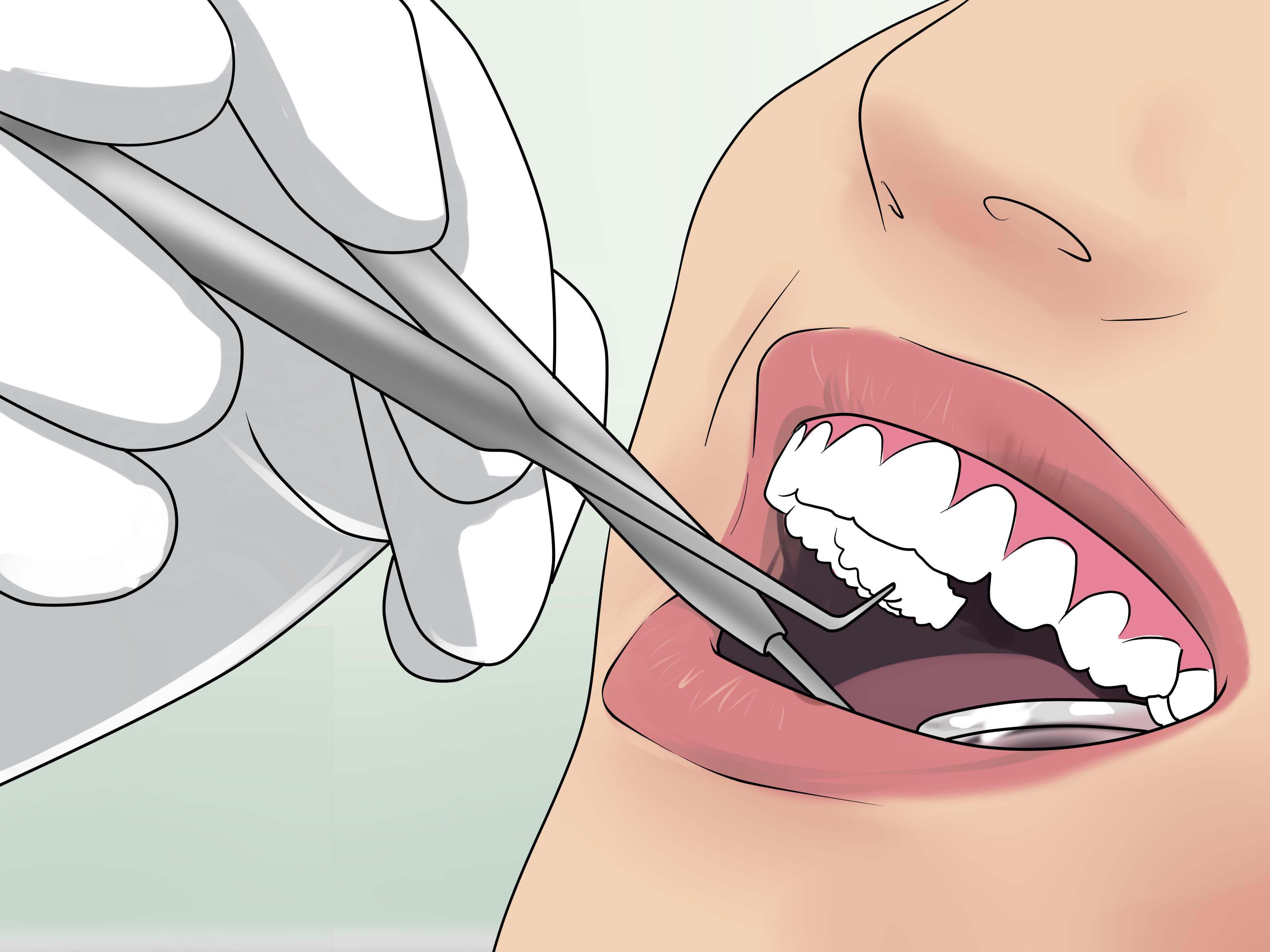
Home cleaning can reduce plaque and trapped food, but it cannot fix every partially erupted wisdom tooth. If symptoms last more than a couple of days, keep returning, or become severe, see a dentist or oral surgeon. Dental X-rays may be needed to see the tooth’s position, root development, and relationship to the second molar and jawbone.
Your dentist may clean under the gum flap, prescribe a medicated rinse, treat infection, monitor the tooth, remove the gum flap, or recommend wisdom tooth extraction. The right choice depends on your age, symptoms, tooth position, risk of decay, gum health, and whether the tooth can be maintained safely.
Warning Signs You Should Not Ignore
Some wisdom tooth symptoms need prompt care. Contact a dentist quickly if you notice severe pain, swelling around the jaw, pus, a bad taste that keeps returning, fever, swollen lymph nodes, bleeding that does not stop, or pain when biting. These can be signs of infection or worsening inflammation.
Seek urgent medical attention if you have trouble breathing, trouble swallowing, rapidly spreading facial swelling, drooling, or difficulty opening your mouth. Dental infections can spread beyond the tooth and become dangerous. It is always better to be the person who came in early than the person who tried to “wait it out” while their jaw staged a rebellion.
Common Mistakes When Cleaning Partially Erupted Wisdom Teeth
Using Sharp Objects
Never use pins, toothpicks, tweezers, or fingernails to dig under the gum. This can cut the tissue, worsen inflammation, and introduce bacteria.
Brushing Too Hard
Hard brushing can damage the gumline and make soreness worse. A soft brush and careful technique are more effective than pressure.
Ignoring Repeated Bad Breath or Bad Taste
Bad breath from a trapped food particle may improve after cleaning. A persistent bad taste, especially with pain or swelling, may signal infection.
Assuming Pain Is “Normal Wisdom Tooth Stuff”
Mild pressure during eruption can happen, but severe pain, pus, fever, or swelling is not something to casually add to your personality. Get it checked.
Should You Keep or Remove a Partially Erupted Wisdom Tooth?
Not every wisdom tooth must be removed. A fully erupted, healthy wisdom tooth that is positioned correctly and easy to clean may be monitored. However, a partially erupted tooth is more likely to cause trouble if it remains difficult to clean, repeatedly inflamed, decayed, or angled against neighboring teeth.
Dentists look at several factors before recommending removal. These include whether the tooth has enough room to erupt fully, whether it is causing pericoronitis, whether there is decay or gum disease, whether it affects the second molar, and whether future problems are likely. If your wisdom tooth is basically behaving like a tiny cave for bacteria, extraction may be the practical long-term solution.
Helpful Cleaning Tools to Keep Nearby
A good wisdom tooth cleaning kit does not need to be fancy. Start with a soft-bristled toothbrush, fluoride toothpaste, dental floss or floss picks, an interdental brush if recommended, and a water flosser if you can use it gently. Warm salt water is also useful after meals or when the gum feels irritated.
Keep your toothbrush clean and replace it every three to four months, or sooner if the bristles fray. A worn-out toothbrush is like a tired broom: technically present, but not doing its best work. If you have trouble reaching the area, ask your dentist or hygienist to demonstrate the best angle and tool for your mouth.
Real-Life Experiences: What Cleaning Partially Erupted Wisdom Teeth Feels Like
Many people first realize they have a partially erupted wisdom tooth because something feels “off” in the back of the mouth. It may start as mild pressure, then turn into gum tenderness after eating. A common experience is feeling like food is stuck behind the last molar, even after brushing. The person brushes again, rinses, checks the mirror, sees almost nothing, and begins the classic dental detective routine: “Is it a cavity? Is it my jaw? Did a tortilla chip betray me?”
One typical scenario involves a lower wisdom tooth covered partly by a gum flap. The person notices bad breath or a strange taste, especially in the morning. After meals, the gum feels puffy. When they finally use warm salt water and gently brush the area, a tiny piece of food may come out. The relief can be immediate, but if the pocket remains, the same problem may return after the next meal. This is why consistent cleaning matters, and also why repeated symptoms should be evaluated.
Another common experience is soreness from over-cleaning. Someone feels pain near the wisdom tooth and decides to attack the area with heroic enthusiasm. They brush too hard, floss aggressively, poke the gum flap, and rinse with strong mouthwash five times a day. By evening, the gum is more swollen than before. The lesson is simple: cleaning should be gentle and regular, not dramatic. Your mouth is not a dirty frying pan.
Some people find that a small-headed toothbrush changes everything. A standard brush may hit the cheek before reaching the back molar, while a compact brush can angle into the space more easily. Others prefer a water flosser on a low setting because it flushes out small debris without scraping the gum. The best tool is the one you can use safely and consistently.
There is also the “it got better, so I ignored it” experience. The gum swells for two days, salt water helps, and the pain disappears. A few weeks later, it returns. This cycle can happen when the gum flap remains over the tooth and keeps trapping bacteria. Temporary improvement does not always mean the underlying issue is gone. If flare-ups repeat, a dentist can determine whether professional cleaning, monitoring, gum flap removal, or extraction is the better long-term plan.
For many patients, the most helpful professional moment is seeing the X-ray. Suddenly, the weird pressure makes sense: the wisdom tooth may be angled forward, wedged under gum, or pressing toward the second molar. Once people understand the shape and position of the tooth, cleaning advice becomes more personalized. A hygienist may show exactly where plaque collects and which tool fits the space. That guidance can save a lot of guesswork and a surprising amount of mirror gymnastics.
The biggest takeaway from real-life experience is this: partially erupted wisdom teeth require a mix of good home care and honest monitoring. If the area stays calm, clean, and symptom-free, your dentist may simply keep an eye on it. If it keeps swelling, smelling, bleeding, or hurting, do not turn your bathroom sink into a dental clinic. Get help early. Future you, and your second molar, will be grateful.
Conclusion
Cleaning partially erupted wisdom teeth is all about gentle precision. Brush with a soft toothbrush, clean around the gumline, rinse after meals, floss the neighboring tooth, and use tools like interdental brushes or water flossers only when they fit safely. Warm salt water can help soothe irritation, but it is not a substitute for dental treatment when infection is present.
The most important rule is to watch your symptoms. A little awkwardness during eruption may be manageable, but severe pain, swelling, pus, fever, bad taste, jaw stiffness, or trouble swallowing should never be ignored. A partially erupted wisdom tooth can sometimes be maintained, but if it repeatedly traps bacteria or damages nearby teeth, professional treatment may be the healthiest solution.
In short, keep it clean, keep it gentle, and do not let a tiny gum flap become the villain origin story of your oral health.












