
Microfiber cloths are the overachievers of the cleaning world. They grab dust like it owes them money, polish glass to a smug shine, and somehow turn a spill into a “what spill?” moment. But there’s a catch: microfiber only works its magic when the tiny fibers stay clean, open, and unclogged. Treat them like regular laundry, and they’ll retaliate with lint, streaks, stiffness, and that mysterious “gym bag aura” you did not order.
This guide breaks down the best methods to wash microfiber cloths (and microfiber towels) so they stay soft, absorbent, and actually helpfulwithout turning your laundry room into a science experiment.
Why Microfiber Cloths Get “Bad” (and How Washing Fixes It)
Microfiber is usually a blend of synthetic fibers (often polyester and polyamide) split into ultra-fine strands. Those strands create tons of surface area and little “hooks” that trap dust, grease, and grime. That’s the superpower.
The villain is buildup. When microfiber gets coated with fabric softener, dryer sheets, heavy fragrances, waxes, oils, or detergent residue, those tiny spaces get clogged. The cloth may still look fine, but it stops grabbing dirt and starts pushing it around like a tiny janitor with a bad attitude.
The Golden Rules of Microfiber Care
Do this
- Wash microfiber separately from cotton towels, hoodies, and anything fluffy that sheds lint.
- Use a small amount of mild liquid detergent (ideally fragrance-free and dye-free).
- Choose warm or cool water and a gentle/normal cycle (check the tag if your cloths have one).
- Rinse well (an extra rinse is your microfiber’s love language).
- Dry low heat or air dry to protect the fibers.
Avoid this (unless you enjoy streaks and regret)
- Fabric softener (it coats fibers and kills absorbency).
- Dryer sheets (same problem, different aisle).
- Chlorine bleach (harsh on synthetic fibers and can shorten lifespan).
- Too much detergent (leftover suds = leftover residue).
- High heat drying (microfiber is synthetic; think “melty vibes,” not “toasty vibes”).
Method 1: Machine Washing Microfiber Cloths (Best for Most People)
If you use microfiber for everyday cleaningcounters, bathrooms, glass, dustingmachine washing is the easiest and most consistent method. The goal is simple: lift out grime without leaving anything behind.
Step 1: Sort like a grown-up (future you will be proud)
- Separate microfiber from lint-shedding fabrics (cotton towels, fleece, etc.).
- Sort by use if possible: kitchen grease cloths, bathroom cloths, glass cloths, and car detailing towels should not mingle.
- Shake out debris outdoors or over a trash can. Sand and grit love to hide in microfiber.
Step 2: Choose water temperature wisely
For most microfiber cloths, cool to warm water is the sweet spot. Warm helps dissolve oils; cooler temps reduce the risk of heat damage. If you’re washing microfiber used for heavy grease or automotive products, warm water usually performs better than cold.
Step 3: Pick the right detergent (and use less than you think)
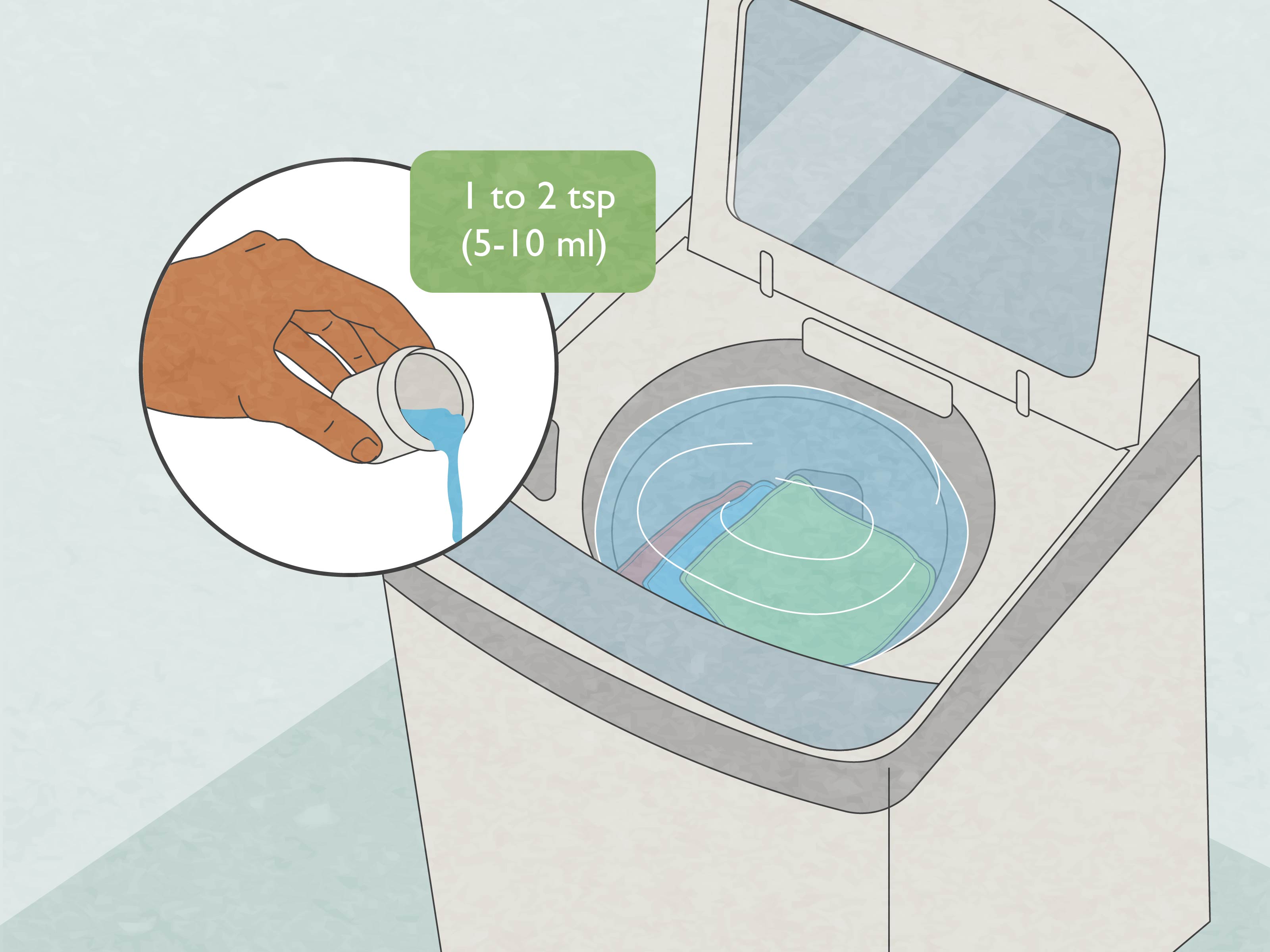
Use a mild liquid detergent. “Free & clear” types are great because they skip dyes, perfumes, and softening additives. Avoid powder detergents if they don’t dissolve well in your machineundissolved powder can cling to fibers.
Measurement tip: If your detergent cap has lines labeled “small/medium/large load,” microfiber is basically always a small. Microfiber is lightweight, and too much detergent is a classic way to create stiff, water-repellent cloths.
Step 4: Cycle settings that keep microfiber happy
- Cycle: Gentle or normal
- Spin: Medium is fine (super high spin can twist delicate weaves over time)
- Extra rinse: Highly recommended
Step 5: Dry correctly
Air drying is the safest option. If you use a dryer, choose low heat (or “air fluff”/no heat). And absolutely skip dryer sheets. If you want softness, use clean dryer balls instead.
Method 2: Hand Washing Microfiber Cloths (Best for Small Loads or Delicate Weaves)
Hand washing is perfect when you only have a few cloths, you’re traveling, or you’re dealing with a specialty microfiber (like a super-plush detailing towel or a glass-polishing weave you baby like a houseplant).
Hand-wash steps
- Fill a sink or bucket with cool to warm water.
- Add a few drops of mild liquid detergent and swish.
- Submerge cloths and agitate gently for 30–60 seconds.
- Let soak for 10–15 minutes if they’re grimy or smelly.
- Rinse thoroughly until the water runs clear and the cloth feels “squeaky clean,” not slick.
- Wring gently (don’t twist aggressively), then air dry.
Method 3: The Deep-Clean “Reset” for Stiff, Smelly, or Streaky Microfiber
Sometimes microfiber gets “loaded” with residuetoo much detergent, hard water minerals, kitchen grease, or cleaning product buildup. When that happens, regular washing may not fully restore performance. Try a reset.
Reset option A: Extra rinse + minimalist wash
- Run an empty rinse cycle in the washer first if you suspect detergent buildup in the machine.
- Wash microfiber with warm water and half your usual detergent amount.
- Add an extra rinse.
- Air dry or dry on low heat.
Reset option B: Occasional vinegar rinse (use sparingly)
White vinegar can help cut odors and loosen residue. However, it’s best as an occasional helper, not a daily habit, because frequent vinegar use may be hard on some washing machine components over time.
- Wash microfiber normally with mild detergent (use less than usual).
- Run a second rinse cycle with 1/2 to 1 cup of white vinegar in the rinse compartment (or added carefully during rinse).
- Finish with an additional rinse if the cloths still feel slick.
Reset option C: Baking soda boost (for odors)
For stubborn funk, a small amount of baking soda in the wash can help deodorize. Don’t go overboardtoo much can leave grit behind if it doesn’t dissolve well. If your machine struggles with powders, dissolve it in warm water first.
Special Situations: How to Remove Grease, Wax, and “Why Is My Cloth Repelling Water?”
Kitchen grease (stove tops, range hoods, air fryer aftermath)
- Pre-rinse the cloth under warm running water.
- Spot-treat with a tiny drop of degreaasing dish soap on the worst areas.
- Wash warm with mild detergent and an extra rinse.
Automotive waxes, sealants, and oily detailing products
Car microfiber towels get coated in hydrophobic products that are literally designed to repel water. That means you often need a pre-soak before washingespecially for plush towels used to remove wax or sealant.
- Soak towels in a bucket of warm water with a microfiber-specific detergent (or a small amount of mild liquid detergent) for 30–60 minutes.
- For very loaded towels, extend the soak and agitate occasionally.
- Machine wash warm, extra rinse, low-heat dry.
Glass cloths that leave streaks
- Skip fabric softener and dryer sheets entirely.
- Use less detergent, add an extra rinse, and dry low/air dry.
- If you use spray glass cleaners often, consider a periodic reset wash to remove cleaner residue.
Microfiber that feels “crunchy”
Crunchy cloths usually mean residue (detergent, minerals, or product buildup). A reset wash plus thorough rinsing is the fix. Also check your drying heathigh heat can make fibers feel stiff and less plush.
Drying Microfiber Cloths Without Ruining Them
Drying is where a lot of microfiber goes to retire early. Heat and coatings are the big enemies, so keep it simple.
Best drying options
- Air dry: Zero risk, maximum longevity.
- Machine dry low: Works well if you avoid dryer sheets and don’t overheat.
- No-heat “air fluff”: Great compromise when you want faster drying without heat exposure.
What not to do
- No dryer sheets. They leave residue that kills absorbency and can cause streaking.
- No high heat. Microfiber is synthetic and can be damaged by excessive heat.
- No ironing. That’s basically asking plastic fibers to do a talent show they didn’t rehearse for.
Storage Tips: Keep Clean Microfiber Actually Clean
If you wash microfiber perfectly and then toss it into a dusty junk drawer next to a linty candle and a rogue rubber band, the cloth will come out looking like it lost a bet.
- Store microfiber in a sealed bin or clean cabinet.
- Consider color-coding: one color for glass, one for kitchen, one for bathrooms, one for cars.
- Keep the “nice” cloths away from anything that sheds lint.
Troubleshooting: Common Microfiber Problems (and Fixes)
Problem: My microfiber cloth attracts lint like a magnet
- Wash microfiber separately from cotton.
- Clean your washer/dryer lint traps and drums.
- Use a lint roller on dry cloths if needed (especially for glass cloths).
Problem: The cloth smells even after washing
- Use less detergent and add an extra rinse.
- Don’t leave wet microfiber sitting in the washer (mildew moves in fast).
- Try an occasional reset wash (vinegar rinse or a deodorizing boost).
Problem: The cloth won’t absorb water anymore
- Fabric softener/dryer sheets are the usual suspectsstop using them.
- Reduce detergent, run a reset wash, and rinse thoroughly.
- For detailing towels: pre-soak to remove waxes/sealants before machine washing.
Problem: I’m worried my cloth might scratch surfaces
Microfiber can scratch if it’s contaminated with grit. Always shake out debris, rinse heavily soiled cloths first, and retire any cloth that’s picked up sand, metal shavings, or mystery crumbs from the car floor.
FAQ: Quick Answers People Google at 1:12 AM
Can I wash microfiber cloths with regular towels?
It’s better not to. Cotton towels shed lint, and microfiber grabs lint like it’s collecting it for a scrapbook.
Can I use vinegar every time I wash microfiber?
Occasional use can help with residue and odors, but routine vinegar use isn’t ideal for every machine. Use it sparingly, and focus on good fundamentals: mild detergent, less soap, and better rinsing.
How often should I wash microfiber cloths?
If a cloth touched grease, bathrooms, or anything grittywash it after use. For light dusting, you can sometimes get a couple uses, but don’t push it until it smells like consequences.
Is bleach ever okay?
Avoid chlorine bleach. If you need extra cleaning power, choose gentler options (better rinsing, pre-soaking, or a microfiber-safe booster) and follow the cloth’s care label if available.
Conclusion: Keep Microfiber Soft, Grippy, and Ready to Work
The best way to clean microfiber cloths is surprisingly low-drama: wash them separately, use a mild detergent (and not much of it), rinse well, and dry gently. Skip fabric softener and dryer sheets entirely. For heavy grime, pre-soak and reset-wash when needed. Do that, and your microfiber will stay absorbent, lint-free, and streak-resistantbasically the cleaning sidekick you thought you bought in the first place.
Extra: Real-World Experiences and “Oops Lessons” That Make You Better at Microfiber
People usually don’t become microfiber experts because they read one perfect set of instructions and nailed it forever. They become microfiber experts the same way you become good at grilling or parallel parking: through a few memorable mistakes you never want to repeat. Here are the most common “experience-based” lessons that show up again and again in homes, garages, and cleaning caddies everywhere.
First, nearly everyone has a “fabric softener incident.” It’s often accidentalsomeone tosses microfiber in with the family towels, adds softener out of habit, and boom: the cloths come out feeling fluffy… and then refuse to absorb water. It’s a rude magic trick. The fix usually isn’t one more wash with more detergent (that just adds residue). The fix is patience: wash with minimal detergent, run extra rinses, and give the cloths time to release that coating. Some cloths recover. Some are “demoted” to jobs where absorbency doesn’t matter, like dry dusting or wiping up non-greasy messes.
Second, there’s the “lint magnet phase.” This happens when microfiber gets washed with cotton once, or stored somewhere dusty, or dried next to a linty load. Then the cloth comes out looking like it adopted three cats. The trick is prevention (wash separately), but the recovery move is mechanical: shake it out hard, use a lint roller, or even vacuum the cloth with a brush attachment. It feels silly, but it worksespecially for glass microfiber cloths that have to be pristine to avoid streaks.
Third, anyone who uses microfiber in the kitchen learns that grease is a different beast. A cloth used to wipe a range hood or fry-splatter backsplash might look “clean” after a quick wash, but it can still hold oil in the fibers. The next time you use it, it smears instead of cleans. This is where pre-rinsing and spot-treating shine. A tiny amount of degreasing dish soap on the worst areas before washing can make the difference between “clean cloth” and “grease paint brush.”
Fourth, car folks learn the hydrophobic reality check: towels used with waxes and sealants can start repelling water like they’re wearing a rain jacket. The first instinct is often to blast them with hot water and lots of detergent. But heavy detergent can leave residue, and high heat can damage fibers. The more effective approach tends to be a soak (to loosen the product), then a warm wash, then a thorough rinse. People who separate “paint towels” from “dirty jobs towels” (wheels, exhaust tips, door jambs) usually keep their microfiber performing far longer because they’re not cross-contaminating the good stuff with grit and brake dust.
Fifth, there’s the “left it in the washer overnight” confession. Microfiber holds moisture, and moisture plus time can create odors fast. The lesson: treat microfiber like a damp swimsuitget it dry quickly. If you can’t switch loads immediately, at least crack the washer door or plan to run a short rinse before drying. A small habit change prevents a lot of “why does this smell like a locker room?” moments.
Finally, experienced microfiber users tend to simplify their system: fewer products, fewer additives, and more consistency. Mild detergent, separate loads, extra rinse, low-heat dry, clean storage. It’s not glamorous, but it’s exactly why their cloths keep working like new while everyone else is out here wondering why their “microfiber” behaves like a soggy paper towel with commitment issues.












