
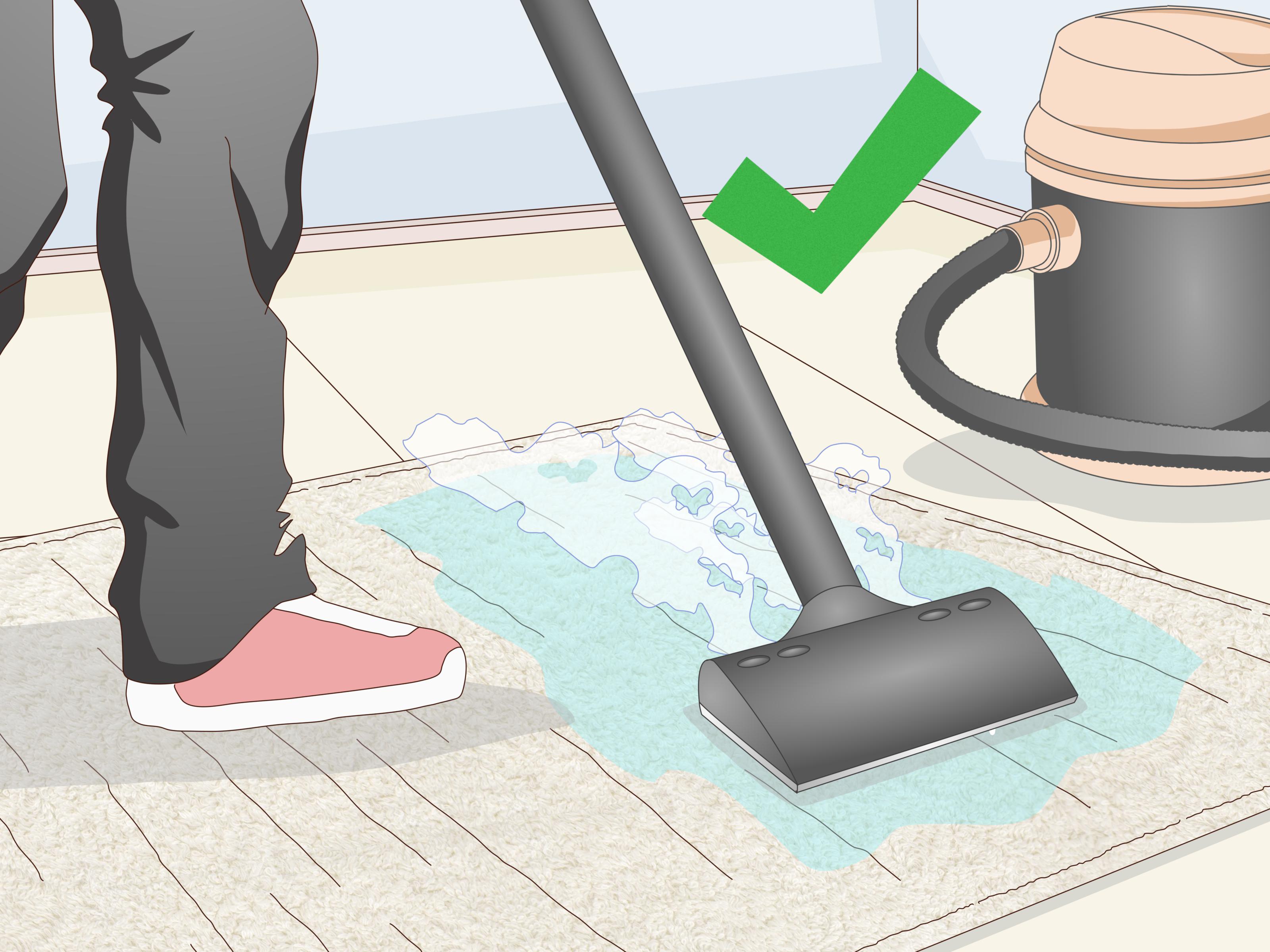
Note: This article is written for web publishing and is based on real wool carpet care practices: gentle vacuuming, quick spill response, wool-safe cleaning products, minimal moisture, and careful drying.
Wool carpet is the fancy sweater of the flooring world. It is warm, naturally resilient, beautiful underfoot, and very capable of making a room look as if an interior designer just wandered through with excellent taste and a clipboard. But like a fancy sweater, wool does not appreciate harsh treatment. Hot water, bleach, aggressive scrubbing, and mystery cleaning potions from the back of the cabinet are not its friends.
The good news? Learning how to clean a wool carpet is not complicated. The secret is to treat wool like a natural fiber, not like a plastic doormat that has seen three tailgate parties and survived. Wool has natural soil resistance, but dirt can still grind into the fibers. Spills can still stain. Moisture can linger. And if you overdo the cleaning, the carpet may reward you with shrinkage, browning, fuzzing, or that sad, matted look nobody asked for.
This guide walks you through 13 practical steps to clean a wool carpet safely, from everyday maintenance to spot cleaning and deeper refreshing. You will also find common mistakes, stain examples, drying advice, and real-life experience tips at the endbecause carpet care always sounds easier until a cup of coffee makes a dramatic entrance.
Why Wool Carpet Needs Special Care
Wool is a natural protein fiber. That makes it strong, springy, and naturally luxurious, but also sensitive to high heat, high alkalinity, bleach, and rough agitation. Synthetic carpets often tolerate stronger cleaners and more aggressive machine cleaning. Wool does not love that lifestyle. It prefers mild, pH-neutral or wool-safe detergents, cool to lukewarm water, and a calm, respectful hand.
Another important detail: wool is absorbent. If you soak a wool carpet, it can take a long time to dry. That delay may lead to odors, browning, mildew risk, or damage to the backing. So when cleaning wool carpet at home, the goal is not “more water equals cleaner.” The goal is “just enough moisture to lift soil, then dry it fast.” Think spa day, not swimming lesson.
What You Need Before Cleaning a Wool Carpet
Before you begin, gather your tools. Having everything nearby helps you respond quickly and prevents the classic household cleaning tragedy: walking away to find a towel and returning to discover the stain has moved in permanently.
Supplies
- Vacuum with adjustable suction or a suction-only setting
- Clean white microfiber cloths or white cotton towels
- Paper towels for fresh spills
- Soft-bristle brush or clean sponge
- Wool-safe carpet cleaner or mild pH-neutral detergent
- Cool or lukewarm water
- Spray bottle for light rinsing
- Bucket for mixing cleaning solution
- Dry towels for blotting
- Fan for faster drying
- Optional: baking soda for dry deodorizing
Products to Avoid
Do not use chlorine bleach, oxygen bleach powders, ammonia, strong alkaline cleaners, laundry detergent, automatic dishwasher detergent, harsh stain removers, steam mops, or very hot water on wool carpet. These can discolor, weaken, shrink, or distort wool fibers. If a cleaner does not clearly say it is safe for wool, treat it like a suspicious casserole at a potluck: proceed carefully, or not at all.
How to Clean a Wool Carpet: 13 Steps
Step 1: Read the Manufacturer’s Care Label
Start with the carpet label, rug tag, warranty guide, or manufacturer’s website. Some wool carpets are hand-tufted, some are woven, some have special backing, and some include blends. The care instructions may tell you whether water-based cleaning is safe, whether professional cleaning is recommended, and which products to avoid.
If the carpet is antique, handmade, heavily dyed, silk-blend, or very expensive, call a professional rug cleaner instead of experimenting. A small cleaning bill is much happier than a large regret bill.
Step 2: Remove Furniture and Loose Items
Move chairs, small tables, toys, baskets, shoes, and anything else sitting on the carpet. If large furniture cannot be moved, place protective pads or foil under the legs so moisture does not transfer wood stain or rust onto the wool. This is especially important if you plan to clean a larger section rather than one tiny spot.
Step 3: Vacuum Slowly and Thoroughly
Vacuuming is the most underrated part of wool carpet cleaning. Dry soil acts like sandpaper. Every step pushes grit deeper into the pile, where it can wear fibers over time. Vacuum slowly in overlapping passes, especially in high-traffic areas near doors, sofas, hallways, and that mysterious snack zone in front of the TV.
Use suction-only or adjust the brush roll height so it does not aggressively beat the wool. Some wool carpets tolerate a rotating brush when properly adjusted, while looped or delicate wool may fuzz or snag. When in doubt, use suction and patience. Patience is not glamorous, but neither is a bald patch in the carpet.
Step 4: Shake or Beat Small Wool Rugs Outdoors
If your wool carpet is actually a removable area rug, take it outside and shake it gently. For larger rugs, hang them over a sturdy railing and tap the back with a rug beater or clean broom. Do not attack it like you are auditioning for a medieval battle scene. Gentle tapping loosens dust without stressing the fibers.
Step 5: Test for Colorfastness
Before applying any cleaner, test an inconspicuous area. Mix your wool-safe cleaner according to the label, dampen a white cloth, and press it onto a hidden corner for several seconds. Check the cloth for dye transfer and inspect the carpet after it dries. If color bleeds, fades, or changes, stop and contact a professional.
This step is especially important for patterned rugs, bright dyes, vintage carpets, and handmade wool pieces. Skipping the test is a little like cutting your own bangs at midnight: technically possible, but history has opinions.
Step 6: Blot Fresh Spills Immediately
For liquid spills, blot with a clean white towel or paper towel as soon as possible. Press down firmly, lift, and repeat with a dry section of the towel. Do not rub. Rubbing spreads the spill, pushes it deeper, and can distort the wool pile.
For thick spills such as sauce, yogurt, or mud, lift solids first with a spoon, spatula, or dull knife. Work from the outside edge toward the center so the mess does not expand. If the spill is mud, let it dry before vacuuming it up. Wet mud loves to smear; dry mud is far easier to remove.
Step 7: Mix a Wool-Safe Cleaning Solution
Use cool or lukewarm water and a wool-safe detergent. Follow the product label carefully. More detergent does not mean more cleaning power. It usually means more residue, faster resoiling, and a carpet that feels slightly sticky. That is not “extra clean.” That is detergent refusing to leave the party.
If you do not have a wool-safe carpet shampoo, use a very small amount of mild pH-neutral detergent only after testing. Avoid dish soap unless it is extremely diluted and confirmed safe for wool, because some formulas are too strong or leave residue. For wool carpet, gentle and minimal wins.
Step 8: Clean in Small Sections
For general cleaning, work in small sectionsabout three feet by three feet. Lightly dampen a sponge or cloth with the cleaning solution, then gently wipe or dab the carpet. Avoid soaking the fibers. The carpet should be slightly damp, not wet enough to make squishing sounds under your hand.
Move with the direction of the pile when possible. Use gentle pressure. If you need more cleaning action, repeat lightly instead of scrubbing harder. Wool fibers can felt, fuzz, or distort when handled aggressively.
Step 9: Spot Treat Stains Carefully
Different stains need different levels of attention, but the basic wool-safe approach is consistent: remove excess, blot, apply a small amount of cleaner, blot again, rinse lightly, and dry quickly.
For coffee or tea, blot immediately, then apply a wool-safe cleaner with a white cloth. For pet accidents, absorb as much moisture as possible first and use a product labeled safe for wool. For greasy spots, use a wool-safe spotter and avoid flooding the area. For unknown stains, begin with plain cool water and blotting before reaching for stronger solutions.
Never mix random cleaning chemicals. Also avoid using vinegar, peroxide, or baking soda paste on valuable wool carpet unless the manufacturer or a professional cleaner confirms it is safe. These household ingredients can help in some situations, but wool dyes and finishes vary. The carpet does not care that the internet sounded confident.
Step 10: Rinse Lightly to Remove Residue
After cleaning, rinse the area with a cloth dampened in clean cool water or use a spray bottle to mist lightly. Then blot with a dry towel. The goal is to remove detergent residue without overwetting the carpet. Leftover soap attracts soil, which makes the cleaned spot look dirty again faster than the rest of the carpet.
If you have ever cleaned one spot and later noticed a mysterious gray circle, residue or slow drying may be the culprit. Rinse lightly, blot thoroughly, and dry fast.
Step 11: Blot Until Almost Dry
Place a clean dry towel over the cleaned area and press firmly. You can stand on the towel with clean socks to absorb more moisture. Replace the towel as it becomes damp. Keep blotting until the carpet feels only slightly moist.
Do not wring, twist, or aggressively brush wool carpet. If the pile looks uneven after cleaning, wait until it is fully dry, then vacuum gently or groom it with a soft brush in the direction of the fibers.
Step 12: Dry the Carpet Quickly
Fast drying is one of the most important parts of cleaning wool carpet. Open windows if the weather is dry, run a fan, and improve air circulation. Avoid direct high heat from heaters, hair dryers, or steam devices. Heat can shrink or damage wool.
Keep people and pets off the carpet until it is completely dry. Walking on damp wool can flatten the pile and transfer soil. If you cleaned a rug, lay it flat to dry and avoid direct sunlight for long periods, which may fade colors.
Step 13: Vacuum Again After Drying
Once the carpet is fully dry, vacuum it gently. This lifts the pile, removes loosened particles, and helps the carpet look even again. If any stain remains, repeat a gentle spot treatment or call a professional. Do not keep soaking and scrubbing the same area. Wool has boundaries, and it deserves them.
How Often Should You Clean a Wool Carpet?
Vacuum high-traffic wool carpet at least two to three times per week, and vacuum lower-traffic areas weekly. Homes with pets, children, dusty shoes, or enthusiastic snackers may need more frequent vacuuming. Spot clean spills immediately. For deeper cleaning, many carpets benefit from professional cleaning every 12 to 18 months, depending on use, soil level, and manufacturer recommendations.
Professional cleaning is especially smart for wall-to-wall wool carpet, large rugs, antique rugs, pet odor problems, water damage, and stains that keep returning. A trained cleaner can control moisture, use wool-safe chemistry, rinse properly, and dry the carpet faster than most home setups.
Common Wool Carpet Cleaning Mistakes
Using Too Much Water
Overwetting is one of the fastest ways to create trouble. Wool absorbs moisture, and wet backing can dry slowly. This may cause browning, odor, mildew concerns, or shape changes in rugs. Use light moisture and lots of blotting.
Scrubbing Like You Are Cleaning Tile
Tile enjoys a firm scrub. Wool carpet does not. Aggressive scrubbing can fuzz the fibers, distort the pile, and make the cleaned spot more visible. Dab, blot, and gently wipe instead.
Using Hot Water or Steam
Hot water and steam may damage wool, especially if the carpet is delicate, dyed, or backed with materials that react poorly to moisture and heat. Stick with cool or lukewarm water unless a manufacturer specifically says otherwise.
Skipping the Spot Test
A cleaner that works beautifully on one wool carpet may cause dye bleeding on another. Always test first. Your future self will be grateful, possibly with applause.
Leaving Soap Behind
Soap residue attracts dirt. If a cleaned area gets dirty again quickly, residue may be the reason. Light rinsing and thorough blotting help prevent that problem.
Can You Use Baking Soda on Wool Carpet?
Baking soda can be used carefully as a dry deodorizer on some wool carpets. Sprinkle a light layer, let it sit briefly, and vacuum thoroughly. However, do not grind baking soda deep into the pile or leave heavy amounts behind. Fine powder can be difficult to remove and may irritate some vacuum filters.
Avoid wet baking soda pastes on valuable wool carpet unless you have tested first. A paste can leave residue, affect dyes, or make rinsing difficult. For odor problems that survive vacuuming and light deodorizing, professional cleaning is usually the better move.
Can You Use a Carpet Cleaner Machine on Wool Carpet?
Sometimes, but be careful. Many consumer carpet cleaners use too much water, too much agitation, or cleaning formulas not designed for wool. Before using any machine, read the carpet label, machine manual, and cleaning solution label. Use wool-safe formula only, avoid high heat, do not overwet, and make extra dry passes.
For antique, handmade, delicate, or high-value wool rugs, professional cleaning is safer. For wall-to-wall wool carpet, hiring a professional who understands wool is often the best choice.
of Real-Life Experience: What Cleaning Wool Carpet Teaches You
The first thing you learn when cleaning wool carpet is that speed matters, but panic does not. A fresh spill is much easier to handle than an old stain, yet frantic scrubbing usually makes things worse. The best move is boring but effective: grab a clean white towel, blot slowly, and keep changing to a dry section. It feels almost too simple, like the carpet should demand a more dramatic rescue operation. But wool rewards calm behavior.
Another experience many homeowners discover is that vacuuming makes a bigger difference than expected. A wool carpet can look clean while hiding gritty soil near the base of the fibers. After a slow vacuuming session, especially in high-traffic lanes, the carpet often looks brighter before any wet cleaning begins. This is why routine maintenance matters. Waiting until the carpet looks dirty means the soil has already had time to settle in and throw a small underground party.
One practical example: imagine a living room wool carpet near the front door. People step inside, promise they wiped their shoes, and then the carpet quietly collects dust, grit, and outdoor debris anyway. If that area is vacuumed only once in a while, the traffic lane starts looking dull. But when it is vacuumed several times per week with slow passes, the fibers stay livelier. The carpet does not need heroic deep cleaning as often because daily soil never gets a comfortable lease.
Spill cleaning teaches another lesson: white towels are worth keeping around. Colored towels can transfer dye, and old printed rags are risky. A stack of plain white cloths makes stain response easier and safer. When coffee, juice, or pet accidents happen, you do not want to debate whether the red towel from the garage is about to create a second stain. Wool carpet already has enough drama.
Homeowners also learn that “a little cleaner” is usually better than “a lot of cleaner.” The temptation is understandable. If one teaspoon works, surely three teaspoons will work like a cleaning superhero. Unfortunately, extra detergent often leaves residue. The spot may look fine at first, then slowly attract dirt and reappear like a sequel nobody requested. Light cleaning solution, light rinsing, and strong blotting are more reliable.
Drying is another underrated experience. A carpet may feel dry on the surface while moisture remains lower in the pile. Using a fan, opening windows on a dry day, and keeping foot traffic away can make a huge difference. If a cleaned spot develops a musty smell, it was probably too wet for too long. Wool likes freshness, not swamp conditions.
Finally, cleaning wool carpet teaches humility. Some stains are not DIY-friendly. Some dyes are not stable. Some rugs are too valuable for experiments. Knowing when to call a professional is not failure; it is wisdom wearing clean socks. The best wool carpet care routine is a balance: vacuum often, treat spills quickly, clean gently, dry thoroughly, and bring in expert help when the situation looks bigger than a towel and a bucket.
Conclusion
Cleaning a wool carpet is less about force and more about finesse. Vacuum regularly, respond to spills immediately, use wool-safe products, avoid harsh chemicals, keep moisture under control, and dry the carpet quickly. These habits protect the natural beauty, softness, and durability that make wool such a beloved flooring choice.
If you remember only one rule, make it this: wool carpet likes gentle care. Treat it well, and it can keep your room looking warm, polished, and quietly expensive for years. Treat it like a garage floor, and it may file a complaint in the form of fuzz, stains, or shrinkage.













