
A freshly circumcised penis can look surprisingly dramatic for such a small surgical site. Redness, swelling, a yellowish film, and a very unhappy reaction to diaper changes may leave parents wondering whether they are cleaning it correctlyor accidentally preparing it for a medical documentary.
Fortunately, circumcision aftercare is usually straightforward. The main goals are to keep the area gently clean, prevent the healing surface from sticking to a diaper or dressing, and recognize warning signs early. Gentle is the key word. This is wound care, not a cookware-scrubbing challenge.
What Should a Healing Circumcision Look Like?
During the first several days, the head of the penis may appear red, tender, swollen, bruised, or slightly discolored. A thin yellow or off-white coating can develop over the healing surface. This is commonly part of normal healing and should not automatically be mistaken for pus or infection. Newborn circumcisions often heal within approximately seven to 10 days, although some instructions allow closer to two weeks. Older children and adolescents may need several weeks.
A tiny spot of blood on the diaper or dressing may occur, especially soon after the procedure. Active bleeding, spreading redness, worsening swelling, foul-smelling drainage, difficulty urinating, or a concerning change in the color of the penis is not routine and should be evaluated promptly.
Supplies You May Need
- Warm water
- A clean squeeze bottle, cup, or soft washcloth
- Clean gauze pads, if recommended
- Plain petroleum jelly or a prescribed ointment
- Fresh diapers or loose, clean underwear
- Fragrance-free mild soap, only when approved
- A clean towel for gentle patting
Avoid improvising with alcohol, hydrogen peroxide, scented lotion, talcum powder, essential oils, or leftover antibiotic creams. A healing circumcision is not the place to test the contents of the bathroom cabinet.
How to Clean a Circumcision in 15 Steps
-
1. Identify Which Circumcision Method Was Used
Before cleaning anything, confirm whether the procedure involved a clamp incision, a Plastibell ring, or stitches. The discharge paperwork should state the technique and explain when to remove a dressing, whether to use ointment, and when bathing is permitted.
A Plastibell is a small plastic ring that remains attached temporarily and falls off on its own. Do not treat it like an ordinary bandage. Clamp circumcisions commonly leave an exposed healing surface, while circumcisions performed on older children or adults may have dissolvable stitches.
-
2. Follow the Discharge Instructions First
Hospitals do not always provide identical instructions. One medical center may recommend sponge baths temporarily, while another may allow bathing after 24 or 48 hours. Some clinicians advise petroleum jelly with every diaper change; others provide a prescription ointment or specific dressing.
These differences often reflect the technique used and the surgeon’s preferences. Do not replace individualized instructions with a generic online timetable. When the paperwork is unclear, call the medical office rather than conducting a tiny home experiment.
-
3. Gather Everything Before Starting
Place the water, clean diaper, ointment, gauze, and towel within reach before opening the diaper or removing underwear. This is especially important with a newborn, who may choose that exact moment to wiggle, urinate, or launch a surprise bowel movement.
Having supplies ready shortens the time the wound is exposed and prevents you from leaving a baby unattended on a changing surface.
-
4. Wash and Dry Your Hands
Wash your hands thoroughly with soap and running water before touching the healing area, ointment tube, gauze, or dressing. Dry them on a clean towel.
Repeat handwashing when you finish. Good hand hygiene reduces the chance of transferring germs to a surgical wound, especially after handling a soiled diaper.
-
5. Position the Baby or Patient Safely
Place a baby on a flat, secure changing surface and keep one hand nearby throughout the process. For an older child, help them lie or stand in a comfortable position without placing pressure on the penis. Adults can usually clean the area while showering or while standing near a sink, depending on their surgeon’s instructions.
Use good lighting. You need to see the incision clearly enough to check for bleeding, swelling, drainage, or displacement of a Plastibell ring.
-
6. Inspect the Area Before Cleaning
Take a brief look before applying water. Note the amount of redness, swelling, bruising, drainage, and blood. Check whether the penis is becoming more swollen than it was earlier and whether the tip has a healthy pink or reddish color.
A thin yellow healing layer is often normal. Thick pus, a bad smell, redness spreading onto the shaft or surrounding skin, or skin that appears dark blue, gray, or black requires medical advice.
-
7. Remove a Loose Dressing Gently
If gauze has fallen off naturally, do not panic. Some pediatricians recommend replacing it, while others advise leaving the penis uncovered and applying petroleum jelly. Follow the instructions you received.
Never pull off gauze that is stuck to the wound. Soften it with warm water or use the removal method provided by the clinician. Tugging a dry dressing can reopen delicate tissue and cause bleeding.
If a Plastibell ring is present, do not pull, twist, cut, or attempt to remove it yourself. The ring is designed to separate naturally. Call the clinician if it slips down the shaft, appears embedded, causes marked swelling, or remains attached beyond the timeframe specified in the discharge instructions.
-
8. Rinse Away Urine or Stool With Warm Water
Plain warm water is generally the safest cleaning tool. Pour or gently squeeze water over the penis rather than rubbing it. Clean the site whenever stool contaminates it and at least as often as the medical team recommends.
A peri bottle, clean squeeze bottle, or small cup can make rinsing easier. The water should feel comfortably warm, not hot. Johns Hopkins recommends cleaning with plain water at least daily and whenever the area becomes dirty after a bowel movement.
-
9. Use Soap Only When Recommended
Some medical instructions allow gentle cleaning with warm water and mild soap, while others recommend water alone during the earliest healing period. When soap is permitted, choose a mild, fragrance-free product and use a very small amount.
Do not apply soap directly to raw tissue, work it into the incision, or leave residue behind. Rinse thoroughly. Nationwide Children’s provides technique-specific instructions that may include gentle soap-and-water cleaning for a Plastibell, illustrating why the procedure-specific discharge sheet matters.
-
10. Avoid Scrubbing, Picking, and Baby Wipes
Do not scrub the penis with a washcloth, cotton swab, or gauze pad. Do not peel away the yellow healing film, pick at a crust, or attempt to “clean” between stitches. Those materials protect developing tissue and usually disappear as the incision heals.
Commercial baby wipes may contain fragrances, preservatives, or alcohol that can sting the surgical site. Several pediatric care instructions recommend rinsing with water instead of wiping the healing penis.
-
11. Pat the Area Dry
Allow excess water to run off, then gently pat the surrounding skin with a clean, soft towel or gauze. Do not rub the incision. A short period of air-drying is also reasonable when it can be done safely.
The goal is not to make the wound bone-dry. It is simply to prevent prolonged dampness and prepare the area for any recommended ointment or dressing.
-
12. Apply Petroleum Jelly or Prescribed Ointment
For many newborn clamp circumcisions, a generous dab of plain petroleum jelly is applied to the head of the penis, the circumcision line, the gauze, or the front of the diaper. This creates a barrier that helps prevent the healing surface from sticking painfully to fabric.
Use antibiotic ointment only when the healthcare professional specifically recommends or prescribes it. Do not assume “antibiotic” automatically means “better.” Some products can irritate sensitive skin.
Plastibell instructions vary. Some clinicians recommend petroleum jelly or antibiotic ointment around the tip; others use a different routine. Follow the instructions for that particular ring.
-
13. Replace Gauze Only If Directed
If the clinician wants the incision covered, place clean gauze loosely over the area after applying ointment. Do not wrap it tightly. A tight dressing can place pressure on swollen tissue or interfere with circulation.
If you were told to leave the penis uncovered, apply the barrier ointment and proceed with a clean diaper or loose underwear. HealthyChildren notes that pediatricians differ on whether a dressing should remain in place, but keeping the site clean remains essential.
-
14. Fasten the Diaper or Underwear Loosely
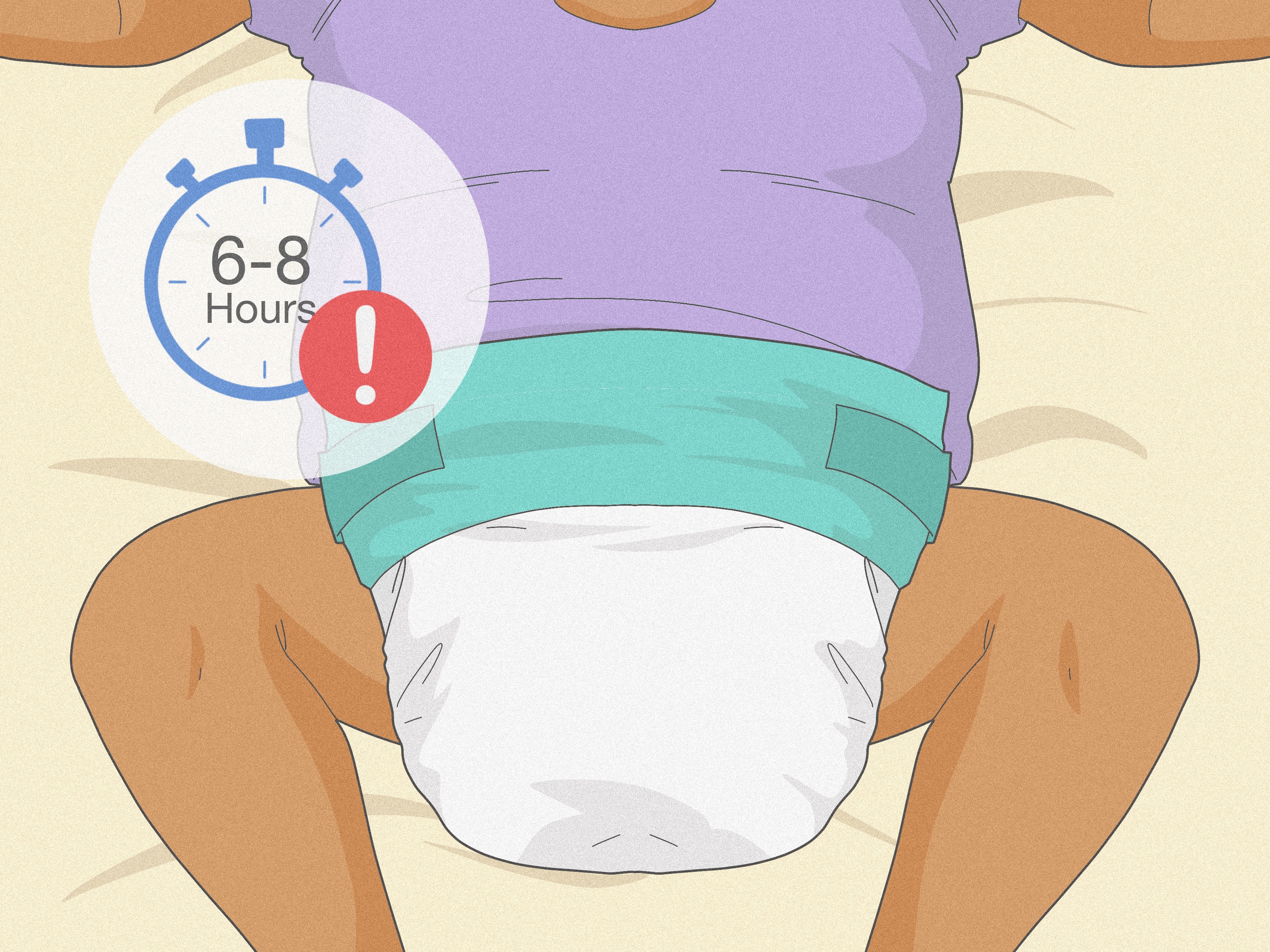
Use a clean diaper after every change and fasten it slightly looser than usual to reduce friction. Change wet or dirty diapers promptly so urine and stool do not sit against the incision.
Older children should wear loose, breathable underwear and clothing. Avoid tight waistbands and activities that place direct pressure on the penis, such as riding bicycles, rocking toys, or straddle toys, until the surgeon allows them.
-
15. Monitor Urination and Healing After Every Cleaning
Confirm that the baby or patient can urinate. Track whether the swelling, redness, pain, and drainage are gradually improving rather than worsening. A quick daily photograph for private reference may help caregivers compare changes, but it should never delay medical evaluation when something appears wrong.
Contact the clinician promptly for persistent bleeding, spreading redness, worsening swelling, foul-smelling drainage, uncontrolled pain, difficulty urinating, unusual discoloration, or a displaced Plastibell. A baby younger than three months with a temperature of 100.4°F (38°C) or higher needs immediate medical evaluation.
How Often Should You Clean a Circumcision?
For a newborn, inspect the site during every diaper change. Rinse it whenever stool reaches the penis and clean it according to the schedule provided by the medical team. Petroleum jelly is commonly reapplied with each diaper change after a clamp circumcision. Frequent diaper changes reduce exposure to moisture, stool, and friction.
Do not assume more cleaning produces faster healing. Repeated scrubbing and aggressive washing can irritate the wound. The best routine is regular, gentle, and almost impressively boring.
Bathing After Circumcision
Bathing recommendations depend on the child’s age, umbilical cord status, surgical method, and clinician’s preferences. Some pediatric hospitals recommend sponge bathing for the first day or two. Others permit a bath or shower after 24 hours. Newborns whose umbilical cords remain attached are commonly given sponge baths regardless of circumcision care.
When bathing is allowed, use comfortably warm water. Do not scrub the penis, aim a forceful shower stream at it, or soak it longer than advised. Pat the area dry afterward and reapply the recommended ointment.
When to Call a Doctor
Call the pediatrician, surgeon, or urgent medical service when you notice any of the following:
- Bleeding that continues after several minutes of steady, gentle pressure
- A blood stain that is rapidly expanding or larger than expected
- No urination within the timeframe listed in the discharge instructions
- Redness spreading away from the incision
- Swelling that is severe or getting worse
- Thick, foul-smelling, green, or pus-like drainage
- Severe or increasing pain that is not controlled as directed
- A penis tip that appears dark blue, gray, black, or unusually pale
- A Plastibell ring that slides down the shaft, becomes embedded, or does not fall off as expected
- A rectal temperature of 100.4°F (38°C) or higher in a baby under three months
For active bleeding that does not stop, major discoloration, inability to urinate, extreme sleepiness, breathing difficulty, or signs that the child is seriously ill, seek emergency care rather than waiting for an ordinary office appointment.
Cleaning a Circumcision in Older Children and Adults
Older children and adults usually have stitches and a longer recovery period than newborns. The surgeon may permit showering after a specified interval while prohibiting baths, pools, hot tubs, strenuous exercise, sexual activity, and masturbation until sufficient healing has occurred.
When showering is allowed, let warm water flow gently over the penis. Do not scrub the incision or pull dissolvable stitches. Pat the area dry, apply prescribed ointment or a fresh dressing as instructed, and wear loose underwear. Older children may require up to several weeks to heal, while adult recovery can take longer than newborn healing.
Contact the surgeon if stitches separate, pain suddenly intensifies, bleeding returns, urination becomes difficult, or the incision develops spreading redness or foul drainage.
Common Caregiving Experiences and Practical Lessons
The following are composite caregiving scenarios based on common questions and recovery patterns. They are not personal medical histories and should not replace professional advice.
The First Diaper Change Often Feels Like the Hardest
Many new parents are calm when a nurse demonstrates circumcision care and considerably less calm when they must do it alone at 2 a.m. The penis may look redder than expected, the baby may cry as soon as the diaper opens, and the gauze may already have fallen off. The practical lesson is to slow down. Wash your hands, inspect for active bleeding, rinse gently if necessary, and apply the recommended petroleum jelly. Crying during a diaper change does not by itself prove that something is wrong. Cold air, hunger, and being undressed are already on a newborn’s lengthy list of complaints.
The Yellow Film Causes Unnecessary Alarm
A common experience is seeing a creamy yellow coating and assuming an infection has appeared overnight. In many uncomplicated circumcisions, a thin yellow layer is normal healing tissue. Parents sometimes attempt to wipe it away, only to irritate the site or cause slight bleeding. The safer approach is observation rather than removal. Normal healing material should gradually improve without aggressive cleaning. Thick drainage, a bad smell, spreading redness, fever, or worsening swelling tells a different story and deserves a call to the pediatrician.
Stuck Gauze Can Turn a Routine Change Into a Wrestling Match
When petroleum jelly is not applied generously enough, gauze or the diaper may stick to the healing surface. The natural impulse is to pull quickly and get the unpleasant moment over with. That can reopen the wound. Experienced caregivers learn to stop, soak the material with warm water, and let it loosen gradually. They also become more generous with the barrier ointment afterward. The goal is not to frost the penis like a cupcake, but a visible protective coating is often more useful than a nearly invisible dab.
Care Becomes Easier Once Supplies Have a Permanent Home
Families frequently report that the routine improves when they create a small circumcision-care station beside the changing area. A squeeze bottle of clean water, gauze, petroleum jelly, fresh diapers, and a clean towel prevent frantic searches while a baby wiggles. Some caregivers keep a second kit in the diaper bag. Organization may sound trivial, but it reduces rushed handling and helps different caregivers follow the same steps instead of inventing a new method at every change.
Comparing With Yesterday Is More Helpful Than Seeking Perfection
A healing circumcision rarely looks perfect from one hour to the next. Swelling can fluctuate, ointment changes the appearance, and the diaper may leave temporary impressions. A better question is whether the site is generally improving. Is redness shrinking rather than spreading? Is the baby urinating? Is bleeding absent? Is discomfort becoming easier to manage? Watching the overall trend helps caregivers avoid panicking over every minor change while still noticing genuine deterioration.
The Most Useful Experience Is Knowing When to Call
Parents sometimes hesitate to contact a doctor because they fear the question is too small. Pediatric offices would generally rather hear about a concerning change early than evaluate a preventable complication later. A photograph may help the medical team understand what you are seeing, but only send one through an approved, secure patient system. When the penis is actively bleeding, turning dark, becoming severely swollen, or not passing urine, skip the online detective work and seek immediate medical guidance.
Conclusion
Learning how to clean a circumcision is mostly about restraint. Use clean hands, warm water, gentle movements, frequent diaper changes, and the ointment or dressing recommended by the healthcare professional. Do not scrub, pick at healing tissue, pull a Plastibell ring, or apply unapproved products.
Most newborn circumcisions improve steadily over approximately one to two weeks. Mild redness, swelling, tenderness, and a thin yellow film can be normal. Persistent bleeding, spreading redness, worsening swelling, foul drainage, abnormal color, fever, or difficulty urinating requires prompt medical attention.
Final note: Because circumcision techniques and postoperative instructions vary, use this article as general education only. The written instructions from the treating clinician should always guide the actual cleaning routine.












