
Note: This article synthesizes practical guidance from reputable U.S. education resources, including university education centers, special education organizations, state education departments, and inclusive-learning research. It is written as original, publication-ready web content.
Introduction: Two Teachers, One Classroom, Zero Room for Guesswork
Choosing a co-teaching model can feel a little like picking a dance partner and a playlist at the same time. You need rhythm, trust, timing, and a plan that does not end with one teacher doing the tango while the other guards the pencil sharpener. In today’s inclusive classrooms, co-teaching is one of the most practical ways to support diverse learners, especially when general education teachers and special education teachers share responsibility for planning, instruction, assessment, and classroom culture.
But here is the big secret: there is no “best” co-teaching model for every lesson. The best model depends on your learning objective, student needs, classroom space, available planning time, teacher expertise, behavior patterns, and the type of support students require. A strategy that works beautifully for a vocabulary review may flop during a science lab. A model that energizes one class may turn another into a live reenactment of a popcorn machine.
This guide explains how to choose a co-teaching model with confidence. We will look at the six common co-teaching models, when to use each one, what mistakes to avoid, and how real classroom experience can help teachers move from “surviving together” to genuinely collaborating.
What Is Co-Teaching?
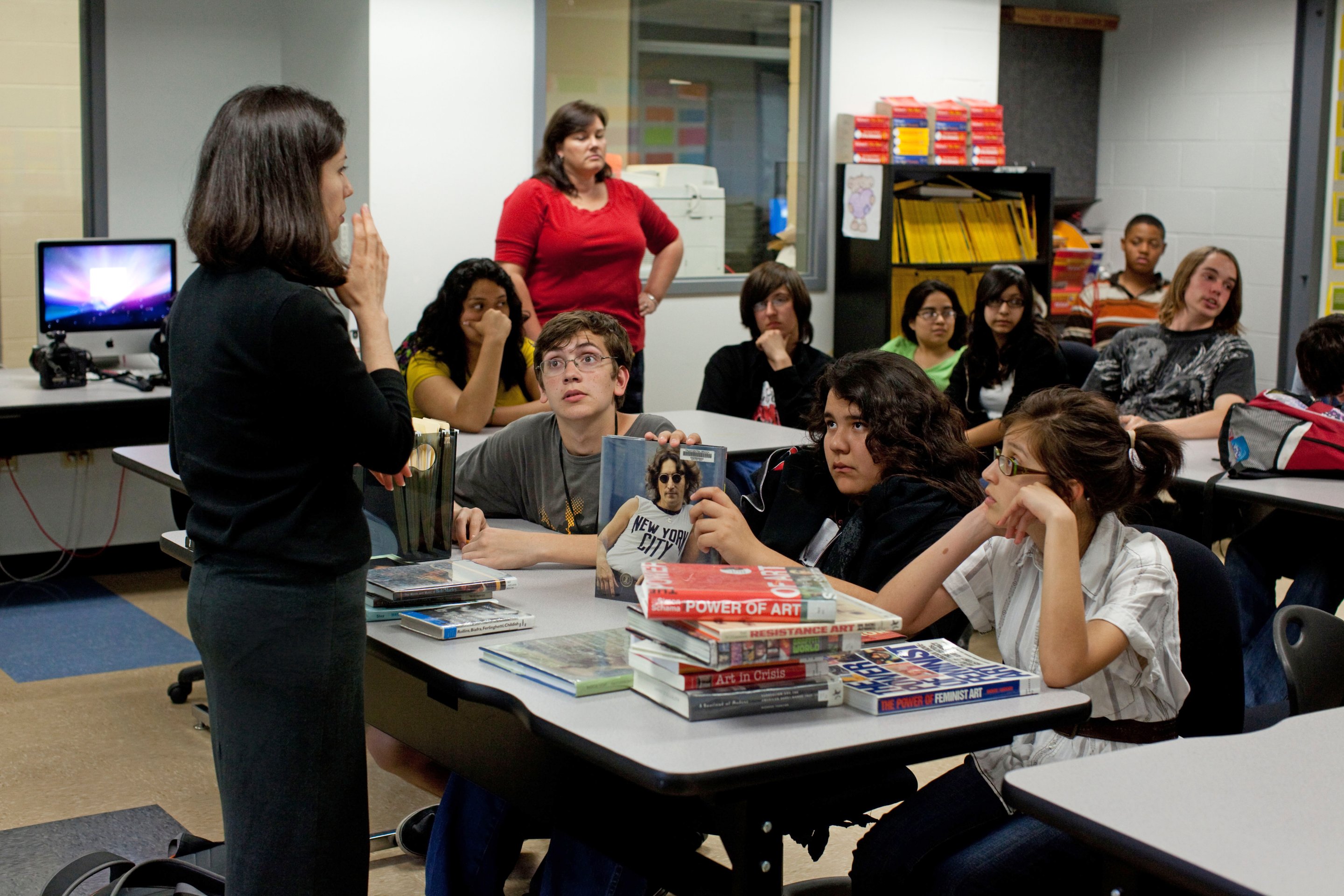
Co-teaching is an instructional partnership in which two educators share responsibility for teaching the same group of students in the same learning environment. Most often, this means a general education teacher and a special education teacher working together in an inclusive classroom. However, co-teaching can also involve English learner specialists, reading interventionists, gifted education teachers, speech-language professionals, or other instructional specialists.
The goal is not simply to put two adults in one room. That is just “double occupancy,” and classrooms are not hotel rooms. True co-teaching means both educators actively contribute to planning, teaching, monitoring progress, supporting behavior, adapting instruction, and reflecting on results. When done well, students benefit from more individual attention, more flexible grouping, more immediate feedback, and more than one way to understand the same concept.
Co-teaching is especially important in inclusive education because it can help students with IEPs, 504 plans, learning differences, language needs, and other support requirements access grade-level content alongside their peers. It also benefits students who do not have formal plans but still need reteaching, enrichment, confidence, structure, or simply an adult nearby saying, “Yes, you do need to show your work.”
The Six Common Co-Teaching Models
1. One Teach, One Observe
In this model, one teacher leads instruction while the other collects targeted data. The observing teacher is not taking a mental vacation. They are watching for specific evidence: Which students are participating? Who is confused after the mini-lesson? Which accommodations are being used? Are students applying the strategy independently?
Best for: gathering data, studying student engagement, tracking behavior patterns, checking IEP goals, or evaluating whether a teaching strategy is working.
Use carefully: This model should not become “one teach, one admire the bulletin board.” The observation must have a purpose, a tool, and a follow-up conversation.
2. One Teach, One Assist
One teacher leads the lesson while the other circulates to support students, answer questions, clarify directions, manage behavior, or provide quick scaffolding. This is one of the easiest models to start with because it requires less complex choreography.
Best for: lessons where students need immediate individual support, directions are complex, or one teacher has stronger expertise with the content.
Use carefully: If used too often, students may begin to see one teacher as “the real teacher” and the other as “the helper.” Rotate roles regularly so both educators remain equal instructional partners.
3. Station Teaching
In station teaching, students rotate through learning stations. Each teacher leads one station, and another station may involve independent practice, technology, peer collaboration, or hands-on work. This model is excellent for breaking content into smaller, more digestible pieces.
Best for: differentiated instruction, skill practice, review lessons, labs, literacy groups, math rotations, and lessons where students benefit from movement.
Use carefully: Station teaching requires strong routines. Without clear directions and timing, students may rotate with the grace of confused shopping carts.
4. Parallel Teaching
In parallel teaching, the class is split into two groups, and both teachers teach the same content at the same time. This lowers the student-teacher ratio and gives more students the chance to participate.
Best for: discussions, debates, guided practice, test review, lessons requiring high participation, or classrooms where some students disappear socially in large groups.
Use carefully: Both teachers need shared expectations and content knowledge so students receive the same essential instruction, even if the delivery style differs.
5. Alternative Teaching
Alternative teaching usually means one teacher works with a large group while the other works with a smaller group for a specific purpose. The small group might receive reteaching, enrichment, pre-teaching, assessment support, language development, or targeted intervention.
Best for: addressing specific skill gaps, supporting students before a difficult lesson, challenging advanced learners, or reviewing concepts with students who need a quieter setting.
Use carefully: Avoid always pulling the same students into the small group. Flexible grouping protects student dignity and prevents the small table from becoming “the island of obvious struggle.”
6. Team Teaching
Team teaching is the most integrated model. Both teachers share instruction fluidly. They may take turns explaining, model a conversation, solve a problem together, demonstrate different strategies, or bounce ideas back and forth.
Best for: lessons that benefit from two expert voices, modeling thinking, debates, demonstrations, project-based learning, and classrooms where the co-teachers have strong trust.
Use carefully: Team teaching requires planning, chemistry, and humility. It is powerful, but it can become messy if teachers interrupt each other, duplicate explanations, or accidentally turn the lesson into a podcast with worksheets.
How to Choose a Co-Teaching Model
Start With the Lesson Objective
The first question is not “Which model do we like?” It is “What do students need to learn today?” The learning goal should drive the co-teaching structure. If the objective requires students to practice a skill multiple ways, station teaching may fit. If students need more chances to speak, parallel teaching may be stronger. If a few students need pre-teaching before a demanding text, alternative teaching may be the best choice.
For example, imagine a seventh-grade science lesson on ecosystems. If students need to learn vocabulary, analyze a food web, and complete a quick lab, station teaching gives each task a focused space. But if students are discussing whether removing one species affects the entire ecosystem, parallel teaching may allow more voices to enter the conversation.
Analyze Student Needs Before Choosing the Structure
A good co-teaching decision begins with student data. Look at formative assessments, IEP goals, 504 accommodations, English language development needs, reading levels, behavior patterns, and student confidence. Some students may need reduced group size. Others may need visual supports, repeated directions, movement, peer discussion, or enrichment.
If many students are confused, parallel teaching or station teaching may work better than one teacher leading the whole class. If only a few students need targeted support, alternative teaching may be more efficient. If the team needs to understand why students are struggling, one teach, one observe can provide valuable evidence.
Consider Teacher Expertise
Co-teaching works best when both educators use their strengths. The general education teacher may bring deep content knowledge and pacing awareness. The special education teacher may bring expertise in scaffolding, accommodations, executive functioning, behavior support, and specially designed instruction. Neither role is “more important.” They are different tools in the same toolbox.
If one teacher has a strong method for teaching essay structure, that teacher might lead a mini-lesson while the other gathers data or supports students. Later, the roles can switch during a small-group intervention or station. The key is intentional role selection, not accidental role assignment.
Match the Model to Classroom Management Reality
Some co-teaching models require more movement, noise, and independence. Station teaching can be wonderful, but it demands routines. Parallel teaching can reduce group size, but it may create sound competition in a small classroom. Team teaching can be engaging, but it requires students to track two adult voices without turning the lesson into a tennis match.
Before choosing a model, ask: Can students transition smoothly? Do they know what to do when they finish early? Is there enough physical space? Can both groups hear? Are materials ready? A model is only as strong as the classroom systems supporting it.
Be Honest About Planning Time
Planning time is the fuel of effective co-teaching. Without it, even talented teachers can drift into the easiest default: one teaches, one assists. That model has a place, but it should not become the entire co-teaching program.
If planning time is limited, choose models that are realistic. A quick parallel teaching plan may require both teachers to agree on the objective, key examples, timing, and exit ticket. A station lesson requires more preparation, including materials and rotation procedures. Team teaching requires clear decisions about who says what, when, and why.
A practical planning question is: “What will each teacher do before, during, and after the lesson?” If the answer is vague, the model is not ready yet.
A Simple Decision Guide for Co-Teaching Models
Use One Teach, One Observe When You Need Data
Choose this model when the team needs to understand student behavior, engagement, comprehension, participation, or accommodation use. For example, during a writing lesson, one teacher may lead instruction while the other tracks which students begin independently, which students need prompts, and which students avoid writing altogether by sharpening a pencil into a toothpick.
Use One Teach, One Assist When Students Need Immediate Support
This model works well for new procedures, guided practice, or lessons where many students may need quick clarification. It is also useful when one teacher is introducing specialized content and the other is helping students access it. Rotate roles to keep the partnership balanced.
Use Station Teaching When Content Can Be Divided
Station teaching is ideal when students need multiple entry points into the same topic. In an English language arts class, one station might focus on vocabulary, another on close reading, and another on written response. Students get variety, teachers get smaller groups, and the room feels more active without becoming chaotic.
Use Parallel Teaching When Participation Matters
Parallel teaching is a strong choice when students need discussion time, oral practice, feedback, or guided problem solving. A class of 30 becomes two groups of 15, which means fewer students can hide behind their hoodies and hope nobody asks them what the theme is.
Use Alternative Teaching When a Small Group Has a Specific Need
Alternative teaching is excellent for short, targeted instruction. One teacher might preview vocabulary with multilingual learners while the other starts a warm-up. Another day, the small group might be advanced students working on extension tasks. Keep groups flexible and purpose-driven.
Use Team Teaching When the Partnership Is Ready
Team teaching shines when teachers have trust, shared routines, and a strong lesson design. It is especially useful for modeling academic conversations, comparing strategies, demonstrating problem-solving, or showing students that adults can disagree respectfully without summoning the principal.
Common Mistakes When Choosing a Co-Teaching Model
Mistake 1: Using One Model All Year
Co-teaching should be flexible. Using one teach, one assist every day may be comfortable, but it limits what two teachers can accomplish. Strong co-teachers shift models based on the lesson and student needs.
Mistake 2: Planning Activities Instead of Roles
A lesson plan may list tasks, but co-teaching requires role clarity. Teachers need to know who leads, who supports, who collects data, who checks accommodations, who manages transitions, and who follows up with students.
Mistake 3: Forgetting Assessment
The best co-teaching model includes a plan for checking learning. Exit tickets, observation notes, student work samples, quick conferences, and digital polls can all help teachers decide what happens next.
Mistake 4: Treating the Special Education Teacher Like a Guest
In effective co-teaching, both teachers are owners of the classroom. Students should hear both voices, see both teachers lead, and understand that both adults have authority, expertise, and responsibility.
Mistake 5: Ignoring Student Perception
Students notice everything. They notice who gives directions, who grades, who handles behavior, and who stands near the back wall. If one teacher is consistently positioned as secondary, students will respond accordingly. Balanced visibility matters.
Specific Classroom Examples
Example 1: Elementary Reading
A fourth-grade class is learning how to identify the main idea and supporting details. Several students need decoding support, while others are ready for higher-level inference questions. Station teaching works well here. One teacher leads a station on vocabulary and decoding. The other leads a station on main idea using a short passage. A third station asks students to sort detail cards independently. By the end, both teachers have seen small groups and gathered useful information.
Example 2: Middle School Math
A seventh-grade math class is reviewing proportional relationships before a quiz. The teachers choose parallel teaching. They split the class into two mixed groups and teach the same review problems. Because each group is smaller, more students explain their thinking, ask questions, and correct errors before the assessment.
Example 3: High School History
A high school history class is analyzing primary sources. Some students struggle with vocabulary and background knowledge. The teachers use alternative teaching for the first 12 minutes. One teacher previews key terms with a small group while the other introduces the historical context to the larger group. Then all students return to mixed groups for document analysis.
Example 4: Science Lab
During a biology lab, one teach, one assist may be the safest and most efficient model at first. One teacher explains the lab procedure while the other checks materials, monitors safety, and supports students who need directions repeated. Later, station teaching may work better as students rotate through microscope work, data analysis, and vocabulary review.
How to Build a Strong Co-Teaching Partnership
Schedule Short but Consistent Planning Time
Even 15 focused minutes can improve instruction if teachers use the time well. Discuss the objective, student needs, teacher roles, materials, accommodations, grouping, and assessment. Keep a shared planning document so decisions do not live only in someone’s memory, which is risky because teacher brains already contain lunch duty schedules, copier codes, and 47 passwords.
Use Student Data, Not Assumptions
Co-teaching decisions should be based on evidence. Use exit tickets, IEP progress data, reading scores, behavior notes, classroom observations, and student work. Data helps teachers avoid guessing and makes grouping more flexible and fair.
Rotate Leadership
Both teachers should lead instruction at different times. This builds student respect for both educators and allows each teacher to use their expertise. Rotating leadership also prevents burnout and keeps the classroom from developing a “main teacher and assistant teacher” pattern.
Debrief Without Blame
After a lesson, ask simple questions: What worked? Who learned? Who still needs support? Was the model the right fit? What should we adjust next time? The goal is not to win an argument. The goal is to make tomorrow’s lesson better.
Experiences and Practical Lessons From Choosing a Co-Teaching Model
In real classrooms, choosing a co-teaching model is rarely as neat as a professional development slideshow makes it look. The slide says “station teaching,” and everyone smiles at the colorful arrows. Then Monday arrives, three students are absent, the projector refuses to cooperate, someone spills a water bottle on the independent station, and the bell schedule changes because of an assembly nobody mentioned until 7:42 a.m. This is why experienced co-teachers learn to choose models with both ambition and flexibility.
One of the most useful lessons from classroom experience is to start small. A teaching pair does not need to begin the year with perfect team teaching. In fact, forcing team teaching too early can make both teachers feel exposed and awkward. It is often better to begin with one teach, one observe for a specific purpose, then try parallel teaching for a short discussion, then build toward station teaching once routines are solid. Co-teaching is a professional relationship, and like any relationship, it gets stronger when people communicate instead of silently hoping the other person can read minds.
Another experience-based lesson is that students need the model explained to them. Teachers sometimes assume students will naturally understand why two adults are teaching in different ways. They may not. A simple explanation helps: “Today we are splitting into two groups so everyone has more chances to talk,” or “This small group is for extra practice today, and groups will change depending on the skill.” Clear language prevents students from thinking that groups are permanent labels.
It also helps to use flexible grouping visibly and often. If the same students are always pulled for alternative teaching, the model can unintentionally create stigma. But when groups change for reteaching, enrichment, discussion style, interest, or learning preference, students begin to see grouping as normal. One day a student may join a small group for vocabulary support; another day that same student may join an enrichment group because they understood the concept quickly. That flexibility sends a powerful message: support is not a label; it is a tool.
Teachers also learn that the physical classroom matters. Parallel teaching sounds simple until both teachers are speaking at the same time in a room with tile floors and the acoustics of a middle school cafeteria. Station teaching sounds engaging until there is no clear pathway between stations. Before choosing a model, experienced co-teachers look at the room like stage managers: Where will students move? Where will materials go? Can both groups hear? What happens if a group finishes early?
Finally, strong co-teaching partnerships protect time for honest reflection. Not every lesson will work. Sometimes the model is wrong. Sometimes the grouping is wrong. Sometimes the lesson was fine, but the full moon, indoor recess, and a surprise fire drill formed an educational weather system no one could defeat. Reflection keeps those moments from becoming failure. The best co-teachers treat each lesson as information. They adjust, laugh when appropriate, and keep the focus where it belongs: helping students learn in a classroom where support feels normal, shared, and thoughtfully designed.
Conclusion: Choose the Model That Serves the Students
The best way to choose a co-teaching model is to begin with students, not with teacher preference. Ask what the lesson requires, what the students need, what each teacher brings, and what the classroom can realistically support. Then choose the structure that gives students the strongest access to learning.
One teach, one observe helps gather data. One teach, one assist provides immediate support. Station teaching creates variety and differentiation. Parallel teaching increases participation. Alternative teaching targets specific needs. Team teaching models deep collaboration. None of these models is perfect all the time, but each can be powerful when used with purpose.
Co-teaching is not about having two adults in a room. It is about designing instruction so students experience two educators working as one thoughtful team. When teachers plan clearly, rotate roles, use data, and reflect honestly, co-teaching becomes more than a service delivery model. It becomes a classroom culture where support is built in, expertise is shared, and students get more chances to succeed.












