
Bringing home a tortoise is not like adopting a goldfish with a shell and a tiny opinion about lettuce. A tortoise is a long-lived, temperature-sensitive, light-loving reptile that needs the right habitat, diet, hydration, and veterinary care to thrive. Some species can live for decades, and larger tortoises may outgrow casual “cute baby reptile” setups faster than expected. In other words, this is not a pet you impulse-buy between errands and a smoothie.
The good news? Once you understand the basics, tortoise care becomes a manageable routine. The secret is to think like a tortoise: warm basking spot, safe hiding area, room to walk, edible plants, fresh water, and absolutely no slippery kitchen floor adventure tours. This guide explains how to care for a tortoise in a practical, beginner-friendly way, while still giving enough detail for owners who want to do things properly from day one.
Understand Your Tortoise Species First
The first rule of tortoise care is simple: species matters. A sulcata tortoise, Russian tortoise, Hermann’s tortoise, Greek tortoise, leopard tortoise, and red-footed tortoise may all look like charming walking helmets, but they do not have identical needs.
Desert and grassland species often need dry conditions, high-fiber foods, strong basking areas, and plenty of space. Tropical species usually need higher humidity and a slightly different diet. Mediterranean species may do well in outdoor pens in mild climates but still require shelter, temperature control, and protection from predators.
Before buying or adopting, ask these questions
What species is it? How large will it get as an adult? Does it need a dry or humid environment? Is it captive-bred? What does it eat in the wild? Is it legal to keep in your state or region? These questions are not boring homework; they are the difference between a healthy tortoise and a very expensive reptile emergency.
Build the Right Tortoise Enclosure
A tortoise enclosure should be spacious, secure, well-ventilated, and designed around natural behavior. Tortoises walk, dig, bask, hide, graze, and explore. They do not thrive in tiny glass tanks where they can see freedom but cannot reach it. Glass sides may also stress some tortoises because they keep trying to walk through the invisible wall like a confused medieval knight.
For many small to medium tortoises, a tortoise table, large wooden enclosure, indoor pen, or secure outdoor habitat is better than a standard aquarium. The enclosure should have enough floor space for movement, a warm basking zone, a cooler retreat, a hide box, safe substrate, and shallow water access.
Indoor enclosure basics
An indoor tortoise habitat should include a basking lamp, UVB lighting, a temperature gradient, hides, a shallow water dish, and a substrate suitable for digging. Avoid cedar and pine shavings because aromatic woods can irritate reptiles. Depending on the species, safe substrate options may include untreated topsoil, coconut coir, cypress mulch, orchid bark, or a soil-sand mix. The exact choice depends on humidity needs and species requirements.
Outdoor enclosure basics
Outdoor housing can be excellent for many tortoises because natural sunlight provides high-quality UV exposure. However, an outdoor pen must be escape-proof and predator-proof. Tortoises can dig, climb surprisingly well, and push through weak barriers with the quiet determination of a tiny bulldozer.
Use solid walls that extend below ground for digging species. Provide shaded areas, dry shelters, edible plants, basking areas, and protection from dogs, raccoons, birds, ants, and extreme weather. Never leave a tortoise outdoors without shelter from overheating. A tortoise flipped onto its back in strong sun can overheat quickly.
Provide Proper Heat and UVB Lighting
Tortoises are ectothermic, meaning they rely on outside heat to regulate body temperature. They need a warm basking area and a cooler side of the enclosure so they can move between temperatures. This is called a thermal gradient, and it is one of the most important parts of tortoise care.
Most tortoises need a basking area that is significantly warmer than the cool side, but exact temperatures vary by species. A tropical red-footed tortoise, a Mediterranean Hermann’s tortoise, and a sulcata tortoise should not all be treated like they came from the same backyard. Use digital thermometers and a temperature gun rather than guessing. Your hand is not a scientific instrument, even if it feels very confident.
Why UVB light matters
UVB lighting helps tortoises produce vitamin D3, which allows them to use calcium properly. Without enough UVB, a tortoise can develop metabolic bone disease, shell deformities, weakness, poor growth, and other serious health problems. Indoor tortoises need reptile-specific UVB bulbs positioned correctly over the enclosure. Glass and many plastics block UVB rays, so placing a lamp outside a window does not count.
UVB bulbs also lose strength over time, even if they still produce visible light. Replace them according to the manufacturer’s schedule, often around every six to twelve months depending on bulb type. Keep a calendar reminder. Your tortoise will not send you a polite email saying, “Excuse me, my ultraviolet exposure is declining.”
Feed a Healthy Tortoise Diet
A good tortoise diet is high in fiber, rich in calcium, and matched to the species. Many common pet tortoises are mostly herbivorous and do best with grasses, weeds, leafy greens, flowers, and hay. The goal is to copy natural grazing as closely as possible, not to build a salad bar based on whatever looks cute in the refrigerator.
Safe foods may include dandelion greens, plantain weed, clover, hibiscus leaves and flowers, grape leaves, mulberry leaves, cactus pads, collard greens, mustard greens, turnip greens, escarole, endive, romaine in moderation, and pesticide-free grasses. Grassland species often benefit from hay and broadleaf weeds. Tropical species may tolerate more fruit than arid species, but fruit should still be limited for most tortoises.
Foods to limit or avoid
Avoid feeding too much fruit, iceberg lettuce, bread, pasta, dog food, cat food, dairy, processed human snacks, or high-protein foods unless a reptile veterinarian gives species-specific guidance. Too much protein can contribute to abnormal growth in some tortoises. Spinach and beet greens are not ideal staple foods because they contain compounds that may interfere with calcium availability when overused.
Commercial tortoise pellets can be useful as part of a balanced diet, especially when recommended for the species, but they should not replace fresh plant variety. Think of pellets as a supporting actor, not the main character.
Use Calcium and Supplements Correctly
Calcium is essential for healthy bones, muscles, and shell development. Many tortoise diets benefit from calcium supplementation, especially for growing juveniles and egg-laying females. A plain calcium powder can be lightly dusted onto greens several times per week, depending on the species, age, diet, and UVB exposure.
Some tortoises also benefit from access to a cuttlebone, which they may nibble when they need extra calcium. Multivitamins should be used carefully and not sprinkled on everything like reptile confetti. Over-supplementing can cause problems, so ask a reptile veterinarian for a plan if you are unsure.
Keep Your Tortoise Hydrated
Tortoises need fresh water even when they come from dry habitats. Some species get much of their moisture from food, but that does not mean the water bowl is optional decor. Provide a shallow, sturdy dish that the tortoise can enter and exit safely. Clean it daily because tortoises have a special talent for turning fresh water into swamp soup.
Regular soaking can help with hydration, especially for hatchlings, juveniles, newly adopted tortoises, or species that benefit from humid microclimates. Use shallow lukewarm water that reaches around the lower shell but does not force the tortoise to swim. A typical soak may last 10 to 20 minutes. Always supervise soaking, and never use hot water.
Maintain Humidity and Substrate
Humidity requirements depend heavily on species and age. Many baby tortoises need more humidity than people expect, even if the adult species lives in a dry region. Poor humidity can contribute to dehydration and shell growth issues. Tropical tortoises generally need higher humidity than Mediterranean or desert species.
Use a hygrometer to measure humidity instead of guessing. Add humid hides, damp moss areas, or moisture-retaining substrate when appropriate. At the same time, avoid constantly wet, dirty conditions that can encourage shell rot, mold, or respiratory problems. The goal is controlled humidity, not a reptile rainforest accident.
Clean the Habitat Regularly
Good hygiene prevents odor, bacteria buildup, parasites, and disease. Spot-clean waste daily, remove uneaten food, rinse the water dish, and replace dirty substrate as needed. Deep-clean the enclosure on a regular schedule using reptile-safe cleaning methods.
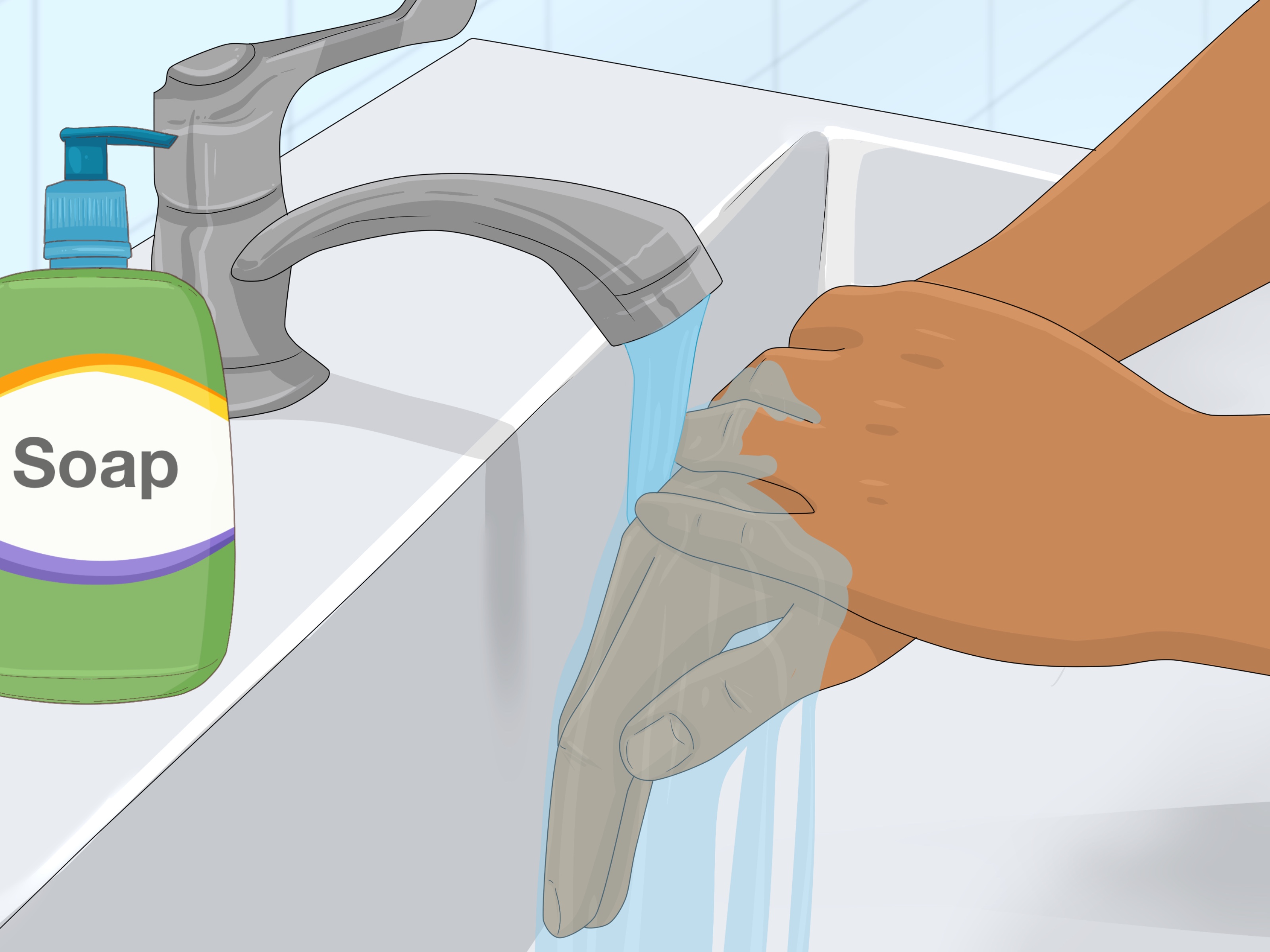
Wash your hands after handling your tortoise, cleaning the enclosure, or touching bowls and substrate. Reptiles can carry Salmonella bacteria even when they look healthy. Keep tortoise supplies separate from kitchen items, and do not bathe a tortoise in the same sink where you rinse salad greens. Nobody wants a side order of reptile germs with dinner.
Handle Your Tortoise Gently and Minimally
Tortoises are not cuddly lap pets. Many tolerate gentle handling, but frequent lifting can stress them. When you do need to pick up a tortoise, support the entire body with both hands and keep it close to the ground. Never drop, flip, shake, or hold it by the legs or tail.
Let your tortoise explore safe spaces under supervision, but avoid smooth floors, stairs, furniture edges, and areas with dogs or cats. A tortoise may move slowly, but it can still get into trouble with impressive efficiency.
Watch for Signs of Illness
Healthy tortoises are usually alert, active during normal hours, interested in food, and able to move with steady strength. Their eyes should be clear, the nose should be free of discharge, and the shell should feel firm unless the tortoise is a very young hatchling with normal slight flexibility.
Call a reptile veterinarian if you notice:
- Loss of appetite for more than a short period
- Swollen or closed eyes
- Runny nose, bubbles, wheezing, or open-mouth breathing
- Soft shell, shell cracks, or unusual shell odor
- Weakness, dragging limbs, or trouble walking
- Diarrhea, parasites in stool, or no stool for an unusual time
- Weight loss, dehydration, or sunken eyes
Reptiles often hide illness until a problem is advanced. Annual wellness exams with a reptile-experienced veterinarian are smart, especially for new tortoises. Bring a fresh stool sample when requested, and keep notes on weight, diet, soaking, lighting changes, and behavior.
Quarantine New Tortoises
If you already own reptiles, quarantine any new tortoise before introducing it to the same room, enclosure, tools, or outdoor space. A quarantine period helps prevent the spread of parasites, respiratory infections, and other contagious issues. Separate equipment, separate washing routines, and veterinary screening are worth the effort.
Never mix species casually. Different tortoise species may carry organisms that are harmless to one species but dangerous to another. They may also have different humidity and temperature needs. A shared enclosure can become a slow-motion disaster with shells.
Plan for Long-Term Care
Many tortoises live a very long time. Some may outlive their first owner. Before getting one, think about space, cost, veterinary care, climate, diet availability, and future housing. A sulcata tortoise that starts out fitting in your palm can become a powerful, heavy adult that needs serious outdoor space and strong fencing.
Responsible tortoise care also means choosing captive-bred animals from ethical sources. Avoid wild-caught tortoises and never take a tortoise from the wild. Wild populations are often protected, and removing animals can harm local ecosystems.
Common Tortoise Care Mistakes
Using the wrong enclosure
Small glass tanks are one of the most common beginner mistakes. They often lack space, airflow, temperature gradients, and natural behavior opportunities.
Skipping UVB lighting
Indoor tortoises need proper UVB. A regular household bulb does not provide UVB, and sunlight through glass is not enough.
Feeding too much fruit
Fruit may seem healthy, but for many tortoises it should be an occasional treat or avoided. Too much can upset digestion and encourage poor nutrition.
Letting dogs “play” with tortoises
Even friendly dogs can injure tortoises. Shells are strong, but they are not chew toys. Keep tortoises protected from pets at all times.
Ignoring species-specific care
The best tortoise care plan is not generic. It is built around your tortoise’s natural habitat, adult size, diet, and climate needs.
Experience Notes: What Caring for a Tortoise Looks Like in Real Life
In real life, caring for a tortoise is less dramatic than many pet routines, but it is surprisingly detail-oriented. The daily work is not hard: check temperatures, turn lights on and off if they are not automated, provide fresh food, change water, remove waste, and make sure the tortoise is behaving normally. The challenge is consistency. Tortoises thrive on stable routines, and small husbandry mistakes can quietly build into big health problems.
One of the first things many new owners learn is that tortoises have personalities. Some are bold and march directly toward breakfast like tiny tanks with appointments. Others are shy, suspicious, and deeply offended by changes to their favorite hide. A tortoise may learn your schedule and appear when food arrives, but that does not mean it wants to be carried around the house. Respecting that boundary makes care easier and keeps the animal calmer.
Another practical lesson is that enclosure design matters more than decoration. A beautiful setup is nice, but the tortoise cares about warmth, traction, shelter, safety, and edible opportunities. A plain enclosure with correct lighting, safe substrate, and a good temperature gradient is far better than a fancy one with poor heat and no UVB. Reptile care is one area where function wins over Instagram every time.
Outdoor time can be wonderful when it is safe. Natural sunlight, fresh air, and grazing can improve activity and enrichment. However, outdoor care requires supervision and planning. Tortoises can wedge themselves into corners, dig under barriers, nibble unsafe plants, or attract predators. Even a short outdoor session should happen in a secure area with shade and water available. Hot weather deserves extra caution because overheating can happen faster than many owners expect.
Feeding also becomes easier with experience. At first, owners may overthink every leaf. Over time, a reliable rotation develops: safe weeds, leafy greens, grasses, flowers, hay, and species-appropriate extras. Growing pesticide-free tortoise plants at home can be a game changer. Dandelion, hibiscus, mulberry, clover, and plantain can turn a backyard or container garden into a reptile grocery store. It also feels oddly satisfying to serve a meal your tortoise attacks with the enthusiasm of someone discovering a buffet.
Health tracking is another habit that pays off. Weighing your tortoise regularly, taking occasional shell photos, and writing down changes in appetite or stool can help you spot problems early. Reptiles do not always show illness clearly, so records give you and your veterinarian useful clues. A simple notebook or phone note can become one of the most valuable tools in your tortoise care routine.
The biggest experience-based advice is this: do not wait until something looks very wrong. If your tortoise stops eating, breathes strangely, develops swollen eyes, becomes weak, or changes behavior suddenly, contact a reptile veterinarian. Online advice can help with general education, but it cannot examine your tortoise, run tests, or treat infections. Good husbandry prevents many issues, and prompt care can make a major difference when problems appear.
Caring for a tortoise is a long-term relationship built on patience. It is not flashy, loud, or fast. But there is something deeply rewarding about watching a well-kept tortoise bask, graze, dig, and confidently patrol its little kingdom. Give it the right setup, the right food, and the right respect, and your shelled companion can live a healthy, fascinating life for many years.
Conclusion
Learning how to care for a tortoise starts with understanding the species. From there, success comes down to proper housing, UVB lighting, heat, hydration, diet, cleanliness, and veterinary support. A tortoise is not a low-effort decoration; it is a living reptile with specific biological needs. But with a thoughtful setup and steady routine, tortoise care can be deeply rewarding.
Give your tortoise room to move, safe food to graze, fresh water to drink, proper light to absorb calcium, and shelter to feel secure. Keep the habitat clean, watch for health changes, and avoid shortcuts. Your tortoise may not wag its tail or fetch your slippers, but it will reward good care in its own ancient, slow, wonderfully stubborn way.












