
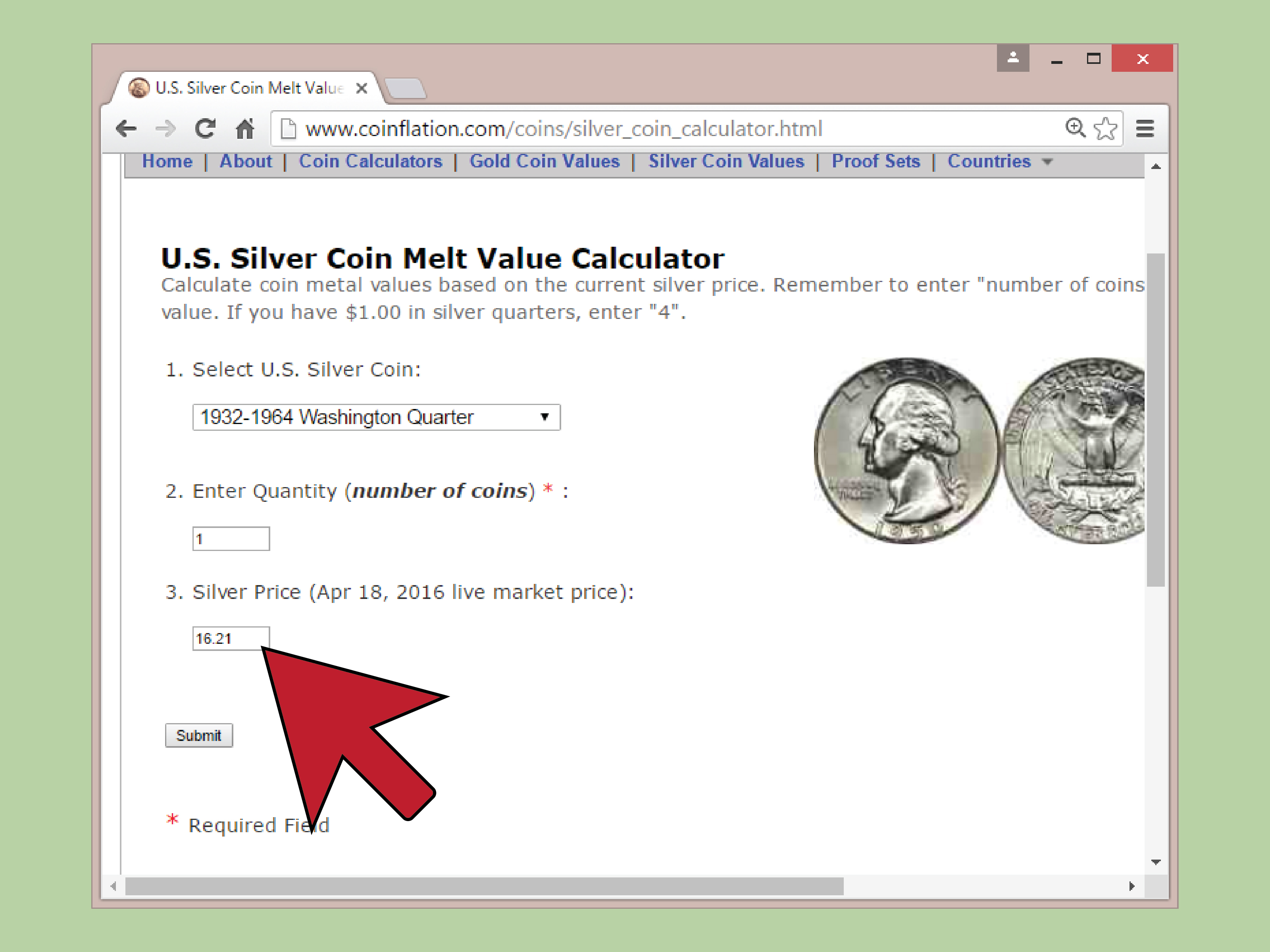
Junk silver coins may have the least glamorous nickname in the coin world, but don’t let the word “junk” fool you. These old U.S. silver coins are not trash, pocket clutter, or something your uncle should have left in a coffee can for 40 yearsalthough, to be fair, that is exactly where many people find them. “Junk silver” usually refers to circulated U.S. coins that have little collectible premium but still contain real silver. Their value comes mainly from their metal content, also called melt value.
If you have pre-1965 dimes, quarters, half dollars, or certain older silver coins sitting in a drawer, learning how to calculate junk silver coin value can help you avoid selling too cheaply, buying too expensively, or staring at a pile of coins like it’s a math test you did not study for. The good news: the formula is simple once you understand face value, silver purity, actual silver weight, and the daily silver spot price.
This guide explains how to calculate the value of junk silver coins in eight practical steps, with real formulas, examples, and buyer-seller tips written in plain English. No treasure map required.
What Are Junk Silver Coins?
Junk silver coins are circulated coins that contain silver but are generally valued for their bullion content rather than rare-coin appeal. In the United States, the most common examples are 90% silver dimes, quarters, and half dollars minted in 1964 or earlier. These include Roosevelt dimes, Mercury dimes, Washington quarters, Standing Liberty quarters, Franklin half dollars, Walking Liberty half dollars, and 1964 Kennedy half dollars.
The term can also include 40% silver Kennedy half dollars minted from 1965 through 1970, and 35% silver wartime Jefferson nickels minted from 1942 through 1945. However, when most people say “junk silver,” they are usually talking about pre-1965 90% U.S. silver coins.
These coins are popular because they are recognizable, divisible, easy to count by face value, and tied closely to the price of silver. They also have a bit of nostalgia baked in. Holding a 1964 quarter feels more interesting than holding a silver bar, even if the bar has fewer stories and probably fewer coffee stains.
Why Junk Silver Value Changes
The value of junk silver coins changes because silver prices move constantly. The main number to watch is the silver spot price, which is the current market price for one troy ounce of silver. A troy ounce is the standard precious-metals ounce and equals about 31.103 grams. It is not the same as the everyday kitchen ounce, because precious metals like to have their own VIP measurement system.
Junk silver value also depends on purity, total face value, coin condition, dealer premiums, and whether any coins have collectible value beyond silver. A worn 1964 Washington quarter may trade mostly for melt value, while a rare date, mint mark, or high-grade coin may be worth much more than its metal content.
How to Calculate the Value of Junk Silver Coins: 8 Steps
Step 1: Sort Your Coins by Silver Type
Start by separating your coins into groups. Do not throw everything into one pile and hope the calculator develops psychic powers. Sort them by denomination, date, and silver percentage.
The most important categories are:
- 90% silver coins: U.S. dimes, quarters, and half dollars dated 1964 or earlier.
- 40% silver coins: Kennedy half dollars dated 1965 through 1970.
- 35% silver nickels: Wartime Jefferson nickels dated 1942 through 1945, usually with a large mint mark above Monticello on the reverse.
- Silver dollars: Morgan and Peace dollars, which are 90% silver but have different silver weights than smaller denominations.
Sorting matters because a 90% silver quarter, a 40% half dollar, and a wartime nickel do not contain the same amount of silver. Treating them all alike is how people accidentally underprice good coins or overpay for less valuable ones.
Step 2: Know the Standard Silver Content
For common 90% U.S. junk silver dimes, quarters, and half dollars, dealers often use a shortcut: $1 face value equals about 0.715 troy ounces of silver. This figure accounts for average circulation wear. In uncirculated condition, the theoretical silver content is closer to 0.7234 troy ounces per $1 face value, but circulated coins are usually calculated at 0.715.
Here are the widely used silver content figures for common U.S. junk silver coins:
| Coin Type | Silver Purity | Approx. Silver Content |
|---|---|---|
| Pre-1965 silver dime | 90% | 0.0715 troy oz |
| Pre-1965 silver quarter | 90% | 0.17875 troy oz using circulated shortcut, often rounded from $1 face value math |
| Pre-1965 silver half dollar | 90% | 0.3575 troy oz using circulated shortcut |
| 1965–1970 Kennedy half dollar | 40% | About 0.1479 troy oz |
| 1942–1945 wartime nickel | 35% | About 0.05626 troy oz |
| Morgan or Peace silver dollar | 90% | About 0.7734 troy oz |
For bags of mixed 90% dimes, quarters, and half dollars, the face-value shortcut is usually the easiest method. For special coins like Morgan dollars, Peace dollars, and wartime nickels, calculate them separately.
Step 3: Find the Current Silver Spot Price
Next, check the live silver spot price from a reputable bullion market source. Silver spot price is quoted per troy ounce, usually in U.S. dollars. Since the price changes during market hours, use the latest number when making a real buying or selling decision.
For educational examples in this article, let’s use a sample silver spot price of $30 per troy ounce. This is not a prediction or current quote; it is simply a clean number for easy math. When you calculate your own coins, replace $30 with the live silver price.
The basic formula is:
Silver value = actual silver weight × silver spot price
For example, if one coin contains 0.715 troy ounces of silver and silver is $30 per ounce, the silver value is:
0.715 × $30 = $21.45
That means $1 face value of typical circulated 90% silver coins would have about $21.45 in silver content at a $30 spot price.
Step 4: Calculate by Face Value for 90% Silver Coins
The fastest way to calculate junk silver value is by total face value. Count the coins according to their original money value, not how much they are worth today.
For example:
- 10 silver dimes = $1 face value
- 4 silver quarters = $1 face value
- 2 silver half dollars = $1 face value
Any combination of pre-1965 90% silver dimes, quarters, and half dollars that adds up to $1 face value contains approximately 0.715 troy ounces of silver in typical circulated condition.
Use this formula:
Total 90% junk silver value = face value × 0.715 × silver spot price
Example: You have $10 face value in 90% silver quarters.
$10 × 0.715 × $30 = $214.50
So, at a sample silver spot price of $30, your $10 face value bag would contain about $214.50 worth of silver. Not bad for coins that may have been quietly napping in a sock drawer.
Step 5: Calculate Individual Coin Melt Values
If you are working with individual coins, multiply each coin’s silver content by the spot price. This is useful when you have only a few coins or a mix of different silver types.
Using a sample $30 silver spot price:
- Silver dime: 0.0715 × $30 = $2.15
- Silver quarter: 0.17875 × $30 = $5.36
- Silver half dollar: 0.3575 × $30 = $10.73
- 40% Kennedy half dollar: 0.1479 × $30 = $4.44
- Wartime nickel: 0.05626 × $30 = $1.69
- Morgan or Peace dollar: 0.7734 × $30 = $23.20
These are melt-value estimates only. Actual buy and sell prices may be higher or lower depending on premiums, local demand, dealer costs, and whether the coin has collector interest.
Step 6: Understand “Times Face Value”
Coin buyers and sellers often talk about junk silver in terms of “times face value.” This sounds fancy, but it is just a quick way to price coins.
If $1 face value of 90% silver coins is worth $21.45 in silver, then junk silver is trading at about 21.45× face value. That means every $1 in original coin face value is worth $21.45 in silver content.
The formula is:
Times face value = 0.715 × silver spot price
Using the $30 example:
0.715 × $30 = 21.45× face value
If someone offers you 18× face value when the melt value is 21.45×, they are offering below melt. That may still happen because dealers need a margin, but you should understand the discount before accepting. If someone asks 25× face value, they are charging a premium above melt. That may be fair in a tight market, but it should not be a mystery.
Step 7: Adjust for Wear, Premiums, and Dealer Spreads
Not every junk silver coin sells exactly at melt value. In real life, there is usually a spread between what dealers pay and what dealers charge. That spread covers business expenses, inventory risk, shipping, insurance, market movement, and the universal law that nobody runs a coin shop for free.
Common factors that affect the final price include:
- Wear: Heavily worn coins may contain slightly less silver by weight.
- Premiums: In periods of high demand, junk silver may sell above melt.
- Lot size: Larger bags may receive better pricing than tiny lots.
- Denomination preference: Some buyers prefer dimes or quarters because they are easier to divide.
- Market volatility: Fast-moving silver prices can widen buy-sell spreads.
- Local competition: More coin shops in your area may mean better offers.
As a seller, you may receive a percentage of melt value, especially from pawn shops, jewelry buyers, or quick-cash dealers. A reputable coin dealer or bullion dealer may offer a more transparent price. As a buyer, expect to pay at least melt and often a premium above it, especially when silver coins are in strong demand.
Step 8: Check for Collectible Value Before Selling
Before selling coins strictly for silver, check whether any have numismatic value. “Numismatic” simply means collectible coin value based on rarity, date, mint mark, condition, historical demand, or errors. In other words, it is the part of coin collecting where a tiny letter on a coin can make everyone suddenly very serious.
Look for key dates, low mintages, unusual mint marks, proof coins, error coins, and coins in unusually nice condition. Common circulated silver Roosevelt dimes and Washington quarters usually trade near melt, but some Barber coins, Standing Liberty quarters, Walking Liberty halves, Morgan dollars, and Peace dollars can carry higher premiums.
Do not clean your coins. Cleaning can damage surfaces and reduce collector value. A coin that looks “shiny and improved” to a beginner may look “scratched and harmed” to a collector. If you suspect a coin is rare, compare it with a reliable price guide or ask a professional dealer before tossing it into a melt-value pile.
Quick Junk Silver Calculation Examples
Example 1: $5 Face Value in Silver Dimes
You have 50 pre-1965 silver dimes. Since 10 dimes equal $1 face value, 50 dimes equal $5 face value.
$5 × 0.715 × $30 = $107.25
At a sample $30 silver price, the melt value is about $107.25.
Example 2: $20 Face Value in Mixed 90% Coins
You have a mix of dimes, quarters, and half dollars totaling $20 face value. Because they are all 90% U.S. silver coins, you can use the same multiplier.
$20 × 0.715 × $30 = $429.00
The estimated silver value is $429.00.
Example 3: Ten 40% Kennedy Half Dollars
Each 40% Kennedy half dollar contains about 0.1479 troy ounces of silver.
10 × 0.1479 × $30 = $44.37
The estimated silver value is $44.37.
Common Mistakes When Valuing Junk Silver
Using Regular Ounces Instead of Troy Ounces
Silver is priced in troy ounces, not standard ounces. If you weigh coins on a kitchen scale and use regular ounces, your math may be off. Use troy ounces or convert grams properly.
Assuming All Old Coins Are Silver
Not every old U.S. coin contains silver. Many nickels, pennies, and post-1964 dimes and quarters are not silver. Check the date and coin type before calculating.
Ignoring 40% Silver Halves
Kennedy half dollars from 1965 through 1970 are not 90% silver, but they are not worthless either. Calculate them separately using their lower silver content.
Selling Rare Coins for Melt
Some coins deserve a second look. A scarce date or high-grade coin may be worth much more than its silver content. When in doubt, pause before selling.
Forgetting Dealer Premiums
Melt value is not always the exact price you will receive or pay. It is the baseline. Real-world prices include spreads and premiums.
How to Get the Best Price for Junk Silver Coins
To get a fair price, calculate the melt value yourself before contacting buyers. Write down your total face value, silver type, estimated melt value, and the silver spot price used. This gives you confidence and prevents the awkward “I have no idea what this is worth, please be gentle” moment.
Compare offers from more than one buyer. Local coin shops, reputable bullion dealers, online dealers, and coin shows may all price differently. Avoid anyone who refuses to explain their math. A fair buyer should be able to tell you the spot price, multiplier, percentage of melt, and any premium or discount.
If selling online, consider shipping costs, insurance, payment delays, and reputation. A slightly higher quote may not be better if fees eat the difference. For large lots, get written terms before mailing coins.
My Practical Experience With Calculating Junk Silver Coin Value
One of the most useful habits when working with junk silver is learning to think in face value first and coin count second. Beginners often start by counting every coin individually, then multiplying dimes, quarters, and halves one at a time. That works, but it can turn a simple job into a tiny accounting festival. A cleaner approach is to sort 90% silver coins into piles, count the face value, and then apply the 0.715 multiplier. Once you get used to it, the process becomes surprisingly quick.
For example, imagine you inherit a small jar of coins from a relative. Inside are 32 silver dimes, 18 silver quarters, and 6 silver half dollars. At first glance, it looks messy. But the face value makes it simple. The dimes equal $3.20, the quarters equal $4.50, and the halves equal $3.00. Add them together and you have $10.70 face value in 90% silver coins. Multiply $10.70 by 0.715 and you get 7.6505 troy ounces of estimated silver content. Then multiply by the live silver spot price. That is the moment the dusty jar stops looking like clutter and starts looking like a very respectable little bullion stack.
Another lesson: always check dates before making assumptions. A 1964 Kennedy half dollar is 90% silver, while a 1965 Kennedy half dollar is 40% silver. They look similar to casual eyes, but the value calculation is different. The same goes for dimes and quarters after 1964, which are generally copper-nickel clad for regular circulation. When sorting a pile, a good bright light and a little patience can save you from mixing different silver categories.
Condition also deserves attention, but not panic. Most junk silver is expected to be circulated. A worn Mercury dime can still be valuable for its silver. However, extremely slick coins, damaged coins, bent coins, or holed coins may be less desirable to some buyers. On the other hand, coins with strong details, attractive toning, or better dates may deserve a numismatic check before being sold as generic junk silver.
When buying, I like to compare the asking price against melt value using the “times face” method. If the melt value is 21.45× face and a seller wants 24×, the premium is easy to see. That does not automatically make it a bad deal. In a tight market, premiums can be normal. But knowing the difference between melt and premium helps you make a calm decision instead of buying because the coins look old and exciting. Old and exciting is nice; accurate math is nicer.
When selling, the best experience usually comes from being prepared. Walk in with your coins already sorted, your total face value written down, and the current spot price noted. You do not need to act like a Wall Street trader in a cowboy movie, but you should know your numbers. Buyers tend to take prepared sellers more seriously, and you will immediately recognize whether an offer is reasonable.
Finally, remember that junk silver is both metal and history. The value calculation may be mathematical, but the coins themselves have passed through grocery stores, gas stations, pockets, cash registers, and probably a few couch cushions. Calculating their value correctly lets you respect both sides: the silver content and the story.
Conclusion
Learning how to calculate the value of junk silver coins is easier than it first appears. Sort the coins, identify the silver percentage, use the correct silver content, check the current spot price, and apply the right formula. For common 90% U.S. silver dimes, quarters, and half dollars, the shortcut is simple: total face value × 0.715 × silver spot price. That one formula can turn a confusing coin pile into a clear estimate in less time than it takes to find where you left your reading glasses.
Still, melt value is only the starting point. Premiums, dealer spreads, wear, demand, and collectible value can change the final price. Before selling, check for rare dates and never clean potentially collectible coins. Before buying, compare the asking price with melt value so you know exactly what premium you are paying. Junk silver may have a humble name, but with the right math, it becomes one of the most straightforward ways to understand the silver value hiding in old U.S. coins.
Note: This article is for educational purposes only and should not be treated as financial, investment, or tax advice. Silver prices change constantly, so always use a live spot price before making a real transaction.











