
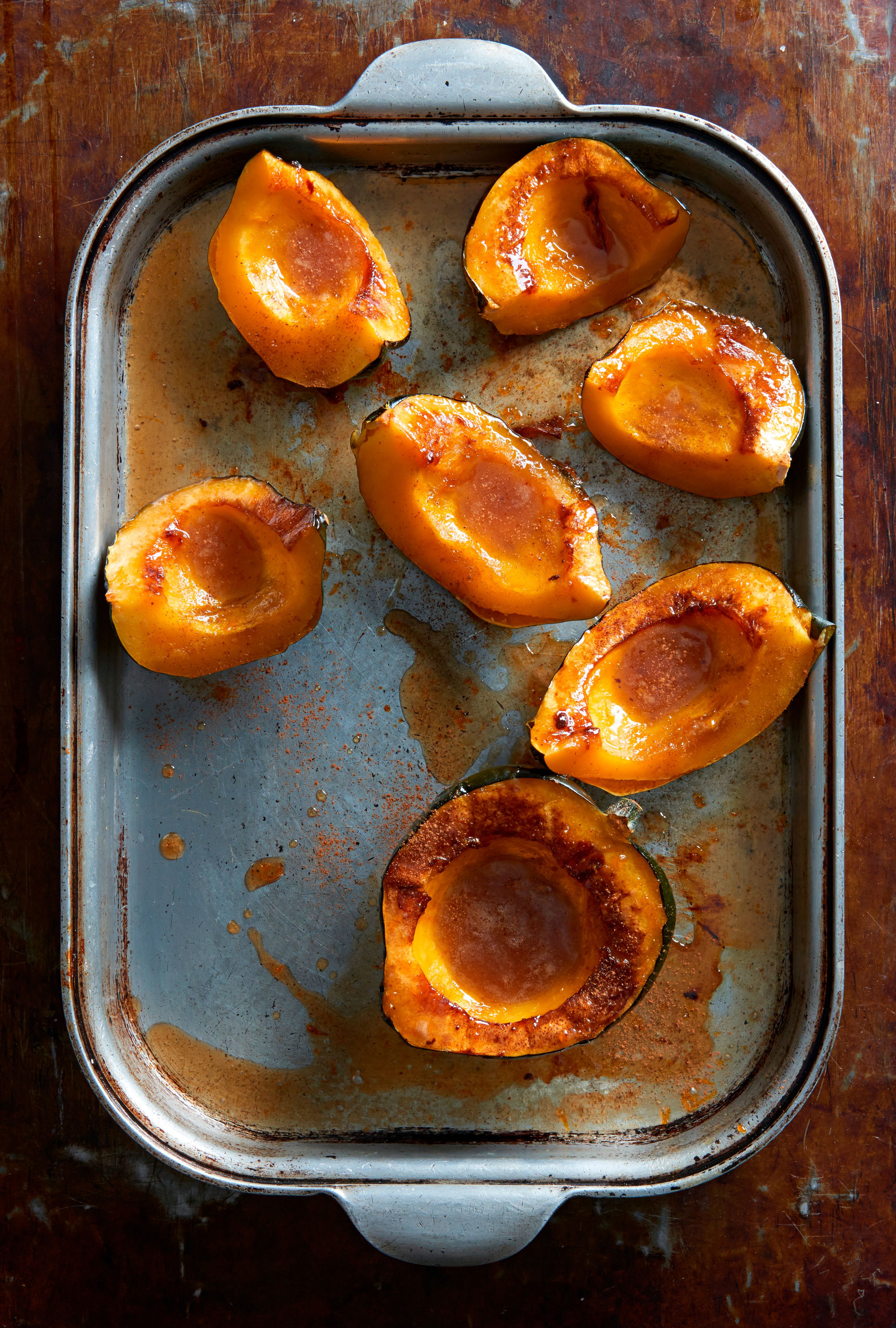
Acorn squash is one of those vegetables that looks like it belongs in a fall centerpiece and then surprises everyone by being absurdly easy to cook. It has a sweet, nutty flavor, a natural bowl shape, and a talent for making an ordinary dinner look like you suddenly developed your life together. The best part? Baking acorn squash does not require chef-level skills, fancy gadgets, or a pep talk from a cooking show host. You cut it, scoop it, season it, roast it, and let the oven do the heavy lifting.
If you have ever stood in the produce aisle staring at an acorn squash like it might challenge you to a duel, relax. This guide walks through exactly how to bake acorn squash, how long to bake it, what temperature works best, how to make it sweet or savory, and what mistakes to avoid. By the end, you will be ready to turn this humble winter squash into a tender, caramelized side dish that deserves a standing ovation from your dinner plate.
Why Baked Acorn Squash Is Worth Making
Baked acorn squash works because it is low drama and high reward. The flesh becomes soft, creamy, and lightly sweet in the oven, while the edges can caramelize beautifully when exposed to direct heat. The skin is tough when raw, but baking softens the squash enough that you can easily scoop out the flesh after roasting. In many recipes, the skin also acts like a built-in serving bowl, which is very convenient and slightly showy in the best possible way.
It is also versatile. You can keep it classic with butter, brown sugar, maple syrup, salt, and pepper. Or you can go savory with olive oil, garlic, Parmesan, sage, chili powder, or cumin. Slice it into wedges, roast it in halves, stuff it with grains, or mash the cooked flesh into soups and side dishes. Acorn squash is basically the overachiever of cozy-weather produce.
How to Choose a Good Acorn Squash
Before you even preheat the oven, start with the right squash. A good acorn squash should feel heavy for its size and have firm skin without soft spots, holes, or mold. A stem attached is a bonus because it helps the squash hold moisture better during storage. The skin is usually dark green, sometimes with orange or yellow patches, and those patches are not a crisis. What you do not want is a squash that feels suspiciously light, bruised, or squishy. That is less “future side dish” and more “produce aisle heartbreak.”
Whole acorn squash stores well in a cool, dry place, so it is a smart vegetable to keep around when you want something hearty without racing a three-day deadline. Once cut, refrigerate it and use it within a few days.
What You Need to Bake Acorn Squash
Basic Ingredients
- 1 to 2 acorn squash
- Olive oil or butter
- Salt
- Black pepper
Optional Sweet Add-Ins
- Brown sugar
- Maple syrup or honey
- Cinnamon or nutmeg
Optional Savory Add-Ins
- Garlic
- Sage or thyme
- Parmesan
- Chili powder, cumin, or smoked paprika
Kitchen Tools
- A sharp chef’s knife
- A sturdy spoon for scooping seeds
- A baking sheet or baking dish
- Parchment paper or foil for easier cleanup
How to Bake Acorn Squash Step by Step
1. Preheat the Oven
For most home cooks, 400°F is the sweet spot. It is hot enough to encourage browning and caramelization without turning dinner into a suspense movie. You can also roast acorn squash at 350°F if you are cooking other dishes at that temperature, or at 425°F if you want a faster roast and more color on the cut sides.
2. Wash the Squash
Give the outside a quick rinse under cool running water and dry it well. Since you will cut through the skin, washing first helps keep dirt and surface residue from hitching a ride into the flesh. It is not glamorous, but neither is biting into mystery grit.
3. Cut It Safely
Acorn squash has a hard skin, so use a sharp, sturdy knife and a stable cutting board. Set the squash on its side and find the flattest position before cutting. Slice off the stem end if needed, then cut the squash in half. Some cooks prefer cutting it lengthwise; others go crosswise to create deeper bowl-shaped halves. Both work.
If the squash is especially stubborn, microwave it for 1 to 2 minutes first to soften the skin just enough to make cutting easier. Think of it as a warm-up lap for your knife.
4. Scoop Out the Seeds
Use a spoon to scrape out the seeds and stringy bits from the center. Do not throw the seeds away unless you enjoy wasting snacks. Clean them, season them, and roast them later just like pumpkin seeds.
5. Season the Squash
For a simple baked acorn squash, brush the cut sides with olive oil or melted butter, then sprinkle with salt and pepper. For a sweeter version, add a little brown sugar or maple syrup. For a savory version, use olive oil, herbs, garlic, and maybe a dusting of Parmesan after baking.
One of the best roasting tricks is to place the squash cut side down on the baking sheet for at least part of the cooking time. That direct contact helps the flesh caramelize and gives the squash richer flavor. Translation: more delicious, less bland.
6. Bake Until Tender
The exact time depends on how you cut it and how large it is.
- Halves at 400°F: usually 40 to 60 minutes
- Halves at 350°F: about 45 to 60 minutes
- Wedges at 425°F: about 20 to 25 minutes
- Thin slices or rings at 400°F to 450°F: about 25 to 30 minutes
The squash is done when a fork or small knife slides into the flesh easily. Do not stop just because it looks warm and optimistic. If there is still resistance, keep roasting. Undercooked acorn squash has the texture of a bad life decision.
The Best Easy Method for Beginners
If this is your first time, use this foolproof method:
- Cut the squash in half and remove the seeds.
- Brush the flesh with olive oil or melted butter.
- Season with salt and pepper.
- Place the halves cut side down on a parchment-lined baking sheet.
- Bake at 400°F for 40 to 50 minutes.
- Flip, add a little butter and maple syrup if desired, and bake 10 more minutes for extra flavor.
This method gives you tender flesh, caramelized edges, and enough flexibility to go sweet or savory at the finish line.
Sweet vs. Savory: Pick Your Personality
Classic Sweet Baked Acorn Squash
Sweet baked acorn squash is the familiar version many people grew up with. Add butter, brown sugar, maple syrup, cinnamon, or a pinch of nutmeg. The result tastes like autumn put on a sweater and learned how to cook. It pairs beautifully with roast chicken, turkey, pork, ham, or holiday dinners where everything on the table is trying to be cozy.
Savory Roasted Acorn Squash
For a less dessert-adjacent version, skip the sugar and go with olive oil, kosher salt, cracked black pepper, garlic, sage, thyme, chili powder, cumin, or smoked paprika. Finish with Parmesan, toasted nuts, or a squeeze of lemon. Savory acorn squash works well with grain bowls, salads, lentils, roasted meats, and weeknight dinners that need one vegetable to pull itself together fast.
Common Mistakes to Avoid
Not Letting It Roast Long Enough
This is the big one. Acorn squash should be fully tender, not just technically hot. Give it enough time for the flesh to soften and the natural sugars to deepen.
Using Too Little Seasoning
Acorn squash is mild. That is part of its charm, but it also means it needs seasoning. Salt matters. Butter matters. Olive oil matters. Herbs and spices matter. This is not the moment to become emotionally distant from flavor.
Skipping the Cut-Side-Down Trick
Roasting cut side down helps the squash caramelize and keeps it from drying out. You can always flip it later to add toppings. Starting cut side up the whole time is not illegal, but it does leave some tasty potential on the table.
Trying to Peel It First
There is usually no need. The skin is hard when raw and much easier to deal with after baking. Let the oven solve the problem for you.
What to Serve with Baked Acorn Squash
Baked acorn squash can be a side dish, a base, or even the star of the plate. Serve it with roast chicken, pork chops, grilled sausage, turkey, wild rice, quinoa, lentils, or a crisp green salad. You can also stuff roasted halves with rice, mushrooms, sausage, farro, cranberries, or chickpeas for a simple main dish that looks far more complicated than it really is.
Leftovers are useful too. Scoop out the flesh and add it to soups, mash it with butter, stir it into pasta, fold it into risotto, or toss it into a salad. It reheats well, which is another way acorn squash quietly wins.
How to Know When It Is Perfect
The best baked acorn squash is tender all the way through, lightly browned where it touched the pan, and fragrant enough to make people wander into the kitchen asking suspiciously casual questions like, “So… what’s that?” The flesh should scoop easily with a spoon. The edges may look slightly caramelized. If you used butter or maple syrup, the cavity should smell amazing. Congratulations. You did it. The squash has been conquered.
Kitchen Experiences and Real-Life Lessons from Baking Acorn Squash
The funniest thing about learning how to bake acorn squash is that the hardest part is not the baking. It is the moment before the knife goes in, when the squash is sitting there on the cutting board looking like a small green helmet and you are wondering whether dinner is about to happen or whether you are about to lose an argument with a vegetable. Once that moment passes, the rest is surprisingly calm.
One of the most common experiences people have with acorn squash is underestimating how much better it gets with a little more roasting time. At first, many cooks pull it out when it is technically soft. Then they try it again, leave it in longer, and discover the magic of caramelization. The flavor gets deeper, the texture gets silkier, and suddenly the squash goes from “healthy side dish” to “why is this so good?” That extra browning is often the difference between polite appreciation and genuine excitement.
Another real-world lesson is that acorn squash is wildly forgiving when it comes to flavor direction. Some nights it leans sweet, with butter and maple syrup turning it into something almost candy-like around the edges. Other nights it goes savory with olive oil, sage, black pepper, and Parmesan, and it fits right in next to roast chicken or a grain bowl. That flexibility makes it ideal for people who cook by mood, which is to say, most of us.
There is also the deeply satisfying experience of serving it to someone who claims they do not like squash. Acorn squash is often the vegetable that changes minds because it is mild, tender, and easy to season in familiar ways. Brown sugar and butter help, naturally. They have been negotiating peace treaties with vegetables for years.
Home cooks also tend to remember the first time they discover the usefulness of the squash shell itself. Once baked, each half becomes a ready-made bowl for rice, sausage, mushrooms, or lentils. It looks impressive without requiring extra talent, which is the kind of kitchen trick that deserves applause. Dinner suddenly appears thoughtful, seasonal, and a little fancy, even when the truth is that you mostly just let the oven do the work.
And then there are the leftovers, which often become the best surprise of all. Cold roasted squash tucked into a salad, mashed into soup, stirred into pasta, or reheated with an extra pat of butter can feel even better the next day. Acorn squash has a way of stretching one simple cooking session into several solid meals, which is very practical and very satisfying.
In the end, baking acorn squash becomes less about following a rigid recipe and more about building confidence. After a couple of tries, you stop worrying so much about exact minutes and start recognizing the signs: the softened flesh, the caramelized edges, the smell drifting through the kitchen, the fork sliding in with no resistance. That is when you know you are no longer just making baked acorn squash. You are making it well.
Conclusion
Learning how to bake acorn squash is one of the easiest ways to make your meals feel more seasonal, comforting, and impressive without doing anything complicated. Start with a good squash, roast it long enough, season it generously, and decide whether your dinner mood is sweet, savory, or somewhere gloriously in between. Once you get the hang of it, acorn squash becomes less of a mystery and more of a reliable favorite that shows up every fall ready to make you look like a better cook than you feel on a Tuesday.











