
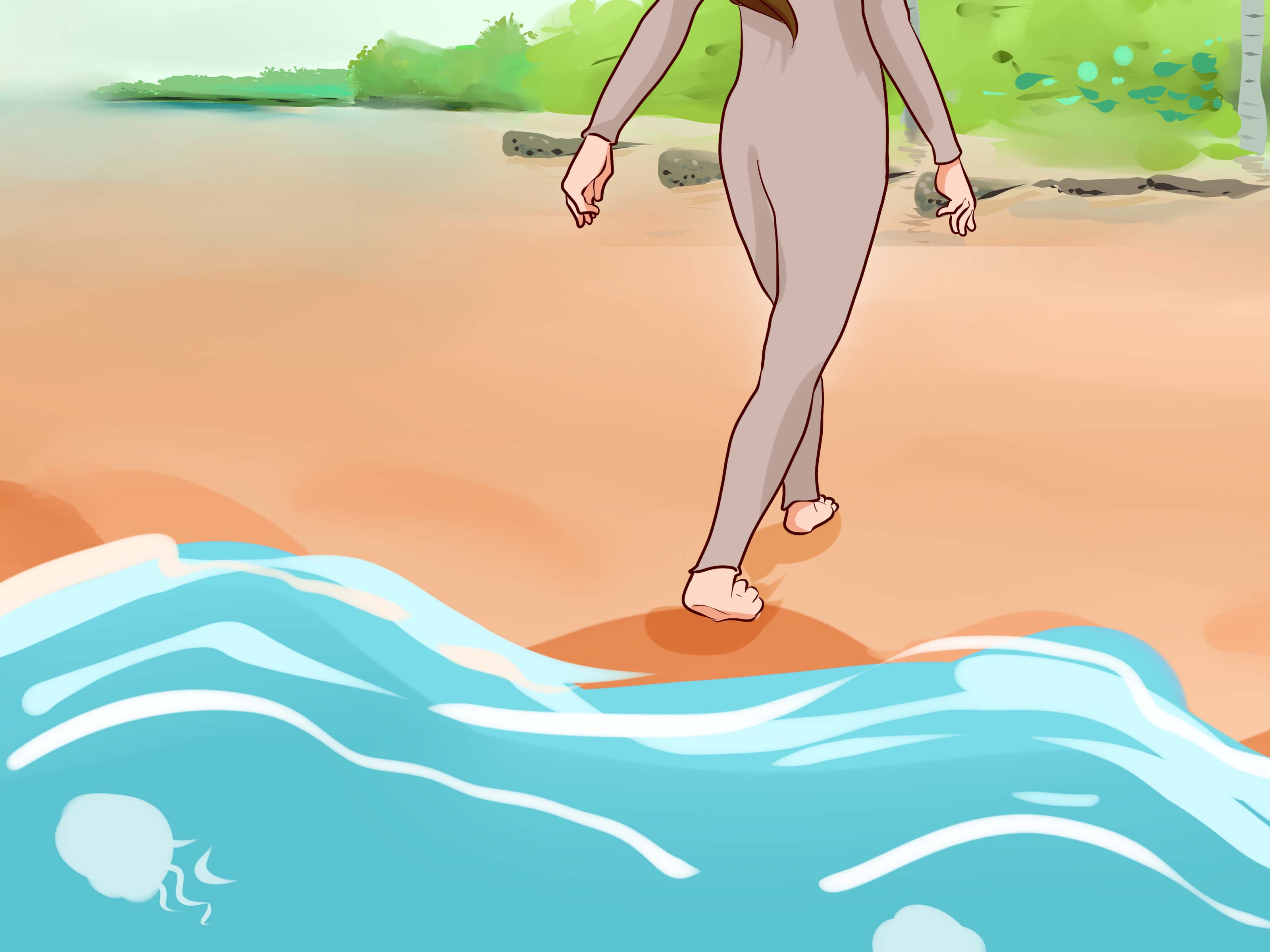
Jellyfish are basically the ocean’s floating mystery noodles. Some are harmless, some are beautiful, and a few can turn a relaxing beach day into an emergency “why is my leg on fire?” situation. The good news is that most jellyfish stings can be avoided with smart planning, a little beach awareness, and the humble ability to not poke weird squishy things in the sand.
This guide explains how to avoid getting stung by jellyfish in 11 practical steps. Whether you are swimming, snorkeling, surfing, paddleboarding, kayaking, or simply wading along the shore like the main character in a sunscreen commercial, these tips will help you reduce your risk and enjoy the water with more confidence.
Jellyfish do not chase people. They drift with currents, winds, tides, and water conditions. That means prevention is mostly about timing, location, protective gear, and common sense. And yes, common sense includes not letting your curious uncle pick up a Portuguese man-of-war “just to see what happens.”
Why Jellyfish Stings Happen
Jellyfish have tentacles lined with microscopic stinging cells called nematocysts. When triggered by touch, pressure, or chemical cues, these cells can inject venom into the skin. A sting may feel like burning, prickling, itching, or a sharp electric zap. Some stings leave red, purple, or raised marks that look like the ocean signed its name on you with a tiny whip.
Most jellyfish stings are painful but not life-threatening. However, some species can cause serious reactions, especially in children, people with allergies, or anyone stung over a large area. The best strategy is simple: avoid contact in the first place.
How to Avoid Getting Stung by Jellyfish: 11 Steps
1. Check Local Beach Reports Before You Go
Before heading to the beach, check local beach conditions, lifeguard updates, park alerts, weather reports, and official tourism or county beach pages. Many coastal areas post daily warnings about dangerous marine life, including jellyfish blooms.
This step matters because jellyfish activity can change quickly. A beach that was clear yesterday may have jellyfish today after a wind shift, warm-water event, storm, or tide change. Think of it like checking traffic before a road trip. You could ignore it, but then you may end up stuck in a painful situation while everyone else says, “Yeah, the warning was posted online.”
If reports mention jellyfish, sea nettles, Portuguese man-of-war, box jellyfish, or “marine pests,” consider choosing another beach or staying out of the water.
2. Learn the Beach Flag System
Many U.S. beaches use colored warning flags. A purple flag often means dangerous marine life has been spotted, which may include jellyfish, stingrays, or other animals. Purple does not always mean “jellyfish everywhere,” but it does mean you should ask a lifeguard what hazard is present before entering the water.
Do not treat a green flag as a magical safety force field. A green flag may suggest lower surf danger, but ocean conditions can still change. Always read posted signs and listen to lifeguards. They are not there for decoration; they are there because the ocean occasionally behaves like it skipped safety training.
3. Swim Near a Lifeguard
Swimming near a lifeguard is one of the easiest ways to improve your safety. Lifeguards often know whether jellyfish are active, where they are concentrated, and whether swimmers have reported stings that day.
If you are visiting an unfamiliar beach, stop by the lifeguard stand and ask, “Any jellyfish today?” That five-second question can save you a lot of discomfort. Lifeguards can also advise whether certain areas are safer, whether currents are pushing jellyfish toward shore, or whether you should stay out of the water entirely.
If no lifeguard is present, be more cautious. Avoid swimming alone, stay close to shore, and do not enter the water if you see jellyfish on the beach or in the surf zone.
4. Avoid Swimming During Jellyfish Blooms
A jellyfish bloom is a large gathering of jellyfish in one area. Blooms can occur when water temperature, food availability, currents, and seasonal conditions line up in jellyfish-friendly ways. Some blooms are obvious because the water looks like someone spilled clear gelatin into it. Others are harder to see until swimmers start getting stung.
If you notice multiple jellyfish in the water, do not “just swim around them.” Tentacles can be difficult to spot, and broken tentacle pieces may still sting. Even if the jellyfish look far away, currents can move them quickly.
When in doubt, stay out. The ocean will still be there tomorrow, and it does not give bonus points for bravery.
5. Watch the Shoreline Before Entering
Before you jump into the water, take a slow look at the shoreline. Scan the wet sand, tide line, shallow water, and surf. If you see jellyfish washed up on the beach, treat that as a warning sign.
Beached jellyfish can still sting, especially if their tentacles are wet. Tentacles that have broken off can also remain active. This means the jellyfish does not need to be alive, whole, or dramatically floating like a movie villain to cause trouble.
Teach kids not to touch jellyfish, even with sticks, shells, flip-flops, or “just one finger.” Also keep pets away from washed-up jellyfish. Dogs are famously enthusiastic about sniffing bad ideas.
6. Wear Protective Clothing in Risky Waters
If you are swimming, diving, snorkeling, or surfing in areas known for jellyfish, wear protective clothing. A full-body swimsuit, rash guard, dive skin, wetsuit, leggings, gloves, booties, or stinger suit can create a physical barrier between your skin and tentacles.
This is especially helpful in tropical and subtropical waters, during jellyfish season, or in places where box jellyfish or Portuguese man-of-war are possible. The more skin you cover, the less target area you offer. Fashion-wise, you may look like a sleek aquatic superhero. Safety-wise, that is a win.
For casual beach days, even a long-sleeve rash guard and swim leggings can reduce exposure. For snorkeling tours, ask the operator whether stinger suits are recommended or provided.
7. Use Jellyfish-Safe Sunscreen or Sting-Inhibiting Lotion Where Appropriate
Some products are designed to reduce the chance of jellyfish tentacles firing against the skin. These are sometimes called jellyfish-safe sunscreens or sting-inhibiting lotions. They are not invisible armor, and they should not replace protective clothing, beach warnings, or common sense.
However, they may add another layer of protection for swimmers, snorkelers, children, and people spending long periods in jellyfish-prone waters. Apply according to the product instructions and reapply after swimming, sweating, or towel drying.
Do not assume regular sunscreen prevents jellyfish stings. Regular sunscreen protects against UV rays; it is not automatically designed to stop stinging cells. Use broad-spectrum sunscreen for sun protection, and choose a sting-inhibiting product only if it is suitable for your activity and location.
8. Avoid Touching Marine Life You Cannot Identify
The ocean is full of creatures that look like toys, plants, balloons, noodles, or alien decorations. Do not touch them. Portuguese man-of-war, for example, may look like a shiny blue or purple floating bubble, but its long tentacles can deliver painful stings.
The same rule applies to clear blobs, colorful strands, floating bells, and anything that looks like it escaped from a science museum. If you are not sure what it is, admire it from a safe distance. Marine life does not need your handshake.
This habit also protects the animals. Many sea creatures are fragile, and touching them can harm them or stress them. Responsible beach behavior keeps both people and wildlife safer.
9. Be Extra Careful After Storms, Strong Winds, and Tide Changes
Jellyfish drift with water movement. Winds, tides, currents, and storms can push them toward shore or concentrate them in swimming areas. After rough weather, check the beach before entering the water, even if the sky is sunny again.
Strong onshore winds may bring floating organisms closer to land. Tide lines may collect jellyfish and loose tentacles. Calm-looking water can still hold stinging hazards, especially in bays, lagoons, and warm shallow areas.
If locals say, “The jellies are bad today,” believe them. Local knowledge is often more useful than pretending your vacation schedule has authority over marine biology.
10. Keep Children Close and Teach Simple Rules
Children are more likely to touch unfamiliar things, run barefoot through wrack lines, or splash into water without scanning first. Teach them a few simple jellyfish safety rules:
- Do not touch jellyfish in the water or on the sand.
- Tell an adult if you see a jellyfish.
- Stay near lifeguards and inside approved swimming areas.
- Get out of the water if someone nearby is stung.
- Do not pick up clear, blue, purple, or stringy sea creatures.
Make it easy to remember: “See jelly, don’t belly-flop.” Is it silly? Yes. Will a kid remember it? Also yes.
11. Know Basic First Aid Before You Need It
Avoidance is the goal, but smart swimmers also know what to do if a sting happens. The first step is to get out of the water calmly to avoid drowning or panic. Alert a lifeguard if one is present.
General first-aid guidance often includes removing visible tentacles carefully with tweezers or gloved hands, rinsing with seawater instead of fresh water, and using hot water for pain relief when appropriate. Fresh water, rubbing with a towel, scraping aggressively, and old myths like urine are not recommended for typical jellyfish sting care.
Seek medical help immediately if the person has trouble breathing, chest pain, severe swelling, weakness, vomiting, dizziness, a widespread reaction, a sting to the face or genitals, or a known severe allergy. Also get help for children, older adults, or anyone stung over a large area.
Best Places to Swim When Jellyfish Are Around
If jellyfish warnings are posted but you still want a beach day, look for safer alternatives. Choose supervised swimming areas, protected pools, splash zones, or beaches with lifeguards who can confirm current conditions. Some destinations may have enclosed swimming areas or seasonal netting, though no barrier is perfect.
Avoid isolated beaches when jellyfish are active. Remote spots may be beautiful, but they may also lack warning signs, lifeguards, first-aid supplies, and fast access to medical help. That secluded cove might look like a screensaver, but if the water is full of stinging tentacles, the better plan is snacks on the sand.
What Not to Do Around Jellyfish
Jellyfish safety is partly about knowing what to do and partly about avoiding classic beach mistakes. Do not swim through visible jellyfish. Do not throw jellyfish at people. Do not step on washed-up jellyfish. Do not collect them in buckets. Do not assume clear jellyfish are harmless. Do not let children use tentacles as “sea spaghetti.”
Also avoid relying on myths. Peeing on a sting is not a smart remedy. Rubbing the area can make things worse. Pouring fresh water on some stings may trigger remaining stinging cells. If a lifeguard gives instructions specific to the local species, follow that guidance.
Common Jellyfish Risk Factors
You may be more likely to encounter jellyfish during warm months, in areas with recent bloom reports, after weather changes, near tide lines, in calm bays, or when winds push surface organisms toward shore. Snorkelers and divers may face added risk because they spend more time in the water and may accidentally brush against tentacles.
People with sensitive skin, allergies, asthma, or previous severe reactions should be especially careful. If you are traveling to a destination known for dangerous jellyfish, research local species before you swim. In some regions, the rules for prevention and first aid may be more specific than general beach advice.
Quick Jellyfish Avoidance Checklist
- Check local beach reports before leaving.
- Look for purple flags or marine-life warnings.
- Ask lifeguards about current jellyfish activity.
- Scan the sand and water before entering.
- Do not touch beached jellyfish or loose tentacles.
- Wear a rash guard, wetsuit, dive skin, or stinger suit in risky areas.
- Consider sting-inhibiting lotion as an added layer, not your only defense.
- Avoid swimming after storms or when jellyfish are visible.
- Keep children and pets away from washed-up marine life.
- Leave the water if people nearby are getting stung.
- Know basic first aid and when to seek medical help.
Conclusion: Enjoy the Ocean Without Becoming a Jellyfish Snack
Learning how to avoid getting stung by jellyfish does not mean being afraid of the ocean. It means respecting it. Jellyfish are part of healthy marine ecosystems, and most of them are not out to ruin your vacation. They are drifting, feeding, surviving, and occasionally getting in the way of your perfect beach selfie.
The best protection is a combination of awareness and preparation. Check beach reports, follow warning flags, swim near lifeguards, avoid visible jellyfish, wear protective clothing when needed, and teach children not to touch mysterious sea creatures. These small habits can make the difference between a great beach day and an uncomfortable lesson in marine biology.
So pack your sunscreen, water bottle, hat, towel, and common sense. The ocean is more enjoyable when you are not sprinting out of it yelling, “Something spicy touched me!”
Real-Life Beach Experiences: What Jellyfish Safety Looks Like in Practice
Anyone who spends enough time near the coast eventually learns that jellyfish safety is less about fear and more about paying attention. One of the most common beach mistakes is assuming that clear water means clear conditions. A family might arrive early, see sparkling waves, and rush straight in. Ten minutes later, someone feels a sharp sting on the ankle. Then another swimmer gets one on the arm. Suddenly everyone notices small translucent shapes bobbing just beyond the break. The signs were there; nobody paused long enough to look.
A better experience starts before the towel hits the sand. Imagine arriving at a Gulf Coast beach and seeing a purple flag under a yellow one. Instead of ignoring it, you ask the lifeguard what is happening. The lifeguard explains that jellyfish have been reported near the second sandbar and that swimmers should stay in the shallow guarded area or wait until conditions improve. That short conversation changes the whole day. The kids build sandcastles, adults wade carefully, and nobody has to test whether the first-aid station has enough vinegar, tweezers, or patience.
Snorkelers often learn another practical lesson: gear matters. A long-sleeve rash guard and swim leggings may feel unnecessary when the water is warm, but they are extremely useful in places where jellyfish drift through reefs or bays. On a snorkeling trip, the person wearing full coverage may enjoy the reef calmly, while the person in a tiny swimsuit spends the whole time wondering whether every floating strand is a tentacle. Protective clothing does not make you invincible, but it reduces exposed skin and boosts confidence.
Parents also discover that jellyfish safety works best when it becomes a game. Before entering the water, ask children to help “inspect the beach.” They can look for flags, signs, lifeguards, and washed-up jellyfish from a safe distance. This turns caution into participation instead of nagging. Kids are much more likely to follow safety rules when they feel like junior beach detectives instead of tiny people being told “no” every six seconds.
Another useful experience comes from beach walking after a storm. The sand may be scattered with shells, seaweed, and jellyfish-like blobs. Some are harmless, some are not, and most people cannot identify them confidently. The safest rule is simple: no touching. Take pictures, enjoy the weird beauty, and keep shoes or sandals on. A washed-up jellyfish can still sting if the tentacles are wet, and loose tentacles can be hard to see. Curiosity is great; curiosity with a little distance is better.
Travelers should also respect local advice. In Hawaii, Florida, Texas, the Carolinas, and other coastal destinations, jellyfish conditions can vary by season and species. Locals, lifeguards, dive shops, park rangers, and tour operators often know patterns that visitors do not. If they recommend a stinger suit, a different beach, or waiting until the tide changes, take the advice seriously. Nobody wants their vacation highlight to be “learned what nematocysts are.”
The most successful beachgoers treat jellyfish prevention like sunscreen: a simple routine that protects the fun. Check conditions, scan the water, respect flags, cover up when needed, and avoid touching marine life. Do those things, and you can spend less time worrying about stings and more time enjoying waves, shells, sunsets, snacks, and the sacred beach tradition of finding sand in places sand should never be.











