
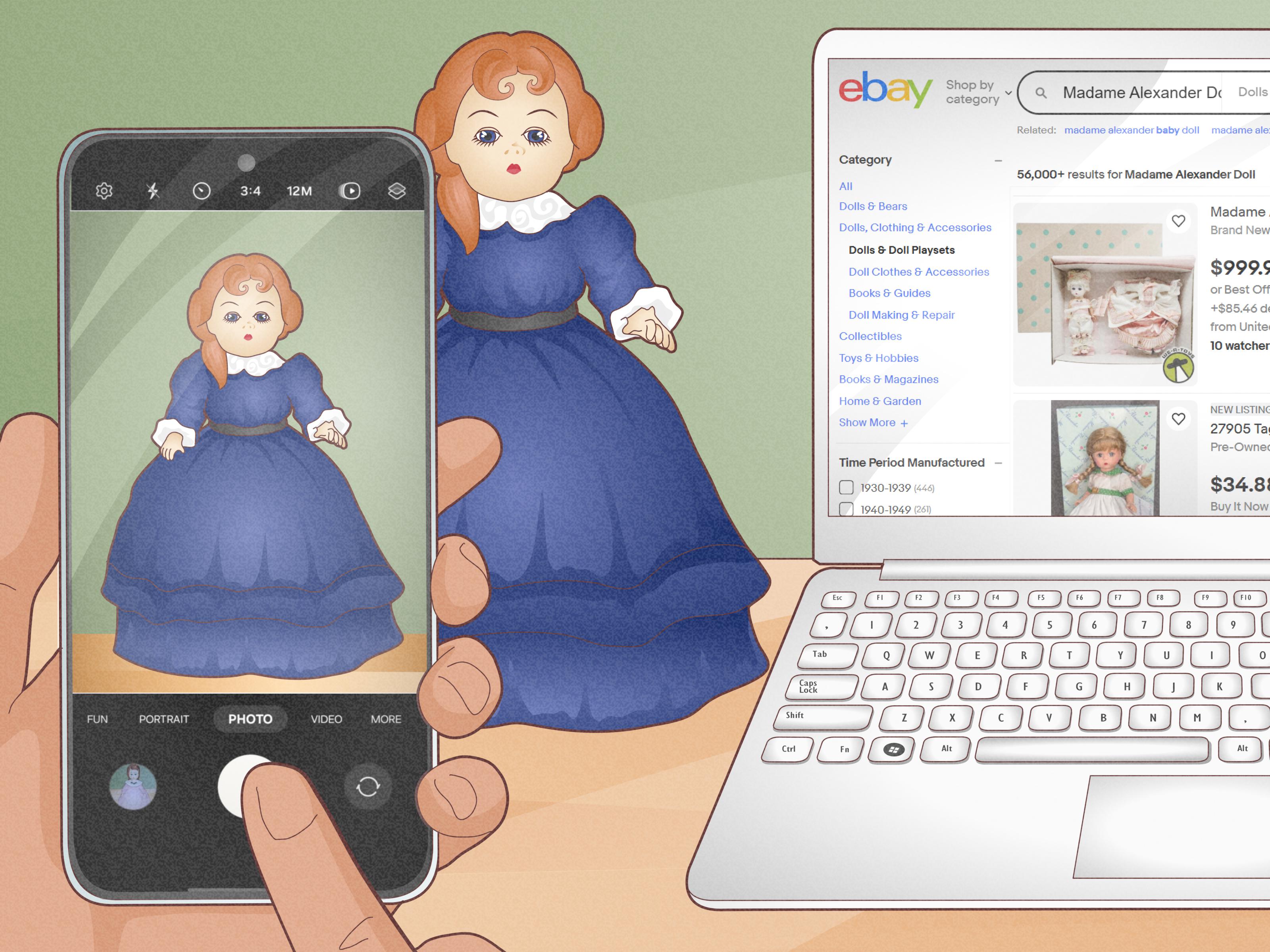
Finding a Madame Alexander doll in a closet, attic, estate box, or grandmother’s carefully guarded “do not touch unless your hands are cleaner than a museum curator’s” cabinet can feel like discovering a tiny, perfectly dressed time traveler. But the big question usually arrives five seconds later: Is this doll valuable?
The honest answer is: maybe. Some Madame Alexander dolls sell for modest amounts, while exceptional examplesespecially rare vintage Cissy dolls, early composition characters, portrait dolls, and dolls with original costumescan reach hundreds, thousands, and occasionally much more. The trick is learning how collectors judge value: not by nostalgia alone, but by age, condition, rarity, originality, desirability, documentation, and market demand.
This guide explains how to assess a Madame Alexander doll’s value and rarity like a thoughtful collector, not like someone panic-searching an auction site at midnight while whispering, “Please be worth college tuition.”
Why Madame Alexander Dolls Matter to Collectors
Madame Alexander dolls are collectible because they sit at the intersection of American toy history, fashion design, storytelling, and craftsmanship. Beatrice Alexander Behrman founded the Alexander Doll Company in 1923, and the brand became known for detailed costuming, literary characters, fashion dolls, international dolls, baby dolls, and celebrity-inspired designs.
Collectors especially admire the company’s ability to turn a doll into a character. A Madame Alexander doll was rarely just “a doll in a dress.” She might be Scarlett O’Hara, Queen Elizabeth II, Wendy, Elise, Cissy, Jo March, a bride, a ballerina, a First Lady, or a beautifully costumed international figure. That storytelling is part of the value.
One of the most famous Madame Alexander creations is Cissy, introduced in 1955. Cissy is widely recognized as one of America’s early fashion dolls and appeared before Barbie. With high-heeled feet, elegant clothing, and a couture-inspired wardrobe, Cissy remains one of the most desirable names in the Madame Alexander market.
Step 1: Identify the Doll Correctly
Before estimating value, identify exactly what you have. This is where many beginners accidentally sprint into confusion. Madame Alexander used similar face molds across multiple dolls, so the outfit, size, body type, hairstyle, materials, and accessories can be just as important as the face.
Check the Doll’s Size
Measure the doll from the top of the head to the heel. Common Madame Alexander sizes include 8-inch Alexander-kins and Wendy dolls, 10-inch and 14-inch character dolls, 18-inch play dolls, and 20- to 21-inch Cissy dolls. Size helps narrow the category quickly.
Look for Tags and Labels
Original clothing tags are extremely helpful. Many Madame Alexander garments have sewn-in tags, often reading “Madame Alexander” or “Alexander.” A tagged dress, coat, slip, hat, or accessory can help confirm identity and increase value.
Wrist tags also matter. A doll with its original wrist tag usually attracts stronger collector interest than the same doll without it. That little paper tag may look fragile, but in the doll world it can behave like a tiny passport.
Study the Costume
Because many dolls share similar faces, the costume often identifies the character. A Cissy in an original tagged dress, correct shoes, stockings, jewelry, hat, gloves, handbag, and undergarments is much easier to value than a nude doll wearing a mystery outfit from someone’s 1970s sewing basket.
Compare your doll’s clothing to collector books, museum examples, auction archives, and reputable dealer listings. Pay attention to fabric, trim, closures, hat style, shoes, jewelry, and color combinations.
Step 2: Determine the Era and Material
Age affects value, but older does not automatically mean more valuable. A rare, excellent-condition 1950s Cissy may be worth far more than a damaged older composition doll. Still, material and production era are major clues.
Cloth and Early Dolls
Early Alexander dolls from the 1920s and 1930s can be desirable, especially if they are rare characters or retain original clothing. These dolls may require expert evaluation because condition, restoration, and provenance matter heavily.
Composition Dolls
Composition dolls were made from a molded material often used before hard plastic became common. They can be valuable, but condition is everything. Composition can crack, craze, flake, or discolor. A scarce character in excellent original condition is much more desirable than one with heavy cracking or repainting.
Hard Plastic Dolls
Postwar hard plastic Madame Alexander dolls are a major collecting category. The 1950s are especially important because of dolls like Cissy, Cissette, Elise, Lissy, Wendy, Alexander-kins, and other beloved lines. Hard plastic bodies should be checked for cracks, splits, loose joints, stains, and replaced parts.
Vinyl and Modern Collectibles
Later vinyl and modern collectible dolls can still have value, particularly limited editions, club dolls, designer collaborations, and dolls in mint condition with boxes and certificates. However, many modern dolls were produced in larger quantities, so rarity and demand vary widely.
Step 3: Evaluate Condition Like a Collector
Condition can make or break value. Two dolls that look similar at first glance may differ dramatically in price because one is crisp, original, and complete, while the other has a cracked torso, replaced wig, missing shoes, and a dress that has seen things no doll dress should see.
Body Condition
Inspect the head, torso, arms, legs, and joints. Look for cracks, splits, repairs, warped plastic, missing fingers, loose stringing, stains, and odors. On Cissy dolls, collectors often check for torso splits, knee and elbow condition, high-heel feet, and joint stability.
Face and Paint
Original face paint is important. Check eyebrows, lashes, lips, cheek color, and eyes. Sleep eyes should open and close properly. Cloudy eyes, missing lashes, repainting, scratches, or faded features can reduce value.
Hair and Wig
Original wigs add value. A clean, intact wig in the correct style is much better than a replacement wig, even if the replacement looks glamorous enough to attend a tiny awards show. Watch for haircuts, glue residue, missing curls, or restyling that changes the doll’s original look.
Clothing Condition
Collectors love crisp original clothing. Look for stains, fading, holes, odors, missing snaps, replaced trim, stretched elastic, damaged lace, and repairs. A tagged outfit in excellent condition can sometimes be more valuable than the doll itself, especially for rare Cissy ensembles.
Step 4: Confirm Originality
Originality is one of the biggest value drivers. A doll that remains close to how it left the factory usually commands more interest than a doll assembled from mismatched parts.
Ask these questions:
- Is the outfit original to this doll?
- Are the shoes, stockings, hat, gloves, jewelry, purse, and undergarments correct?
- Is the wig original?
- Has the face been repainted?
- Are the body parts correct for the doll’s year and model?
- Does the doll have its wrist tag, box, hang tag, booklet, or certificate?
Original boxes can add value, especially when the box label matches the doll. However, a box alone does not prove originality. Dolls and boxes can be paired later, so compare labels, model numbers, size, and costume details.
Step 5: Understand Rarity
Rarity is not just age. A doll can be old and common, or newer and scarce. True rarity usually comes from limited production, short production runs, special-event releases, unusual costumes, hard-to-find color variations, or exceptional survival in complete condition.
Rare Does Not Always Mean Valuable
Here is the collector-market plot twist: rarity only matters if people want the doll. A rare doll with limited demand may sell for less than a more common doll with a passionate collector base. Value is created when rarity meets desirability.
High-Interest Madame Alexander Categories
Collectors often pay special attention to early composition dolls, portrait series dolls, Scarlett O’Hara dolls, Little Women dolls, Cissy and her wardrobe, Elise, Cissette, Alexander-kins, Wendy, limited club dolls, and dolls with documented provenance. Cissy remains especially strong because fashion-doll collectors, Madame Alexander collectors, and mid-century design lovers all overlap in that market.
Step 6: Compare Real Market Prices
To estimate value, do not rely only on asking prices. A seller can list a doll for $3,000, but that does not mean the doll is worth $3,000. It may simply mean the seller is optimistic, emotionally attached, or hoping the doll is secretly made of moonlight and diamonds.
Use sold prices whenever possible. Check completed auction results, reputable doll auction houses, dealer archives, collector sales, and sold marketplace listings. Compare dolls that match yours in era, size, outfit, condition, completeness, and originality.
Examples of Market Differences
A modern Madame Alexander doll without its box might sell modestly. An 8-inch doll from a common series may bring a small to moderate price depending on condition. A 1950s Cissy in a partial outfit may sell for far less than a Cissy in a rare, complete, tagged ensemble. Exceptional Cissy dolls and rare early portrait dolls have achieved several thousand dollars at auction, while ordinary or damaged examples may sell for much less.
This is why identification must come before valuation. “Madame Alexander doll” is too broad. “1955 Cissy in original Walking the Dog ensemble with correct accessories and excellent body condition” is the kind of description that helps determine real value.
Step 7: Make a Practical Value Estimate
Once you have identified the doll and assessed condition, create a realistic range instead of a single magic number. Doll values fluctuate based on season, collector demand, auction visibility, and presentation quality.
A Simple Valuation Formula
Use this practical approach:
- Start with identification: name, year, size, material, and model if known.
- Add condition: mint, excellent, very good, good, fair, or poor.
- Add originality: original outfit, replaced pieces, missing parts, restoration, or repainting.
- Add completeness: shoes, hat, jewelry, undergarments, box, tag, booklet, certificate.
- Add market demand: compare sold examples, not fantasy listings.
For example, a 1950s Cissy with an original tagged dress, correct accessories, clean face, good joints, and no major cracks may attract serious collector interest. The same doll with a split torso, replaced wig, missing shoes, and borrowed clothing will likely fall into a lower price range.
Common Features That Increase Value
Collectors generally pay more for dolls with:
- Original tagged clothing
- Original wrist tag
- Original box with correct label
- Complete accessories
- Excellent face paint
- Original wig and hairstyle
- No cracks, stains, odors, or major repairs
- Rare costume or character
- Strong collector demand
- Documented provenance or auction history
Common Problems That Lower Value
Value may drop when a doll has:
- Missing or mismatched clothing
- Repainted face
- Replacement wig
- Cracked composition or hard plastic
- Strong odors from smoke, mildew, or storage
- Stained fabric or body
- Loose or broken joints
- Missing eyelashes or cloudy sleep eyes
- Incorrect shoes or accessories
- Poor-quality restoration
Restoration is not always bad, but it must be disclosed. Professional conservation may preserve a rare doll, while amateur repainting can reduce value. In collectibles, honesty is not just politeit is profitable.
How to Photograph a Madame Alexander Doll for Appraisal or Sale
Good photos help experts and buyers assess value. Take pictures in natural light against a plain background. Avoid filters. Your doll does not need “glamour mode”; she needs clarity.
Photograph the front, back, side, face close-up, hair, hands, feet, clothing tags, wrist tag, shoes, accessories, box label, and any damage. If there is a crack, stain, or repair, show it clearly. Serious collectors appreciate transparency and may still buy a flawed doll if they know exactly what they are getting.
Where to Get a Madame Alexander Doll Appraised
If you believe your doll may be rare or valuable, consider getting an opinion from a specialist. Options include antique doll dealers, established doll auction houses, collector clubs, specialty appraisal services, and experienced Madame Alexander collectors.
For insurance, estate, or donation purposes, a written appraisal from a qualified professional may be necessary. For casual resale, sold-price research and collector feedback may be enough.
Tips for Selling a Madame Alexander Doll
Choose the selling venue based on the doll’s quality. A common modern doll may do fine on a general marketplace. A rare Cissy, early portrait doll, or high-value collection may perform better through a specialist auction house or established doll dealer.
When writing a listing, include the doll’s name, approximate year, size, material, condition, tags, accessories, box status, and any flaws. Avoid vague phrases like “very old doll worth a fortune.” Collectors prefer facts. Also, pack carefully. A doll that survives 70 years should not be defeated by one flimsy shipping box and a handful of wishful thinking.
Personal Experiences and Practical Lessons from Assessing Madame Alexander Dolls
One of the most useful lessons in assessing Madame Alexander dolls is that the first impression is often incomplete. A doll may look ordinary until you notice a tiny clothing tag, a correct hat, or a box label that changes the entire story. On the other hand, a doll may look impressive in a fancy gown but turn out to be a later redressed doll with limited collector value. The details do the talking.
A smart approach is to slow down. Lay the doll on a clean towel, remove nothing aggressively, and document everything before making changes. Many beginners accidentally reduce value by washing clothing, restyling hair, replacing shoes, or throwing away a damaged box. Even a worn box can help identify a doll. Even a faded wrist tag can matter. In doll collecting, “old and imperfect” is often better than “newly improved.”
Another practical experience: accessories are sneaky. Tiny shoes, stockings, gloves, hats, purses, jewelry, and slips are easy to lose, yet they can strongly affect value. A Cissy doll with her correct accessories feels complete, like a fashion story with the final chapter intact. Without them, the doll may still be desirable, but the price can change significantly.
Condition grading also takes practice. A beginner may describe a doll as “excellent” because she looks pretty on a shelf. A collector may notice missing eyelashes, a loose knee, a faint cheek rub, a replaced wig, or a small torso split. That does not mean the doll is worthless. It simply means the value estimate must be realistic.
Market research teaches humility. Sometimes a doll you expect to be valuable is common. Sometimes a doll you almost overlook has a rare outfit. Search results can be misleading because asking prices are not sold prices. The best habit is to compare several completed sales and focus on examples that truly match yours. Same brand is not enough. Same doll, same outfit, same condition, and same completeness is the goal.
Finally, remember that value is not only financial. Many Madame Alexander dolls carry family history. A doll that is worth $75 on the market may be priceless to the person who remembers receiving it for a birthday, arranging it on a bedroom shelf, or being told not to touch it and touching it anyway. If you plan to sell, research carefully. If you plan to keep it, store it properly, preserve the tags, and write down its story. Future collectors love provenance, and future relatives love knowing why the tiny lady in the satin dress was important.
Conclusion
Assessing a Madame Alexander doll’s value and rarity is part detective work, part fashion history, and part patience test. The most valuable dolls are usually well-identified, original, complete, clean, structurally sound, and desirable to current collectors. Cissy dolls, early character dolls, portrait dolls, rare costumes, and dolls with original boxes and tags often deserve special attention.
Start with identification, examine condition honestly, verify originality, compare sold prices, and ask specialists when a doll appears rare. With the right research, you can separate a charming keepsake from a serious collectibleand avoid the classic mistake of assuming every old doll is either worthless or a retirement plan in ruffled sleeves.
Editorial note: Doll values change with condition, demand, and recent sales. Use this guide as an educational starting point and verify current sold prices before buying, selling, insuring, or appraising a specific Madame Alexander doll.













