
Vicks VapoRub has been hanging around medicine cabinets for generations, usually next to a digital thermometer, three mystery cough drops, and at least one expired bandage that nobody wants to discuss. It is famous for its bold smell, its bedtime nostalgia, and the way it can make a miserable cold feel a little less dramatic. But there is still a lot of confusion around one very basic question: where exactly are you supposed to put Vicks VapoRub?
That question matters more than people think. Used the right way, Vicks VapoRub can temporarily relieve cough associated with a common cold and ease minor muscle and joint aches. Used the wrong way, it can irritate skin, bother sensitive areas, or create safety problems, especially for young children. In other words, this is not a “slather first, ask questions later” product.
This guide breaks down how to apply Vicks VapoRub, where to apply Vicks, where not to use it, what it actually does, and what popular internet advice gets hilariously wrong. We will also cover use in kids, common mistakes, and the surprisingly large gap between official directions and family folklore.
What Is Vicks VapoRub Actually For?
Before talking about placement, it helps to know what the product is designed to do. Vicks VapoRub is a topical ointment made with active ingredients such as menthol, camphor, and eucalyptus oil. On-label, it is used for two main purposes:
- Temporary relief of cough associated with minor throat and bronchial irritation from the common cold
- Temporary relief of minor aches and pains in muscles and joints
That means Vicks is not a magic cure for every cold symptom under the sun. It is not an antibiotic, not a fever reducer, and not a true nasal decongestant in the way a medicated nasal spray or oral decongestant works. It is more of a comfort-forward over-the-counter classic: the kind of product that says, “I cannot fix your entire week, but I can make tonight less awful.”
Where to Apply Vicks VapoRub
1. Apply It to the Chest and Throat for Cough Relief
If you are using Vicks for a cold-related cough, the intended application area is the chest and throat. That is the main answer to the question, “Where do you apply Vicks for congestion and coughing?”
For cough suppression, the usual method is to rub a thick layer on the front of the chest and throat area. After that, keep clothing loose so the vapors can rise toward the nose and mouth. Some people cover the area loosely with a warm, dry cloth, which is consistent with product directions. The goal is not to suffocate yourself in ointment or to wear three turtlenecks like a Victorian orphan. The goal is to let the aromatic vapors do their thing.
This chest-and-throat placement matters because the product works partly through the sensation created by its vapors. If the vapors are nowhere near your nose and mouth, you are not really giving the product a fair shot.
2. Apply It to Sore Muscles and Joints for Minor Aches
Vicks VapoRub can also be used on the affected muscle or joint area when the goal is temporary relief of minor aches and pains. Think sore shoulders, an overworked lower back, or calves that are filing a complaint after leg day.
In that case, you apply it directly to the sore area. This is not the same as the cough routine. You are not using it for vapors as much as for the cooling, warming, distracting counterirritant effect that topical rubs are known for. It will not repair a strained muscle, but it may make the area feel more comfortable for a while.
3. Can You Put Vicks on Your Feet?
Ah yes, the famous feet question. Many people swear by rubbing Vicks on the bottoms of the feet at night and then pulling on socks like they are preparing for a folk-remedy championship. It is a very common home ritual.
Here is the practical answer: putting Vicks on your feet is not the label-backed way to treat cough or congestion. If you are hoping it will clear a stuffy nose or quiet a cold just because it is on your soles, the evidence is weak to nonexistent. The product works best for cold symptoms when applied to the chest and throat, where the vapors are actually close to your airway.
That said, adults may still use it on their feet for comfort reasons, mild soreness, or dry-skin routines. Just do not confuse “this feels cozy” with “this is the medically preferred application for a cough.” They are not the same thing.
Where Not to Apply Vicks
This section is the unsung hero of the article, because avoiding the wrong spots is just as important as choosing the right ones.
Do Not Put Vicks:
- Inside the nose or nostrils
- In or near the eyes
- Inside the mouth
- On broken, cut, irritated, or damaged skin
- Under tight bandages
- On children younger than 2 years old unless a doctor specifically advises it
Putting Vicks under the nose is one of those old-school habits that refuses to retire, but it is not recommended. Sensitive tissues in and around the nostrils can get irritated, and accidental ingestion becomes more likely. Broken skin is also a bad idea because ingredients such as camphor can be absorbed more easily and cause more irritation or toxicity.
And no, you should not heat it, microwave it, or add it to hot water for some DIY “super steam” situation. That turns a simple over-the-counter remedy into an avoidable safety problem.
How to Apply Vicks VapoRub Step by Step
If you want the simplest safe routine, here it is.
For Cough and Cold Symptoms
- Make sure the skin on your chest and throat is clean and dry.
- Scoop out a modest amount of Vicks VapoRub.
- Rub a thick layer on the chest and front of the throat.
- Leave clothing loose around the area so vapors can rise.
- Use up to three times daily, or as directed by a doctor.
For Muscle and Joint Aches
- Apply a small amount to the sore area.
- Rub it in gently.
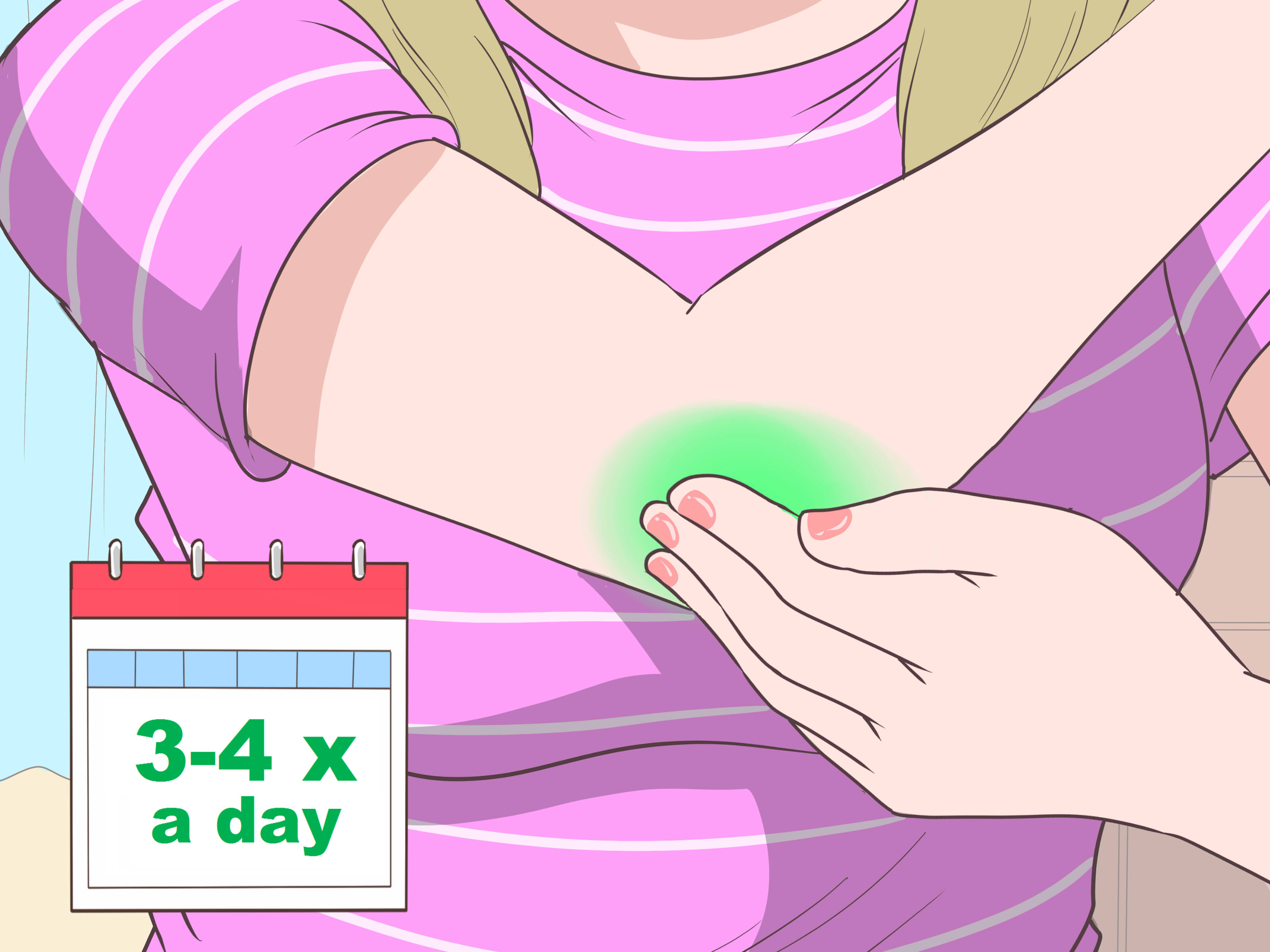
- Repeat up to three to four times daily if needed.
- Wash hands after applying unless your hands are the treatment area.
If you accidentally get it in your eyes, nose, or mouth, rinse well and stop pretending your medicine cabinet is a chemistry lab.
How Vicks Works and What It Does Not Do
Vicks VapoRub has a powerful smell, and that smell is part of why people love it. Menthol creates a cooling sensation that can make breathing feel easier. But there is a difference between feeling clearer and being less congested.
Vicks does not literally open blocked nasal passages the way a true decongestant can. Instead, the strong aroma can trick your brain into perceiving airflow more favorably. That may sound underwhelming, but perception matters when you are trying to fall asleep with a cold and feel like your face has turned into a traffic jam.
There is also some evidence that vapor rub can improve nighttime comfort in children with colds when applied as directed. In studies, families reported better sleep and less bothersome cough compared with no treatment or plain petrolatum. That does not make it a cure, but it does support why it remains a popular bedtime remedy.
How Often Can You Use Vicks?
For cough relief, the typical recommendation is up to three times per day. For muscle and joint aches, it is generally three to four times per day. More is not automatically better. If you pile it on every hour, you are not unlocking a secret bonus level. You are just increasing the odds of greasy pajamas, skin irritation, and regret.
If symptoms are not improving, the solution is not unlimited ointment. The solution is to step back and decide whether the problem needs different treatment or medical attention.
Using Vicks on Children
Parents ask this constantly, and for good reason. Children are more sensitive to mistakes with topical products.
For kids, the big rule is simple: do not use Vicks VapoRub on children under age 2. For children 2 and older, use it only as directed, usually on the chest and the front of the neck area for cough relief. Keep it away from the nose, mouth, eyes, and any damaged skin.
Also store it out of reach. Camphor-containing products can be dangerous if swallowed. That is not a theoretical warning written by a nervous lawyer. Accidental ingestion can be serious, especially in toddlers.
Common Mistakes People Make With Vicks
- Putting it under the nose: Not recommended, and it can irritate sensitive tissue.
- Using it on broken skin: More sting, more irritation, more risk, zero benefit.
- Using it on babies: Vicks VapoRub is not for children under 2.
- Heating it up: Never microwave it or add it to hot water.
- Applying too much: The scent is strong enough without frosting yourself like a menthol cupcake.
- Expecting it to cure a cold: It helps with symptom relief, not the virus itself.
- Confusing chest use with feet folklore: For cough and congestion, chest and throat remain the intended spots.
Possible Side Effects and Safety Tips
Most people who use Vicks as directed do fine, but side effects can happen. Mild skin irritation, redness, dryness, or a burning sensation are possible. Some people may develop a rash or allergic reaction. If the area becomes increasingly uncomfortable instead of mildly soothing, wash it off and stop using it.
If you are pregnant or breastfeeding, read the label carefully and ask a healthcare professional before use. That is especially important because topical products can seem deceptively casual, even though they still contain active ingredients.
And again, it bears repeating: never swallow Vicks VapoRub. If accidental ingestion happens, treat it as a poisoning risk, not as a quirky household mishap.
When to See a Doctor Instead of Reaching for More Vicks
Vicks can be a useful comfort measure, but it should not delay medical care when something more serious is going on.
Seek medical advice if:
- A cough lasts more than a week
- The cough keeps coming back
- The cough comes with fever, rash, or persistent headache
- There is wheezing, shortness of breath, or chest pain
- A child is struggling to breathe, drink fluids, or stay awake
- Someone may have swallowed the product
In other words, Vicks is a symptom helper, not a substitute for a diagnosis.
Experience-Based Insights: What People Commonly Notice When Using Vicks
One reason Vicks VapoRub has survived generation after generation is that the experience of using it feels immediate, memorable, and oddly comforting. People often describe the first moment after application the same way: the smell hits fast, the chest feels cool, and the whole routine signals that bedtime relief is finally on the schedule. Even before sleep improves, the ritual itself can be calming. That matters more than many people realize, especially when a cold has turned the night into a coughing marathon.
Many adults say the best results come when they use Vicks exactly as directed instead of improvising with random body parts. Applying it to the chest and throat before bed, wearing a loose T-shirt, and keeping the room comfortably humid tends to feel more effective than smearing it anywhere and hoping for a miracle. The experience people often report is not “my nose instantly opened like a garage door.” It is more like, “I felt like breathing was easier, my cough bugged me less, and I actually got some sleep.” That is a very different claim, but it is also a more honest one.
Parents and caregivers frequently describe Vicks as part of a larger comfort routine rather than a standalone hero. A warm bath earlier in the evening, fluids, a humidifier, and then a chest rub at bedtime often become the full game plan. In research on nighttime cold symptoms, families rated vapor rub favorably for cough and sleep, which lines up with what many households say they notice in real life: not a cure, but a decent improvement in how rough the night feels.
People also report a few practical annoyances. The ointment can feel greasy. It can cling to pajamas. If you use too much, the smell may go from reassuring to “my bedroom now smells like a eucalyptus convention.” Sensitive skin can react with mild redness or irritation, so a smaller amount is often smarter than a heroic scoop. For sore muscles, users commonly notice a cooling sensation first, then a more general feeling of relief that helps them rest or relax, even if the underlying cause of the pain has not disappeared.
As for the feet trick, plenty of families still swear by it, especially with socks at bedtime. The experience they describe is usually comfort, warmth, and the feeling that they are doing something helpful. That emotional benefit is real, but it is still worth separating from evidence-backed cold treatment. If the goal is cough relief, the chest and throat remain the most sensible places to apply Vicks. If the goal is a cozy nighttime ritual for tired feet, that is a different conversation entirely.
The biggest real-world lesson is this: people tend to have the best experience with Vicks when they use it for the jobs it is actually designed to do. Applied correctly, it can make nights more manageable, muscles less cranky, and colds a little less theatrical. Applied randomly, it mostly just makes your socks smell intense.
Final Takeaway
If you have been wondering how to apply Vicks VapoRub, the short answer is refreshingly simple. For cough and cold symptoms, apply it to the chest and throat. For minor muscle and joint aches, apply it to the affected area. Do not put it in the nose, near the eyes, in the mouth, on broken skin, or on children under 2.
Vicks works best as a symptom reliever and comfort tool. It can make you feel less congested, calm a cough enough to help with sleep, and provide temporary relief for sore muscles. It is not a cure-all, and it definitely does not need freestyle creativity to do its job. Sometimes the old-school remedy works best when you simply read the label and let the chest rub be a chest rub.












