
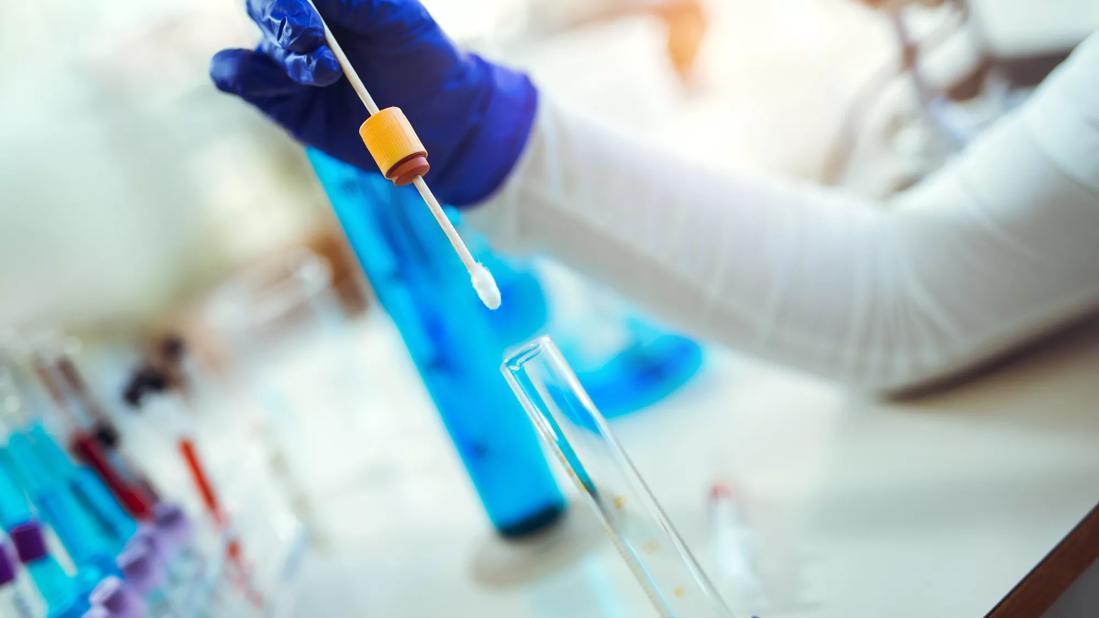
DNA self-testing kits have become the modern version of asking, “So, where am I really from?” Instead of grilling your grandparents at Thanksgiving, you spit in a tube, mail it away, and wait for a website to tell you that you are 18% Irish, 12% Scandinavian, 4% mystery soup, and possibly genetically inclined to dislike cilantro. Fun? Absolutely. Scientifically interesting? Very. Perfectly accurate? Well, let’s slow the lab coat down for a minute.
The accuracy of DNA self-testing kits depends on what kind of result you are looking at. An ancestry estimate is not the same thing as a clinical genetic test. A trait prediction about whether you may prefer sweet snacks is not the same as a medically confirmed result about cancer risk. And a “health risk” report from a direct-to-consumer DNA test should never be treated like a doctor tapped you on the shoulder and handed you a crystal ball.
So, how accurate are DNA self-testing kits? The honest answer is: often accurate for identifying many genetic markers, useful for ancestry clues and family matching, but limited and sometimes misleading for health-related conclusions. In other words, your DNA kit can be a fascinating flashlight, but it is not the sun.
What Are DNA Self-Testing Kits?
DNA self-testing kits, also called at-home DNA tests or direct-to-consumer genetic tests, are tests you buy online or in stores without necessarily going through a healthcare provider. Most kits ask you to provide a saliva sample or cheek swab, seal it in a prepaid package, and send it to a laboratory. After the lab processes your sample, you receive digital results through an online account.
These kits can focus on several categories, including ancestry, biological relatives, inherited traits, carrier status, wellness reports, and selected health risk markers. The most popular versions promise to connect people with their ethnic background, family tree, or genetic traits. More advanced kits may offer information about selected genetic variants linked to conditions such as hereditary cancer risk, medication response, or inherited diseases.
The important word here is “selected.” Most consumer DNA tests do not read your entire genome from beginning to end like a dramatic sci-fi scanner. Many use genotyping, which checks specific locations in your DNA known as SNPs, or single nucleotide polymorphisms. Think of it as reading highlighted sentences in a huge encyclopedia instead of reading every page.
How DNA Self-Testing Kits Work
After your sample reaches the lab, technicians extract DNA and analyze selected genetic markers. Those markers are compared with reference databases. For ancestry reports, your DNA is compared with data from groups of people whose family histories are associated with certain regions. For relative matching, your results are compared with other users in the same company’s database. For health reports, the test may look for specific variants that research has connected to certain risks.
This is where accuracy gets complicated. The lab may accurately detect whether a certain DNA marker is present. But the interpretation of that marker can be much less certain. A marker might be strongly linked to one condition, weakly associated with another, common in one population, rare in another, or not very meaningful unless it is considered alongside family history, lifestyle, age, sex, environment, and medical background.
That means DNA testing has two kinds of accuracy: technical accuracy and interpretive accuracy. Technical accuracy asks, “Did the lab correctly identify this DNA marker?” Interpretive accuracy asks, “Does this result mean what the report says it means?” The first can be strong. The second often requires context, and context is where consumer DNA kits sometimes walk into the room wearing clown shoes.
Are DNA Self-Testing Kits Accurate for Ancestry?
For broad ancestry estimates, DNA self-testing kits can be reasonably accurate. If your family background is largely from East Asia, West Africa, Northern Europe, or Indigenous American populations, a major DNA testing company will usually identify broad regional ancestry in a way that makes sense. The technology is especially good at finding genetic similarities between you and large reference groups.
But ancestry percentages are still estimates, not exact measurements. When a report says you are 27% from a particular region, it does not mean a tiny genealogical accountant found the receipt. It means your DNA resembles the company’s reference samples from that region at a certain level of probability.
Why Ancestry Results Can Change Over Time
Many users are surprised when their ancestry results update. One year they are 9% Scottish; the next year they are 14% Irish and suddenly questioning every family recipe. These changes usually happen because companies update their algorithms, add more reference samples, or refine how they define geographic regions.
This does not mean the first test was fake. It means ancestry analysis is statistical. It improves as databases grow. Populations have migrated, mixed, and overlapped throughout history, so drawing clean genetic borders on a map is harder than it looks. DNA does not care about modern passports.
Where Ancestry Kits Are Strongest
DNA self-testing kits are strongest at broad continental or regional ancestry estimates and biological relative matching. If a test identifies a parent-child relationship, sibling relationship, or close cousin match, that result is usually very reliable when enough shared DNA is present. Relative matching is based on shared DNA segments, making it one of the more concrete features of consumer genetic testing.
Where Ancestry Kits Are Weaker
They are weaker when estimating very specific ethnic percentages, small ancestry segments, or regions with limited reference data. People from underrepresented populations may receive less precise results because the company has fewer comparison samples. This is one reason two different DNA companies may give you slightly different ancestry breakdowns from the same DNA.
Are DNA Self-Testing Kits Accurate for Health Risks?
Health-related DNA reports are where consumers need to be extra careful. Some direct-to-consumer genetic tests are authorized to report selected health risks, but selected does not mean complete. A report might test for a handful of variants in a gene while thousands of other medically relevant variants are not included.
For example, some consumer BRCA-related reports look for selected variants associated with breast, ovarian, prostate, or pancreatic cancer risk. A positive result may be important and worth discussing with a healthcare professional. But a negative result does not necessarily mean you have no inherited cancer risk. It may simply mean the specific variants tested were not found.
That distinction matters. A “variant not detected” message can feel comforting, but it may not be the same as a full clinical genetic test. Clinical testing ordered through a healthcare provider often uses more comprehensive methods and is interpreted in the context of personal and family medical history.
The False Positive Problem
Some studies have found that a notable share of concerning variants reported through consumer raw DNA data or third-party interpretation tools turned out to be false positives when checked by clinical laboratories. A false positive means the result suggests a risky variant is present when it is not actually there. That can cause stress, unnecessary appointments, and late-night internet spirals that begin with “What does this gene mean?” and end with you reading a forum from 2012 at 2:00 a.m.
This is why health-related findings from DNA self-testing kits should be confirmed through a clinical laboratory before any medical decision is made. Do not schedule surgery, stop medication, change cancer screening, or panic-text your entire family based only on a consumer DNA report.
The False Negative Problem
A false negative can be just as concerning. This happens when the test does not identify a risk variant that is actually present. Because many consumer kits check only selected markers, they may miss rare or family-specific variants. For inherited cancer risk, cardiovascular conditions, or medication response, missing a variant can give someone false reassurance.
That does not make consumer DNA kits useless. It means they are screening tools with limitations, not final medical verdicts. For people with a strong family history of cancer, sudden cardiac death, inherited disease, or unusual reactions to medication, a healthcare provider or genetic counselor is the better starting point.
Consumer DNA Testing vs. Clinical Genetic Testing
The biggest misunderstanding about DNA self-testing kits is that they are the same as clinical genetic tests. They are not. A consumer test is designed for general access, convenience, and curiosity. A clinical genetic test is ordered or supervised by a healthcare professional for a medical reason.
Clinical genetic testing may include full gene sequencing, deletion and duplication analysis, copy number analysis, or other methods chosen for a specific condition. The results are reviewed using medical guidelines and interpreted with personal and family history. In many cases, genetic counseling is part of the process.
Consumer testing, by contrast, often gives results directly through an app or website. That can be empowering, but it can also leave users alone with complicated information. DNA is not exactly light reading. It is more like a 3-billion-letter instruction manual with footnotes written by biology.
Factors That Affect DNA Test Accuracy
1. The Type of Test
Ancestry matching, relative matching, trait prediction, carrier screening, and health risk testing are not equal. Relative matching tends to be highly reliable for close relationships. Ancestry estimates are useful but approximate. Trait predictions can be entertaining but often limited. Health reports require the most caution.
2. The Size and Diversity of the Database
A company with a larger, more diverse reference database can often provide better ancestry estimates and relative matches. If your background is underrepresented in the database, your results may be broader or less precise.
3. The Number of Variants Tested
A test that examines only selected genetic variants cannot rule out every possible disease-related variant. This is especially important for genes with thousands of known variants. A limited test can answer a limited question, not every question.
4. Sample Quality
Eating, drinking, smoking, or contaminating the sample before collection can affect the testing process. Most companies provide instructions for a reason. Your saliva sample is not a smoothie; do not season it with coffee, gum, or impatience.
5. Interpretation and Updates
Genetic science changes. A variant considered uncertain today may be better understood later. Companies may update ancestry estimates or health interpretations as research improves. This is a strength of digital reports, but it also shows why DNA results are not frozen in stone.
What DNA Self-Testing Kits Can Tell You Well
DNA self-testing kits can be very helpful for learning about broad ancestry, connecting with biological relatives, exploring family history, and discovering certain inherited traits. For adoptees or people with unknown parentage, these tools can be life-changing. Many users have found siblings, parents, cousins, or entire branches of family trees they never knew existed.
They can also provide useful starting points for health conversations. A positive carrier status result or health risk marker may encourage someone to speak with a doctor, gather family medical history, or seek clinical confirmation. In that sense, a consumer DNA kit can serve as a doorway into better health awareness.
What DNA Self-Testing Kits Cannot Tell You Reliably
They cannot tell you exactly who you are as a person. They cannot predict your entire medical future. They cannot guarantee whether you will or will not develop a disease. They cannot replace cancer screening, heart checkups, prenatal care, medication guidance, or a conversation with a qualified clinician.
DNA is one part of health. Lifestyle, environment, diet, exercise, infections, stress, age, family history, and plain old randomness all matter too. A genetic risk is not a destiny stamp. A low-risk result is not a superhero cape.
Privacy: The Accuracy Question Nobody Should Ignore
When people ask, “How accurate are DNA self-testing kits?” they usually mean the science. But there is another practical question: how accurately do you understand what happens to your data?
Before buying a kit, read the privacy policy. Check whether your DNA sample will be stored, whether your data may be used for research, whether it can be shared with partners, and how you can delete your account or request sample destruction. Genetic data is not like a forgotten streaming password. It is deeply personal and also connected to your biological relatives.
Some companies allow users to opt in or out of research. Others may keep de-identified data for internal analysis. Laws and protections vary depending on how the test is offered and whether it is part of medical care. Do not click “agree” like you are accepting cookies from a recipe website. This is your genome, not a muffin.
How to Use DNA Self-Testing Kits Wisely
Read What the Test Actually Covers
Look for the list of genes, variants, regions, or traits included. A test that says it checks for cancer-related markers may not check every cancer-related gene. A carrier screening report may not cover all conditions relevant to your background.
Do Not Make Medical Decisions From Consumer Results Alone
If you receive a result suggesting increased disease risk, contact a healthcare provider or genetic counselor. Ask about confirmatory testing through a clinical lab. Medical decisions should be based on confirmed results and professional interpretation.
Use Family History Alongside DNA
A family history of early cancer, inherited disease, heart problems, or unusual medical patterns can be more important than a consumer DNA report. If your family history is concerning, do not let a negative consumer result stop you from seeking professional advice.
Compare Results Carefully
Different companies may provide different ancestry estimates because they use different reference groups and algorithms. This does not automatically mean one is lying. It means the science is probabilistic and database-dependent.
So, How Accurate Are DNA Self-Testing Kits?
DNA self-testing kits are accurate enough to be genuinely useful for many purposes, especially broad ancestry, close relative matching, and selected genetic markers. However, they are not accurate enough to replace clinical genetic testing when health decisions are involved.
The best way to understand them is this: a DNA self-testing kit is a smart introduction, not the final chapter. It can point you toward interesting questions. It can reveal connections. It can help you learn more about your background. But for health, risk, and diagnosis, it needs backup from professionals who understand the science and the human story behind the sample.
Real-Life Experiences With DNA Self-Testing Kits
Many people buy DNA self-testing kits expecting a simple ancestry pie chart and end up with a much bigger experience. Some discover that family stories were mostly accurate. Others find surprises. A person who grew up hearing they were “mostly German” may discover a large percentage of Eastern European ancestry. Someone told they had Native American ancestry may find no clear genetic evidence of it. Another user may discover cousins who help fill gaps in a family tree that had been stuck for years.
One common experience is the “ancestry update surprise.” A user may open their account months later and see that their percentages have shifted. At first, this feels suspicious. Did the DNA change? Did a tiny scientist sneak into the server and rearrange the family tree? No. The company likely updated its reference panels or algorithm. This is normal, but it reminds users that ancestry results are estimates based on current data.
Another experience involves unexpected relatives. DNA matching can reveal half-siblings, unknown parents, donor conception, adoption connections, or family secrets. For some, this is joyful and healing. For others, it can be emotionally complicated. Anyone taking a DNA test should understand that the most surprising result may not be a health marker or ancestry region. It may be another human being.
Health reports create a different kind of experience. A user may receive a result suggesting increased risk for a certain condition and feel immediate fear. Another may receive a negative result and feel completely safe. Both reactions can be too extreme. A positive consumer result should be confirmed clinically. A negative result should not erase family history or replace regular screening. The most responsible experience is to treat the report as a conversation starter.
Some users also explore raw DNA data by uploading it to third-party interpretation websites. This can feel exciting because it promises more information. But it can also create confusion. Raw data may contain errors, and third-party tools may label variants in alarming ways without enough context. A harmless or common variant might look frightening on a screen. That is why raw DNA interpretation should be approached carefully, especially for health claims.
People who have the best experiences with DNA self-testing kits usually treat the results with curiosity rather than panic. They read the limitations, keep expectations realistic, protect their privacy settings, and ask professionals about anything medically important. They enjoy the fun parts without turning every result into a life plan. That balanced approach makes the test more useful and less stressful.
In short, the real-world experience of using DNA self-testing kits is part science, part family history, part emotional adventure, and part terms-of-service homework. The kits can be fascinating, but they work best when users remember one simple rule: your DNA report is information, not identity; a clue, not a command; a helpful tool, not a medical oracle wearing a lab coat.
Conclusion
DNA self-testing kits can be surprisingly accurate in some areas and surprisingly limited in others. They are strongest for broad ancestry estimates and close biological relative matching. They can also identify selected genetic markers with useful accuracy. But when it comes to health risks, disease prediction, cancer genetics, or medication decisions, consumer DNA reports should be handled with caution and confirmed through clinical testing when needed.
The smartest way to use a DNA kit is to enjoy the discovery while respecting the limits. Let it spark curiosity. Let it help with family research. Let it encourage better questions about your health. Just do not let a colorful dashboard replace medical advice, family history, or common sense. Your genome may be powerful, but even it deserves a second opinion.
Note: This article is for educational publishing purposes only. DNA self-testing results should not be used to diagnose, treat, prevent, or make medical decisions without guidance from a qualified healthcare professional or genetic counselor.











