
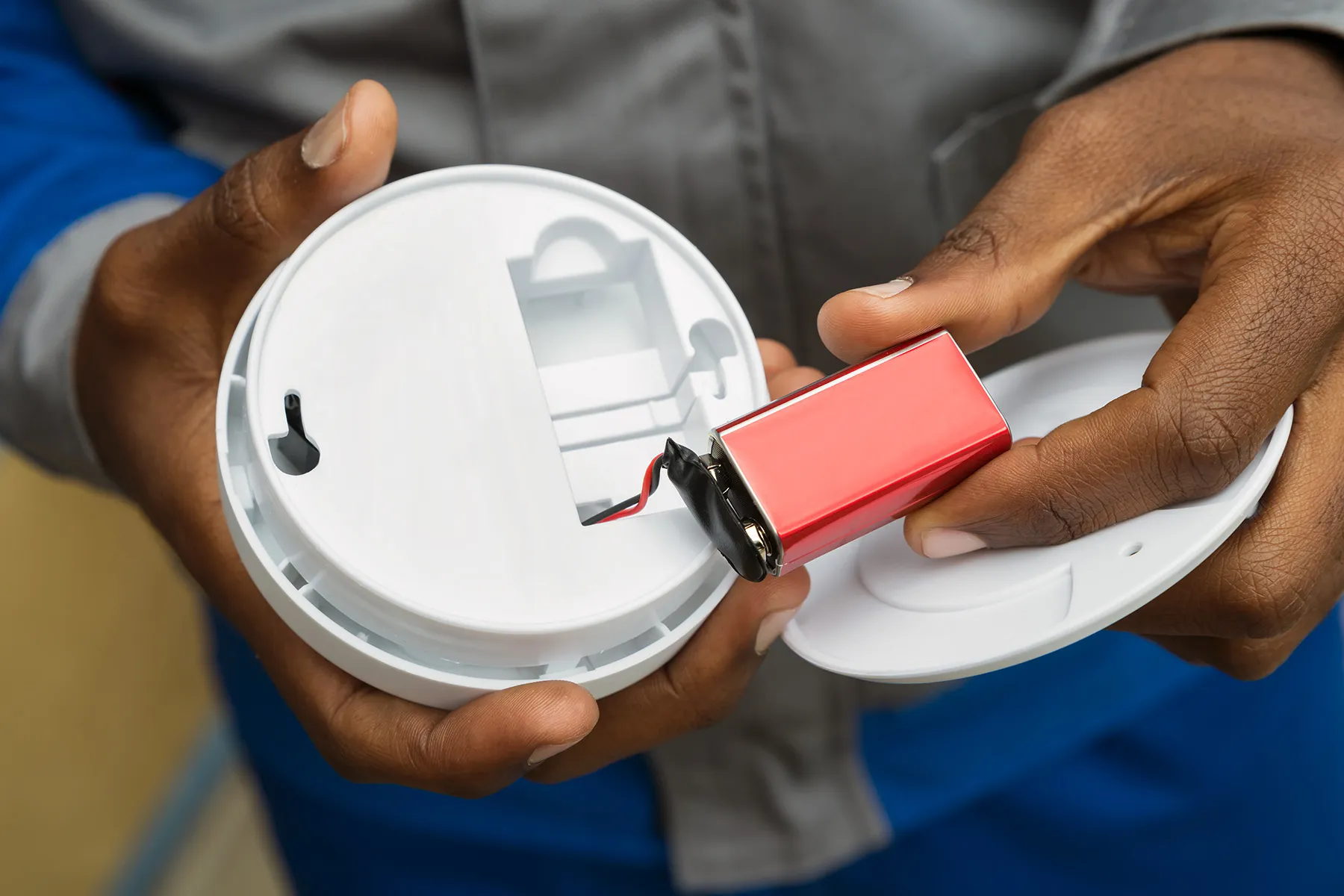
Home safety is one of those responsibilities that is remarkably easy to postpone. The smoke alarm looks innocent, the water heater is minding its own business, and the electrical panel has not made any suspicious noises lately. What could possibly go wrong?
Unfortunately, homes rarely send calendar invitations before something fails. A small plumbing leak can quietly damage a wall for months. Dryer lint can accumulate where you cannot see it. A carbon monoxide alarm can reach the end of its useful life while still looking perfectly respectable on the ceiling. Preventive home maintenance is therefore less about constantly worrying and more about knowing when to check what.
A practical home safety checklist divides tasks into monthly, seasonal, annual, and longer-term inspections. Once those jobs are placed on a schedule, maintaining a safer home becomes much easierand considerably less dramatic than discovering a problem at 2:17 a.m.
A Quick Home Safety Inspection Schedule
Every home is different, and equipment manufacturers may specify different inspection intervals. Local building codes can also vary. Still, the following schedule provides a sensible starting point for most American households.
| Frequency | What to Check |
|---|---|
| Monthly | Smoke alarms, carbon monoxide alarms, GFCI/AFCI devices, HVAC filters, fire extinguishers, visible plumbing leaks |
| Every 3–6 Months | Dryer system, gutters, exterior drainage, emergency supplies, appliance cords, garage safety |
| Twice a Year | Home fire escape plan, seasonal HVAC preparation, exterior inspection |
| Annually | Professional HVAC service, water heater inspection, roof and chimney checks, electrical review, plumbing inspection |
| Every Few Years | Radon testing, larger electrical evaluations, aging appliance review |
| Immediately After Certain Events | Storm damage, flooding, renovations, electrical problems, gas odors, unexplained moisture or alarm activation |
Home Safety Checks to Perform Every Month
Test Smoke Alarms
Smoke alarms deserve a monthly appointment with your finger. Press the test button and confirm that every unit responds properly.
The U.S. Fire Administration recommends smoke alarms in every sleeping room, outside sleeping areas, and on every level of a home. Interconnected alarms provide additional protection because when one detects danger, all of them sound.
While testing, look at the alarm’s manufacturing date. Traditional smoke alarms generally need to be replaced when they reach about 10 years old, even if they still chirp enthusiastically when tested. Sensors age, too.
If your alarm uses replaceable batteries, follow the manufacturer’s battery replacement instructions. Never disable an alarm because cooking keeps setting it off. Repositioning an incorrectly located alarm or using its hush function is considerably safer than turning an important safety device into ceiling decoration.
Test Carbon Monoxide Alarms
Carbon monoxide, or CO, is especially dangerous because you cannot see or smell it. Fuel-burning furnaces, fireplaces, water heaters, generators, and vehicles are potential sources.
Test CO alarms monthly according to their instructions. Alarms should generally be installed on each level of the home and outside sleeping areas, following manufacturer guidance.
Also check the expiration or replacement date. Carbon monoxide sensors do not last forever, and different products have different service lives.
If a CO alarm actually activates, do not wander through the house trying to play detective. Move outside to fresh air and follow emergency guidance.
Test GFCI and AFCI Protection
Those outlets with the little TEST and RESET buttons are not merely electrical outlets with extra personality.
Ground-fault circuit interrupters, or GFCIs, are designed to reduce electric-shock hazards, particularly where electricity and water may meet. Arc-fault circuit interrupters, or AFCIs, help protect against dangerous electrical arcing that can contribute to fires.
The Electrical Safety Foundation International recommends monthly testing of these protective devices. Press the test button and verify that power is interrupted. Then press reset.
If the device fails to trip or reset correctly, have it evaluated or replaced rather than assuming it is probably fine.
Look for Plumbing Leaks
Once a month, take a flashlight and make a quick tour beneath sinks, around toilets, behind accessible appliances, and near the water heater.
Watch for:
- Water stains
- Dripping connections
- Soft or swollen cabinetry
- Musty odors
- Peeling paint
- Unexpected dampness
- Corrosion around valves
A tiny leak may seem harmless until you calculate how long it has been introducing moisture into drywall or flooring. Moisture also creates conditions where mold can grow.
Check the HVAC Filter
Inspect your heating and cooling system’s filter every month, especially during periods of heavy heating or air-conditioning use.
ENERGY STAR recommends changing a dirty filter and generally replacing or cleaning filters at least as often as the equipment manufacturer specifies. Many common filters need replacement at least every few months.
A clogged filter restricts airflow, forces HVAC equipment to work harder, and can contribute to premature system problems.
Inspect Fire Extinguishers
If your home has portable fire extinguishers, give them a visual check monthly.
Confirm that each extinguisher:
- Is in its designated location
- Is easy to reach
- Has no obvious damage or corrosion
- Shows an acceptable pressure reading if equipped with a gauge
- Has an intact safety pin or seal
Remember that an extinguisher is intended for specific situations and should never convince you to fight a spreading fire instead of escaping. Your exit route matters more than your inner action-movie hero.
Safety Checks Every Three to Six Months
Inspect the Clothes Dryer and Vent
Clean the lint screen after every load, but periodically go farther. Inspect around and behind the dryer for lint accumulation and examine the exhaust path.
Warning signs of restricted airflow can include clothes taking longer to dry, unusual heat, or weak airflow at the exterior vent.
The dryer should vent outdoors, not into an attic, wall cavity, crawl space, or other enclosed location. How frequently the complete duct needs cleaning depends on dryer use, duct design, household size, and manufacturer recommendations.
If the vent has a long or complicated route that you cannot safely inspect, professional cleaning may be worthwhile.
Check Electrical Cords and Power Strips
Walk around your home and look behind the glamorous world of televisions, computers, kitchen appliances, and charging stations.
Replace damaged cords rather than wrapping them indefinitely with electrical tape. Watch for discoloration, melted plastic, loose outlets, sparks, buzzing, or plugs that become unusually hot.
Extension cords should generally be temporary solutions rather than permanent household wiring. Major appliances should normally connect directly to appropriate wall receptacles instead of joining a complicated family tree of adapters and extension cords.
Review Your Emergency Supplies
Emergency supplies have a mysterious ability to become less useful with time. Flashlight batteries die. Medications expire. Someone eats the emergency crackers.
Every few months, inspect your emergency kit and replace expired or missing items. Consider keeping appropriate water, nonperishable food, flashlights, batteries, first-aid materials, phone-charging options, copies of essential information, and supplies needed by pets or household members with special requirements.
Home Safety Checks to Do Twice a Year
Practice Your Fire Escape Plan
Knowing that your house has doors is not the same thing as having an escape plan.
Households should identify potential exits, establish an outdoor meeting location, and practice getting everyone outside. U.S. fire-safety organizations commonly recommend practicing a home fire drill at least twice each year.
Everyone should understand two possible ways out of rooms when practical. Families with small children, older adults, pets, or people with mobility limitations should assign responsibilities beforehand instead of inventing a strategy while an alarm is sounding.
Inspect Gutters and Exterior Drainage
Spring and fall are convenient times for exterior drainage checks.
Look for clogged gutters, damaged downspouts, erosion, standing water, and soil that directs rainfall toward the foundation rather than away from it.
Water is impressively persistent. Give it the wrong slope and enough time, and it will attempt renovations you never approved.
If ladder work is unsafe for you, hire someone qualified rather than converting gutter cleaning into an unscheduled gravity experiment.
Important Annual Home Safety Inspections
Schedule HVAC Maintenance
ENERGY STAR recommends professional pre-season maintenance for heating and cooling equipment. Cooling equipment can be serviced before summer, while heating systems can be checked before cold weather arrives.
A professional inspection may include electrical connections, system controls, condensate drains, coils, combustion components, and other equipment-specific items.
Fuel-burning heating equipment deserves particular attention because improper combustion or venting may create both fire and carbon monoxide hazards.
Inspect the Water Heater
Once a year, visually inspect the water heater and surrounding area.
Look for:
- Leaks beneath or around the tank
- Rust or corrosion
- Damaged pipes
- Water around valves
- Unusual noises
- Improper storage of combustible materials nearby
For many residential applications, the U.S. Department of Energy discusses approximately 120°F as a common water-heater setting that can reduce scald risk while saving energy, although individual systems and health considerations can require different approaches.
Maintenance procedures such as flushing sediment or testing components vary by water-heater type. Follow the manufacturer instructions or use a qualified professional rather than randomly opening valves because an internet checklist told you to feel adventurous.
Inspect the Roof and Chimney
At least annuallyand after severe stormslook for evidence of damaged roofing, flashing problems, loose materials, water intrusion, or deteriorated chimney components.
If your home uses a fireplace or wood-burning appliance regularly, have the chimney and venting system evaluated and cleaned as appropriate for its use and condition.
Roof inspections are often safest from ground level with binoculars or by a qualified professional. There is no home-maintenance trophy for personally climbing onto a steep roof.
Review the Electrical System
An annual visual electrical review can reveal developing problems before they turn into emergencies.
Pay attention to outlets or switches that are:
- Warm or discolored
- Loose
- Buzzing
- Sparking
- Frequently associated with tripped breakers
Also check whether your electrical panel is clearly labeled and unobstructed.
Older houses, houses that have undergone substantial remodeling, and properties with recurring electrical symptoms may benefit from a more comprehensive inspection by a licensed electrician.
Safety Checks That Belong on a Longer Schedule
Retest for Radon
Radon is a naturally occurring radioactive gas that can accumulate indoors. Because radon levels cannot be judged by smell or appearance, testing is the practical way to determine exposure.
The Environmental Protection Agency recommends considering retesting over time. A new test is particularly sensible when major renovations alter the structure, when living patterns change and someone begins occupying a lower level, or when a previous test is no longer recent. During a real estate transaction, a buyer may also request a newer result; EPA guidance notes that tests older than roughly two years may prompt retesting.
Check the Age of Safety Equipment
Create a simple record containing installation or manufacturing dates for important equipment.
Include:
- Smoke alarms
- Carbon monoxide alarms
- Fire extinguishers
- Water heater
- HVAC equipment
- Major appliances
- Roofing
This changes maintenance from guessing into planning. Instead of wondering, “Didn’t we replace that detector a few years ago?” you can discover that your definition of “a few” was apparently 11.
When You Should Check the House Immediately
Not every home safety inspection belongs on a calendar. Certain warning signs deserve immediate attention.
After Severe Weather
After major wind, hail, heavy rain, freezing conditions, or other severe weather, inspect accessible areas for roof damage, water intrusion, damaged siding, fallen limbs, drainage problems, or electrical hazards.
After Flooding or Significant Water Damage
Act quickly when materials become wet. The CDC emphasizes drying water-damaged environments as quickly as possible, ideally within roughly 24 to 48 hours when practical, because moisture supports mold growth.
Fix the source of water first. Simply painting over visible mold or damp staining is not a solution.
When You Smell Gas
A suspected gas leak is not a maintenance project. Leave the area and follow the emergency instructions provided by your gas utility or local emergency services. Avoid operating switches or doing anything that could create an ignition source.
When Breakers Keep Tripping
A breaker that trips once because several high-demand devices were operated simultaneously may have an obvious explanation. A circuit that repeatedly trips without a clear cause deserves professional evaluation.
Repeatedly resetting the breaker without addressing the cause is like responding to your car’s warning light by placing a small piece of tape over it.
How to Build a Home Safety Calendar You Will Actually Use
The best maintenance schedule is not the fanciest one. It is the one you remember.
Create recurring reminders on your phone or calendar:
- First Saturday of every month: alarms, GFCI/AFCI devices, HVAC filter, extinguishers, leaks
- March: cooling-system service and spring exterior inspection
- April: gutters and drainage
- June: emergency kit review and fire drill
- September: heating-system service
- October: gutters, roof, chimney, and winter preparation
- December: second fire drill and annual safety records review
Keep a simple digital document listing inspection dates, repairs, appliance model numbers, warranties, and contractor information. You do not need enterprise asset-management software. A spreadsheet called “Things in the House That Can Betray Me” will work perfectly well.
Real-World Experiences: What Home Safety Schedules Teach You
One of the most useful lessons from maintaining a home is that serious problems rarely begin by looking serious. They often begin with something almost insultingly small.
Consider the classic slow plumbing leak. At first, there may be no puddle. Perhaps the cabinet underneath a bathroom sink simply smells slightly musty. You wipe it down and forget about it. Several months later, the cabinet floor is swollen, the drywall behind it is damp, and what would have been a five-minute connection repair has recruited carpentry and mold cleanup into the project.
A monthly flashlight inspection changes the story. You see the first drops, repair the connection, dry the area, and continue with your Saturday. Preventive maintenance is rarely exciting, which is precisely what makes it successful.
HVAC filters provide another familiar example. A homeowner may assume that because the air conditioner still produces cold air, everything is healthy. Meanwhile, an increasingly dirty filter restricts airflow and makes the system work harder. Checking the filter monthly takes seconds and gives you information before comfort declines or equipment complains.
Smoke alarms demonstrate why age-based maintenance matters as much as visible condition. An old alarm can look almost identical to a new one. There may be no obvious clue that its sensor has aged. Writing the installation date on the unit or keeping it in a household maintenance record removes the guesswork.
Seasonal inspections also teach homeowners to look for patterns rather than isolated defects. A tiny ceiling stain after one rainstorm might appear insignificant. If it grows after every storm, however, the pattern points toward roof or flashing trouble. Similarly, occasional moisture in a basement after exceptionally heavy rain may reveal inadequate exterior drainage long before standing water becomes a regular guest.
Another practical lesson is knowing when not to DIY. Replacing an HVAC filter is ordinary homeowner maintenance. Troubleshooting a suspected gas leak is not. Cleaning a reachable dryer lint screen is routine. Working on unsafe electrical wiring is not. Looking at a roof from the ground is sensible; climbing onto a steep wet roof because you own a ladder is questionable decision-making disguised as productivity.
The same principle applies to fire extinguishers. Having one nearby can be valuable, but possessing an extinguisher does not mean every fire should be fought. Escape is the priority when a fire is spreading, producing significant smoke, blocking an exit, or otherwise moving beyond a small controllable incident.
Perhaps the biggest benefit of a recurring home safety inspection schedule is psychological. Instead of vaguely wondering whether something needs attention, you know when it was last checked and when it comes up again. The house becomes less of a mysterious collection of pipes, wires, burners, motors, and alarms and more of a system you understand.
That confidence comes from repetition. The first inspection might take an hour because you have to locate the water shutoff, find the manufacturing dates on alarms, determine which breaker controls the dishwasher, and discover that whoever labeled the electrical panel believed “ROOM” was adequate documentation.
The next inspection is faster. Eventually, the routine becomes automatic.
And occasionally, that boring routine catches exactly the problem it was designed to catch: a warm outlet, a failing alarm, a leaking valve, a blocked vent, a loose gutter, or a strange furnace sound. Catching one of those problems early can justify years of ten-minute monthly inspections.
Home safety is not about making a house risk-free. No building can be maintained to that standard. The goal is to catch predictable problems early, maintain the equipment designed to protect you, recognize warning signs, and know when professional help is necessary.
Conclusion: Small Checks Prevent Big Surprises
A safe home does not require constant inspection. It requires consistent inspection.
Test smoke and carbon monoxide alarms regularly. Give electrical safety devices, fire extinguishers, filters, and visible plumbing a monthly glance. Schedule seasonal checks for HVAC equipment, gutters, drainage, roofs, and emergency planning. Keep track of equipment age and retest for hazards such as radon when conditions change.
Most importantly, respond to unusual signs instead of waiting for the next scheduled inspection. Water where water should not be, burning smells, warm outlets, repeated breaker trips, strange combustion-appliance behavior, gas odors, and alarm activation are all excellent reasons to move “check later” to “deal with now.”
A few minutes of preventive home maintenance will never be the most exciting part of your month. That is a feature, not a flaw. The ideal home safety check ends with absolutely nothing interesting happening.
Note: This home safety schedule is general educational guidance. Equipment requirements, inspection intervals, local codes, climate conditions, and manufacturer instructions vary. Use qualified professionals for work involving electrical systems, gas equipment, combustion appliances, structural hazards, or tasks you cannot perform safely.












