
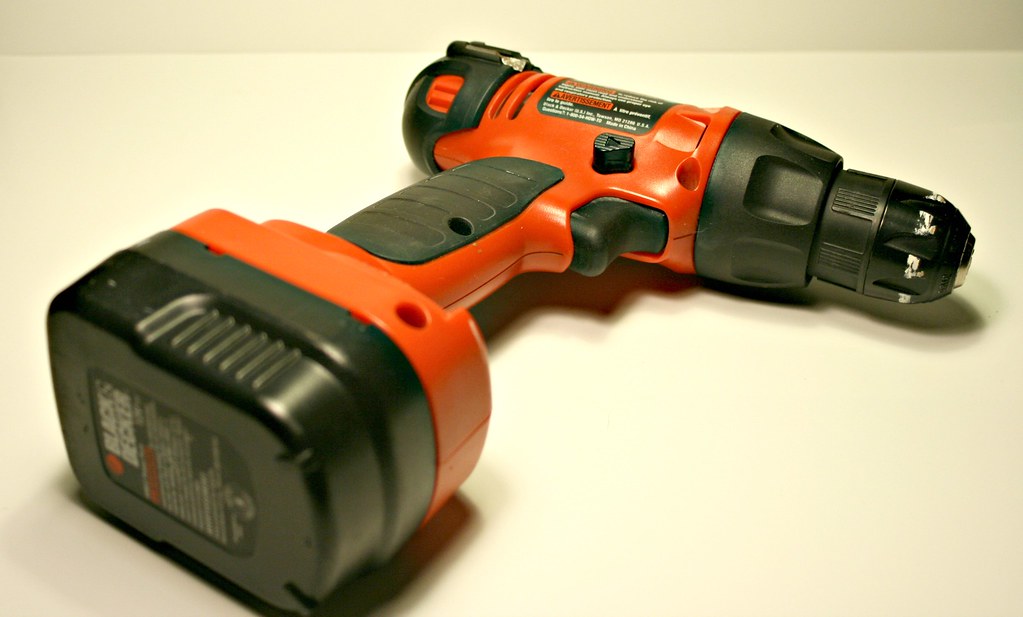
Buying a power drill used to be beautifully simple: pick the tool, admire the specs, pretend you absolutely need the premium kit, pay, and go home to build something suspiciously wobbly. But Home Depot has been testing a new anti-theft idea that changes one small part of that familiar ritual. Some power tools may need to be activated at checkout before they will actually work.
Yes, your future drill may behave a little like a gift card. Until it is properly scanned and activated at the register, it has all the usefulness of a fancy orange-and-black paperweight. The goal is not to annoy honest shoppers. The goal is to make stolen power tools much harder to resell, much less attractive to organized theft groups, and hopefully less likely to end up locked behind cages like rare museum artifacts.
This idea is called point-of-sale activation, often shortened to POSA. Home Depot has described it as a theft deterrent powered by Bluetooth technology built into certain products with an on/off switch. If the product is not activated at checkout, it will not turn on. That sounds futuristic, slightly dramatic, and just a tiny bit like your drill is asking for permission to exist. But in the retail world, it is part of a much bigger shift toward “benefit denial” security: make the stolen item useless, and stealing it becomes less profitable.
What Is Home Depot’s In-Store Power Tool Activation?
Home Depot’s system is designed around a simple concept. A qualifying power tool is sold in a disabled state. When a customer legitimately buys the item, the checkout process activates it. After that, the tool should work like a normal tool. If someone walks out without paying, the tool remains inactive.
The best comparison is a gift card. A gift card hanging on a rack may look valuable, but until the cashier activates it, it is basically plastic confetti. Home Depot is applying that same logic to certain powered products. Instead of relying only on locks, security gates, or employees sprinting after carts like they are auditioning for an action movie, the store can reduce the resale value of stolen merchandise at the product level.
For shoppers, the ideal experience is boring in the best way. You pick up the tool, pay for it, the system activates it, and you go home. No extra app. No secret handshake. No side quest involving a store associate named Gary and a blinking terminal. The activation is supposed to happen as part of checkout.
Why Power Tools Became a Target
Power tools are attractive targets because they are compact, expensive, recognizable, and easy to resell. A cordless drill kit, saw, impact driver, battery pack, or premium combo set can be worth hundreds of dollars. That makes power tools especially appealing to organized retail theft groups, not just random shoplifters stuffing socks into a backpack.
Organized retail crime is not the same as one person making a bad decision in aisle 14. It can involve networks that recruit people to steal specific items, collect those products, and resell them through informal markets or online platforms. In that environment, power tools are almost perfect inventory. They have strong demand, clear brand recognition, and buyers who may be looking for a deal without asking too many questions.
That is why stores have increasingly locked up high-value items. Many shoppers have seen drills, batteries, saw blades, and accessories placed behind cages or cables. It works, but it can also make shopping feel like requesting access to a royal treasure vault. You press a button, wait for help, wonder whether anyone heard it, press it again, and begin questioning your entire home improvement project.
Point-of-sale activation tries to solve the same problem with less friction. Instead of putting every high-demand tool behind a barrier, retailers can make the product useless unless it passes through a legitimate purchase process.
How the Technology Works in Plain English
The basic idea is not complicated. A product contains built-in activation technology. At checkout, the store system communicates with the product or its embedded identifier. Once the purchase is complete, the product receives the signal or key needed to operate.
Home Depot has described its POSA approach as Bluetooth-based for certain products with an on/off switch. Lowe’s, meanwhile, has discussed a related concept called Project Unlock, which uses RFID chips, product serial numbers, and purchase records to activate tools after legitimate checkout. The exact technical method can vary by retailer, manufacturer, and product type, but the security principle is similar: no valid sale, no working tool.
This matters because the store does not need to chase every stolen item after the fact. The deterrent is built into the product’s value. A stolen drill that will not turn on is much harder to sell. A stolen saw that behaves like an expensive brick is less appealing to a theft ring. A thief wants quick resale value, not a troubleshooting session.
Is This the Same as Tool DRM?
Some shoppers and tool enthusiasts call this “DRM for power tools,” borrowing the term from digital media and software. That comparison makes sense emotionally, even if it is not perfect. People worry that anything requiring activation could someday create problems for legitimate owners. What happens if activation fails? What if the tool is bought as a gift? What if the receipt is lost? What if the system gets confused and your new drill develops the personality of a locked smartphone?
Those concerns are understandable. Contractors and serious DIYers depend on tools to work reliably. A saw that refuses to start because of a retail activation issue is not just annoying; it can delay a job. That is why the success of in-store activation depends on execution. The process has to be fast, invisible, reliable, and easy to fix if something goes wrong.
Still, the intent is different from subscription software or ongoing digital control. The purpose is not to charge customers monthly to keep drilling holes in plywood. The point is to verify that the product was purchased before it becomes usable. Once properly activated, the tool should behave like a normal product.
What Honest Customers Should Expect
Most honest shoppers should not experience much change if the checkout process works correctly. The activation should happen during purchase. You pay, the product is unlocked, and you leave with a functioning tool. The cashier may not even need to make a big announcement unless the system prompts them.
However, shoppers should be a little more careful with receipts, especially for expensive tools. If a tool does not work right out of the box, the receipt becomes your proof that the item was purchased properly. This is not new advicereceipts already matter for returns and warrantiesbut activation adds another reason to keep your paperwork, digital receipt, or order confirmation.
For online orders picked up in store, the process may depend on how the retailer connects fulfillment with activation. If the item is shipped directly to a customer, the activation process must be handled differently or limited to certain in-store products. Retailers will need clear systems so customers are not stuck with tools that need a store visit after delivery.
Why Retailers Like This Approach
Retailers like point-of-sale activation because it protects merchandise without turning every aisle into a fortress. Traditional anti-theft methods can be expensive and awkward. Locked cases slow down customers. Extra security staff increase labor costs. Physical barriers frustrate people who just want to compare two drills without waiting fifteen minutes.
Activation technology offers a different kind of deterrent. It does not stop someone from physically carrying a box out of the store, but it can remove the reward. That is powerful because retail theft is often driven by resale economics. If the stolen product cannot be easily resold, the incentive drops.
There is also a safety angle. Retailers have reported growing concern about theft-related confrontations, including threats and violence toward employees. If security technology can reduce the need for direct confrontation, that may help protect workers. No drill is worth an employee getting hurt. Not even the brushless one with the fancy battery bundle.
The Bigger Trend: Invisible Anti-Theft Technology
Home Depot is not alone in exploring smarter theft prevention. Lowe’s Project Unlock points to a broader retail trend: security that is built into the product and checkout process rather than added awkwardly around the shelf. The dream is a store where honest customers shop normally while stolen goods become unattractive to criminals.
That trend could expand beyond power tools. Any high-value product with electronics, serial numbers, or built-in connectivity could potentially use activation-based protection. Think outdoor equipment, smart home devices, premium appliances, or other products that are expensive enough to attract theft but common enough to move through normal retail channels.
Of course, there is a balance. Retailers need security, but customers need trust. If shoppers feel like every product comes with hidden restrictions, the experience can become uncomfortable. The best version of this technology is almost invisible: it protects the store without making the buyer feel punished for being honest.
Potential Downsides and Customer Concerns
The biggest concern is reliability. A power tool is not a streaming account. People buy tools because they need them to work in real life, sometimes on job sites, under deadlines, and in less-than-perfect conditions. If activation technology introduces failure points, customers will be understandably irritated.
Another concern is secondhand sales. Many people buy used tools from neighbors, contractors, estate sales, or online marketplaces. If activation records become more common, buyers may need to pay closer attention to proof of purchase. That could be a good thing if it reduces stolen goods, but it also adds a new layer of caution for legitimate resale.
There is also the question of customer communication. Retailers must make it clear which products require activation and what buyers should do if something does not work. Confusion is the enemy. Nobody wants to drive home, open a new tool, discover it is inactive, and then return to the store while muttering words that should not appear in a family-friendly DIY blog.
What This Means for Contractors and Serious DIYers
Contractors care about speed, reliability, and tool availability. If activation keeps more products on shelves and reduces locked-case delays, professionals may actually benefit. A contractor who needs a replacement impact driver at 6:30 a.m. does not want to wait for an associate with keys. They want to grab, pay, activate, and get to the job.
But contractors will also be less patient with errors. A hobbyist may tolerate a return trip. A pro loses time, money, and credibility when tools fail. For this audience, retailers need a simple fix process. If activation does not happen properly, the store should be able to verify the purchase and resolve the issue quickly.
For DIY shoppers, the stakes may be less intense but still important. Weekend projects already have enough surprises. The wall stud is never where you expect it. The “one-hour project” somehow becomes a two-day emotional journey. A tool that refuses to turn on should not be part of the adventure.
How to Shop Smart When Buying Activated Tools
First, keep your receipt. A digital receipt is even better because it is harder to lose under a pile of lumber, paint samples, and questionable optimism. Second, test the tool soon after purchase, especially if it is a gift or part of a time-sensitive project. Do not wait three months to discover that your holiday drill has stage fright.
Third, buy from reputable sellers. If you are purchasing a used power tool online and the price looks suspiciously low, ask for proof of purchase when appropriate. A deal is not a deal if the tool is inactive, stolen, counterfeit, or impossible to service.
Fourth, understand return and warranty policies. Manufacturer warranties are usually separate from store activation, but proof of purchase can make everything easier. If you are buying a premium kit, take thirty seconds to save the receipt. Future you will be grateful, and future you is already tired.
Will This Replace Locked Tool Cages?
Maybe in some cases, but probably not everywhere overnight. Retail security tends to be layered. A store may use cameras, locked displays, receipt checks, product activation, employee training, and local law enforcement partnerships all at once. Activation technology is one tool in the toolbox, not a magic force field.
In some locations, especially stores dealing with high theft rates, power tools may still be locked up. In other locations, activation could help retailers keep more products accessible. The final result may vary by city, store layout, product category, and theft patterns.
The long-term hope is that smart activation reduces the need for the most frustrating security measures. If retailers can protect high-value tools without locking everything away, shoppers win. Employees win. The only people who lose are the ones trying to make a stolen drill profitable.
Why This Story Matters Beyond Home Depot
Home Depot’s in-store power tool activation is not just a quirky retail experiment. It shows how physical products are becoming part of a connected retail system. The line between “thing you buy” and “thing that needs digital validation” is getting thinner.
That shift can be useful. It can reduce theft, protect workers, lower losses, and make resale markets cleaner. But it also raises fair questions about ownership, repair, privacy, and long-term reliability. Customers should not have to become IT technicians to own a drill. Retailers and manufacturers need to make sure activation is a one-time anti-theft measure, not a lifetime inconvenience.
The best outcome is practical: tools that are easy to buy, hard to steal, simple to resell legitimately, and reliable for years. That is a reasonable target. After all, the tool should be the thing helping you solve problemsnot the problem itself.
Experience Notes: What Buying an Activated Power Tool Might Feel Like
Imagine walking into Home Depot on a Saturday morning with a noble plan: fix the loose deck board, hang the shelves, and finally stop borrowing your neighbor’s drill. You head to the tool aisle, compare models, read battery labels like they are ancient scrolls, and choose a cordless drill kit that promises more torque than your daily life probably requires.
In the old shopping experience, the biggest challenge might have been finding an associate to unlock the cage. With activation-based tools, the best-case experience feels much smoother. You grab the box from the shelf, take it to checkout, pay, and the register quietly activates the product. Nothing dramatic happens. No flashing lights. No robot voice announcing, “Drill authorized.” Just a normal transaction with a little security magic happening behind the scenes.
The first moment of truth comes at home. You open the box, charge the battery, attach the bit, and press the trigger. If everything was activated correctly, the drill spins to life and you immediately feel like a person who could build a cabin, even though you are currently assembling a towel rack. This is how the system should work: invisible, fast, and boring.
But there is also a less charming version. Suppose the activation did not register properly. You get home, insert the battery, press the trigger, and nothing happens. At first, you blame the battery. Then the charger. Then yourself. Then the entire modern world. Eventually, you realize the tool may not have been activated. Now you need the receipt, the box, and a return trip to the store. That is exactly why clear checkout procedures and customer support matter so much.
For contractors, the experience is even more practical. A contractor buying a replacement tool before a job does not have time for mystery. If activation works, it may help keep tools available without locked cases slowing everything down. If activation fails, it becomes a business problem. Time spent returning to the store is time not spent finishing work. Retailers must design the process with pros in mind, not just casual shoppers.
Secondhand buyers will also feel the ripple effect. A used tool listed online for half price may look tempting, but activation technology makes proof of legitimate purchase more important. A smart buyer may ask for a receipt, original packaging, or confirmation that the tool works before paying. That extra caution can protect buyers from stolen or inactive products.
There is also a psychological change. Shoppers are used to security tags on clothes, locked cabinets for electronics, and gift cards that activate at the register. Applying the same idea to power tools feels new because tools are associated with ownership, durability, and independence. A drill is supposed to be yours. It lives in the garage, gets dusty, survives drops, and occasionally disappears right when you need it. Anything that makes it feel digitally restricted can trigger suspicion.
That is why retailers need to explain the system clearly. The message should be simple: activation happens at purchase, honest customers should not have to do anything extra, and support is available if something goes wrong. Keep it boring. Boring is excellent. Boring means the customer remembers the project, not the checkout technology.
In real shopping terms, this system could be a win if it reduces locked cases and keeps shelves stocked. Nobody loves waiting for keys. Nobody enjoys watching three employees debate who has access to the tool cage. If activation lets stores put more products within reach, shoppers may accept it quickly. Convenience has a funny way of calming outrage.
The experience will ultimately depend on execution. If activation is seamless, most people will barely notice. If it creates errors, delays, or confusion, shoppers will complain loudly and creatively. Home improvement customers are patient with crooked walls and stubborn screws, but not with a brand-new tool that refuses to wake up.
Conclusion: A Smarter Lock, Not a Locked-Down Future
Home Depot’s in-store power tool activation is a practical response to a real retail problem. Power tools are valuable, portable, and easy to resell, which makes them frequent targets for organized theft. By requiring activation at checkout, retailers can reduce the value of stolen tools without relying only on cages, guards, and awkward customer delays.
For honest buyers, the system should be nearly invisible. Pay for the tool, keep your receipt, test it promptly, and get to work. For retailers, the challenge is making sure the technology does not create new headaches while solving old ones. If the process is reliable, point-of-sale activation could become a common feature in high-value retail products.
The big picture is simple: stores want fewer stolen tools, customers want easier shopping, and everyone wants employees to stay safe. If activation technology can help with all three, it may be more than a retail experiment. It may be the next normal step in how expensive tools are sold.












