
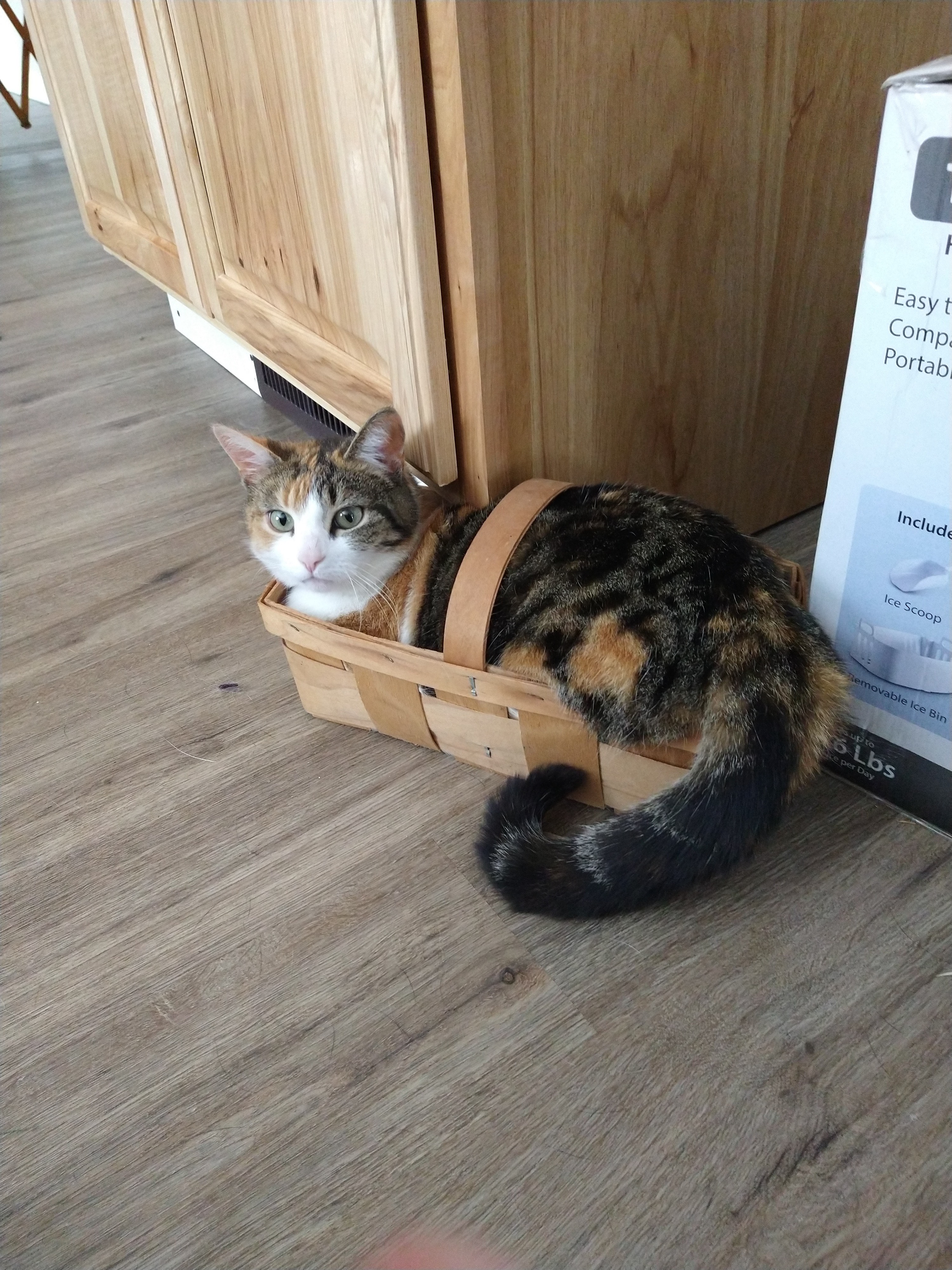
Every pet owner has one photo that deserves a frame, a dramatic museum spotlight, and possibly a public apology from the pet involved. Maybe it is your dog wearing the facial expression of a retired detective who has seen too much. Maybe it is your cat halfway inside a cereal box, judging the nutritional choices of the entire household. Maybe it is a hamster frozen mid-snack like it just remembered an unpaid invoice. Whatever the species, funny pet photos have a special power: they make ordinary life feel delightfully unserious.
The idea behind “Hey Pandas Try To Find The Funniest Photo Of Your Pet(S) And Post It” is simple, cheerful, and wildly effective. Pet parents dig through their camera rolls, find the most ridiculous image of their beloved animal companion, and share it with people who understand that pets are not merely animals. They are roommates, comedians, emotional support potatoes, snack inspectors, and tiny chaos managers with fur, feathers, scales, or whiskers.
Funny pet photography is more than a collection of silly faces. It is a tiny record of personality. A blurry tail, a dramatic yawn, a suspicious side-eye, or a dog caught upside down on the couch can say more about a pet than a perfect portrait ever could. The best funny pet pictures are not necessarily technically flawless. In fact, many are gloriously imperfect. A little blur? Fine. Weird lighting? Acceptable. A cat looking like a medieval painting of betrayal? Absolutely priceless.
Why Funny Pet Photos Never Get Old
People love funny pet photos because animals are naturally expressive, unpredictable, and completely unaware of their online potential. Unlike humans, pets are not trying to look cool. They do not pause to fix their hair, check their angle, or ask whether the lighting is “giving golden hour.” They simply exist with full commitment. A dog chasing its tail believes in the mission. A cat knocking one object off a table is not being random; it is conducting scientific research with confidence.
Humans also tend to read emotions into animal expressions. A wide-eyed cat may look shocked, a yawning dog may look like it is laughing, and a rabbit sitting beside a half-eaten piece of lettuce may appear to be regretting its life choices. Of course, responsible pet owners should remember that not every “funny” expression means the pet is amused. Sometimes a tense posture, pinned ears, tucked tail, or dilated pupils can signal stress. The golden rule is simple: the funniest pet photo should never come at the pet’s expense.
That is why the best submissions to a funny pet photo challenge usually come from everyday moments: nap positions that defy anatomy, guilty faces near missing snacks, surprise zoomies, dramatic bath-time reactions, or animals discovering mirrors with the seriousness of a philosopher meeting the void.
What Makes a Pet Photo Truly Funny?
A funny pet photo usually has at least one of three ingredients: timing, expression, or context. Timing is the magic of catching the exact second your dog leaps for a toy and turns into a furry missile. Expression is when your cat looks personally offended because you sneezed in its kingdom. Context is when your parrot is standing on a laptop as if preparing a quarterly performance review.
1. Perfect Timing
Some of the funniest pet photos happen in a fraction of a second. A dog mid-shake can look like a creature from a low-budget science fiction movie. A cat jumping from a chair can become a floating loaf with paws. A guinea pig caught mid-chew may appear to be delivering breaking news. To capture these moments, use burst mode on your phone or camera. Pets move quickly, and the difference between “cute” and “comedy masterpiece” can be one blink.
2. Big Expressions
Eyes, ears, mouths, tails, and posture all tell a story. A dog with bright eyes and relaxed body language can look hilariously proud of its own nonsense. A cat with airplane ears may be giving a dramatic reaction, but it may also be annoyed or uncomfortable. Before snapping more pictures, watch the whole animal, not just the funny face. A relaxed pet makes better photos and better memories.
3. The Unexpected Setting
Pets make normal places weird. A laundry basket becomes a throne. A cardboard box becomes luxury real estate. A dog bed is ignored in favor of the exact middle of the hallway. A freshly folded blanket becomes a cat-owned territory within four seconds. The funniest photos often come from this mismatch between what humans intended and what pets decided instead.
How to Find the Funniest Photo in Your Camera Roll
If your camera roll contains 8,742 pet photos, congratulations: you are normal. Finding the funniest one can feel like a competitive sport. Start by searching for moments where your pet looks most like itself. The photo does not need to be beautiful in the traditional sense. It needs personality.
Look for the picture that makes you laugh before you explain it. That instant reaction matters. Maybe it is the image of your dog sleeping with one paw in the air like it is volunteering for a dream committee. Maybe it is your cat sitting in a sink with the calm authority of a landlord. Maybe it is your lizard staring into the distance like it has just predicted the stock market.
Then ask one question: would a stranger understand why this is funny? If yes, you may have a winner. If no, you can still post it with a caption that adds the missing context. For example, “He barked at this pumpkin for seven minutes and then tried to befriend it” instantly turns a simple dog-and-pumpkin photo into a tiny sitcom.
Caption Ideas for Funny Pet Photos
A good caption can turn a funny photo into internet treasure. The trick is to keep it short, specific, and in the voice of the moment. Do not over-explain the joke. Let the photo breathe. Your pet has already done the heavy lifting, possibly while sitting in a mixing bowl.
Caption Examples
“When the treat bag opens in another room.”
“He pays no rent but has strong opinions about the furniture.”
“This is her face after I told her the box was not delivered specifically for her.”
“Caught him stealing lettuce and looking deeply betrayed by consequences.”
“My dog after hearing the word ‘bath’ in a completely unrelated conversation.”
The best captions feel like they reveal your pet’s inner monologue. Pets may not speak English, but their faces often suggest they are writing strongly worded emails.
Pet Photography Tips for Funnier, Better Pictures
You do not need professional gear to capture a hilarious pet photo. A phone, patience, and a pet with questionable decision-making skills are usually enough. Still, a few simple techniques can help your photos look clearer, warmer, and more shareable.
Use Natural Light
Natural light is your best friend. Photograph your pet near a window, on a shaded porch, or outdoors during softer light. Harsh flash can create strange eyes, startled expressions, and a general “crime scene documentary” mood. Soft light keeps the photo pleasant while letting your pet’s personality shine.
Focus on the Eyes
Even in a goofy photo, the eyes matter. Tap your phone screen on your pet’s face before taking the picture. Sharp eyes make the image feel alive. If your pet is moving, take several photos quickly. One will likely be blurry, one will be mysterious, and one may become the family’s official comedy portrait.
Get Low
Photos taken from your pet’s eye level often feel more personal and funnier. A dog photographed from above may look cute, but a dog photographed at nose height can look like it is about to host a cooking show. Getting low also makes small pets feel like big characters with important business.
Keep the Background Simple
A cluttered background can steal attention from the star. Before taking the photo, check for laundry piles, random cords, snack wrappers, or anything that distracts from your pet’s performance. Of course, if the mess is part of the story, such as a dog proudly sitting beside a destroyed toy, that is documentary evidence and should be preserved.
Safety First: Funny Should Still Be Kind
A funny pet photo should come from a moment your pet is comfortable with. Avoid forcing costumes, poses, props, or interactions. If your dog turns away, your cat hides, your rabbit freezes, or your bird appears distressed, stop and give them space. A pet’s comfort matters more than any viral reaction.
Be especially careful with food, small objects, decorations, and costumes. What looks cute in a photo may be unsafe if it can be chewed, swallowed, tangled, or overheated. Pets do not understand “just one quick picture.” They understand comfort, trust, and whether you are holding snacks.
Also avoid sharing private information in the background of photos. Check for visible addresses, phone numbers, school names, license plates, or personal documents. Your pet may be ready for internet fame, but your electricity bill probably prefers privacy.
Funny Pet Photo Ideas You Can Try at Home
The easiest way to get funny pet photos is to let pets be themselves. Still, you can create harmless opportunities for comedy without pressuring them.
The Box Test
Place an empty cardboard box on the floor and wait. Cats often treat boxes like luxury apartments. Dogs may inspect them, step inside with confusion, or gently destroy them like tiny contractors. Small pets may enjoy safe hideouts, as long as the box is appropriate for their species and supervised.
The Treat Reaction
Hold a treat near the camera and capture your pet’s focused expression. This works especially well with dogs, but cats, rabbits, and other animals can also deliver excellent “serious snack scholar” energy. Keep treats small and healthy, and do not tease your pet for too long.
The Nap Gallery
Pets are world-class weird sleepers. Dogs curl into impossible shapes. Cats melt off furniture. Ferrets look like spilled noodles. Photographing silly sleep positions is usually safe because the pet is already relaxed. Just avoid disturbing them. Comedy is important, but naps are sacred.
The Mirror Moment
Some pets react to mirrors with curiosity, confusion, or royal indifference. A mirror photo can be funny, but keep the experience brief and watch for stress. If your pet seems upset, end the session. No photo is worth turning your hallway into an emotional thriller.
Why Sharing Pet Photos Builds Community
Pet photo challenges work because they invite people to connect through joy. You do not need the same language, background, or lifestyle to understand a dog making a ridiculous face at a sprinkler. Funny pet photos are low-stress, high-smile content. They give people a tiny break from serious news, busy schedules, and the daily mystery of where all the matching socks went.
They also help people tell stories about their animals. A single photo can introduce a pet’s entire personality. The cat who steals bread. The dog who fears balloons but not thunder. The bird who screams only during video calls. The rabbit who looks polite but secretly rearranges the universe one rug at a time.
In a world where online spaces can sometimes feel noisy, funny pet photos are a gentle reminder that small joys still matter. They are not complicated. They do not demand a debate. They simply say, “Here is my beloved creature being deeply unserious. Please enjoy.”
How to Choose the Best Photo to Post
When choosing your funniest pet photo, aim for a mix of humor, clarity, and kindness. The picture should be easy to understand, safe for your pet, and expressive enough to make people pause. If the image is blurry but hilarious, it may still work. If the image is technically perfect but boring, it may belong in the family album rather than the comedy hall of fame.
Before posting, crop the photo if needed. Brighten it slightly if it is too dark. Remove personal details from the frame. Then write a caption that gives the moment a punchline. Think of the photo and caption as a comedy duo: the photo is the performer, and the caption is the tiny drum hit.
of Personal Experience: The Great Camera Roll Safari
Finding the funniest photo of a pet is not a simple task. It is an expedition. You begin with confidence, open your camera roll, and immediately discover that you have taken 900 versions of the same animal lying in the same sunbeam. Are they identical? To an outsider, yes. To you, absolutely not. In photo 112, the left paw is slightly more dramatic. In photo 487, the whiskers have emotional depth.
The funniest pet photo I have ever seen was not staged, edited, or planned. It was a dog sitting beside a tipped-over trash can with the expression of a politician at a press conference. Nothing about the photo was technically perfect. The lighting was terrible. The background was chaotic. One corner of the image included a mysterious sock. But the dog’s face told a complete story: “I cannot comment on an ongoing investigation.” That is the magic of funny pet photography. It captures a moment so specific that it feels scripted by a comedy writer hiding under the sofa.
Cats, of course, bring a different flavor of humor. A funny cat photo often looks less like an accident and more like a power move. One cat sitting inside a salad bowl does not appear embarrassed. It appears to have founded a new government. Another cat caught with one paw in a glass of water may look surprised, but only because you witnessed the experiment too early. Cats are not chaotic in their own minds. They are innovators. We are simply too slow to understand the research.
Dogs tend to specialize in enthusiasm-based comedy. Their funniest photos often happen when joy outruns coordination. A dog jumping for a ball can become a flying sofa cushion with ears. A dog after a bath can look like a betrayed Victorian ghost. A dog waiting for a treat can display the focus of an Olympic athlete and the drool management of a broken faucet. These photos are funny because they show emotional honesty. Dogs do not pretend to be casual about snacks. They respect the moment.
Small pets deserve more credit in the comedy department. Hamsters, guinea pigs, rabbits, turtles, and birds can deliver spectacularly funny pictures with very little movement. A hamster holding food with both paws looks like a tiny person eating lunch after a difficult meeting. A rabbit staring at a camera can appear calm, judgmental, or spiritually advanced. A parrot leaning into the frame may look like it is about to reveal family gossip. The humor is quieter, but it is powerful.
The real experience of sharing funny pet photos is that people respond with their own stories. One photo becomes a chain reaction. Someone posts a dog stuck in a blanket. Another person replies with a cat sleeping in a shoe box. Then someone adds a rabbit standing on its back legs like a tiny landlord inspecting property damage. Suddenly, strangers are laughing together over animals they have never met but somehow deeply understand.
That is why the “Hey Pandas” style of community prompt works so well. It does not ask people to be perfect. It asks them to be amused, observant, and a little proud of their ridiculous pets. The funniest photo is not always the cleanest or sharpest. It is the one that carries a memory. It is the one you show a friend and say, “You have to see this.” It is the one that proves your pet has a personality bigger than your storage space.
Conclusion
“Hey Pandas Try To Find The Funniest Photo Of Your Pet(S) And Post It” is more than a playful internet challenge. It is an invitation to celebrate the strange, sweet, and hilarious ways pets brighten everyday life. Whether your animal companion is a dignified cat, a snack-obsessed dog, a dramatic rabbit, a suspicious bird, or a tiny hamster with main-character energy, there is probably a photo that captures their comic genius.
The best funny pet photos are kind, spontaneous, expressive, and full of personality. They remind us that joy does not always arrive in grand moments. Sometimes it arrives as a dog wearing a blanket like a confused wizard, a cat sitting in a box three sizes too small, or a guinea pig looking shocked by its own lettuce. So scroll through your camera roll, find the picture that makes you laugh the hardest, and share the tiny masterpiece. Your pet may not understand internet fame, but they will probably accept payment in treats.
Note: This article is written in standard American English for web publishing, with SEO-friendly structure, original wording, practical examples, and pet-safe guidance.












