
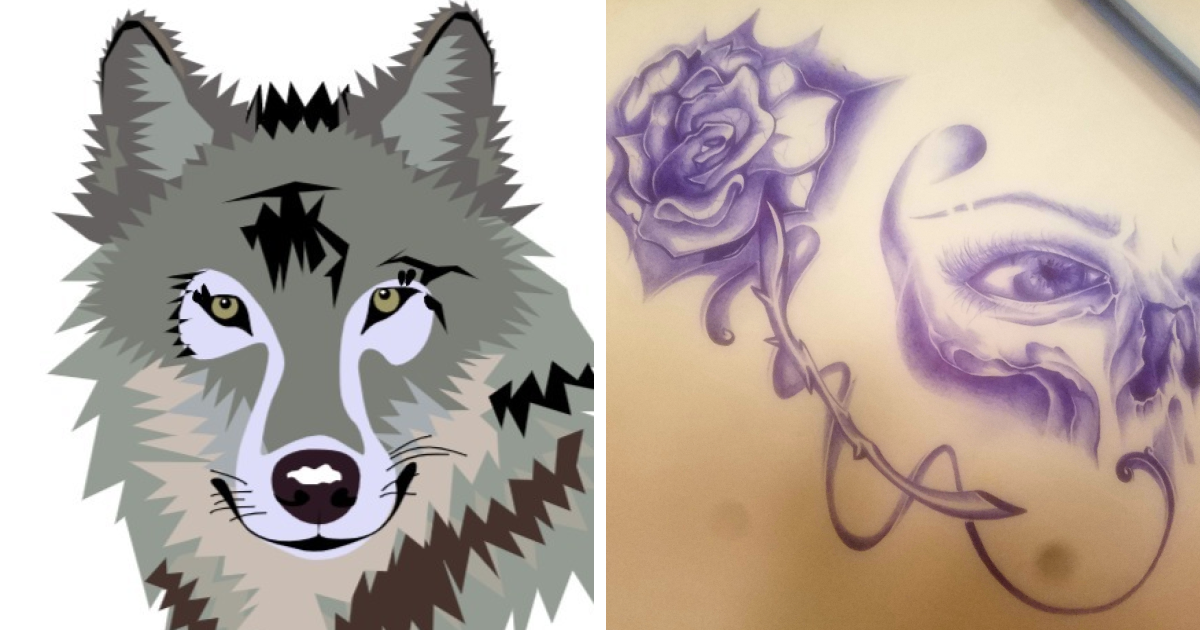
There is something wonderfully brave about posting a drawing online. It might be a polished digital portrait, a pencil sketch of your dog looking like a suspicious potato, a dramatic dragon with excellent cheekbones, or a tiny doodle made during lunch break. The phrase “Hey Pandas, Post Your Best Drawing” feels simple, but it taps into a bigger creative habit: sharing art, celebrating progress, and letting other people see the strange, beautiful, hilarious things that live in your imagination.
In online communities, drawing posts are more than image uploads. They are invitations. They say, “Here is what I made. What do you see?” That small act can lead to encouragement, practical feedback, new ideas, and the comforting discovery that even very talented artists once drew hands that looked like confused starfish. Whether you are a beginner with a notebook full of experiments or an experienced illustrator building a portfolio, posting your best drawing can become a milestone in your creative journey.
Why “Post Your Best Drawing” Works So Well Online
The best community prompts are easy to understand and hard to resist. “Post your best drawing” works because everyone can participate at their own level. A professional artist might share a finished concept illustration. A hobbyist might upload a cozy sketch of a cat sleeping on a windowsill. A student might post a character design, a still life, or a comic panel. The prompt does not demand perfection; it asks for pride.
That distinction matters. Many people hesitate to share their art because they think it has to be flawless. But the most engaging drawing communities often thrive on honesty, progress, and personality. A drawing does not need museum lighting and a dramatic soundtrack to be worth sharing. Sometimes the most memorable post is the one with a crooked skyline, an expressive face, or a tiny note that says, “I finally figured out shading!” That little victory deserves confetti, even if the confetti is imaginary and probably stuck to the carpet.
The Rise of Online Drawing Communities
Online art communities have changed how artists learn, connect, and grow. Platforms built around creative sharing allow people to post sketches, finished pieces, process shots, fan art, original characters, studies, and experiments. Some communities focus on professional portfolios, while others are designed for casual prompts, daily sketch challenges, and friendly feedback.
Large creative platforms show how much people want spaces to display and discover artwork. DeviantArt describes itself as a major online art gallery and community where artists and art lovers connect, while Behance is widely used by creatives to showcase work, discover inspiration, and find professional opportunities. Smaller art-focused apps and prompt-based communities also help beginners feel less intimidated because everyone is responding to the same creative challenge.
That is why a prompt like “Hey Pandas, Post Your Best Drawing” can feel so welcoming. It is not asking users to present a perfect portfolio. It is asking them to join a conversation. In that sense, the drawing is only half the post. The other half is the story behind it: what inspired it, what was difficult, what the artist learned, and why they chose that piece as their best.
What Counts as Your “Best” Drawing?
Your best drawing is not always your most technically advanced drawing. It might be the one that captures a mood perfectly, the one that made you laugh, or the one where you finally drew both eyes facing the same direction. A “best” drawing can mean many things, depending on the artist and the moment.
Best by Skill
This is the obvious version. Maybe you nailed the anatomy, perspective, shading, composition, or color harmony. Maybe the folds in the jacket finally look like fabric instead of melted lasagna. Skill-based best drawings are satisfying because they show visible improvement.
Best by Emotion
Some drawings matter because they feel honest. A simple sketch of a childhood room, a portrait of a grandparent, or an imaginary landscape can carry emotional weight even without perfect technique. Art can communicate memory, humor, sadness, excitement, and wonder in a way plain words sometimes cannot.
Best by Originality
Originality is where things get fun. Maybe your best drawing is a frog wearing business shoes, a moonlit bakery run by ghosts, or a superhero whose power is finding lost socks. A unique idea can make a drawing unforgettable, even when the lines are rough.
Best by Progress
Sometimes your best drawing is simply the one that proves you did not quit. It may not be perfect, but it represents hours of practice. In drawing, progress often happens slowly. You may not notice it day by day, but when you compare older sketches with newer ones, the difference can be shockingin the good way, not the “why did I give that horse human knees?” way.
How to Choose the Right Drawing to Post
Choosing what to post can feel oddly dramatic, like selecting a champion for a tiny pencil tournament. Start by asking what you want the post to do. Do you want to show improvement? Get feedback? Share something funny? Inspire others? Join a challenge? Your goal can help you choose the right piece.
If you want encouragement, post a drawing you genuinely like and explain what you enjoyed about making it. If you want critique, share what you were trying to improve, such as proportions, lighting, character expression, or background design. If you want to connect with other artists, include a small story: “I drew this after seeing a sunset that looked like orange soda,” or “This character started as a random triangle and somehow became a wizard.”
It also helps to post an image that is clear and easy to view. Natural light, a simple background, and a straight-on photo can make traditional drawings look much better online. For digital art, export a clean file rather than uploading a blurry screenshot with half your battery icon included. Your art worked hard; give it a decent entrance.
What Makes a Drawing Post Engaging?
An engaging drawing post usually has three ingredients: a strong image, a human caption, and a clear invitation for interaction. The drawing catches attention, the caption adds personality, and the invitation gives people a reason to comment.
For example, instead of writing only “My drawing,” try something more specific: “This is my first attempt at drawing a city at night. I struggled with the windows, but I had fun with the neon signs. What should I practice next?” That kind of caption gives viewers context and makes feedback easier.
Humor also helps. A caption like “I spent three hours on the face and seven emotional years on the hands” is relatable because many artists understand the struggle. Online art communities often bond over these shared battles: hands, feet, symmetry, perspective, and the mysterious disappearance of motivation halfway through a background.
The Power of Constructive Feedback
One of the biggest benefits of posting art online is feedback. Good feedback can help an artist see what they missed, understand what is working, and decide what to practice next. But not all feedback is equally useful. “This is bad” is not critique; it is a doorbell with no house attached. Constructive feedback should be specific, respectful, and practical.
Helpful comments sound more like this: “The expression is strong, and the character feels lively. The shoulders might be a little narrow compared with the head, so checking proportions could make it even stronger.” This kind of response gives both encouragement and direction. It tells the artist what works and what can improve.
Artists can also guide the feedback they receive by asking direct questions. Try asking, “Does the lighting make sense?” or “Which version of the pose feels more natural?” Specific questions often lead to better answers than a general “Thoughts?” which can accidentally summon every opinion on the internet, including someone who wants to discuss the emotional symbolism of your eraser marks.
Drawing Techniques That Help Your Best Work Get Better
If you want to post better drawings over time, focus on practice habits that build real skill. Many art education resources emphasize close observation, experimentation, line, shape, value, composition, and materials. You do not need expensive supplies to improve. A pencil, paper, and regular attention can take you surprisingly far.
Practice Observation
Observation is the foundation of strong drawing. Try drawing from life: a mug, your hand, a plant, your shoes, or a person sitting nearby. Drawing from life trains your eye to notice proportion, angle, shadow, and negative space. It is harder than copying a flat photo, but it builds visual understanding.
Try Blind Contour Drawing
Blind contour drawing is a classic exercise where you look at the subject instead of the paper while drawing. The result may look like your pencil went on a roller coaster without permission, but the exercise teaches focus. It helps you slow down and truly see edges, shapes, and relationships.
Study Light and Shadow
Value can transform a flat sketch into something dimensional. Practice shading simple forms such as spheres, cubes, and cylinders. Look for the light source, the highlight, the midtone, the core shadow, and the cast shadow. Once you understand those basics, portraits, objects, and scenes become easier to build.
Use Gesture Drawing
Gesture drawing captures movement quickly. Instead of worrying about details, you focus on the energy and flow of a pose. This is especially useful for drawing people, animals, sports scenes, and action-based characters. A gesture sketch may take only 30 seconds to two minutes, but it can make your figures feel more alive.
Why Sharing Progress Matters
Many artists only want to post finished work, but sharing progress can be just as valuable. A sketch, rough layout, or before-and-after comparison helps people understand your process. It also reminds beginners that good drawings do not appear magically. Behind every polished piece is usually a pile of messy drafts, abandoned ideas, and at least one moment where the artist whispered, “What is happening to this arm?”
Research on creative communities suggests that sharing works in progress can reduce anxiety and encourage more detailed feedback. When people see the steps behind a drawing, they are more likely to discuss decisions, techniques, and problem-solving. Process posts turn art from a final product into a learning conversation.
If you are nervous about posting your best drawing, try posting a progress collage. Show the first sketch, the cleaned-up lines, the shading stage, and the final version. This helps viewers appreciate the effort and gives other artists something useful to learn from.
How to Protect Your Artwork Online
When posting drawings online, it is smart to understand basic ownership and attribution. In the United States, copyright can protect visual art, including drawings, paintings, photographs, and other graphic works. Posting your own drawing does not mean you give up ownership, but you should still read platform terms and decide how you want your work shared.
For casual posts, many artists add a small signature or watermark. Keep it visible but not so huge that it looks like the watermark is attacking the drawing. If you are sharing professional work, consider posting a web-sized version rather than the highest-resolution file. If someone reposts your work, polite requests for credit or removal often work better than immediate rage typing, though rage typing can be tempting when your dragon illustration suddenly belongs to “CoolArtFan927.”
It is also important to credit references when needed. If you used a photographer’s image, another artist’s design, or a copyrighted character, be honest about that influence. Original work, fan art, studies, and master copies all have different contexts. Transparency helps build trust with your audience.
Community Etiquette: How to Be a Good Panda
A good drawing community depends on good behavior. If someone posts their best drawing, respond with kindness. You do not have to pretend every piece is perfect, but you should remember that art is personal. Behind the upload is a real person who may have spent hours working up the courage to share it.
Compliment specific things. Instead of “Nice,” say “The color palette feels warm and dreamy,” or “The character’s expression is really charming.” If offering critique, ask whether the artist wants it first. Some posts are for feedback, while others are simply for celebration.
Artists should also support others, not just post and vanish like a mysterious raccoon in a hoodie. Comment on other drawings. Ask questions. Celebrate improvement. Communities grow stronger when members treat creativity as a shared table, not a spotlight with one chair.
Best Drawing Post Ideas for Beginners
If you want to join a “post your best drawing” thread but do not know what to share, start with a piece that feels personal and clear. You do not need to create something new from scratch just for the prompt. Look through your sketchbook or gallery and choose a drawing that represents your current style.
Self-Portrait
A self-portrait does not have to be realistic. It can be cartoonish, symbolic, moody, colorful, or wildly exaggerated. Draw yourself as a space explorer, a plant wizard, a sleepy goblin, or a person bravely surviving Monday.
Pet Drawing
Pets are always popular because they come with built-in personality. A dog with heroic eyebrows or a cat judging humanity from a laundry basket can make an excellent post.
Original Character
Original characters invite storytelling. Include a few details about who they are, what they want, and why they look like they might steal snacks from a royal banquet.
Before-and-After Improvement
Progress posts are inspiring. Share an older drawing beside a newer version to show how your skill has changed. These posts encourage other artists because they prove improvement is possible.
Turning One Post Into a Creative Habit
Posting your best drawing once is fun. Turning it into a habit can be transformative. Consider making a monthly “best drawing” post where you choose one piece that represents your growth. Over time, this creates a visual record of your development.
You might also join daily or weekly sketch prompts. Regular prompts reduce the pressure of inventing ideas from nothing. They give you a starting point, whether the theme is “forest creature,” “favorite snack,” “tiny robot,” or “draw something blue.” The more often you respond to prompts, the more flexible your imagination becomes.
Still, balance matters. Drawing challenges should motivate you, not turn your wrist into a tragic musical instrument. Take breaks, stretch, and avoid comparing your pace to someone else’s. Art is not a race. If it were, the finish line would probably be guarded by an unfinished horse sketch.
Experiences Related to “Hey Pandas, Post Your Best Drawing”
The most memorable part of a “post your best drawing” thread is not always the most polished artwork. It is the range of experiences people bring with them. One person may post a digital painting they spent two weeks refining. Another may share a pencil sketch drawn during a long bus ride. Someone else might upload a drawing they made years ago and say, “This was the first time I felt like an artist.” That kind of honesty makes the thread feel alive.
Imagine a beginner named Maya posting a drawing of a fox curled under a crescent moon. The anatomy is not perfect, and the tail is perhaps large enough to qualify as furniture, but the mood is lovely. She writes that she used to avoid drawing animals because they felt too complicated. After practicing basic shapes, she finally made one she liked. The comments do not need to be dramatic to matter. A simple “The moonlight feels magical” or “Your line work has such a soft rhythm” can make her want to draw again tomorrow.
Then there is the experienced artist who posts an old sketch beside a new one. The older drawing has stiff poses and nervous lines. The new drawing has confident shapes, better values, and a stronger sense of design. That comparison can teach more than a long tutorial because it shows the truth of improvement: skill grows through repetition, observation, and patience. It also reminds beginners that nobody starts at the final version. Every artist has a folder somewhere filled with experiments that look like they were assembled during an earthquake.
Another common experience is the surprise of being noticed. Many artists post with low expectations. They think, “Maybe two people will see this, and one will be my cousin.” Then strangers respond with thoughtful comments. Someone asks about the brush used for the texture. Someone else says the character reminds them of a story idea. A small conversation begins. This is where online art sharing becomes powerful: it turns a private activity into a shared creative spark.
Of course, posting art can feel scary. Artists often notice every flaw before anyone else does. The background feels empty, the hand looks strange, the perspective leans suspiciously to the left. But viewers usually see the whole piece first: the emotion, the idea, the effort, the personality. That gap between what the artist fears and what the audience appreciates can be surprisingly healing. It teaches artists that a drawing does not need to be perfect to connect with people.
Some of the best experiences also come from themed responses. A thread might fill with fantasy creatures, portraits, cartoons, landscapes, tattoo designs, fashion sketches, or comics. The variety becomes its own gallery. You can scroll through and see how different people interpret “best.” For one person, best means clean realism. For another, best means wild color. For someone else, best means a doodle that made them laugh during a hard week. Together, these posts show that art is not one narrow staircase. It is more like a giant house with too many rooms, and somehow every room has pencils in it.
For anyone thinking about joining a “Hey Pandas, Post Your Best Drawing” conversation, the best advice is simple: post the piece that makes you feel something. Add a short caption. Tell people why you chose it. Ask for feedback if you want it, or say you are simply sharing. Then take a few minutes to encourage someone else. The real reward is not just attention. It is participation. It is the feeling of placing your drawing into a community and discovering that creativity becomes more fun when it has company.
Conclusion
“Hey Pandas, Post Your Best Drawing” is more than a friendly internet prompt. It is a celebration of practice, courage, and creative identity. Every posted drawing tells a story: where the artist started, what they noticed, what they struggled with, and what they are proud of now. Whether your best drawing is a detailed portrait, a funny doodle, a fantasy creature, or a sketch that finally made sense after ten attempts, sharing it can help you connect with other artists and see your own progress more clearly.
The best drawing communities are not built on perfection. They are built on curiosity, kindness, and the shared belief that art is worth making even when the hands look weird. Especially when the hands look weird. So choose the drawing that makes you smile, write a caption with a little heart, and let it join the gallery. Somewhere, another artist may see it and think, “Maybe I should post mine too.”













