
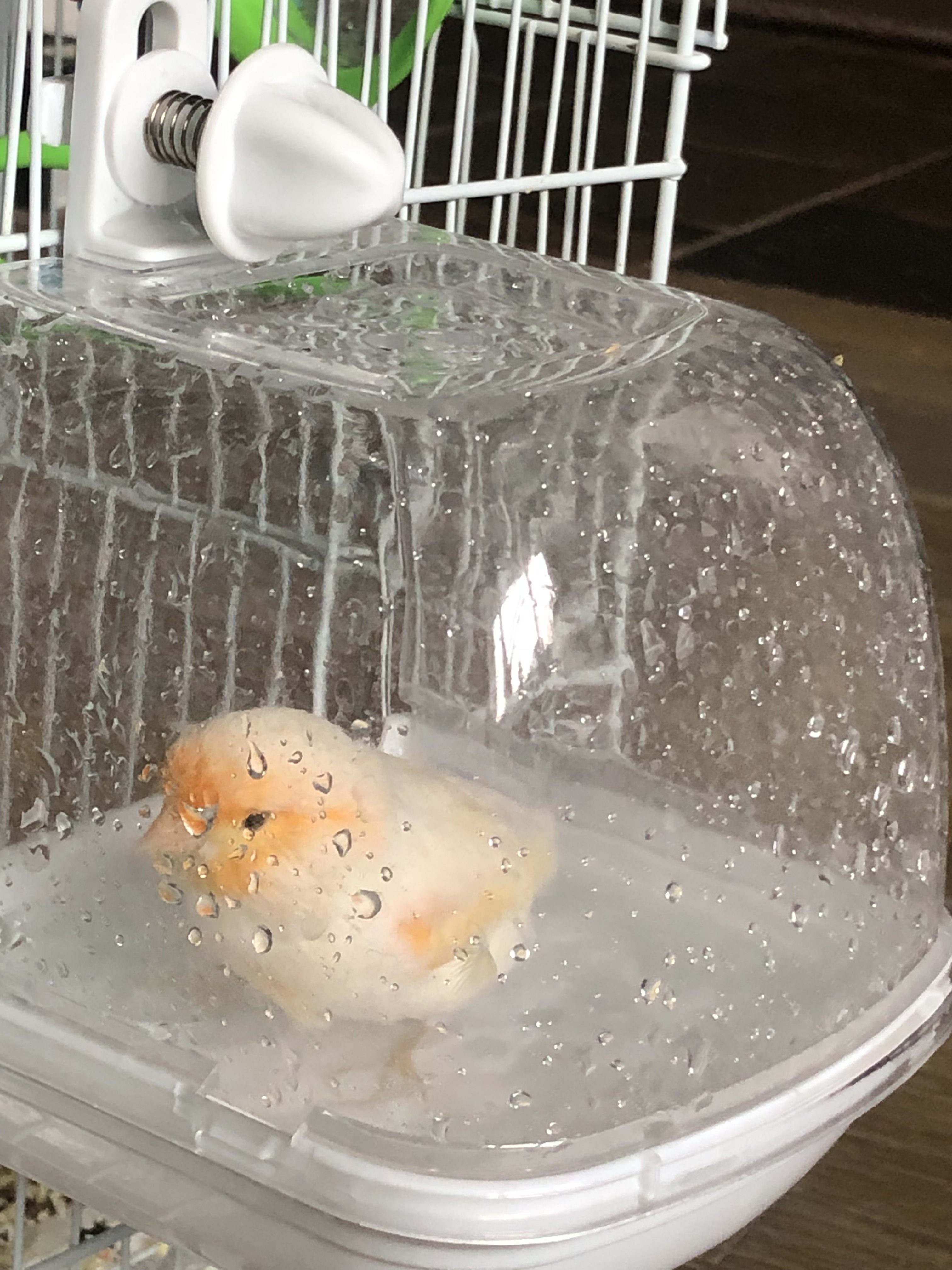
Every pet owner has at least one photograph that deserves a place in the Museum of Accidental Comedy. Maybe your dog sneezed during a dignified portrait and suddenly resembled a malfunctioning accordion. Perhaps your cat climbed into a cardboard box three sizes too small, then looked personally offended by the laws of geometry. Or maybe your rabbit stole a lettuce leaf and fled the scene like a tiny, salad-powered outlaw.
Whatever the moment, we want to see it. Post the funniest picture of your pet and tell us the story behind it. Polished portraits are welcome, but perfection is absolutely unnecessary. In fact, blurry paws, crooked whiskers, chaotic backgrounds, and expressions of deep animal betrayal often make the best funny pet pictures.
This celebration is not about making animals perform embarrassing tricks. It is about noticing the naturally hilarious things they already do: sleeping like they have no bones, staring suspiciously at household appliances, misjudging jumps, interrupting video calls, and reacting to ordinary objects as though those objects have committed serious crimes.
Why Funny Pet Pictures Are So Irresistible
Pets are unintentionally brilliant comedians. Human humor usually depends on setup, timing, and a punchline. Animals achieve the same result by walking into a room with a sock on their head and no apparent awareness that anything is unusual.
A funny pet picture also offers a small break from the polished images that dominate the internet. It feels honest. The dog is not selling a lifestyle. The cat has no personal branding strategy. The guinea pig is not pretending that Monday morning is an exciting opportunity for growth. They are simply existing, often very strangely, and allowing us to laugh without needing a complicated explanation.
These photographs also create instant connections among pet lovers. One person posts a picture of a puppy asleep with its face in a food bowl, and dozens of people immediately remember their own animals doing something equally ridiculous. The comment section becomes a neighborhood gathering where everyone speaks the universal language of “My pet does that too!”
They Reveal Real Personality
The funniest picture of your pet is rarely the most technically perfect one. It is usually the image that captures a recognizable personality trait. A serious-looking bulldog wearing a naturally disapproving expression is funny because the photograph feels true. A parrot caught inspecting its reflection like a celebrity checking a dressing-room mirror is funny because it reveals curiosity and confidence.
These candid moments show pets as individual characters rather than generic cute animals. There is the dramatic cat, the overly enthusiastic Labrador, the rabbit with criminal ambitions, and the cockatiel who believes every conversation is improved by screaming.
They Make Ordinary Chaos Memorable
A spilled water bowl is annoying for approximately ten seconds. A photograph of the guilty pet standing beside it with one wet paw and an expression of complete innocence may remain funny for years. Pet photography turns everyday disorder into family history.
Long after a chewed slipper has been replaced or a shredded roll of toilet paper has been cleaned up, the photo remains. It becomes the image you show visitors, relatives, coworkers, and anyone who makes the tactical error of asking, “Do you have pets?”
What Makes a Pet Picture Truly Funny?
Humor is subjective, but several ingredients appear repeatedly in hilarious animal photos. You do not need all of them. Sometimes one magnificent facial expression is enough to carry the entire production.
An Unexpected Expression
Animals can produce astonishing facial expressions at exactly the wrongor rightmoment. Mid-sneeze photographs are classics. So are wide-eyed surprise, suspicious side-eye, tongue-out confusion, and the unmistakable look of a pet who has heard the treat bag open from three rooms away.
Focus on the eyes when possible. Even when the rest of the photograph is chaotic, a clear view of your pet’s expression helps viewers understand the joke immediately.
Perfectly Bad Timing
Good comedic timing often means pressing the shutter a fraction of a second before or after the “proper” photograph. A dog catching a treat may look athletic in one frame, deeply confused in the next, and temporarily possessed in the third.
Burst mode is extremely useful for these moments. Instead of attempting to predict the exact instant your pet will jump, shake, yawn, or miss the toy completely, capture several frames and examine the results afterward. The masterpiece may be hidden between two normal photographs.
A Ridiculous Contrast
Contrast creates comedy. A tiny Chihuahua occupying an enormous armchair looks like a newly appointed executive. A massive Great Dane cautiously avoiding a small puddle appears to have reconsidered every adventurous decision it has ever made. A fluffy cat sitting beneath a sign that says “Please Keep Off Furniture” delivers a complete joke without needing a caption.
Look for contrasts between size, behavior, setting, and expression. The more seriously your pet treats an absurd situation, the funnier the photograph may become.
A Familiar Pet-Owner Problem
Relatable moments often receive the biggest laughs. Examples include pets sitting directly on clean laundry, blocking a laptop during an important meeting, begging immediately after eating, occupying the exact spot where their owner intended to sit, or refusing an expensive bed in favor of the box it arrived in.
The image becomes even stronger when viewers recognize the experience from their own homes. Shared frustration, once photographed, becomes comedy.
How to Capture Naturally Funny Pet Photos
You do not need a professional camera, studio lighting, or a degree in wildlife filmmaking. A phone, patience, and a pet with questionable decision-making skills are usually sufficient.
Observe Before Directing
The best funny pet pictures are often discovered rather than staged. Pay attention to your pet’s routines. Does your cat squeeze behind the curtains every afternoon? Does your dog carry three toys at once? Does your hamster reorganize its bedding with the intensity of a contractor facing a deadline?
Keep your phone nearby and wait for familiar behavior to happen naturally. Photographing an authentic habit is usually easier, safer, and funnier than trying to manufacture a complicated scene.
Use Natural Light
Window light and outdoor shade generally produce clear photographs without making pets uncomfortable. Bright direct sunlight can create harsh shadows, while a phone flash may startle an animal or produce glowing eyes that make a friendly pet look like it has arrived to collect an ancient debt.
Position yourself so the light falls across your pet’s face. Indoors, open curtains and move distracting objects out of the background before the comedy begins.
Get Down to Their Level
Photographing from your pet’s eye level makes the image feel more immediate. Sit, kneel, or carefully lie on the floor. Yes, this may cause your dog to assume that wrestling has begun. Consider that an occupational hazard.
A lower angle can exaggerate expressions, emphasize paws or whiskers, and place the viewer inside the scene. It also avoids filling half the frame with flooring while your pet appears as a small decorative object near the bottom.
Use Toys, Sounds, and Treats Responsibly
A favorite toy or familiar sound can encourage your pet to look toward the camera. Hold the object near the lens rather than waving it wildly around the room. Reward cooperation with a small treat, praise, or playtime.
Do not repeatedly tease an animal with food or pretend to throw a toy simply to capture confusion. The photograph should document fun, not create frustration.
Keep the Background Simple
A cluttered room can hide the funniest detail. Before taking the picture, check the edges of the frame for laundry piles, open cabinets, cables, or accidental appearances by half-dressed family members.
A plain wall, couch, rug, yard, or neatly arranged corner helps the pet remain the star. Of course, when the mess is part of the jokesuch as a cat sitting proudly in the ruins of a houseplantinclude the evidence.
Funny Pet Photo Ideas to Inspire Your Post
Your camera roll may already contain a winning image. Search for photographs that fit one of these delightfully chaotic categories:
- The Mid-Sneeze Masterpiece: Eyes closed, lips flying, dignity temporarily unavailable.
- The Box That Clearly Does Not Fit: Particularly effective when the pet appears satisfied with the arrangement.
- The Treat-Catching Disaster: Bonus points when the treat is visible but nowhere near the mouth.
- The Accidental Costume: A blanket cape, paper-bag hat, sock accessory, or harmless household item worn without planning.
- The Zoom-Call Supervisor: A pet blocking the camera, sitting on the keyboard, or judging coworkers from the background.
- The Furniture Takeover: One animal occupying an entire bed while its human balances on six inches of mattress.
- The Crime Scene: Shredded paper, stolen food, scattered soil, or a mysteriously empty trash can beside an innocent face.
- The Unusual Sleeping Position: Legs pointing in different directions, face pressed against a wall, or body folded like experimental furniture.
- The Dramatic Reaction: A pet responding to a cucumber, vacuum, bath towel, doorbell, or unfamiliar decorationprovided the moment occurred naturally and safely.
- The Family Resemblance: Two pets making the same expression or an animal unintentionally copying its owner’s pose.
Keep the Joke Safe and Kind
A funny photograph is never worth frightening, restraining, or endangering an animal. Pets cannot explain discomfort with words, so photographers must watch body language carefully.
For dogs, repeated lip licking, turning the head away, pinned-back ears, a tucked tail, shaking, freezing, or a stiff posture can indicate discomfort. Cats may crouch, flatten their ears, widen their eyes, flick their tails, hide, or attempt to leave. Birds, rabbits, reptiles, and small mammals also have species-specific stress signals that owners should learn to recognize.
Stop the photo session when your pet appears tired, anxious, or uninterested. A relaxed animal is more likely to behave naturally, which usually produces better images anyway.
Avoid Startle Pranks
Do not scare a pet with loud noises, hidden objects, sudden movements, or unfamiliar items placed behind it. A dramatic reaction may look entertaining for a few seconds, but deliberately triggering fear can damage trust and cause injuries.
If your pet reacts unexpectedly to something during normal life, you may photograph the moment from a safe distance. Remove the source of fear afterward rather than repeating the situation for additional takes.
Use Costumes Carefully
Some pets enjoy wearing a loose sweater, bow tie, or bandana. Others react as though a simple hat represents the collapse of civilization. Respect the individual animal.
Any costume should allow normal movement, vision, breathing, hearing, and bathroom use. Avoid small decorations that could be swallowed, tight elastic, dangling pieces, heavy accessories, and anything that traps heat. Supervise the pet continuously and remove the outfit at the first sign of distress.
Choose Safe Props
Props should be stable, non-toxic, and too large to swallow. Keep pets away from hot food, chocolate, alcohol, medications, sharp objects, electrical cords, candles, unstable furniture, and plants that may be toxic to their species.
A cardboard box, favorite toy, blanket, empty paper bag with handles removed, or ordinary pet-safe furniture can produce plenty of comedy without creating unnecessary risk.
How to Post the Funniest Picture of Your Pet
Once you find the photograph, add a short caption that gives readers enough context to appreciate the moment. You do not need to write a complete biography, although devoted pet parents may find restraint difficult.
Use a Simple Caption Formula
Introduce the pet, explain what happened, and add one memorable detail. For example:
“This is Waffles. He tried to jump onto the couch while carrying his blanket, stepped on the blanket, and wrapped himself like a confused burrito.”
Other effective caption styles include imaginary dialogue, mock news reports, employee evaluations, courtroom testimony, and dramatic movie titles.
- “Local cat discovers empty food bowl, prepares lawsuit.”
- “Performance review: enthusiastic attitude, poor understanding of personal space.”
- “The Fast and the Furriest: Vacuum Cleaner Drift.”
- “He was told there would be cheese. There was no cheese.”
Add Useful Image Descriptions
When the platform allows alternative text, describe the important visual details so people using screen readers can enjoy the joke. Instead of writing “funny dog,” try “A golden retriever sits inside a small laundry basket with one sock balanced on its head.”
Protect Personal Information
Check photographs for visible addresses, phone numbers, school names, identification tags, vehicle plates, computer screens, mail, or location clues. Cropping a picture takes seconds and can prevent accidental oversharing.
If the image includes another person or someone else’s pet, ask permission before posting it publicly. A photograph can be hilarious without ignoring privacy or consent.
Be a Friendly Member of the Pet Gallery
Community pet posts work best when participants celebrate rather than compete. Compliment other people’s animals, share similar stories, and remember that not every pet is young, perfectly groomed, or professionally photographed.
A blurry photograph of a beloved senior dog can hold more joy than a flawless studio portrait. Rescue animals, disabled pets, mixed breeds, reptiles, birds, fish, rabbits, horses, and unconventional companions all belong in the conversation.
Avoid diagnosing animals from photographs or criticizing an owner based on a single harmless moment. When a genuine safety concern is visible, respond respectfully and provide practical information rather than turning the comment section into an angry courtroom staffed entirely by strangers.
Pet-Owner Experiences: When the Camera Roll Becomes a Comedy Archive
The following composite experiences reflect the kinds of everyday stories pet owners frequently encounter. The names and details are illustrative, but the chaos will probably feel familiar.
The Great Birthday Portrait Rebellion
Milo’s family planned a tasteful first-birthday photograph. They arranged a blue blanket, a small cardboard sign, and a dog-safe biscuit shaped like the number one. Milo was brushed, the room had beautiful afternoon light, and everyone believed they were about to create a portrait worthy of framing.
Milo disagreed with the creative direction.
The moment he saw the biscuit, he charged through the backdrop, knocked over the sign, grabbed the snack, and ran beneath the dining table. The camera captured one sharp frame: Milo sprinting away with the number one sideways in his mouth while the birthday sign collapsed behind him.
The planned portrait never happened. The accidental action shot became the family’s favorite photograph because it showed exactly who Milo wascheerful, hungry, fast, and completely uninterested in formal events.
The Cat Who Joined a Business Meeting
Luna normally slept through morning video calls. One Tuesday, however, she decided the computer required supervision. She stepped onto the desk, inspected the keyboard, and placed her face directly in front of the webcam while her owner’s manager was discussing quarterly goals.
The resulting screenshot showed Luna’s nose filling most of the frame. Behind her, the owner could be seen attempting to remain professional while silently negotiating with a cat who had no respect for corporate hierarchy.
The funniest part was not the close-up. It was Luna’s expression after being moved: ears forward, eyes narrowed, and posture suggesting that management had made an unpopular staffing decision. The picture eventually became the team’s unofficial chat icon.
The Expensive Bed and the Free Box
After weeks of comparing reviews, Pepper’s owner purchased a soft orthopedic cat bed. It had supportive foam, washable fabric, raised sides, and a price tag that implied it had been designed by a committee of feline sleep scientists.
Pepper sniffed the bed once and climbed into the shipping box.
She slept there for three hours with one leg hanging over the edge. When the box began to bend, she moved into the packing paper. A photograph of Pepper ignoring the luxurious bed while sitting proudly in crumpled cardboard perfectly summarized the mysterious economics of cat ownership.
The Case of the Missing Sandwich
Charlie the beagle had never stolen food from the coffee tableat least, not while anyone was watching. One afternoon, a sandwich disappeared during a brief trip to the kitchen. Charlie remained on the rug, facing away from the table with admirable composure.
Unfortunately, a piece of lettuce was resting on his head.
The photograph captured Charlie avoiding eye contact while wearing the evidence like a decorative hat. No complicated caption was necessary. His expression told the entire story: there had been a sandwich, certain events had occurred, and he had been advised by legal counsel not to comment.
Experiences like these explain why funny pet photos become treasured. The image itself may be imperfect, but it preserves personality, surprise, and the affectionate absurdity of sharing a home with another species. Years later, the photograph can revive the sounds, reactions, and tiny details of a moment that would otherwise have disappeared.
Conclusion: Your Pet’s Funniest Moment Deserves an Audience
The funniest picture of your pet does not need perfect lighting, professional equipment, or an elaborate costume. It needs personality. Look through your camera roll for the crooked smile, failed jump, suspicious stare, stolen sock, impossible sleeping position, or domestic disaster that still makes you laugh.
Post the photograph, introduce your animal, and share the story behind the chaos. Keep the experience safe, respect your pet’s comfort, and celebrate the naturally funny behavior that makes living with animals so entertaining.
Now it is your turn, Pandas. Show us the pet who treats cardboard like luxury real estate, considers personal space an optional concept, or believes household rules apply exclusively to humans. The internet is ready for your funniest pet picture.












