
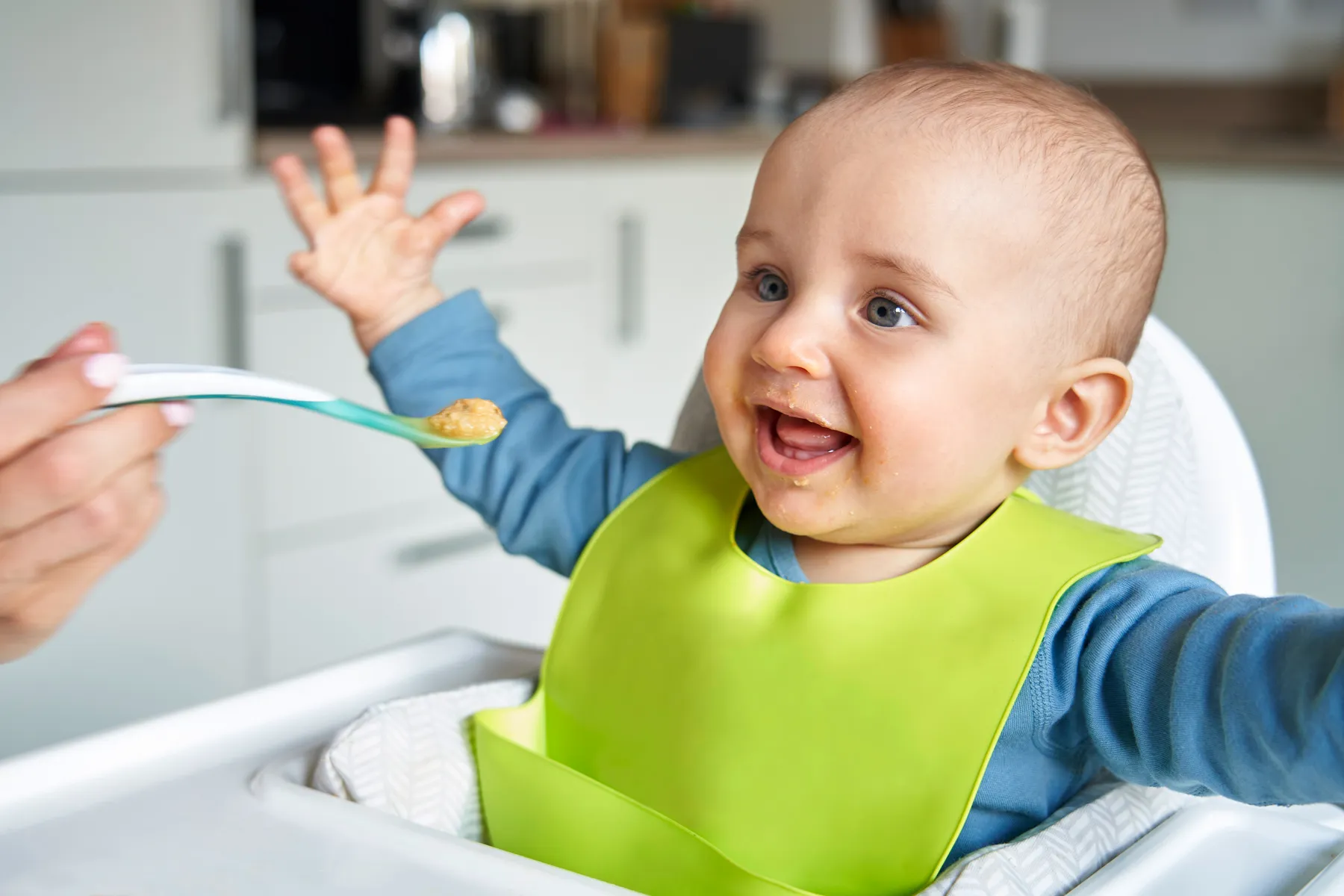
Few parenting milestones feel as exciting, messy, and mildly terrifying as the first bite of solid food. One day your baby is peacefully drinking breast milk or formula, and the next day you are Googling whether mashed avocado on the ceiling fan counts as “sensory development.” Welcome to starting solids: a season of tiny spoons, dramatic facial expressions, and surprisingly strong opinions from a person who recently discovered their own toes.
The big question is simple: when are babies ready for solid food? For most babies, the answer is around 6 months of age. But age is only part of the story. A baby’s readiness depends on developmental signs, body control, feeding interest, and the ability to safely move food in the mouth and swallow. In other words, your baby does not magically wake up on their six-month birthday demanding salmon, lentils, and a tiny side salad. Readiness is a combination of timing and skills.
This guide explains the signs your baby may be ready for solids, what first foods to try, what foods to avoid, how to reduce choking risks, and how to make the process calmer for everyone at the table. Spoiler: the high chair will still need cleaning. Possibly twice.
When Can Babies Start Eating Solid Food?
Most healthy, full-term babies are ready to begin solid foods at about 6 months old. Before that, breast milk or infant formula provides the nutrition babies need. Introducing foods too early can increase the risk of choking, upset a baby’s digestive system, and replace important calories from milk feeds. Solid foods before 4 months are generally not recommended.
That said, babies develop at different speeds. Some may show readiness a little before 6 months, while others need more time. The safest approach is to look at your baby’s age and developmental cues. If your baby was born prematurely, has feeding difficulties, has poor muscle tone, has a history of choking, or has a medical condition, talk with your pediatrician before beginning solids.
Key Signs Your Baby Is Ready For Solid Food
Your baby may be ready to try solids when several readiness signs appear together. One sign alone is not enough. For example, a baby staring at your sandwich does not automatically mean they are ready for lunch. Babies stare at many things: ceiling fans, dogs, your coffee, and that one corner of the room that apparently contains ancient secrets.
1. Your Baby Can Sit With Support
A baby should be able to sit upright in a high chair with good support. They do not need to sit perfectly alone like a tiny yoga instructor, but they should not slump forward, sideways, or backward. Good posture helps babies use their mouth and throat muscles safely during feeding.
2. Your Baby Has Good Head and Neck Control
Solid food requires coordination. A baby should be able to hold their head steady and turn away when they are finished. If the head is still wobbly, it is usually better to wait. Feeding works best when the baby can stay upright, alert, and comfortably positioned.
3. Your Baby Shows Interest in Food
Interest may look like watching you eat, reaching toward food, opening their mouth when a spoon comes near, or leaning forward during meals. Curiosity matters because babies learn by watching and imitating. Family meals can be surprisingly educational, even when the lesson is “Dad should not eat tacos in a white shirt.”
4. Your Baby Can Move Food Back and Swallow
Young babies naturally push objects out of their mouth with their tongue. This tongue-thrust reflex helps protect them early in life, but it can make spoon-feeding difficult. When babies are ready for solids, they begin learning how to move food from the front of the mouth toward the back and swallow instead of pushing everything back out.
5. Your Baby Opens Their Mouth for Food
A ready baby may open their mouth when food is offered. This does not mean every meal will be smooth. Babies may still make dramatic faces, gag slightly while learning textures, or reject a food one day and love it the next. Readiness is not perfection; it is the beginning of practice.
What Solid Food Means in the First Year
During the early months of starting solids, food is not meant to replace breast milk or formula. Think of solids as a learning experience plus extra nutrition. Breast milk or formula remains the main source of calories and nutrients for most of the first year, while solid foods gradually become more important.
At first, your baby may only eat one or two teaspoons. That is normal. Some babies enthusiastically attack the spoon; others treat it like suspicious office paperwork. The goal is exposure, practice, and steady progress. Your baby is learning new tastes, textures, smells, and mouth movements all at once.
Best First Foods For Babies
There is no single perfect first food. Parents used to be told to start with rice cereal and follow a strict order, but modern feeding guidance is more flexible. What matters most is offering safe, soft, nutrient-dense foods that match your baby’s developmental stage.
Iron-Rich Foods
Iron becomes especially important around 6 months because babies’ natural iron stores begin to decline. Good first options include iron-fortified infant cereal, pureed meat, mashed beans, lentils, eggs, tofu, and soft fish with bones carefully removed. Iron supports brain development, growth, and healthy blood cells.
Soft Fruits and Vegetables
Soft fruits and vegetables are also excellent early foods. Try mashed banana, avocado, cooked sweet potato, squash, peas, carrots, pears, applesauce, or well-cooked broccoli. The texture should be smooth, mashed, or soft enough for your baby’s stage. Avoid hard chunks that can break off and become choking hazards.
Foods With Different Flavors
Babies do not need bland food forever. Once single foods are tolerated, you can introduce a variety of flavors, including mild herbs and spices. Skip added salt and sugar, but do not be afraid of taste. A baby who tries many flavors early may become more comfortable with variety later. Of course, your baby may still throw green beans like confetti. That is not a scientific failure; that is Tuesday.
Should You Start With Purees or Baby-Led Weaning?
There are two popular approaches to starting solids: traditional spoon-fed purees and baby-led weaning. With purees, caregivers offer smooth or mashed foods on a spoon. With baby-led weaning, babies feed themselves soft, appropriately shaped foods from the beginning. Many families use a combination of both.
The best method is the one that fits your baby’s readiness, your comfort level, and your pediatrician’s advice. Purees can be helpful for introducing iron-rich foods and practicing spoon-feeding. Baby-led weaning can support independence, hand-eye coordination, and family meals. Either way, the food must be soft, safe, and served while the baby is sitting upright and supervised.
How to Start Solid Foods Step by Step
Choose a Calm Time
Offer solids when your baby is awake, calm, and not extremely hungry. A frantic baby who wants milk immediately may not be in the mood to politely evaluate mashed peas. Many parents offer a small milk feed first, wait a little, and then try solids.
Start Small
Begin with one or two teaspoons once a day. Let your baby smell, touch, lick, and explore. Eating is sensory learning. Some food will go in the mouth. Some will go on the bib. Some will go in mysterious places you discover later. This is normal.
Use a Safe Feeding Position
Seat your baby upright in a high chair with good trunk support. Avoid feeding in a reclined seat, car seat, stroller, or while your baby is lying down. Upright positioning lowers choking risk and helps babies manage food more safely.
Follow Your Baby’s Cues
Responsive feeding means watching your baby’s hunger and fullness signals. If your baby opens their mouth, leans forward, or reaches for food, they may want more. If they turn away, close their mouth, push food out, cry, arch their back, or lose interest, the meal can end. Pressuring babies to finish food can make meals stressful.
Introducing Common Allergens
Parents are often nervous about allergenic foods, and understandably so. Current guidance generally does not recommend delaying common allergens such as peanut, egg, dairy products, wheat, soy, fish, shellfish, or tree nuts once a baby is developmentally ready for solids. Introducing allergenic foods in safe forms during infancy may help reduce the risk of certain food allergies, especially peanut allergy.
However, form matters. Whole peanuts, thick globs of peanut butter, whole nuts, and hard pieces are choking hazards. Peanut can be offered as thinned smooth peanut butter mixed into cereal or puree, peanut powder stirred into food, or other baby-safe forms. Egg should be fully cooked. Dairy can be introduced as yogurt or cheese, but cow’s milk should not be used as the main drink before 12 months.
If your baby has severe eczema, an existing egg allergy, or another known food allergy, ask your pediatrician or allergist before introducing peanut or other high-risk allergens. Some babies need testing or a supervised introduction plan.
Foods to Avoid During the First Year
Some foods should wait because they pose safety or nutrition concerns. Do not give honey before 12 months because it can cause infant botulism, a rare but serious illness. Avoid cow’s milk as a main drink before 12 months because it does not provide the right balance of nutrients for infants, although yogurt and cheese may be appropriate in small amounts when tolerated.
Also avoid added sugar, high-sodium foods, unpasteurized dairy products, undercooked eggs, raw fish, and foods that are hard, round, sticky, or difficult to chew. Juice is not necessary for babies and can crowd out more nutritious foods. Babies need simple, safe, nutrient-dense optionsnot a tiny dessert buffet.
Choking Hazards to Watch Closely
Choking prevention is one of the most important parts of starting solids. Avoid whole grapes, hot dog rounds, popcorn, whole nuts, hard candy, raw carrot chunks, large apple pieces, tough meat chunks, spoonfuls of thick nut butter, marshmallows, chips, and other hard or sticky foods. Cut soft foods into safe shapes and sizes, cook hard vegetables until soft, remove bones from fish and meat, and supervise every bite.
Gagging and choking are not the same. Gagging is common when babies learn to manage textures; it is usually noisy and may involve coughing or pushing food forward. Choking is often quiet and requires immediate action. Caregivers should consider taking an infant CPR and choking-response class before starting solids. It is one of those skills you hope never to use but will be deeply grateful to know.
How Often Should Babies Eat Solids?
In the beginning, once a day is enough. As your baby gains skill and interest, you can gradually move to two meals and then three small meals a day. By 7 to 8 months, many babies are trying a wider variety of foods from different food groups. By 9 to 12 months, many babies are practicing finger foods, soft table foods, and family meals modified for safety.
Every baby is different. Some babies love solids immediately; others take weeks to warm up. Appetite can change during teething, growth spurts, illness, or developmental leaps. Keep offering food without pressure and continue breast milk or formula as recommended.
What If Your Baby Refuses Solid Food?
Refusal is common. A baby may reject a food because the taste is new, the texture feels strange, they are tired, they are not hungry, or they simply enjoy watching you work for it. Try again another day. It can take repeated exposure before a baby accepts a new food.
Keep the mood light. Smile, eat alongside your baby, and avoid turning meals into negotiations. Babies are tiny, but they can sense pressure faster than a cat senses an empty food bowl. If your baby consistently refuses solids after several weeks, gags intensely, vomits often, seems unable to swallow, or is not gaining weight well, contact your pediatrician.
Practical Experiences From Parents Starting Solid Foods
The first real-world lesson about starting solids is that the “perfect first meal” rarely looks perfect. Many parents imagine a sweet photo: baby smiling, spoon lifted, bib spotless, homemade puree glowing like a parenting magazine cover. The actual scene often includes a baby grabbing the spoon, smearing sweet potato across one eyebrow, and looking personally offended by banana. This is not a disaster. It is normal learning.
One helpful experience many parents share is to start with very small expectations. Instead of thinking, “My baby needs to eat a full serving,” think, “My baby is here to practice.” A teaspoon of mashed avocado, a tiny taste of iron-fortified oatmeal, or a few licks of lentil puree can be a successful first meal. Babies need time to understand that food is more than a toy, a face mask, or something to feed the dog.
Another common lesson is that timing matters. Offering solids when a baby is exhausted or extremely hungry can lead to tears for everyone, including the spoon. Many families find success after a milk feed, when the baby is calm but still curious. Late morning or early afternoon often works better than the chaotic dinner hour, when adults are hungry and everyone’s patience has clocked out.
Parents also learn quickly that mess is part of the process. A washable bib, a floor mat, and a sense of humor are more useful than fancy gadgets. Some babies want to touch every food before tasting it. That squishing, patting, and dropping helps them learn texture, temperature, and cause and effect. The cause is “I drop the spoon.” The effect is “my parent picks it up again while questioning every life choice.”
Families often report that variety becomes easier when babies eat modified versions of family food. A soft piece of cooked sweet potato, mashed beans from a low-salt meal, shredded tender chicken, or plain yogurt with mashed fruit can make feeding feel less like running a separate restaurant. The key is safety: soft textures, no choking hazards, no added salt or sugar, and close supervision.
Another practical tip is to introduce new foods earlier in the day. If a baby reacts with a rash, vomiting, swelling, coughing, or other concerning symptoms, it is easier to get medical advice during regular hours. Most babies tolerate new foods well, but parents feel calmer when they are not trying peanut powder for the first time at 10:47 p.m. while wearing pajamas and panic.
Finally, many parents discover that babies have unpredictable preferences. A baby may love broccoli one week and treat it like betrayal the next. This does not mean you have failed. Keep offering a variety of foods without pressure. Let your baby watch you eat the same foods. Over time, repeated exposure helps build familiarity. Starting solids is not one meal; it is a long, messy, funny, skill-building journey toward family eating.
Conclusion
Babies are usually ready for solid food at about 6 months, but the best sign is not the calendar alone. Look for developmental readiness: steady head control, supported sitting, interest in food, opening the mouth for a spoon, and the ability to swallow rather than push food out. Start slowly with soft, safe, nutrient-dense foods, especially iron-rich options. Keep breast milk or formula as the main source of nutrition during the early months of solids, and let your baby set the pace.
Starting solids should feel exciting, not like a final exam with applesauce. There will be mess. There may be gagging, funny faces, rejected peas, and suspiciously orange laundry. But with patience, safety, and responsive feeding, your baby can build healthy eating skills one tiny bite at a time.












