
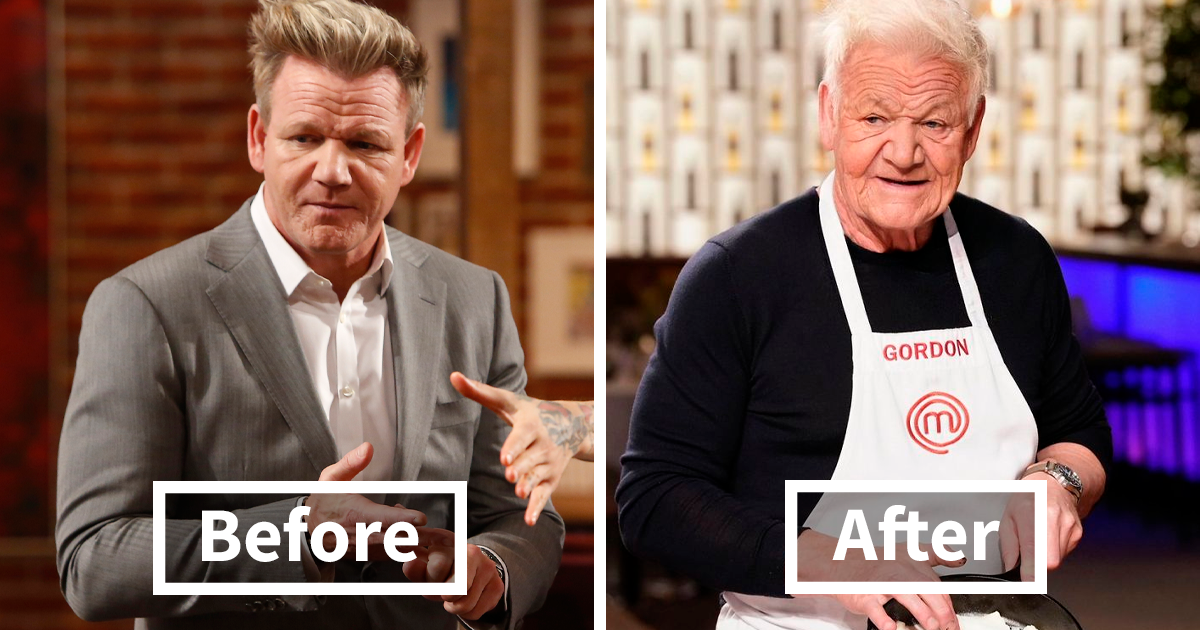
Hollywood spends a small fortune trying to make famous faces look eternally young. FaceApp takes the opposite approach, adding silver hair, softer jawlines, deeper smile lines, and enough distinguished wisdom to qualify almost anyone for a tasteful retirement commercial. These imagined celebrity transformations are not scientific forecasts, but they offer an entertaining glimpse at how 30 familiar stars might appear several decades from now.
When Celebrity Culture Meets the FaceApp Aging Filter
Celebrity culture usually treats aging like an uninvited guest who somehow slipped past security. Magazine covers erase wrinkles, red-carpet lighting performs minor miracles, and expensive skin-care routines promise to keep tomorrow politely waiting outside. That is why the FaceApp aging filter became such a fascinating reversal: instead of subtracting years, it enthusiastically piles them on.
FaceApp has offered AI-powered portrait editing since 2017, using neural-network technology to modify facial features while attempting to preserve a recognizable identity. Its collection of tools has included younger and older appearances, hairstyles, facial hair, makeup, expressions, and other photorealistic effects.
The aging effect became a major viral phenomenon in 2019 as athletes, musicians, actors, and millions of regular users shared digitally aged portraits online. Drake, Stephen Curry, Mindy Kaling, and Russell Wilson were among the famous names associated with that wave of curiosity. Suddenly, social media looked less like a youth-obsessed popularity contest and more like the world’s most glamorous retirement community.
The imagined transformations below explore how the app’s familiar aging style might reinterpret 30 celebrity faces. They are playful visual possibilities, not promises. Genetics, health, stress, sun exposure, lifestyle, cosmetic procedures, and ordinary chance all influence how a real person ages. Artificial intelligence has not yet mastered predicting who will drink enough water.
30 Famous People Reimagined in Their Later Years
1. Taylor Swift
An aged Taylor Swift would likely retain the bright eyes and carefully composed expression that make her instantly recognizable. Silver-blond hair, delicate lines around the eyes, and a slightly softer face could give her the appearance of an elegant songwriter who still remembers every name, date, and suspiciously specific scarf.
2. Beyoncé
FaceApp would probably emphasize Beyoncé’s strong facial symmetry, defined cheekbones, and commanding gaze. Even with gray hair and natural lines, she would look less like someone entering retirement and more like the person who owns retirement, redesigned it, and announced the global tour.
3. Rihanna
Rihanna’s future portrait would likely mix sophistication with the same mildly amused expression that suggests she knows something everyone else does not. The aging effect might deepen her cheek contours and add silver to her hair without reducing her unmistakable coolness by even one percent.
4. Lady Gaga
Older Lady Gaga could look theatrical even in a plain sweater and sensible reading glasses. FaceApp might add dramatic silver hair, pronounced smile lines, and a dignified intensity. She would resemble an avant-garde arts patron who occasionally arrives at brunch wearing a chandelier.
5. Ariana Grande
The aging filter would probably preserve Ariana Grande’s large eyes and petite facial proportions while softening her cheeks and adding fine lines around her smile. Her famous high ponytail might become silver, although gravity may eventually negotiate a more reasonable height.
6. Selena Gomez
Selena Gomez could age into a warm, approachable appearance, with expressive eyes and fuller cheeks remaining central to her look. Subtle forehead lines and silver-streaked hair might make her resemble the stylish neighbor who gives excellent advice and somehow always has homemade cookies.
7. Zendaya
Zendaya’s long facial structure and high cheekbones give an aging algorithm plenty to work with. Her imagined later-life portrait might appear strikingly refined, with textured gray hair and graceful lines that make her look prepared to accept an award for a film nobody else was sophisticated enough to understand.
8. Jennifer Lawrence
An older Jennifer Lawrence would likely maintain her lively eyes and slightly mischievous smile. FaceApp might deepen her laugh lines more than anything else, producing the believable appearance of someone who has spent several decades entertaining roomsand occasionally tripping while entering them.
9. Margot Robbie
Margot Robbie’s digitally aged face might feature softly weathered skin, pale silver hair, and a more angular jawline. The result would probably remain polished enough for a prestige drama about a powerful family with beautiful homes, expensive secrets, and absolutely terrible communication skills.
10. Emma Watson
FaceApp would likely transform Emma Watson into a dignified, bookish elder with intelligent eyes and understated silver hair. She could easily resemble a respected university professor who assigns 600 pages on Monday and sincerely believes students will enjoy every one of them.
11. Leonardo DiCaprio
An aged Leonardo DiCaprio might gain deeper forehead lines, gray-blond hair, and a fuller lower face. The filter would probably make him look like a veteran explorer who has returned from documenting melting glaciers and is disappointed that humanity still has not read the executive summary.
12. Brad Pitt
Brad Pitt’s strong bone structure could translate into the classic “distinguished older actor” look. Expect silver facial hair, deeper lines around the mouth, and the same relaxed confidenceessentially the world’s most expensive ranch owner leaning against a fence in a luxury watch advertisement.
13. Keanu Reeves
Keanu Reeves already wears a beard with philosophical ease, so FaceApp’s main contribution might be turning it silver and adding thoughtful lines around his eyes. He would look like a kind martial-arts master who can explain the meaning of life but would rather ask how your day went.
14. Ryan Gosling
The aging effect might give Ryan Gosling a narrower face, gray stubble, and weathered lines that fit surprisingly well with his reserved expression. He could resemble a retired jazz pianist who lives near the coast and answers every question with a meaningful pause.
15. Chris Hemsworth
Older Chris Hemsworth would probably look less like a thunder god and more like the thunder god’s extremely fit father. Silver hair, a thicker gray beard, and prominent forehead lines would add age while leaving the superhero-level jawline largely undefeated.
16. Michael B. Jordan
Michael B. Jordan’s imagined transformation might produce short gray hair, a neatly silvered beard, and stronger creases around his eyes. The result would have the calm authority of a championship coach who gives inspirational speeches before activities as minor as parallel parking.
17. Timothée Chalamet
Because Timothée Chalamet has a lean face and prominent cheekbones, an aging filter could create a particularly dramatic change. With silver curls and sharper lines, he might look like an eccentric European novelist whose interviews contain long pauses, black coffee, and at least one unexplained scarf.
18. Harry Styles
Older Harry Styles would almost certainly remain interested in adventurous clothing. FaceApp might supply wavy gray hair, crow’s-feet, and a softer jawline, but it cannot predict whether his future wardrobe will involve sequined cardigans, embroidered capes, or something borrowed from a very fashionable curtain.
19. Justin Bieber
Justin Bieber’s future rendering might include silver facial hair, a broader face, and visible smile lines. The familiar youthful expression could evolve into the relaxed look of a veteran performer who has finally made peace with every old haircut preserved forever on the internet.
20. Drake
FaceApp’s aging effect could turn Drake’s closely trimmed beard white, deepen his forehead lines, and soften his cheeks. He would look like the successful owner of a luxury record label who still releases an emotional song whenever someone takes longer than six minutes to text back.
21. Dwayne Johnson
Dwayne Johnson presents an unusual challenge because there is no hair for the app to turn gray. Instead, the filter might add deeper forehead lines, a silver beard, and more texture around his eyes. The muscles, presumably, would file an appeal against the aging process.
22. Tom Holland
An older Tom Holland might retain his friendly expression while gaining silver-brown hair, deeper laugh lines, and a more defined face. He could resemble the cheerful grandfather who insists he once performed his own stunts, then proves it before anyone can hide the furniture.
23. Robert Pattinson
Robert Pattinson’s angular features would likely become more pronounced under an aging filter. Add unruly gray hair and a few dramatic shadows, and he could look like a mysterious lighthouse keeper who writes experimental music and refuses to explain what happened to the previous lighthouse keeper.
24. Kim Kardashian
FaceApp might imagine Kim Kardashian with sleek silver hair, subtle lines, and carefully maintained facial contours. Realistically, future beauty technology will probably wage an extremely well-funded campaign against every wrinkle, making any current algorithmic forecast especially unreliable.
25. Kylie Jenner
Kylie Jenner’s future appearance is similarly difficult for software to predict because personal style and cosmetic trends can change dramatically. The app might create silver hair and mature skin texture, but her actual later-life look may depend on beauty technologies that have not been invented yet.
26. Billie Eilish
Billie Eilish could age into a visually compelling combination of silver hair, pale eyes, and expressive facial lines. Depending on the styling, she might resemble either a celebrated experimental composer or the enigmatic owner of a mansion where every clock has stopped at midnight.
27. Dua Lipa
An older Dua Lipa might retain her dark brows and strong facial definition while developing silver-streaked hair and graceful lines around the eyes. The finished portrait would likely look glamorous, controlled, and ready to headline a dance tour sponsored by orthopedic footwear.
28. Bruno Mars
FaceApp could give Bruno Mars a silver pompadour, gray mustache, and generous smile lines. The transformation would suggest a legendary Las Vegas performer who has been playing sold-out shows for 50 years and still refuses to reduce the number of costume changes.
29. LeBron James
LeBron James might appear especially commanding with a white beard, stronger forehead creases, and the composed expression of a basketball elder statesman. He would look prepared to explain modern strategy while reminding everyone that the game was much tougher in his era.
30. Stephen Curry
Stephen Curry’s youthful features might become softer and more lined, while a silver beard would add instant grandfatherly credibility. He could resemble the friendly retiree who casually joins a neighborhood basketball game and begins making shots from somewhere near the parking lot.
Why FaceApp’s Celebrity Aging Results Look So Convincing
The most effective age filters do more than place a few random wrinkles on a face. They alter several visual signals simultaneously: skin texture, hair color, hair density, facial volume, eyelids, the area beneath the eyes, and the definition of the jaw. When these changes remain consistent with the original lighting and facial structure, the result can feel surprisingly authentic.
Academic work on digital face aging has similarly focused on preserving identity while generating age-related changes. Researchers have explored systems that model facial texture, shape, and transitions between age groups. Even sophisticated methods, however, create statistically plausible images rather than personalized biological forecasts. They estimate what an older face could look like based on learned patterns; they do not know how a particular life will unfold.
Celebrity photographs make the illusion even stronger because they are usually sharp, front-facing, professionally lit, and easy for an algorithm to analyze. A blurry group photo taken in a dark restaurant may produce an elderly face that appears to have survived three shipwrecks. A clean studio portrait gives the software much better material.
FaceApp Is Entertainment, Not a Crystal Ball
No age-progression filter can account for every influence on a person’s future appearance. Identical twins can age differently because of lifestyle and environmental factors. Hair may be dyed, lost, restored, or styled in ways an algorithm cannot anticipate. Weight changes affect facial volume, while dental work, surgery, illness, medication, stress, and sun exposure can alter the face substantially.
Celebrity predictions are even less reliable because public figures often have access to professional makeup artists, dermatologists, cosmetic procedures, tailored fitness programs, controlled lighting, and photographers who understand that a camera angle can be either a friend or a sworn enemy.
That does not make the results meaningless. They reveal something about how people visually interpret age. Gray hair communicates experience. Lines around the eyes imply years of expression. A softer jaw or lower cheeks signal physical change. The filter functions like a fast visual story about time, even when the story is fictional.
The Privacy Conversation Behind the Viral Fun
The 2019 FaceApp boom was accompanied by questions about photo uploads, data collection, licensing terms, and the company’s international operations. A U.S. senator requested federal scrutiny, while technology reporters and security specialists debated whether some alarming claims were supported by evidence. Reports noted that the app uploaded a user-selected image for processing rather than automatically taking an entire photo library, but the controversy encouraged people to examine permissions and privacy policies more carefully.
FaceApp currently states that edited photos are temporarily cached on cloud servers during processing and encrypted with a key stored on the user’s device. Its terms also state that users retain rights to their content while remaining responsible for having the necessary rights to upload and transform it. Those are the company’s stated policies, and users should still review the latest terms, permissions, and platform privacy disclosures for themselves.
A sensible rule applies to FaceApp and nearly every other cloud-based editing service: do not upload an image you would be uncomfortable sharing with the provider. Avoid confidential photographs, identification documents, pictures of children without appropriate consent, or images belonging to someone who has not agreed to the edit.
What It Is Like to Experiment With Celebrity Aging Effects
Using an aging filter sounds simple: choose a photograph, tap a button, and meet the future. In practice, the experience is closer to holding a tiny and occasionally confused casting session. The same person can look like a distinguished statesman in one photograph and a weary prospector in another.
The best results usually begin with a clear, high-resolution portrait. The face should be unobstructed, reasonably well lit, and positioned near the center of the frame. Sunglasses, microphones, hands, dramatic shadows, and hair crossing the face can confuse the processing. A neutral expression tends to produce a controlled transformation, while a broad smile gives the filter more opportunities to deepen laugh lines and change the cheeks.
Lighting is particularly important. In a softly lit publicity portrait, digitally added wrinkles may blend naturally into the skin. Under hard directional light, those same details can become exaggerated. A celebrity may appear to age 30 years under one setting and 70 years under another, proving that lighting remains undefeated in its ability to create emotional damage.
Different photographs also reveal how much the result depends on styling. Apply an age filter to a clean-shaven actor, and the software may create a reserved, professorial face. Start with a full beard, and the same actor can emerge looking ready to write a memoir titled Wisdom, Wilderness, and Other Things I Learned Near a Campfire.
Comparing several celebrities highlights recurring patterns in AI aging effects. Strong cheekbones often become more prominent as the simulated face loses volume. Rounder faces may remain soft but gain lines around the mouth and eyes. Dark hair usually becomes gray or white, while blond hair may shift toward pale silver. Men are frequently given heavier brows and more facial hair; women are often rendered with smoother, more carefully arranged changes. Those tendencies can reflect patterns or biases in training data rather than universal truths about aging.
The most interesting moment is often not the first reaction of “That looks real.” It is the second reaction: “Why does that look real?” The transformation encourages viewers to notice which details they associate with age, wisdom, fatigue, warmth, authority, or vulnerability. A few added lines can make a familiar celebrity appear more approachable. A change in hair color can make the same person seem more serious. The software alters pixels, but the viewer supplies the personality.
There is also an unexpectedly positive side to the experience. Popular media often represents getting older as a loss of attractiveness, relevance, or possibility. Yet many FaceApp portraits look confident, warm, stylish, and entirely believable. The stars do not necessarily appear diminished. Some look more interesting. Others appear as though they have finally acquired the authority their dramatic cheekbones were requesting all along.
The humorous results are part of the appeal, but the strongest transformations avoid turning age into a joke. Wrinkles are not a visual failure, gray hair is not a special effect invented by villains, and growing older is not an embarrassing plot twist. A respectful celebrity aging gallery works best when it treats the pictures as imaginative portraits rather than warnings from the future.
After experimenting with enough images, one lesson becomes obvious: artificial intelligence is good at generating possibilities and terrible at making promises. FaceApp can produce a persuasive older version of a face in seconds, but real life will always be less orderly. People change their style, survive unexpected experiences, adopt new habits, and develop expressions shaped by decades the software has never seen.
That uncertainty is precisely what keeps the exercise entertaining. The pictures feel close enough to reality to be fascinating, yet speculative enough to invite debate. Taylor Swift may become the elegant silver-haired songwriter imagined aboveor she may choose neon-blue hair at 75 and make everyone else feel underdressed. Dwayne Johnson may develop a white beard, or he may discover a futuristic grooming technology powered by determination and protein.
Ultimately, the aging filter is not showing us the future. It is showing us a cleverly constructed story about the future, based on patterns observed in countless faces. The difference matters, but it does not eliminate the fun.
Conclusion: Famous Faces, Future Possibilities
Seeing celebrities transformed by FaceApp combines technology, pop culture, curiosity, and just enough existential panic to keep things interesting. The best results preserve recognizable features while adding the visual markers people commonly associate with later life: silver hair, changing facial volume, textured skin, and deeper expression lines.
Some stars look elegant, some look unexpectedly scholarly, and others seem ready to become mysterious vineyard owners. None of the images can tell us how these people will actually age. They simply demonstrate how convincingly AI can remix a familiar faceand how eager humans remain to peek at a future they cannot yet know.












