
Note: This article is based on real plant-care information and written for web publishing in standard American English.
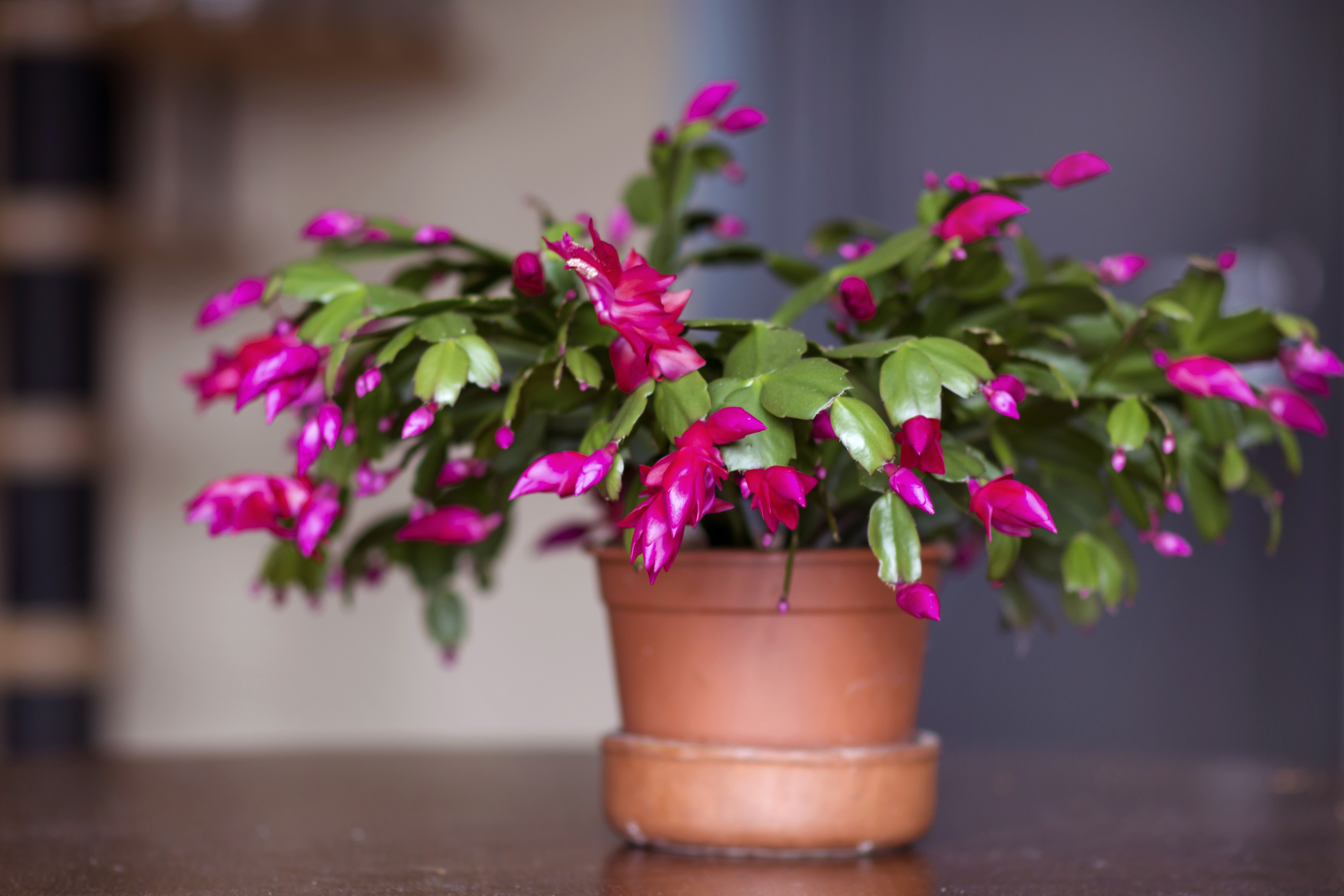
If your Christmas cactus has been giving you mixed signals, welcome to the club. One day it looks cheerful and full of buds, and the next day it acts like you have personally offended its ancestors. The good news is that this plant is not impossible. It is just misunderstood. The biggest mistake people make is treating a Christmas cactus like a spiky desert cactus that wants neglect, dry air, and a heroic lack of water. That is not the vibe here.
A Christmas cactus is a tropical cactus, not a sand-dune survivalist. In its natural environment, it grows in the humid forests of Brazil, often tucked into tree branches or rocky crevices where water drains quickly but moisture is still available. In other words, it likes a balanced life: not bone dry, not swampy, not dramatic. Once you understand that, watering gets much easier.
So, how much water does your Christmas cactus really need? The honest answer is this: water it thoroughly when the top inch of soil feels dry, then let excess water drain away completely. That is the core rule. Not every Friday. Not whenever you remember. Not every time you walk by with a watering can and a guilty conscience. The soil should guide you, not the calendar.
Why Christmas Cactus Watering Confuses So Many People
The name “cactus” is what sends people down the wrong path. Most people hear that word and picture a desert plant that wants to be ignored until the next geological era. But Christmas cactus, also called holiday cactus, behaves differently from desert cacti. It stores some water in its flattened stems, yes, but it does not want to stay dry for long stretches. If you let it get too thirsty too often, it may wilt, drop buds, or look limp and offended.
On the flip side, overwatering is equally dangerous. A Christmas cactus hates sitting in soggy soil. If water pools around the roots, the plant can develop root rot, which is basically the botanical version of having wet socks for weeks. No one thrives under those conditions.
That is why the best watering advice is not “water a little every few days.” It is “water deeply, then wait until the top layer dries.” Deep watering encourages the roots to take in moisture evenly, while the dry-down period helps prevent rot.
So, How Often Should You Water a Christmas Cactus?
In many homes, a Christmas cactus needs water about once every 1 to 2 weeks. But that is only a rough starting point, not a law of nature carved into a potting bench. Your plant may need water sooner or later depending on several factors:
- How much light it gets
- The temperature in the room
- The humidity level in your home
- The size of the pot
- The type of potting mix
- Whether the plant is actively growing, blooming, or resting
A Christmas cactus sitting in bright, indirect light near a warm window in winter may dry out faster than one in a cool room with higher humidity. A plant in a small terracotta pot will usually need water more often than one in a plastic pot, because terracotta lets moisture evaporate faster. Meanwhile, a root-bound, mature plant may use water differently than a young cutting in a roomy pot.
That is why the smartest question is not, “How often should I water it?” The smarter question is, “How dry is the soil right now?” Touch the top inch with your finger. If it feels dry, it is probably time to water. If it still feels damp, back away slowly and let the plant live its life.
How to Water a Christmas Cactus the Right Way
1. Check the soil first
Always test the soil before watering. Stick your finger about an inch deep into the potting mix. If that top layer is dry, go ahead and water. If it still feels moist, wait a few more days and check again.
2. Water thoroughly, not timidly
When it is time to water, do not just sprinkle a spoonful on top like you are seasoning a salad. Water the soil evenly until moisture runs out of the drainage holes. This ensures the entire root zone gets hydrated instead of only the surface.
3. Let it drain completely
After watering, let the excess drain away. Empty the saucer or decorative outer pot so the roots are not left sitting in water. A Christmas cactus likes moisture, but it does not want a foot bath.
4. Do not water on autopilot
Even if your calendar says “plant day,” do not water unless the soil actually needs it. Houseplant care gets easier the minute you stop treating it like a rigid schedule and start treating it like observation.
Season-by-Season Watering Needs
Spring and Summer: Steady but Sensible
During the active growing season, your Christmas cactus usually wants regular moisture. This is often the time when it is putting out new growth, so you do not want the potting mix staying dry for too long. Let the top inch dry, then water well. In warmer weather, especially if the plant spends time outdoors in filtered shade, you may find yourself watering more often.
Fall: Ease Up a Bit
As fall approaches, many growers reduce watering slightly. This is part of the plant’s transition toward bud formation. You still do not want the plant to shrivel, but you also do not want to keep it overly moist. Think of this as “slightly restrained hospitality.”
Bud Set and Bloom Time: Even Moisture Matters
Once buds start forming, consistency matters more. If the plant gets too dry during this period, buds may drop before they open. The soil should stay lightly and evenly moist, but never saturated. This is the season when a Christmas cactus becomes a bit of a diva. Sudden dryness, sudden soaking, drafts, and frequent relocation can all lead to flower loss.
After Blooming: Less Water, More Rest
After the flowers fade, the plant usually enters a rest period. At that point, reduce watering somewhat. Let the soil dry a little more between waterings than you would during active growth or bloom time. You are not trying to dry it out completely, just dialing back the moisture while the plant catches its breath.
Signs Your Christmas Cactus Needs More Water
A thirsty Christmas cactus will often tell you, although sometimes it prefers passive-aggressive hints. Look for these signs:
- Flattened or slightly wrinkled stem segments
- Wilting or drooping despite dry soil
- Buds dropping when the potting mix has gotten too dry
- Very lightweight pot when lifted
If the soil is dry and the plant looks tired, a thorough watering may perk it up. Just do not confuse thirst with root damage. A plant that looks limp can also be overwatered if the roots are struggling.
Signs You Are Overwatering It
Overwatering is one of the most common Christmas cactus problems, especially in winter when growth slows and evaporation drops. Warning signs include:
- Soft, mushy stem segments
- Yellowing or translucent-looking growth
- Persistent drooping even though the soil is wet
- A sour smell from the potting mix
- Black or brown roots if you inspect the root ball
If your plant is staying wet for too long, the problem may not be the amount of water alone. It may be the soil, the pot, or poor drainage. A Christmas cactus in dense, compacted soil can suffer even if you are not watering very often.
The Soil and Pot Matter More Than People Think
If you want to get watering right, you have to look beyond the watering can. Christmas cactus performs best in a well-draining potting mix. That can be a quality houseplant mix amended with perlite, orchid bark, or coarse material to improve airflow and drainage. The goal is a mix that holds some moisture but does not stay soggy for ages.
The pot matters, too. Always use a container with drainage holes. Always. A beautiful pot with no drainage hole is not a home. It is a trap.
Christmas cactus also tends to bloom well when slightly root-bound, so do not rush to repot it into a giant container. Too much soil around a modest root ball means more moisture hanging around longer than the plant wants.
Light, Temperature, and Humidity Change Water Needs
If your home gets dry in winter, your Christmas cactus may dry out faster than expected, especially if it sits near a heater vent. If it is placed in bright indirect light and warm indoor temperatures, you will likely check the soil more often. If it is kept in a cooler room, the potting mix may stay moist longer.
Moderate humidity helps this tropical cactus stay comfortable. It does not need to live in a steam room, but it appreciates air that is not painfully dry. If your home turns into a desert every winter, placing the plant near other houseplants or using a pebble tray can help create a friendlier environment.
Also, avoid harsh direct sun. Too much hot sun can stress the plant and change how quickly the soil dries, while bright indirect light tends to support healthier growth and more predictable watering needs.
A Simple Watering Formula You Can Actually Remember
If you want the shortest possible version, here it is:
Check the top inch of soil. If dry, water deeply. If damp, wait. During budding and blooming, keep moisture more even. Never let the plant sit in water.
That is the formula. Everything else is fine-tuning.
Common Watering Mistakes to Avoid
Watering on a fixed schedule
Your plant does not own a planner. It responds to conditions, not appointments.
Giving tiny sips instead of full drinks
Surface watering can leave the lower roots dry while tricking you into thinking you did enough.
Leaving water in the saucer
This invites root problems and keeps the potting mix too wet for too long.
Using heavy soil
Even perfect watering habits cannot fully compensate for a potting mix that drains like wet oatmeal.
Ignoring the bloom stage
The plant often needs more consistent moisture when forming buds and flowering. Extreme swings can cause disappointment and muttering.
What “Properly Watered” Looks Like
A well-watered Christmas cactus usually has plump, firm stem segments, steady growth, and blooms that stay put instead of launching themselves dramatically onto the windowsill. The soil dries gradually instead of staying soaked for a week. The plant looks stable, not stressed. You are not guessing all the time. In short, everything feels less chaotic.
If that sounds suspiciously peaceful, yes, that is the dream.
Real-Life Experiences With Christmas Cactus Watering
Ask ten houseplant owners how they learned to water a Christmas cactus, and at least seven will confess they learned the hard way. One common experience goes like this: someone buys a blooming holiday cactus in December, admires it daily, and waters it every other day because flowers seem like thirsty business. Two weeks later, the plant starts looking limp, and the owner decides it must need even more water. That, unfortunately, is how many Christmas cactus tragedies begin. The plant was not thirsty. It was drowning politely.
Another classic experience is the opposite. A person sees the word “cactus,” panics about overwatering, and decides to treat the plant like a survivor of the Mojave Desert. The soil turns dry as dust, the segments wrinkle a bit, and the buds begin dropping one by one like tiny floral resignation letters. Suddenly the owner is online at 11:43 p.m. searching, “Why is my Christmas cactus ruining Christmas?” The answer is usually that the plant wanted moderate, consistent moisture, not a drought survival challenge.
Many longtime growers say the turning point came when they stopped following a strict calendar and started checking the soil with a finger. That tiny habit changes everything. Instead of guessing, they respond to what the plant actually needs. In brighter rooms, the cactus dries faster. In cooler rooms, it dries slower. In a chunky potting mix, watering becomes easier to manage. In a heavy mix with poor drainage, every watering feels risky. Experience teaches that watering is not really about dates. It is about conditions.
People also learn that bloom season changes the rules a bit. A Christmas cactus that is happily growing in summer may tolerate a little more drying between waterings. But once buds appear, inconsistency becomes more obvious. Owners often notice that letting the plant get too dry during this time leads to bud drop. On the other hand, soaking it heavily and leaving water in the saucer can create stress just as quickly. The best results usually come from a middle path: keep the soil lightly moist, avoid sudden swings, and do not move the plant around like it is starring in a home makeover show.
There is also the experience of inherited plants. Many families have a Christmas cactus that has lived through multiple homes, several generations, and at least one questionable decorating era. These older plants are often the best teachers. Their caregivers tend to describe the same rhythm: bright indirect light, a pot with drainage, thorough watering only when the top layer dries, and a little restraint after blooming. Nothing fancy. No magical ice cube trick. No mysterious secret tonic. Just consistency, observation, and resisting the urge to “help” too much.
In the end, the most useful experience is realizing that Christmas cactus care gets easier once you stop treating the plant like a puzzle and start treating it like a tropical houseplant with a slight holiday flair. It wants attention, not obsession. Moisture, not mud. Dry-down, not desert. Once that clicks, the plant usually becomes much less dramatic, and your winter windowsill gets a lot more cheerful.
Final Thoughts
If you have been wondering how much water your Christmas cactus really needs, the answer is refreshingly simple: enough to keep the root ball evenly hydrated, but never so much that the plant stays wet and miserable. Let the top inch of soil dry before watering in most seasons, water more consistently during bud set and bloom, and always make drainage your best friend.
That balance is where Christmas cactus care lives. Not in neglect. Not in overattention. Right in the middle, where the soil dries a little, the roots breathe, and the blooms have a fighting chance to stick around for the holidays instead of staging an early exit.











