
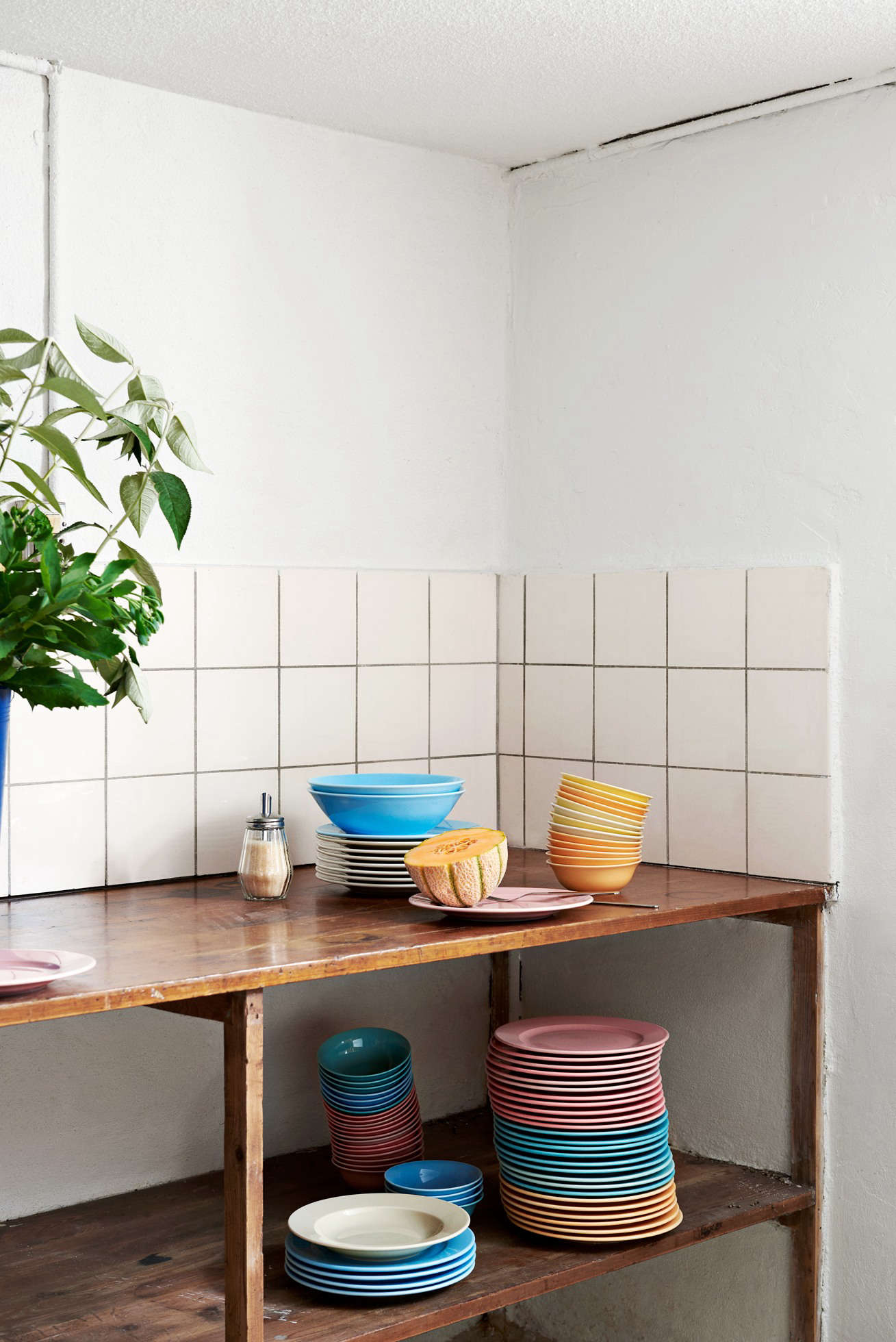
Some plates are merely transportation devices for food. The HAY Rainbow Plate has loftier ambitions. It can make a scrambled-egg breakfast feel like a tiny design event, turn a store-bought cookie into a café dessert, and persuade even a refrigerator-cleanout lunch to behave itself. That is a lot of pressure to place on porcelain, but this colorful HAY dinnerware earns the assignment.
The HAY Rainbow Plate is a simple idea executed with uncommon restraint: durable porcelain, a gentle curve, a clean flat rim, and a translucent colored finish that gives each plate a softly luminous look. It is not loud rainbow dinnerware with stripes, cartoons, or a parade marching around the edge. Instead, each plate comes in one pastel-forward hue, allowing different colors to mingle across the table without turning dinner into a kindergarten art project. The result is playful, polished, and surprisingly easy to live with.
What Is the HAY Rainbow Plate?
The HAY Rainbow Plate is part of HAY’s colorful tabletop collection, created for people who want everyday dishes to feel less anonymous. Its appeal is not based on complicated decoration. There are no hand-painted peacocks, no slogan in the middle, and no mysterious leaf motif that looks like it escaped from a hotel ballroom in 1997.
Instead, the plate relies on proportion, color, and finish. The porcelain body has a smooth, practical shape, while the slightly translucent lacquered glaze gives the color depth. Depending on the lighting, the surface can look soft and powdery in the morning, then a little glossier and more saturated at dinner. That visual shift is part of the charm.
The Rainbow Plate collection has appeared in several sizes, including small plates around 8 inches or 20 centimeters, medium plates around 9.5 inches or 24 centimeters, and larger plates around 10.25 inches or 26 centimeters. Small versions work well for cake, toast, snacks, or a dramatic single croissant. Medium plates are practical for breakfast, lunch, and light dinners. Larger plates handle more substantial meals without making a serving of pasta look like it is applying for witness protection.
Many versions have been described as dishwasher-safe and microwave-safe, which matters because beautiful dinnerware that requires a ceremonial hand-washing ritual after every sandwich is really just décor with delusions of usefulness.
Why the HAY Rainbow Plate Still Feels Fresh
Color Without Chaos
Color is often treated as an all-or-nothing decorating decision. Either a home is full of white and beige, or it looks as though a box of markers exploded in the dining room. The HAY Rainbow Plate occupies the useful middle ground. Its colors are cheerful but controlled, allowing a table to feel expressive without demanding sunglasses.
Pastel tones such as light pink, light blue, pale yellow, and sand are especially easy to mix. They work with plain white bowls, clear glassware, brushed metal flatware, natural linen, wood tabletops, and even inherited pieces that have been waiting patiently for a less boring dinner companion.
A Minimal Shape Lets Food Take the Spotlight
The plate’s uncomplicated silhouette is more important than it first appears. A dramatic plate can overpower the food, especially when the meal already has color, texture, and personality. Think tomato salad, roasted vegetables, berry pancakes, sushi, or a slice of birthday cake with frosting that has clearly had a long day.
The HAY Rainbow Plate frames food rather than competing with it. A soft pink plate can make berries and whipped cream look festive. A pale yellow plate gives eggs, toast, and citrus a warm backdrop. A light blue plate can make a simple sandwich, salad, or piece of fish feel clean and intentional. The plate is doing visual work, but it is not yelling about it.
It Fits HAY’s Everyday Design Philosophy
HAY is known for bringing a playful, contemporary spirit to functional home objects. The brand’s best work usually has a straightforward purpose, then adds color, better proportion, or a small visual surprise. The Rainbow Plate follows that formula closely. It is not trying to reinvent dinner. It is simply trying to make dinner look less like an administrative task.
That makes it a natural fit for modern apartments, Scandinavian-inspired interiors, colorful kitchens, dorm dining upgrades, and homes where the owners have decided that adulthood does not require purchasing twelve identical gray plates.
Choosing the Right HAY Rainbow Plate Size
Small Plate: Best for Snacks, Desserts, and Daily Rituals
The small HAY Rainbow Plate is useful for the foods that deserve better than a paper towel but do not need a full dinner plate. It is ideal for pastries, fruit, a side salad, avocado toast, a midnight cookie, or the one piece of cake you claimed would be “just a small bite.”
Small plates also work beautifully in layered place settings. Place one on top of a larger neutral plate to add color without committing the entire table to a single shade.
Medium Plate: The Everyday Workhorse
The medium version is often the most versatile option. Around 24 centimeters across, it can handle breakfast, a sandwich and salad, pasta, grain bowls, or a casual lunch. It is large enough to be practical but compact enough to avoid feeling oversized in a small kitchen or apartment.
For people starting a Rainbow Plate collection one piece at a time, the medium size is usually the safest first choice. It is the reliable friend of the dinnerware cabinet: not flashy, always useful, and unlikely to leave you stranded with soup in your lap.
Large Plate: For Dinner and a More Dramatic Table
The larger HAY Rainbow Plate is better suited to main courses, family-style meals, and tables where the plate itself is meant to contribute to the visual mood. A larger colored plate can anchor the place setting, especially when paired with a smaller contrasting plate or a clear glass bowl.
Use the large plate when the meal needs space: roast chicken, pasta, grilled vegetables, a big salad, or a dinner you are serving to guests after announcing, “It is nothing fancy,” despite having folded the napkins three times.
How to Style a HAY Rainbow Plate
Build a Soft Three-Color Palette
An easy way to style HAY Rainbow Plates is to choose two or three colors and repeat them in small touches. For example, pair light blue plates with pale yellow napkins and clear glasses. Or combine light pink plates with sand-colored linen and amber glassware. Repeating a color once or twice makes the table feel considered rather than accidental.
You do not need every object to match. In fact, perfect matching can make a table feel a little too eager. Let one color lead, let another support it, and keep the rest of the setting quiet.
Use White as a Reset Button
If you are nervous about colorful dinnerware, use white strategically. White serving bowls, white napkins, a white tablecloth, or simple white candles can give the HAY Rainbow Plate room to breathe. This keeps the plate feeling special rather than crowded by too many competing details.
White is not boring here. It is the sensible friend who holds everyone’s coat while the colorful plates dance on the table.
Mix Colors, but Keep the Finish Consistent
Mixing plate colors is part of the pleasure of the Rainbow collection. A set of four does not need to be four identical plates. In fact, a different color at each place setting can make a casual dinner feel more personal and relaxed.
The trick is to keep another element consistent. Use the same napkin color, the same glassware, the same flatware, or the same placemat shape. The repeated element acts like a quiet conductor, keeping the table from becoming a very attractive traffic jam.
Pair the Plate With Food That Loves Color
Colorful food photographs beautifully on these plates. Think berry-topped yogurt, lemon cake, roasted carrots, tomato bruschetta, pasta with green herbs, bright salads, peaches, citrus, and desserts with cream or frosting. Even simple food can look more inviting when the plate provides a soft contrast.
A pale blue plate is excellent for golden pastries and creamy foods. Light pink can flatter fruit, chocolate desserts, and green salads. Yellow works especially well with breakfast dishes, warm breads, and bright vegetables. Sand is the neutral member of the group, perfect for people who want color but still like their table to maintain indoor voices.
Practical Care Tips for HAY Rainbow Plates
A plate can be beautiful and still survive a Tuesday. That is the point. Since Rainbow Plates are porcelain, they are suited to everyday meals, but a little sensible care will help them look their best.
- Use the dishwasher if the specific plate’s care instructions confirm dishwasher safety.
- Confirm microwave suitability for the exact version you own, particularly when buying secondhand or from older inventory.
- Avoid sudden temperature shocks, such as moving a very cold plate directly into extreme heat.
- Skip abrasive scouring pads that can dull a glossy surface over time.
- Stack plates carefully, especially when mixing them with heavier stoneware or handmade ceramics.
- For resale finds, inspect the rim, underside, and glaze closely for chips, scratches, or fine crackling.
One of the collection’s appealing details is that glaze color can vary slightly from piece to piece. That variation should not be mistaken for a flaw. It gives a mixed collection more depth and prevents the table from looking like it was assembled by a color printer with trust issues.
Who Should Buy a HAY Rainbow Plate?
The HAY Rainbow Plate is a strong choice for people who want designer dinnerware without committing to precious, formal china. It suits renters who need a low-effort way to personalize a kitchen, new homeowners building a first grown-up tableware collection, design lovers who enjoy Scandinavian color, and hosts who believe dinner is more memorable when the table has a little personality.
It is also ideal for anyone tired of the all-white-dishes default. White plates are useful, timeless, and perfectly respectable. But sometimes breakfast needs a pep talk, and a pale yellow plate can do more for morale than another motivational podcast.
It may not be the best fit for someone who wants a completely matching twelve-piece formal dinner service or prefers ultra-rustic, heavily textured stoneware. The HAY Rainbow Plate is smooth, modern, and color-led. Its charm comes from clean lines and playful combinations, not from pretending it was dug out of an ancient farmhouse kiln.
Final Thoughts: A Small Design Upgrade With a Big Mood
The HAY Rainbow Plate proves that everyday tableware does not need to be neutral, fussy, or fragile to feel special. Its porcelain construction, soft translucent finish, practical sizes, and mix-and-match colors make it a flexible choice for daily eating and relaxed entertaining.
Whether you buy one plate as a cheerful accent or build a full rainbow-inspired setting, the value is in the feeling it creates. A good plate holds food. A great plate makes the meal feel like it was worth sitting down for.
Experiences With the HAY Rainbow Plate: What It Feels Like to Live With It
Living with a HAY Rainbow Plate is less about owning a “designer object” and more about noticing how a small visual upgrade changes ordinary routines. The first experience is usually breakfast. A piece of toast, some fruit, and coffee can be perfectly fine on any plate. Put the same meal on a softly colored HAY Rainbow Plate, though, and it suddenly looks deliberate. Not extravagant. Not staged within an inch of its life. Just pleasant enough that you pause for a second before shoveling it down while answering emails.
That pause is surprisingly valuable. The plate creates a small ritual around meals that might otherwise disappear into the day. A light yellow plate can make eggs and toast feel sunny even when the weather is doing its best imitation of a damp envelope. A soft pink plate can give a slice of banana bread a bakery-window energy. A pale blue plate makes a quick yogurt bowl feel clean and calm, which is impressive considering yogurt bowls are often assembled by people who are barely awake.
The second experience comes when guests arrive. You do not need matching chairs, expensive glassware, or a floral arrangement tall enough to require air-traffic control. Put different HAY Rainbow Plate colors at each place setting, add simple napkins, and suddenly the table has a point of view. Guests notice. Someone will almost certainly ask where the plates are from. Another person may pick a favorite color as though choosing a team in a very gentle sporting event.
The third experience is discovering that mismatched dinnerware can feel more welcoming than a formal set. A blue plate beside a pink plate does not look unfinished. It looks collected. The table feels less like a showroom and more like a place where people actually eat, talk, spill a little sauce, and stay for dessert. That flexibility is especially helpful in small homes, where every item earns more respect when it can be functional and decorative at the same time.
There is also a quiet pleasure in opening the cabinet. Stacked neutral dishes are practical, but stacked colored plates create a tiny visual reward. They make the kitchen feel more lived-in and less like a staging area for future beige. Even one or two Rainbow Plates can break up a shelf of plain dinnerware and make the whole cabinet look more considered.
In everyday use, the collection encourages mixing rather than saving things for an imaginary special occasion. A colored plate with leftovers still looks good. A fancy dessert on a Rainbow Plate looks better, of course, but that is hardly a rare achievement. The real win is that the plate makes a Tuesday-night meal feel like it received a little care. It is not magic. It will not cook dinner, load the dishwasher, or stop your group chat from sending forty-seven messages during a meeting. But it can make a meal feel brighter, and sometimes that is exactly enough.











