
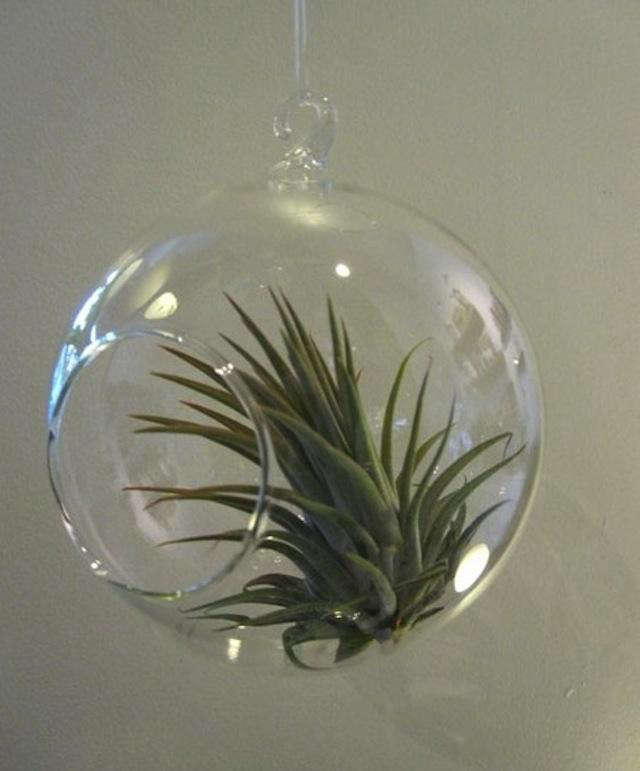
Hanging glass globe mini terrariums are what happens when indoor gardening meets jewelry. They are small, shiny, charming, and just dramatic enough to make a plain wall look like it hired an interior designer. Whether you hang one in a sunny kitchen window, cluster three over a desk, or give a lonely bathroom corner a little botanical pep talk, these miniature gardens bring greenery into the home without demanding a backyard, a greenhouse, or a personality makeover.
At their best, hanging glass globe terrariums are low-maintenance living décor. They can hold air plants, moss, tiny tropical plants, or carefully chosen succulents, depending on the shape of the globe and the amount of airflow it provides. At their worst, they become tiny glass swamps where roots panic, moss sulks, and succulents silently write goodbye letters. The difference usually comes down to plant choice, moisture control, light, and whether the terrarium was built like a miniature ecosystem or like a craft project that got overly enthusiastic with pebbles.
This guide explains how to choose, design, build, hang, and care for hanging glass globe mini terrariums so they stay attractive longer than a weekend craft trend. We will cover the best plants, layering methods, watering habits, styling ideas, troubleshooting tips, and real-world experience from working with these tiny floating gardens.
What Are Hanging Glass Globe Mini Terrariums?
A hanging glass globe mini terrarium is a small transparent container, usually round or teardrop-shaped, designed to hold plants and decorative materials while suspended from a hook, bracket, ceiling mount, curtain rod, or wall hanger. Most have an opening on the side or top, allowing air exchange and access for watering and maintenance.
The “mini” part matters. These globes are compact, which makes them beautiful but also less forgiving. A tablespoon too much water in a regular planter is a shrug. A tablespoon too much water in a tiny glass globe is a weather event. Because most glass globes do not have drainage holes, every layer and every plant choice has to be intentional.
Why Hanging Glass Globes Are So Popular
The appeal is easy to understand. Hanging glass terrariums are small enough for apartments, dorm rooms, offices, and narrow windowsills. They offer the look of indoor gardening without the footprint of traditional pots. They also turn plants into vertical décor, which is useful when every flat surface in the home is already occupied by keys, chargers, coffee cups, and one mysterious screw nobody wants to throw away.
They are also highly customizable. A beach-inspired globe might use sand, shells, and an air plant. A woodland-style globe might feature moss, bark, and miniature ferns. A modern minimalist design could use black gravel, one sculptural tillandsia, and nothing else. The glass globe acts like a tiny stage, and the plant is the lead actor. The pebbles, moss, sand, and figurines are supporting cast members who should not steal the show.
Open vs. Closed Terrariums: Choose the Right Style
Before choosing plants, decide whether your hanging glass globe functions as an open terrarium or a mostly closed one. Most hanging globes are open because they have a side opening. That airflow makes them ideal for air plants and, in some cases, succulents. Closed terrariums are better for humidity-loving tropical plants, but they are not usually the best match for hanging globes unless the container is stable, roomy, and easy to monitor.
Open Hanging Globes
Open globes allow moisture to escape. They are best for plants that like airflow, such as air plants, small succulents, and cacti-style arrangements. However, succulents still need excellent drainage and should not sit in wet soil. In small hanging globes, air plants are often the easiest and most reliable choice because they do not require soil at all.
Closed or Semi-Closed Globes
Closed terrariums hold humidity and create a miniature water cycle. That can be great for moss, fittonia, small ferns, and other tropical plants. But closed glass containers can overheat in direct sun and can develop mold if there is too much moisture or not enough airflow. In a hanging globe, a closed setup should be approached carefully. Think lush rainforest, not sealed salad spinner.
Best Plants for Hanging Glass Globe Mini Terrariums
The best plants are small, slow-growing, and matched to the terrarium environment. A plant that wants deep soil, strong airflow, or constant root space will not enjoy living in a glass ornament. Choose plants that stay compact and tolerate the conditions inside your globe.
Air Plants
Air plants, also known as tillandsias, are favorites for hanging glass globes because they do not need soil. They absorb moisture through their leaves and can be displayed on stones, bark, shells, or decorative sand. They like bright, filtered light and good airflow. The key is to water them properly and let them dry fully afterward. A soggy air plant is not a happy air plant; it is basically a botanical sponge with regrets.
Succulents
Small succulents can work in open glass globes, but only if the container has enough airflow and the soil is extremely well-draining. Echeveria, haworthia, jade cuttings, and small sedum varieties can look beautiful, but they should be watered sparingly. Succulents in closed terrariums are a common mistake because trapped humidity can encourage rot.
Moss
Moss gives a terrarium that soft forest-floor look, as if a tiny woodland creature is about to move in and refinance the mushroom. Moss prefers moisture and humidity, so it usually performs better in closed or semi-closed terrariums than in dry open globes. If you use moss in an open hanging globe, be prepared to mist lightly and monitor dryness.
Mini Tropical Plants
Fittonia, small ferns, peperomia, pilea, and miniature tropical plants can work in larger glass globes if they have enough soil and consistent moisture. These plants generally prefer indirect light and higher humidity. They are better suited to semi-closed globes than dry open ones.
Materials You Need
To build a hanging glass globe mini terrarium, gather your supplies before starting. This prevents the classic craft-table crisis where you are holding a plant in one hand, spilling sand with the other, and realizing the spoon you need is in the dishwasher.
Basic Supplies
- Hanging glass globe or teardrop terrarium
- Air plant, succulent, moss, or miniature tropical plant
- Small stones, gravel, or decorative sand
- Activated horticultural charcoal
- Well-draining potting mix or succulent mix, if using rooted plants
- Long tweezers, small spoon, or narrow funnel
- Fishing line, chain, macramé hanger, or sturdy cord
- Ceiling hook, wall bracket, or secure hanging point
- Decorative accents such as bark, shells, driftwood, or miniature stones
How to Build a Hanging Glass Globe Mini Terrarium
Building a terrarium is simple, but the order matters. The goal is to create a stable base, support the plant’s needs, and leave enough space for airflow and maintenance.
Step 1: Clean the Glass Globe
Wash the globe with warm water and mild soap, then rinse and dry it completely. Clean glass lets in more light and reduces the chance of introducing mold or bacteria. It also looks better, which is important because a terrarium is basically a plant living in a window display.
Step 2: Add a Base Layer
For air plants, use decorative sand, gravel, small stones, bark, or shells. Since air plants do not need soil, the base is mostly decorative and structural. Make sure the material does not trap water around the base of the plant.
For rooted plants, add a thin drainage layer using small pebbles or perlite. Because the globe has no drainage hole, this layer creates a small reservoir for excess moisture. Do not treat it as permission to overwater. It is a safety net, not a swimming pool.
Step 3: Add Activated Charcoal
A thin layer of activated horticultural charcoal can help manage odors and moisture in terrariums, especially in enclosed or semi-enclosed setups. It is particularly useful where water cannot drain away. Use a light hand; you are building a miniature garden, not seasoning a barbecue.
Step 4: Add Soil Only When Needed
If you are using succulents or tropical plants, add the correct soil mix. Succulents need gritty, fast-draining soil. Tropical plants need a light potting mix that holds some moisture but does not become dense. Air plants do not need soil and should not be buried.
Step 5: Place the Plant
Use tweezers or your fingers to position the plant gently. For rooted plants, tuck soil around the roots without packing it too tightly. For air plants, nestle the plant into the display so it sits securely but can still be removed for watering. This is one of the biggest advantages of air plant globes: you can take the plant out, water it properly, let it dry, and return it like nothing dramatic happened.
Step 6: Add Decorative Details
Now comes the fun part. Add a small piece of driftwood, a few pebbles, preserved moss, or a tiny shell. Keep decorations proportional. If the miniature dinosaur is larger than the plant, the terrarium may still be delightful, but it has changed genres.
Step 7: Hang Securely
Use a strong hook, bracket, or hanger rated for more than the terrarium’s weight. Remember that wet soil is heavier than dry soil. Keep hanging globes away from busy doorways, swinging curtains, and places where pets might treat them like luxury cat toys.
Light Requirements
Most hanging glass globe terrariums do best in bright, indirect light. Direct sun can heat glass quickly and scorch plants, especially in a closed or semi-closed container. A spot near an east-facing window, a bright room with filtered light, or a location a few feet away from a sunny window often works well.
Air plants appreciate bright filtered light. Succulents need more light than tropical plants, but the glass globe can intensify heat, so watch for signs of stress. Tropical plants and moss generally prefer indirect light and may struggle in hot, direct sun.
Watering Hanging Glass Globe Mini Terrariums
Watering is where most terrarium trouble begins. The smaller the globe, the more carefully you need to water. In a container without drainage, excess moisture has nowhere to go. It simply sits there, looking innocent, while roots begin to question your leadership.
Watering Air Plants
Remove air plants from the globe before watering. Soak or rinse them according to their needs, then shake off excess water and let them dry upside down or on a towel in a bright, airy spot. Once fully dry, return them to the globe. Never leave water collected in the base of the plant.
Watering Succulents
Water succulents sparingly at the soil line. Use a dropper, small spoon, or squeeze bottle for control. The goal is to lightly moisten the soil, not flood the globe. Allow the soil to dry before watering again.
Watering Moss and Tropical Plants
Moss and tropical plants need more consistent moisture, but they still should not be waterlogged. Mist lightly or add small amounts of water as needed. If condensation constantly covers the glass, open the terrarium or reduce watering.
Common Mistakes to Avoid
The most common mistake is overwatering. Second place goes to putting the wrong plant in the wrong container. A succulent in a sealed humid globe is like wearing a winter coat in a steam room. It might survive briefly, but it will not send a thank-you note.
Too Much Water
If water pools at the bottom, stop watering until the terrarium dries. Remove damaged leaves and improve airflow. For air plants, always dry them before returning them to the globe.
Too Much Direct Sun
Glass can magnify heat. If leaves turn brown, crispy, bleached, or scorched, move the terrarium to a brighter indirect location rather than direct sunlight.
Overcrowding
A mini terrarium should have breathing room. Crowding too many plants together restricts airflow and makes maintenance harder. It also ruins the design. Negative space is not empty; it is the part that lets the tiny garden look elegant instead of like a plant elevator at rush hour.
Using Garden Soil
Regular garden soil is usually too heavy for terrariums and may introduce pests or disease. Use a clean, lightweight potting mix suited to your plant type.
Design Ideas for Hanging Glass Globe Mini Terrariums
One of the best things about hanging glass globes is their design flexibility. You can match them to a room’s style, a season, or a personal theme.
Minimalist Air Plant Globe
Use white sand, one piece of black lava rock, and a single tillandsia. This design looks clean, modern, and intentional. It is perfect for desks, bathrooms, and small apartments.
Coastal Globe
Use pale sand, tiny shells, sea glass, and an air plant. Avoid using materials collected from beaches unless they are cleaned properly and legally gathered. Salt residue can harm plants.
Woodland Moss Globe
Use moss, bark, small stones, and a miniature fern in a semi-closed globe. Keep the light indirect and moisture steady. This style works well in bathrooms with natural light.
Succulent Desert Globe
Use gritty soil, sand, small stones, and one compact succulent. Keep the globe open, airy, and lightly watered. This is a beautiful option for bright rooms, but it requires careful moisture control.
Where to Hang Mini Terrariums
Good locations include bright kitchens, home offices, covered porches, bathrooms with windows, and living room corners that need visual interest. Avoid placing hanging globes over electronics, directly above beds, or anywhere they might be bumped frequently.
For a dramatic look, hang several globes at different heights. Odd-numbered groupings, such as three or five, often look natural. Vary the size of the globes but keep the materials similar so the display feels cohesive rather than chaotic.
Maintenance Tips for Long-Term Success
Check your terrarium weekly. Remove dead leaves, wipe dirty glass, rotate the globe if growth leans toward the light, and inspect for mold. Prune plants before they outgrow the container. If a plant becomes too large, replace it or move it to a pot where it can pursue its dreams at full size.
Fertilizer is rarely needed in mini terrariums. Too much fertilizer can cause plants to grow quickly, which sounds good until your tiny fern becomes a leafy landlord demanding more square footage.
of Practical Experience With Hanging Glass Globe Mini Terrariums
After working with hanging glass globe mini terrariums, one lesson becomes obvious: the prettiest design is not always the healthiest design. Many people build the first globe like a tiny layer cake: thick gravel, bright sand, moss, soil, stones, decorations, and finally a plant squeezed in at the end like an afterthought. It looks wonderful for a photo. Then reality arrives. The plant needs airflow, water control, and space. The best globes usually look simpler than expected.
Air plant globes are the most forgiving for beginners. A small tillandsia placed on dry decorative stones can look beautiful for months with the right light and watering routine. The trick is removing the plant to water it. People often mist air plants while they are still inside the globe, but that can leave water sitting in the crown or trapped between leaves. Taking the plant out feels like extra work, but it prevents many problems. Letting it dry fully before returning it is the difference between a thriving display and a sad, soft plant that seems to have lost the will to participate.
Succulent globes are more demanding. They photograph beautifully, especially with layers of sand and pebbles, but they need restraint. The globe should be open, the soil should be gritty, and the watering should be minimal. A dropper bottle is surprisingly useful because it lets you water near the roots without soaking the entire container. In experience, small haworthias often behave better than rosette succulents in globes because they are compact and less dramatic about slightly lower light. Echeverias can stretch if they do not get enough brightness.
Moss globes create the strongest “miniature forest” feeling, but they need a different mindset. Moss likes moisture, so it works better in a more humid setup. However, too much moisture creates foggy glass and mold. A healthy moss globe often needs tiny adjustments: open it for a while, mist less, move it out of direct sun, or remove a browned patch before it spreads. Moss teaches patience. It is not a plastic carpet; it is alive, and it has opinions.
Hanging location matters more than beginners expect. A globe in direct afternoon sun can heat up quickly. A globe in a dark hallway may look stylish but slowly decline. The sweet spot is bright, indirect light with stable temperatures. Bathrooms can be great for moss and tropical mini plants if there is a window. Home offices are excellent for air plants because they are easy to notice and maintain. The best terrarium is the one you can actually see, enjoy, and remember to care for.
The biggest experience-based advice is to design for maintenance, not just appearance. Leave room to reach inside. Use plants that can be removed or trimmed. Avoid delicate arrangements that collapse every time you water. A hanging glass globe mini terrarium should feel like a tiny living sculpture, not a fragile museum exhibit guarded by anxiety.
Conclusion
Hanging glass globe mini terrariums are a beautiful way to bring living greenery into small spaces. They combine indoor gardening, home décor, and a little bit of botanical magic in one compact package. The secret is matching the plant to the globe. Air plants need airflow and drying time. Succulents need open containers, bright light, and very careful watering. Moss and tropical plants need more humidity but still require balance.
Build with clean materials, avoid overwatering, provide bright indirect light, and keep the design simple enough to maintain. Do that, and your hanging glass globe terrarium can become more than a pretty decoration. It can be a tiny floating garden that makes your room feel fresher, calmer, and just a little more enchanted.
Note: This article is written as original publish-ready content and synthesizes practical terrarium care guidance from reputable horticulture, extension, and gardening sources.













