
Package thieves have become the raccoons of modern e-commerce: sneaky, opportunistic, and somehow always arriving right after the delivery photo hits your phone. In one of the internet’s most memorable revenge-meets-engineering moments, a clever maker built a decoy package designed to embarrass porch pirates, expose their behavior, and turn a frustrating crime into a viral lesson about security, creativity, and restraint.
The headline sounds like a scene from a backyard superhero movie: a hacker makes a flawless booby trap and strikes back against package thieves. But the real story is more interesting than simple revenge. It is about engineering, online shopping culture, neighborhood safety, and the very human desire to say, “Not today, porch pirate,” preferably while holding a cup of coffee and wearing slippers.
Still, there is an important warning before we open this box: this article does not teach anyone how to build a trap. Harmful booby traps can be illegal, dangerous, and a terrible idea for anyone who enjoys not being sued. Instead, we will look at the story, the bigger problem of package theft, and the smarter ways homeowners can protect deliveries without turning the front porch into a deleted scene from Home Alone.
The Viral Story Behind the Package-Thief Trap
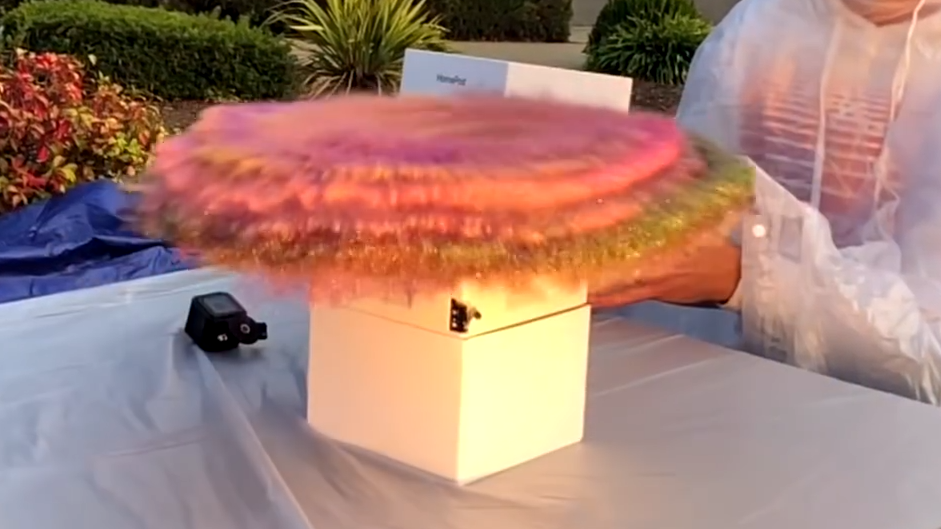
The most famous version of this story is linked to Mark Rober, a former NASA engineer and popular science creator known for transforming ordinary problems into wildly entertaining experiments. After experiencing package theft, Rober created a decoy parcel that looked tempting enough to steal but was designed to reveal the thief’s mistake in a messy, camera-friendly way.
The result became internet gold. Viewers watched package thieves grab what appeared to be a normal delivery, only to discover that the “prize” was not a luxury gadget but a carefully engineered lesson in consequences. The project mixed comedy, electronics, tracking, video capture, and harmless humiliation. It was less “crime-fighting vigilante” and more “science fair project with a mischievous grin.”
The idea worked because it hit three cultural nerves at once. First, nearly everyone who shops online understands the anxiety of seeing a package marked “delivered” before they get home. Second, people love justice stories where the villain steps on the rake. Third, Rober’s device had the polish of real engineering, which made the prank feel like a tiny consumer-security documentary wearing a party hat.
Why Package Theft Became Such a Big Problem
Package theft, often called porch piracy, grew alongside online shopping. The more boxes land on doorsteps, apartment lobbies, mailrooms, and front porches, the more opportunities thieves have. During holiday seasons, the problem becomes even more visible because deliveries pile up like cardboard snowdrifts.
Modern delivery systems are fast, convenient, and wonderfully dangerous for our impulse-control muscles. A person can order socks, snacks, a blender, and a suspiciously specific phone charger before breakfast. But the final step of delivery often remains low-tech: a box sitting outside. That small gap between “delivered” and “retrieved” is where porch pirates operate.
Package theft is not just annoying. It costs consumers time, money, and trust. A stolen package may contain medication, work equipment, school supplies, a birthday gift, or something boring but essential like replacement vacuum bags. Thieves do not know whether the box contains a new tablet or a 12-pack of beige drawer organizers. They grab first and disappoint themselves later.
Why the “Flawless Booby Trap” Went Viral
The trap captured attention because it turned frustration into theater. A regular security camera can show someone stealing a box. That is useful, but rarely satisfying. Rober’s decoy package added narrative structure: setup, theft, reveal, regret, and glittery chaos. It was a tiny morality play with better editing.
It Felt Like Smart Revenge
Many people who have had packages stolen feel powerless. Police reports may not always lead to recovery. Retailers and carriers may have different policies. Neighbors may sympathize, but sympathy does not replace the missing headphones. The viral trap offered viewers a fantasy of perfect accountability: the thief grabs the package, opens it, and immediately realizes they have robbed the wrong nerd.
It Made Engineering Look Fun
The project also made engineering feel accessible. It showed that science is not only rockets, bridges, and equations that look like alphabet soup. Engineering can also solve weird everyday problems, test a hypothesis, and make millions of people laugh. That is powerful storytelling.
It Had a Clear Villain
Porch pirates are easy to dislike. They steal from ordinary people and often do it quickly, casually, and without confrontation. A decoy package flips the emotional script. Instead of the homeowner being surprised, the thief is surprised. The internet, naturally, applauded.
The Legal Reality: Funny Does Not Always Mean Safe
Here is where the glitter settles and the grown-up conversation begins. Booby traps that can injure someone are legally dangerous in the United States. The law generally treats pre-set traps differently from direct self-defense because traps cannot judge context. They cannot tell the difference between a thief, a delivery worker, a child, a neighbor, or an emergency responder.
That is why homeowners should not copy viral revenge devices or create anything intended to hurt, restrain, shock, scare, or physically punish another person. Even if the target is committing theft, the person who sets the trap can face serious civil or criminal consequences if someone is injured. In simple terms: your porch is not a courtroom, and your toolbox is not a judge.
The smarter takeaway from the viral story is not “build a trap.” It is “think creatively about prevention, evidence, and deterrence.” A camera, a delivery locker, a signature requirement, or a secure pickup location may be less dramatic than a prank package, but they also come with fewer legal headaches. And legal headaches are the least fun kind of headaches because they arrive with paperwork.
Safe Ways to Protect Packages from Porch Pirates
Package theft prevention works best when it removes opportunity. Thieves prefer speed and low risk. If a package is hidden, held securely, recorded, or delivered when someone is home, the theft becomes less attractive.
Use Delivery Lockers and Pickup Points
Amazon Locker, UPS Access Point, FedEx Hold at Location, and similar services can keep packages away from exposed porches. These options are especially useful for expensive items, apartment residents, or anyone whose front door faces a busy sidewalk. A thief cannot steal what never sits unattended in the first place.
Request Signature Confirmation
For valuable items, signature delivery adds friction. It may be less convenient, but it prevents a high-value box from spending hours auditioning for the role of “free sidewalk treasure.”
Install Visible Cameras
Doorbell cameras and outdoor cameras can deter opportunistic thieves and provide evidence if a theft occurs. Cameras are not magic force fields, but they help document what happened. They can also help identify repeat patterns, suspicious vehicles, or timing issues.
Use Delivery Instructions
Many carriers allow customers to add delivery notes. Asking drivers to place packages behind a planter, inside a porch box, or away from street view can reduce temptation. Just do not write instructions so complicated that the driver needs a treasure map and emotional support.
Coordinate with Neighbors
A trusted neighbor can grab a package when you are away. Neighborhood groups can also warn residents about repeated thefts. Porch pirates thrive when everyone acts alone; communities make the job harder.
What to Do If a Package Is Stolen
If a delivery disappears, start with the basics. Check the delivery photo, nearby doors, mailroom, building office, side entrance, porch furniture, and any place a driver might have tucked the box. Sometimes “stolen” is actually “placed behind the hydrangea like a cardboard Easter egg.”
If it is truly gone, contact the retailer and carrier. Save tracking details, delivery confirmation, camera footage, order receipts, and any messages. File a police report when appropriate, especially for expensive items or repeated theft. For USPS mail theft, consumers can report the issue to the U.S. Postal Inspection Service.
It is also worth watching out for fake delivery texts and package scams. Scammers often send messages claiming there is a delivery problem and asking the recipient to click a link. Real package protection includes both porch security and digital caution. The thief at your door may wear sneakers; the thief in your phone may wear a fake tracking number.
The Psychology of Porch Pirates
Porch piracy is often a crime of opportunity. The thief sees a box, assumes it has value, and acts quickly. The decision may take seconds. That is why small barriers matter. A package box, camera, locker, or delivery delay can interrupt the impulse.
There is also a strange randomness to package theft. Thieves do not usually know what they are stealing. This explains why someone might risk arrest for a box containing dog shampoo, printer paper, or a replacement refrigerator water filter. The mystery is part of the temptation, which makes the crime both irritating and absurd.
Rober’s viral trap understood that psychology. It used the thief’s assumption against them. The package looked valuable enough to steal, but the value was imaginary. The real payload was embarrassment, evidence, and a public reminder that stealing random boxes is a gamble with very dumb odds.
Why the Best “Strike Back” Is Prevention
Revenge stories are satisfying, but prevention is better. The ideal outcome is not catching a thief after your package is gone; it is making sure the package never disappears. The best security plan combines common sense, carrier tools, neighborhood awareness, and documentation.
For high-value deliveries, send items to a secure pickup location. For regular deliveries, use tracking alerts and delivery instructions. For repeated theft, add cameras, talk to neighbors, and report incidents. For scams, avoid clicking suspicious links and go directly to the carrier’s official website or app.
In other words, the real-world version of a flawless booby trap is not a trap at all. It is a system that makes theft boring, risky, and inconvenient. Porch pirates want easy targets. Your job is to make your porch the least interesting stop on the block.
Experience Notes: What This Story Teaches Homeowners, Renters, and Online Shoppers
The biggest lesson from the “hacker strikes back” story is emotional: people are tired of feeling helpless. When a package is stolen, it feels personal even when the thief had no idea who you were. Someone crossed an invisible line between public space and private life. That is why the viral trap felt so satisfying. It restored balance, at least on screen.
In real life, though, the most useful experience is not revenge. It is preparation. People who deal with frequent deliveries quickly learn small habits that make a big difference. They track delivery windows more closely. They choose pickup lockers for expensive items. They avoid letting packages sit overnight. They ask neighbors for help during travel. They save order confirmations and delivery photos. None of this is glamorous, but neither is calling customer service three times to explain that your porch apparently ate a laptop.
Apartment residents often face a different version of the problem. A package room may be crowded, unsecured, or shared by dozens of people. In that setting, good labeling, quick pickup, and secure lockers matter even more. Renters can also ask property managers about camera coverage, package-room access, and delivery policies. A building does not need to become Fort Knox, but it should not function like a free sample table either.
Homeowners have more control over the delivery environment. A visible camera, motion light, lockable parcel box, or hidden delivery area can reduce risk. The key is to design for normal behavior. Delivery drivers are busy. If the safe drop-off spot is obvious, they are more likely to use it. If it requires opening three gates, reading a laminated poem, and moving a ceramic frog, the box will probably end up on the mat.
The story also teaches an important restraint lesson. A funny video can make a prank look simple, but real-world consequences are complicated. A trap that seems harmless could scare, injure, or wrongly target someone. A child, neighbor, courier, or emergency worker could encounter it. That is why safe security focuses on deterrence and evidence, not punishment.
Finally, the most practical experience is this: package security is a routine, not a single gadget. Use official carrier tools. Choose secure pickup for valuable deliveries. Keep communication with sellers clear. Report theft when it happens. Share patterns with neighbors. Stay alert for fake delivery messages. And save the glitter for crafts, greeting cards, or that one drawer where craft supplies go to retire forever.
Conclusion
The viral story of a hacker-style maker striking back against package thieves remains popular because it delivers something people crave: clever justice. But the deeper message is not about building a trap. It is about understanding a modern problem and using smart, lawful, practical tools to solve it.
Package thieves are annoying, but homeowners and renters have better options than risky retaliation. Secure pickup points, delivery lockers, tracking alerts, cameras, neighbor coordination, and fraud awareness can all reduce theft without creating legal trouble. The perfect package defense is not the flashiest one. It is the one that keeps your stuff safe, your porch calm, and your name far away from a courtroom filing.
Note: This article discusses the viral package-thief trap as a cultural and security story only. It does not provide instructions for building traps or devices intended to harm, scare, restrain, or punish people.












