
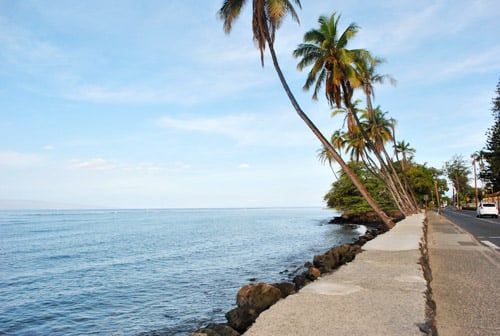
There is a special kind of travel photo that instantly turns normal people into detectives. A palm tree leans into the frame. A pastry sits on a tiny café table. Someone’s sneaker is strategically placed next to a mosaic floor. The caption says, “Guess where we are?!” and suddenly everyone in the comments becomes a geography professor with Wi-Fi.
That playful question has become more than a social media caption. It is a travel style, a party game, a family tradition, and a clever way to make any trip feel more exciting. In an age when maps, reviews, flight trackers, hotel apps, street-view tools, and travel videos can tell us almost everything before we arrive, mystery has become the new luxury. We do not always want a trip spoiled by 400 identical photos of the same brunch plate. Sometimes, we want clues. We want surprise. We want the thrill of arriving somewhere and letting the place introduce itself.
“Guess Where We Are?!” works because it taps into three things people love: travel, curiosity, and the tiny joy of being right. Whether you are planning a surprise vacation, posting a destination reveal, designing a geography game for friends, or simply trying to make your next weekend getaway more memorable, this idea turns location into a story.
Why “Guess Where We Are?!” Is Such a Fun Travel Hook
The phrase sounds casual, but it has serious storytelling power. Instead of saying, “We are in Charleston,” you invite people to notice the pastel homes, wrought-iron balconies, cobblestone lanes, and nearby marsh views. Instead of announcing, “We are at the Grand Canyon,” you show a red-rock horizon, a hiking boot, and a suspiciously majestic raven acting like it owns the parking lot.
That is the magic: the audience participates. They compare clues, bring in memory, search their mental maps, and make guesses based on architecture, food, weather, language, landscape, or even the style of a street sign. A simple caption becomes a mini adventure.
It also matches the way people travel now. Modern travelers are increasingly drawn to personalized trips, outdoor escapes, meaningful local experiences, road trips, hidden gems, pop-culture-inspired destinations, and short getaways that fit around busy schedules. A mystery-location format can wrap all of those trends into one fun package. It can work for a national park weekend, a small-town food trip, a surprise anniversary getaway, a school geography activity, or a family vacation reveal.
The Rise of Mystery Travel and Surprise Destinations
Surprise travel has grown because many people are tired of overplanning. There are only so many browser tabs a human can keep open before the vacation starts to feel like a spreadsheet with sunscreen. Mystery-trip companies and personalized getaway planners have leaned into this by asking travelers for budgets, dates, preferences, and deal-breakers, then revealing the destination close to departure.
The appeal is obvious. You still get a tailored experience, but you do not have to make every decision yourself. For travelers who spend their daily lives choosing between emails, errands, meals, and 17 streaming services, handing over the decision-making can feel deliciously freeing. The destination reveal becomes part of the entertainment.
Even when people plan their own trips, they often borrow the surprise-travel spirit. Parents reveal a theme park vacation with a puzzle. Couples plan “blind date” weekends in nearby cities. Friends create envelope challenges where each envelope gives the next clue: “Find the train station,” “Order the local dessert,” “Take a photo with something older than your grandparents.” The journey becomes a game, not just transportation.
How to Turn Any Destination Into a Guessing Game
You do not need a private jet, a documentary crew, or a suitcase full of matching linen outfits to create a great “Guess Where We Are?!” experience. You need good clues, smart pacing, and a little restraint. The goal is to reveal enough to make guessing possible, but not so much that the answer is screaming from the first photo like a neon airport sign.
Start With Visual Clues
Visual clues are the easiest way to invite guesses. Think landmarks, landscapes, local materials, weather, transportation, signs, plants, and food. A cactus-lined trail suggests the Southwest. A foggy bridge may point toward San Francisco. Spanish moss hanging from oak trees hints at the American South. A lobster roll and rocky shoreline may have people shouting “Maine!” before you have even taken a second bite.
But the best clues are specific without being too obvious. Instead of posting the Statue of Liberty right away, try a ferry railing, a skyline reflection, or a street vendor pretzel. Instead of showing Mount Rushmore immediately, show winding Black Hills roads, granite textures, or a souvenir mug that says everything except the state name.
Use Food as a Delicious Hint
Food is one of the strongest location signals. Beignets dusted with powdered sugar point toward New Orleans. Deep-dish pizza whispers Chicago, although “whispers” may not be the right word for a pizza that requires structural engineering. Green chile cheeseburgers suggest New Mexico. Key lime pie brings Florida to mind. Maple creemees, crab cakes, shrimp and grits, fish tacos, cheesesteaks, sourdough bread, and barbecue styles can all become edible clues.
Food clues are especially effective because they are fun even when people guess wrong. Someone might see a bowl of clam chowder and argue Boston, Cape Cod, Seattle, or San Francisco. Suddenly the comments section becomes a friendly culinary courtroom.
Add Sound, Weather, and Local Details
Short videos can deepen the game. Ocean waves, street musicians, train announcements, church bells, cicadas, market chatter, or crunching snow can all help people imagine the location. Weather also matters. A dry desert sunset, misty mountain morning, tropical rainstorm, or crisp autumn street lined with pumpkins can narrow the possibilities.
Local details make the challenge richer. Architecture, license plate colors, public transit design, trail signs, murals, regional slang, historic markers, and even the shape of a coffee cup can provide clues. The trick is to avoid sharing private or sensitive location details in real time, especially if you are posting publicly. It is usually smarter to delay posts until after you leave a place, or keep the game within a trusted group.
Best “Guess Where We Are?!” Trip Ideas in the United States
The United States is built for location guessing because its regions look and feel so distinct. You can go from red-rock canyons to mossy forests, colonial streets, neon deserts, snowy peaks, tropical beaches, and prairie highways without leaving the country. That variety makes domestic travel perfect for mystery captions and clue-based adventures.
National Parks and Outdoor Escapes
National parks are ideal because they come with dramatic landscapes and built-in clues. Yellowstone has boardwalks, geysers, bison, and steaming earth that looks like the planet is making soup. Grand Canyon has layered cliffs and desert light. Great Smoky Mountains National Park offers misty ridges, lush forests, waterfalls, and Appalachian culture. Acadia brings rocky coastline, carriage roads, spruce forests, and sunrise views that make alarm clocks almost forgivable.
Outdoor destinations also encourage better travel habits. Visitors need maps, weather awareness, water, proper shoes, and flexible plans. A good “Guess Where We Are?!” national park post can be playful while still respecting the place: stay on trails, keep distance from wildlife, protect fragile areas, and avoid turning a beautiful overlook into a personal photo studio for 45 minutes while hikers silently judge you.
Classic American Road Trips
Road trips are basically rolling guessing games. Every gas station snack, roadside attraction, motel sign, and landscape shift becomes a clue. Route 66 is a classic example because it crosses multiple states and serves up neon signs, vintage diners, desert highways, murals, and quirky Americana. The Pacific Coast Highway offers cliffs, beaches, sea mist, and dramatic bridges. The Blue Ridge Parkway gives travelers mountain curves, overlooks, and endless shades of green.
For families or friend groups, road trips can include clue envelopes at each stop. One clue might lead to a historic downtown. Another might reveal a local bakery. A third might challenge everyone to identify the state by its welcome sign, regional snack, or license plate design. The destination matters, but the guessing keeps the drive lively.
Cities With Strong Visual Personalities
Some cities are fantastic for guessing because they have instantly recognizable atmospheres. New Orleans has balconies, jazz, beignets, streetcars, and French Quarter details. Santa Fe has adobe architecture, turquoise accents, desert light, and art-filled streets. Seattle has ferries, coffee culture, mountain views, and moody skies that seem professionally arranged for mystery posts. Miami brings Art Deco color, palm trees, beaches, Cuban coffee, and nightlife energy.
For a more challenging version, skip the famous landmark and post neighborhood-level clues. Instead of the Space Needle, show Pike Place Market flowers. Instead of Bourbon Street, show ironwork and a plate of gumbo. Instead of South Beach, show pastel hotel details or a cortadito on a café counter. The guesses become more interesting when the clues reward observation.
How to Plan a Surprise Reveal Without Causing Chaos
Surprise trips are fun, but they need boundaries. The person being surprised should not discover at the airport that they needed hiking boots, a passport, formal clothes, allergy medication, or the emotional strength to sleep in a tent. Mystery should create excitement, not logistical panic.
Start with the basics. Confirm everyone’s budget, schedule, comfort level, health needs, food preferences, and transportation limits. If someone hates long drives, do not plan a 12-hour scenic route and call it charming. If someone gets cold easily, do not reveal a snow cabin with the enthusiasm of a game show host. The surprise should fit the traveler, not just the planner’s Pinterest board.
A practical strategy is to reveal categories first: “Pack for warm weather,” “Bring comfortable walking shoes,” “Expect casual restaurants,” or “You will need a swimsuit.” Then save the actual destination for later. This keeps the mystery alive while preventing packing disasters.
Using “Guess Where We Are?!” for Social Media
As a social media format, “Guess Where We Are?!” is simple, interactive, and highly shareable. It invites comments without sounding desperate. Instead of saying, “Please engage with my post so the algorithm notices me,” you give people a game they actually want to play.
A strong post usually follows a sequence. First, share a subtle clue: a texture, snack, view, or sign fragment. Second, add a slightly clearer clue: a local dish, transit clue, landscape, or architectural feature. Third, reveal the answer with a satisfying photo and a short story about why the place surprised you.
For example, a three-post mystery trip to Savannah might begin with a close-up of Spanish moss and brick sidewalks. The second clue might show pralines or a historic square. The reveal could feature a fountain, a riverfront view, or a caption about walking under oak trees at sunset. The audience gets to travel with you emotionally before the destination is named.
Turning the Game Into a Learning Experience
Beyond travel fun, “Guess Where We Are?!” can teach geography, history, culture, and observation. Teachers can use mystery photos to help students identify climates, landforms, architecture, or regional foods. Families can play during road trips by guessing states from road signs, terrain, crops, or local radio stations. Friends can create trivia nights around famous places, hidden landmarks, or “name that city” photo rounds.
The best learning happens when each clue has a reason. A red-rock arch can introduce erosion. A coastal lighthouse can lead to maritime history. A city skyline can spark a conversation about urban planning. A farmers market can reveal what grows in a region and why. Suddenly, geography is not just memorizing capitals. It is noticing how places work.
What Makes a Place Guessable?
A guessable place has a signature. That signature might be visual, cultural, historical, natural, or sensory. Las Vegas has neon, desert, resorts, and spectacle. Vermont has covered bridges, maple treats, fall color, and small-town charm. Hawaii has volcanic landscapes, beaches, flowers, and local food traditions. Alaska has glaciers, mountains, wildlife, and wide-open scale. New York City has density, yellow taxis, brownstones, subways, and a skyline that has probably appeared in more movies than some actors.
But a place does not have to be famous to be guessable. A small town can have a signature too: a giant roadside peach, a local pie festival, a historic courthouse square, a beloved diner, or a riverwalk where everyone seems to know everyone’s dog. In fact, lesser-known places often make the best guessing games because they encourage curiosity instead of instant recognition.
Common Mistakes to Avoid
The first mistake is making the clue too easy. If your first image is the Eiffel Tower, the game is over before anyone has warmed up their detective hat. The second mistake is making it impossible. A beige hotel wall could be anywhere from Phoenix to your cousin’s apartment. Good clues sit in the middle: specific, fair, and fun.
The third mistake is posting too much in real time. Sharing your exact location while you are still there can create privacy and safety concerns. A better approach is to post after leaving a specific spot, avoid showing room numbers or private addresses, and keep personal details limited.
The fourth mistake is forgetting the story. A destination reveal should not be just “Correct, we’re in Portland.” Add a reason people should care. What surprised you? What did you eat? What did the air smell like? What tiny moment made the trip memorable? The story turns a correct answer into a satisfying ending.
Experience Section: What “Guess Where We Are?!” Feels Like in Real Life
The best part of a “Guess Where We Are?!” adventure is the feeling that the trip begins before the destination is named. Imagine packing a small bag with only a few hints: comfortable shoes, a light jacket, sunglasses, and “room for snacks.” That last instruction is not helpful, but it is emotionally reassuring. You get in the car, the playlist starts, and nobody says the final destination. Every turn becomes suspicious. Every highway sign feels like evidence. Someone spots mountains in the distance and announces, with great confidence and almost no proof, “We are definitely going to a cabin.” Ten minutes later, the road bends toward the coast and that theory collapses like a cheap beach umbrella.
On one mystery-style weekend, the first clue might be breakfast from a bakery known for cinnamon rolls the size of small pillows. The second clue could be a scenic overlook where the air smells like pine and rain. The third clue might be a historic downtown with brick storefronts, antique signs, and a bookstore that appears to have been designed specifically to trap travelers for “just five minutes.” By the time the reveal happens, the group is not just arriving somewhere. They have been collecting the place piece by piece.
That is why this theme works so well for families. Kids who might normally ask, “Are we there yet?” every seven minutes become clue hunters. They notice license plates, rivers, farm stands, murals, bridges, and restaurant names. They argue about whether palm trees mean Florida or California. They learn that mountains can look different depending on region, that barbecue styles change across states, and that a local grocery store can be as interesting as a museum if you are paying attention.
For couples, the experience can feel romantic without needing anything overly dramatic. A surprise picnic in a nearby state park, a train ride to a walkable city, or a weekend in a cozy inn can become memorable because one person planned with care and the other got to experience the reveal. The secret is not extravagance. It is thoughtfulness. A great mystery trip says, “I know what you enjoy, and I wanted to turn it into a story.”
For friends, it becomes comedy. Someone will guess wildly. Someone will overanalyze every clue. Someone will insist the destination is Denver because they saw one person wearing a fleece vest. Someone else will say, “I knew it!” after being wrong six times. The shared guessing becomes part of the memory. Months later, people may forget the name of the restaurant, but they will remember the dramatic debate over whether a certain bridge looked “too Midwestern.”
Solo travelers can enjoy the idea too. You can create your own “Guess Where I Am?” travel journal by photographing details before naming the place: morning light on a window, the first local meal, a street mural, a trail marker, a bookstore shelf, a ferry wake, a desert plant. This style makes you slow down. Instead of rushing to prove you visited the famous spot, you start noticing smaller details that explain the destination more honestly.
In the end, “Guess Where We Are?!” is not really about hiding the answer. It is about making the answer worth discovering. The question invites people to look closer, listen better, taste with curiosity, and treat every destination as more than a dot on a map. Travel becomes a conversation between place and person. And when the reveal finally comes, it feels earned.
Conclusion
“Guess Where We Are?!” is more than a caption. It is a playful way to travel, share, teach, and remember. It turns a location into a puzzle and a trip into a story. Whether you are planning a surprise getaway, creating a social media series, teaching geography, or making a simple weekend feel more special, the format works because it rewards curiosity. The best clues are not always the biggest landmarks. Sometimes they are found in a pastry, a trail sign, a skyline reflection, a local phrase, or the way the sunset hits a street you have never walked before.
So next time you travel, resist the instant reveal. Take the scenic clue. Photograph the little details. Let your friends guess. Let your family argue lovingly over the evidence. Let the destination unfold slowly. The world is a lot more fun when it still has a few mysteries left.
Note: This article is written for web publication and synthesizes real travel-planning, mapping, tourism, geography, and destination-discovery insights from reputable U.S.-based resources. Direct source links are intentionally omitted for a clean publishing format.











