
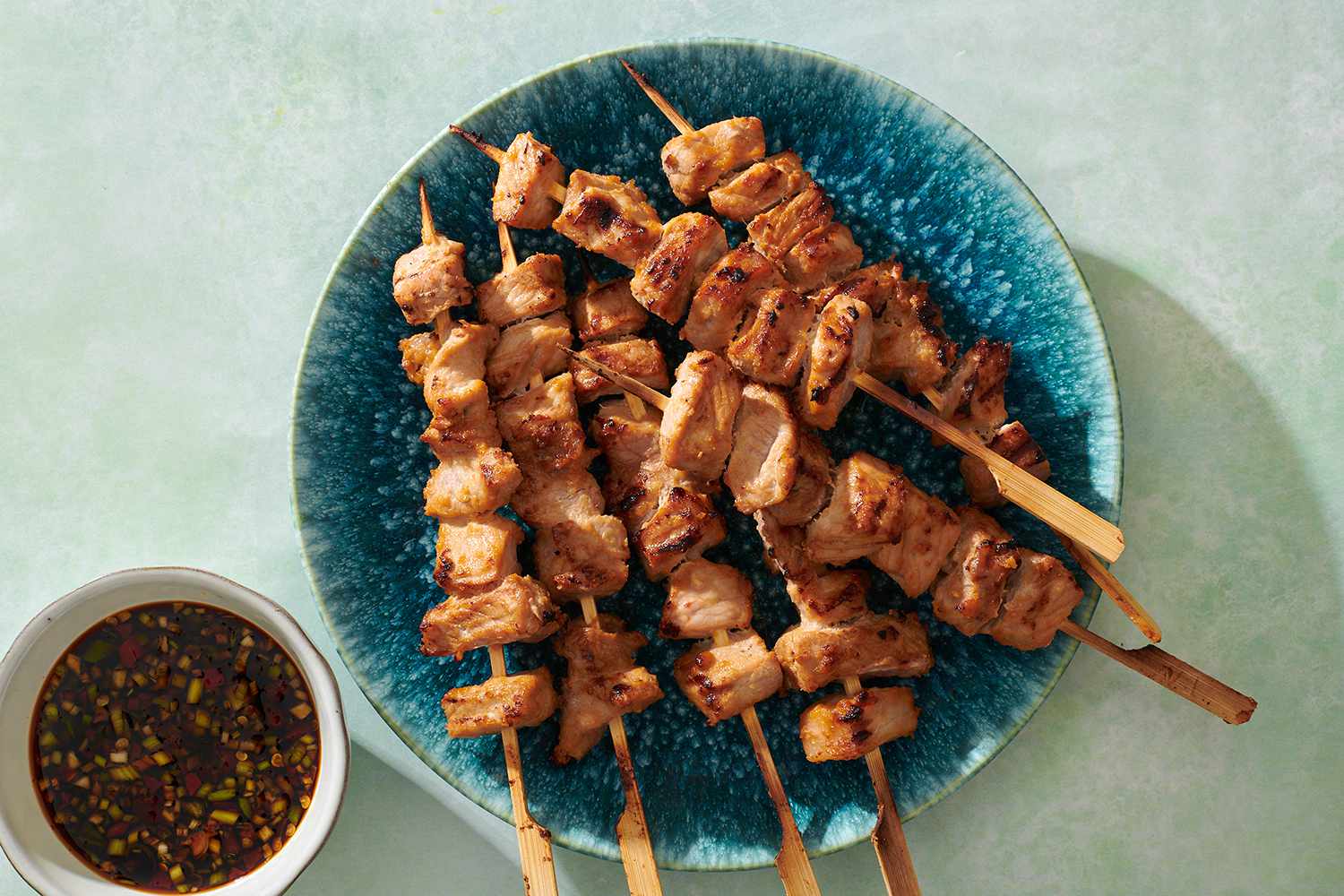
Grilled pork satay is proof that dinner does not need a tuxedo to feel special. Give pork a lively marinade, slide it onto skewers, let the grill do its smoky magic, and suddenly you have food that disappears faster than you can say, “Who took the last stick?” This grilled pork satay recipe with sweet dipping sauce is tender, savory, lightly charred, and served with a glossy sauce that balances sweetness, saltiness, tang, and just enough heat to make your taste buds sit up politely.
Satay has deep roots in Southeast Asian cooking, with delicious variations across Indonesia, Thailand, Malaysia, and beyond. Some versions lean peanut-rich, some spotlight coconut milk, turmeric, lemongrass, fish sauce, soy sauce, or sweet soy glaze. This recipe is designed for the American home cook: easy-to-find ingredients, a reliable grilling method, and a sweet dipping sauce that tastes restaurant-worthy without requiring a suitcase full of specialty groceries.
The result is a flexible dish that works as a party appetizer, weeknight dinner, backyard cookout star, or meal-prep protein. Serve it with jasmine rice, cucumber salad, grilled vegetables, or lettuce cups. Or stand near the grill and eat one skewer “for testing purposes.” We support scientific curiosity.
What Is Pork Satay?
Pork satay is made by marinating thin pieces of pork, threading them onto skewers, and grilling them over high heat until browned, smoky, and juicy. The magic is in the contrast: tender meat, caramelized edges, fragrant spices, and a dipping sauce that brings everything together.
Traditional satay recipes vary by region and family. Common ingredients include garlic, ginger, turmeric, coriander, cumin, coconut milk, lemongrass, fish sauce, soy sauce, palm sugar, brown sugar, lime, tamarind, and peanuts. Some sauces are thick and nutty, while others are lighter, sweet-salty, and chile-kissed. This version uses a marinade with coconut milk, garlic, ginger, soy sauce, lime juice, brown sugar, curry powder, and turmeric. The sweet dipping sauce combines soy sauce, brown sugar, lime, rice vinegar, fish sauce, garlic, green onion, chile, and a little peanut butter for body.
Why This Grilled Pork Satay Recipe Works
This recipe is built around three practical ideas: slice the pork thinly, marinate it long enough to season the meat, and grill it quickly over medium-high heat. Thin pork cooks fast, which means the outside can char before the inside dries out. Coconut milk adds richness, soy sauce and fish sauce bring savory depth, lime keeps things bright, and brown sugar helps the skewers caramelize beautifully.
The sweet dipping sauce is intentionally simple. It is not a heavy peanut sauce that steals the show. Instead, it is a balanced sauce that clings lightly to the pork, adds shine, and gives each bite a sweet, tangy finish. Think of it as the charming friend who makes everyone at the table more interesting.
Best Cut of Pork for Satay
The best cuts for pork satay are pork tenderloin, pork loin, or well-trimmed pork shoulder. Pork tenderloin is lean, tender, and quick-cooking, making it the easiest option. Pork loin also works well if sliced thinly across the grain. Pork shoulder has more fat and flavor, but it should be cut into small, thin strips so it grills quickly without becoming chewy.
For the most reliable results, use pork tenderloin. It stays tender, absorbs marinade nicely, and cooks in minutes. If you prefer richer flavor and do not mind a little extra trimming, pork shoulder is excellent for a more street-food-style satay.
Ingredients
For the Pork Satay
- 1 1/2 pounds pork tenderloin or pork loin, trimmed
- 1/2 cup full-fat coconut milk
- 2 tablespoons soy sauce
- 1 tablespoon fish sauce
- 1 tablespoon fresh lime juice
- 1 tablespoon brown sugar
- 2 teaspoons curry powder
- 1 teaspoon ground turmeric
- 1 teaspoon ground coriander
- 2 garlic cloves, finely minced
- 1 tablespoon grated fresh ginger
- 1 tablespoon neutral oil
- 1/2 teaspoon kosher salt
- 1/4 teaspoon black pepper
- Wooden or metal skewers
For the Sweet Dipping Sauce
- 1/4 cup soy sauce
- 3 tablespoons water
- 2 tablespoons brown sugar or honey
- 1 tablespoon rice vinegar
- 1 tablespoon fresh lime juice
- 1 teaspoon fish sauce
- 1 small garlic clove, grated or minced
- 1 teaspoon chili garlic sauce or finely minced fresh chile, optional
- 2 tablespoons creamy peanut butter
- 2 tablespoons sliced green onions
- 1 teaspoon toasted sesame oil, optional
Optional Garnishes
- Chopped roasted peanuts
- Fresh cilantro
- Lime wedges
- Sliced cucumber
- Thinly sliced red chile
How to Make Grilled Pork Satay
Step 1: Slice the Pork
Pat the pork dry with paper towels. Slice it into thin strips about 1/4 inch thick and 3 to 4 inches long. Cutting the pork thinly helps it cook quickly and evenly. If the pork feels slippery, place it in the freezer for 15 to 20 minutes before slicing. Slightly firm meat is much easier to cut, and it will not wiggle around like it has somewhere else to be.
Step 2: Make the Marinade
In a large bowl, whisk together coconut milk, soy sauce, fish sauce, lime juice, brown sugar, curry powder, turmeric, coriander, garlic, ginger, oil, salt, and black pepper. The marinade should smell fragrant, creamy, salty, and slightly sweet. If you taste a tiny drop, it should be bold. Marinades need personality because they are seasoning the meat, not politely waving from across the room.
Step 3: Marinate the Pork
Add the pork strips to the bowl and toss until every piece is coated. Cover and refrigerate for at least 1 hour, or up to 8 hours. If you are using pork tenderloin, 2 to 4 hours is plenty. For pork shoulder, a longer marinade helps the flavor settle in. Avoid marinating overnight with too much lime juice, because acidic ingredients can change the texture of the meat.
Step 4: Make the Sweet Dipping Sauce
In a small saucepan, combine soy sauce, water, brown sugar, rice vinegar, lime juice, fish sauce, garlic, chile sauce, peanut butter, and sesame oil if using. Warm over low heat, whisking until smooth. Simmer for 1 to 2 minutes, just until glossy and slightly thickened. Remove from heat and stir in the green onions. Taste and adjust: more lime for brightness, more brown sugar for sweetness, more chile for attitude.
Step 5: Thread the Skewers
If using wooden skewers, soak them in water for at least 30 minutes before grilling. Thread the pork strips onto the skewers, folding longer pieces back and forth like a ribbon. Do not pack the meat too tightly. A little space helps the heat reach the edges, which means better browning and more of those delicious charred bits.
Step 6: Grill the Pork Satay
Preheat the grill to medium-high heat, about 400°F to 450°F. Clean and oil the grates. Grill the skewers for 2 to 4 minutes per side, turning once or twice, until the pork is lightly charred and cooked through. The safe internal temperature for whole cuts of pork is 145°F followed by a 3-minute rest. Because satay strips are thin, they cook quickly, so stay close. This is not the moment to wander off and reorganize your spice cabinet.
Step 7: Rest and Serve
Transfer the grilled pork satay to a platter and let it rest briefly. Sprinkle with chopped peanuts, cilantro, and sliced green onions. Serve warm with the sweet dipping sauce and lime wedges. For a full meal, add steamed jasmine rice, coconut rice, cucumber salad, grilled corn, or a crunchy cabbage slaw.
Tips for Juicy, Flavorful Pork Satay
Cut Against the Grain
Look for the direction of the muscle fibers and slice across them. Cutting against the grain shortens those fibers, making each bite more tender. This small step makes a big difference, especially with pork loin or shoulder.
Use Enough Sugar, But Do Not Overdo It
Brown sugar helps the pork caramelize, but too much sugar can burn before the meat cooks. This recipe uses just enough sweetness to encourage browning without turning your skewers into pork candy. Delicious? Maybe. Practical? Not really.
Oil the Grill Grates
Satay loves a hot grill, but lean pork can stick. Clean the grates well and brush them with oil before adding the skewers. Once the pork hits the grill, give it a minute before moving it. If it sticks, it probably needs more time to release naturally.
Do Not Skip the Sauce
The sweet dipping sauce is not just a sidekick. It completes the dish. The pork brings smoke and spice; the sauce adds sweetness, tang, salt, and a little richness. Together, they are the culinary equivalent of a great road-trip playlist.
Sweet Dipping Sauce Variations
This sauce is easy to customize. For a more Thai-inspired flavor, add a teaspoon of red curry paste and a splash of coconut milk. For an Indonesian-style twist, use kecap manis, a thick sweet soy sauce, in place of some of the soy sauce and brown sugar. For extra tang, add a teaspoon of tamarind concentrate. For a nut-free version, skip the peanut butter and thicken the sauce with a small spoonful of hoisin sauce or simply simmer it a little longer.
If you love heat, add sriracha, sambal oelek, crushed red pepper, or minced Thai chile. If you prefer a mild sauce, leave the chile out completely. The goal is balance, not bravery. Dinner should be exciting, not a dare.
What to Serve With Grilled Pork Satay
Grilled pork satay is flexible enough to fit many menus. For a simple dinner, serve it with jasmine rice and sliced cucumbers. For a cookout, pair it with grilled pineapple, corn on the cob, and a crisp Asian-style slaw. For an appetizer spread, serve smaller skewers with lettuce leaves, herbs, lime wedges, and extra sauce for dipping.
Fresh sides work especially well because satay is rich and savory. Cucumber salad with rice vinegar, lime, and a pinch of sugar is a perfect match. Pickled carrots and daikon add crunch and acidity. A simple herb salad with cilantro, mint, and basil gives the dish a bright finish.
Make-Ahead and Storage Tips
You can slice and marinate the pork up to 8 hours ahead. The dipping sauce can be made 3 days in advance and stored in an airtight container in the refrigerator. Warm it gently before serving and whisk in a little water if it thickens too much.
Cooked pork satay keeps well in the refrigerator for up to 3 days. Remove the meat from the skewers before storing if space is tight. Reheat gently in a skillet over medium-low heat or in a 300°F oven until warmed through. Avoid microwaving too long, because lean pork can dry out quickly.
Common Mistakes to Avoid
Using Thick Pork Cubes
Thick cubes can work, but thin strips give you more surface area for marinade and faster cooking. More surface area means more flavor and better char. That is math we can all get behind.
Grilling Over Low Heat
Low heat can make the pork dry before it browns. Medium-high heat creates quick caramelization and keeps the inside juicy. Watch closely and turn the skewers as needed.
Forgetting to Rest the Pork
Even small skewers benefit from a short rest. Resting helps the juices settle, making the pork more tender and flavorful. Three minutes is enough time to gather plates, pour drinks, or defend the dipping sauce from early dippers.
Experience Notes: What Makes This Pork Satay Special
The best thing about grilled pork satay is that it feels festive without being fussy. In my experience, it is one of those recipes that turns a normal evening into a “why do we not do this more often?” kind of meal. The smell alone is enough to pull people toward the grill. Coconut milk, garlic, ginger, curry powder, and browning pork create the kind of aroma that makes neighbors suddenly remember they wanted to say hello.
One practical lesson: thin slices are everything. The first time many home cooks try satay, they cut the pork too thick, expecting kabob-style chunks. The flavor is still good, but the texture is not quite the same. Thin strips cook fast, pick up more marinade, and get those crisp, smoky edges that make satay addictive. If you want the skewers to look beautiful, fold each strip gently onto the skewer instead of stabbing it straight through like a tiny pork flag.
Another experience worth sharing is that the sauce should be adjusted by taste, not by ego. Some limes are sharper than others. Some soy sauces are saltier. Some brands of peanut butter are sweeter. After the sauce warms, taste it. If it seems flat, add lime. If it seems too sharp, add brown sugar. If it feels too salty, add water. If it tastes like it needs a vacation, add a little coconut milk. A good dipping sauce should make you want another bite immediately.
This grilled pork satay recipe is also a great party dish because it is easy to scale. You can marinate the pork in the morning, thread the skewers before guests arrive, and grill them in batches. Smaller skewers make excellent appetizers, while larger ones can anchor a full dinner. If you are serving a crowd, keep cooked skewers warm on a platter covered loosely with foil. Place the sauce in a wide bowl so guests can dip without creating a traffic jam at the snack table.
For family dinners, pork satay has another advantage: it is interactive. Kids can help stir the marinade, adults can manage the grill, and everyone gets to dip. Food on sticks has a universal charm. It is casual, fun, and just messy enough to feel relaxed. Serve it with rice and cucumbers for a balanced plate, or tuck the pork into lettuce leaves with herbs and crushed peanuts for a lighter meal.
The leftovers are surprisingly useful. Chopped grilled pork satay is excellent in rice bowls with shredded carrots, cucumbers, herbs, and extra sauce. It also works in wraps, noodle salads, or quick fried rice. If you have leftover sauce, drizzle it over roasted vegetables or use it as a dip for spring rolls. In other words, do not throw it away unless you enjoy making future-you sad.
Most importantly, satay rewards confidence. You do not need a perfect grill setup or restaurant equipment. You need flavorful marinade, properly sliced pork, a hot cooking surface, and a sauce you enjoy. Once you master the basic method, you can make it sweeter, spicier, nuttier, tangier, or smokier. That flexibility is what makes homemade pork satay so satisfying. It is simple enough for a Tuesday and exciting enough for Saturday night.
Conclusion
This grilled pork satay recipe with sweet dipping sauce brings together everything that makes skewered food irresistible: juicy pork, fragrant marinade, smoky grill marks, and a sauce that hits sweet, salty, tangy, and savory notes in one glossy spoonful. With thinly sliced pork, a balanced coconut-lime marinade, and a quick grilling method, you can make satay that tastes bright, bold, and deeply satisfying without overcomplicating dinner.
Serve it as an appetizer, party platter, or complete meal with rice and fresh vegetables. Keep the sauce close, make extra skewers, and do not be surprised when someone asks for the recipe before the platter is empty.












