
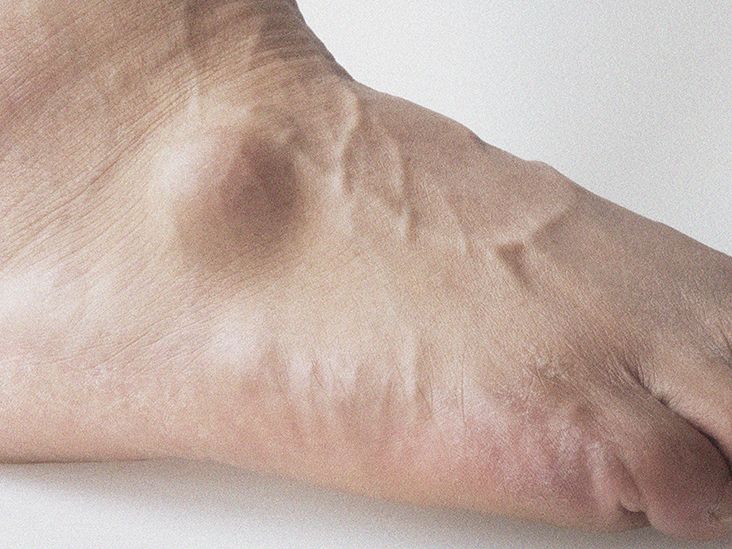
A ganglion cyst on the foot can look dramatic for something that is usually harmless. One day your foot is minding its own business, and the next day there is a smooth little bump near your ankle, on top of your foot, or beside a tendon acting like it has signed a lease. The good news: most foot ganglion cysts are benign, noncancerous, and often manageable. The slightly annoying news: they can be uncomfortable, rub against shoes, come and go, or return after treatment like a sequel nobody requested.
This guide explains what a ganglion cyst on the foot looks like, what causes it, common symptoms, when to see a doctor, and the treatment options that may help. You will also find a practical “picture guide” section describing what these cysts typically look like, since many readers search for ganglion cyst pictures to compare what they see on their own foot.
What Is a Ganglion Cyst on the Foot?
A ganglion cyst is a fluid-filled lump that usually forms near a joint, ligament, or tendon sheath. The fluid inside is often thick and jelly-like, similar to the lubricating fluid found around joints and tendons. On the foot, ganglion cysts commonly appear on the top of the foot, around the ankle, or near tendons where there is repeated motion, pressure, or irritation.
Although ganglion cysts are more famous for appearing on the wrist, they can absolutely show up on the foot. They may be small like a pea, larger like a grape, soft, firm, round, oval, or slightly irregular. Some are painless. Others feel tender when shoes press on them, especially if the cyst sits right under a strap, lace, seam, or stiff shoe upper.
Ganglion Cyst on Foot Pictures: What Does It Look Like?
When people search for “ganglion cyst on foot pictures,” they are usually trying to answer one urgent question: “Is this weird bump something I should worry about?” A picture can help, but it cannot diagnose the lump with certainty. Many foot bumps can look similar, including bone spurs, bursitis, lipomas, warts, calluses, enlarged veins, cysts, or, rarely, tumors. Still, a typical ganglion cyst has a few visual clues.
Picture 1: Smooth Round Lump on Top of the Foot
The most common “classic” image is a smooth, raised lump on the top of the foot. It may look like a small dome under the skin. The skin over it usually looks normal, not red or scaly. The bump may become more obvious when the foot is flexed or when a shoe presses over the area.
Picture 2: Small Bump Near the Ankle
Some foot ganglion cysts appear around the ankle joint. These may be round or slightly oval and can feel firm when touched. If the cyst is close to a nerve, it may cause tingling, burning, or a “pins and needles” sensation that travels into nearby parts of the foot.
Picture 3: Lump That Changes Size
A ganglion cyst may shrink, swell, disappear, and return. This can make it feel mysterious, like the foot is running a tiny magic show. Size changes happen because fluid can move in and out of the cyst or because irritation around the joint increases fluid pressure.
Picture 4: Shoe-Rubbing Cyst
Another common picture is a bump that becomes red or sore only after wearing shoes. The cyst itself may not be inflamed, but the skin above it can become irritated from friction. This is especially common with dress shoes, tight sneakers, hiking boots, cleats, and sandals with straps crossing directly over the cyst.
What Causes a Ganglion Cyst on the Foot?
The exact cause of ganglion cysts is not always clear. In many cases, they seem to develop when tissue around a joint or tendon weakens or bulges outward, allowing fluid to collect in a small sac. Think of it like a tiny fluid balloon attached to a joint or tendon sheath. It is not glamorous, but neither are most foot problems.
Several factors may increase the chance of developing a ganglion cyst on the foot:
- Repeated stress or pressure: Running, jumping, standing for long periods, or wearing tight shoes may irritate joints and tendons.
- Previous injury: A sprain, strain, or trauma near a joint may contribute to cyst formation.
- Joint or tendon irritation: Cysts often develop near structures that move frequently.
- Foot structure and footwear: High arches, bony prominences, tight shoes, and pressure points can make a cyst more noticeable.
- Underlying joint changes: In some cases, arthritis or a bone spur may be associated with a cyst-like swelling.
Ganglion cysts are not caused by poor hygiene, and they are not contagious. You cannot “catch” one from a locker room floor, a public pool, or your cousin who refuses to wear socks.
Common Symptoms of a Ganglion Cyst on the Foot
Some ganglion cysts cause no symptoms at all. You may simply notice a lump and then spend the next two hours Googling it with increasing levels of concern. Other cysts can cause discomfort depending on their size, location, and relationship to nearby nerves, tendons, or shoes.
Visible or Palpable Lump
The most obvious symptom is a bump under the skin. It may feel soft, rubbery, firm, or slightly movable. Some cysts feel fixed in place because they are connected to deeper tissue.
Pain or Tenderness
Pain is more likely when the cyst is pressed by footwear or located near a joint that moves often. The discomfort may feel dull, achy, sharp, or pressure-like.
Tingling, Burning, or Numbness
If the cyst presses on a nearby nerve, it may cause nerve-like symptoms. This can include tingling, burning, numbness, or shooting discomfort into the toes or foot.
Difficulty Wearing Shoes
A ganglion cyst on the top of the foot can turn your favorite shoes into tiny medieval torture devices. Tight shoes may press directly on the lump, causing soreness or skin irritation.
Reduced Movement
If the cyst is near a joint or tendon, it may make movement uncomfortable. You may notice discomfort while walking, climbing stairs, exercising, or pointing and flexing the foot.
How Doctors Diagnose a Ganglion Cyst on the Foot
A healthcare provider, podiatrist, orthopedic specialist, or foot and ankle surgeon can often suspect a ganglion cyst based on the appearance, location, and feel of the lump. They may ask when you first noticed it, whether it changes size, what makes it hurt, and whether you have had a foot or ankle injury.
During the exam, the clinician may press gently on the lump, check your range of motion, evaluate nerve symptoms, and inspect your footwear pressure points. In some cases, they may shine a light through the cyst, a process called transillumination. Fluid-filled cysts may allow light to pass through more easily than solid masses.
Imaging Tests
If the diagnosis is uncertain, imaging may help. An ultrasound can show whether the lump is fluid-filled or solid. MRI may be used when the cyst is deep, painful, near important structures, or when another condition needs to be ruled out. X-rays do not show the cyst itself very well, but they can reveal bone spurs, arthritis, or other bone-related causes of a lump.
When Should You See a Doctor?
Not every foot bump is an emergency, but a new or changing lump deserves attention. You should consider medical evaluation if the lump is painful, growing quickly, interfering with walking, causing numbness or tingling, changing skin color, draining fluid, or returning after treatment.
Seek prompt medical care if the area becomes very red, hot, swollen, or accompanied by fever, because those signs may suggest infection or another inflammatory problem. Also see a clinician if you have diabetes, poor circulation, immune system problems, or a history of cancer. In those situations, foot changes should be checked sooner rather than later.
Ganglion Cyst on Foot Treatment Options
Treatment depends on symptoms. If the cyst is painless and not affecting movement, a provider may recommend watchful waiting. If it hurts, rubs in shoes, presses on a nerve, or keeps returning, more active treatment may be considered.
1. Observation
Many ganglion cysts do not need immediate treatment. Some shrink or disappear on their own. Observation is often reasonable when the cyst is small, painless, and not changing in a concerning way. Your provider may suggest monitoring it for changes in size, pain, or function.
2. Shoe Changes and Padding
For a cyst on top of the foot, footwear modification can make a huge difference. Wider shoes, softer uppers, adjusted lacing, cushioned pads, or donut-shaped padding around the bump can reduce pressure. Sometimes the best “treatment” is simply retiring the shoes that treat your foot like a storage problem.
3. Activity Modification
If running, jumping, or a particular exercise makes the cyst more painful, temporary activity changes may help. This does not mean you must become one with the couch forever. It means reducing irritation while you and your clinician figure out the safest plan.
4. Immobilization
Because movement near the affected joint or tendon can increase irritation, a brace, walking boot, or temporary immobilization may be recommended in some cases. This is usually short-term and should be guided by a medical professional to avoid stiffness or weakness.
5. Aspiration
Aspiration means draining fluid from the cyst with a needle. This may reduce the size of the lump and relieve pressure. However, aspiration does not always remove the cyst wall or stalk, so the cyst can refill later. On the foot, aspiration may be performed with imaging guidance when the cyst is near nerves, blood vessels, or tendons.
6. Steroid Injection
Some clinicians may use a corticosteroid injection after aspiration to reduce inflammation. Whether this is appropriate depends on the cyst location, symptoms, and clinician judgment. It is not a do-it-yourself situation; needles and feet should not meet outside a medical setting.
7. Surgery
If conservative care fails, the cyst is painful, or it repeatedly returns after aspiration, surgical removal may be discussed. Surgery usually involves removing the cyst and addressing the stalk or connection to the joint capsule or tendon sheath. Surgery can be effective, but recurrence is still possible. Risks may include infection, scarring, stiffness, nerve irritation, or injury to nearby structures.
Can You Treat a Ganglion Cyst at Home?
Home care can help manage mild discomfort, but it cannot reliably remove the cyst. Safe steps may include wearing roomy shoes, using protective padding, resting from painful activities, and applying ice wrapped in a cloth for short periods if the area feels sore after activity.
Do not smash the cyst with a book, hammer, phone, water bottle, or any other object. Old folklore called these “Bible cysts” because people once tried to flatten them with a heavy book. Modern medicine has moved on, and your foot would appreciate it if you did too. Smashing a cyst can injure tissue, irritate nerves, and create new problems.
Ganglion Cyst vs. Other Foot Lumps
A ganglion cyst is only one possible cause of a foot lump. Other conditions can mimic it, which is why diagnosis matters.
Bone Spur
A bone spur feels hard and fixed because it is made of bone. It may occur with arthritis or repeated pressure and may be visible on an X-ray.
Bunion
A bunion usually appears at the base of the big toe and involves a change in joint alignment. It is not a fluid-filled cyst.
Lipoma
A lipoma is a soft fatty lump under the skin. It is usually slow-growing and often painless.
Bursitis
Bursitis involves inflammation of a small fluid-filled sac that cushions tissue. It may cause swelling and tenderness around pressure points.
Plantar Fibroma
A plantar fibroma is a firm lump in the arch of the foot within the plantar fascia. It is usually on the bottom of the foot rather than the top.
Because these conditions can overlap in appearance, a professional exam is the safest way to know what you are dealing with.
Recovery After Treatment
Recovery depends on the treatment. After observation or shoe changes, improvement may be gradual as irritation decreases. After aspiration, swelling may go down quickly, but recurrence is possible. After surgery, recovery can take several weeks, especially if the cyst was deep or located in an area that gets pressure during walking.
Your clinician may recommend keeping the foot elevated, limiting activity, wearing a special shoe or boot, changing dressings, and gradually returning to normal walking. Physical therapy may be helpful if stiffness, weakness, or altered gait develops.
Can a Ganglion Cyst on the Foot Come Back?
Yes. Ganglion cysts can recur after observation, aspiration, or even surgery. Recurrence is more likely if the cyst’s connection to the joint or tendon sheath remains. This is one reason treatment decisions should consider symptoms, location, lifestyle, and expectations. If the cyst is painless, aggressive treatment may not be worth it. If it is painful and keeps returning, a specialist may recommend a more definitive approach.
Prevention: Can You Stop a Foot Ganglion Cyst Before It Starts?
There is no guaranteed way to prevent every ganglion cyst. However, reducing repeated irritation may help. Wear shoes that fit well, avoid tight pressure over bony or tendon-heavy areas, increase exercise intensity gradually, and address foot pain early before it changes the way you walk.
If your cyst seems linked to a specific shoe, activity, or pressure point, pay attention. Your foot may be giving you a tiny but very visible performance review.
Practical Experiences: Living With a Ganglion Cyst on the Foot
Many people first notice a ganglion cyst on the foot in an ordinary moment: tying a shoe, putting on sandals, rubbing lotion on the skin, or wondering why one sneaker suddenly feels tighter than the other. The discovery often triggers instant concern because feet are not supposed to grow mystery bumps. The first practical lesson is simple: do not panic, but do not ignore it forever either.
One common experience is “shoe drama.” A person may feel fine barefoot, then develop aching within ten minutes of wearing a stiff shoe. The cyst may sit exactly where laces cross the top of the foot, creating pressure with every step. In that situation, switching to softer shoes, using alternate lacing patterns, or adding padding around the bump can provide meaningful relief. Some people cut pressure by skipping the eyelet directly over the cyst, which lets the shoe stay secure without squeezing the lump.
Another real-world pattern is the disappearing-and-returning cyst. Someone may notice the bump shrinking after a quiet week, then swelling again after a long walk, sports practice, or a day standing at work. This can feel confusing, but it is common for ganglion cysts to fluctuate. Keeping a simple symptom note can help: when it hurts, what shoes were worn, what activity happened, and whether numbness or tingling occurred. Those details can make a doctor visit more useful.
Some people feel embarrassed by the appearance, especially if the cyst is visible in sandals. That is understandable. Feet already have a tough public relations department. Still, cosmetic concern alone should be balanced against treatment risks. If the cyst is painless and stable, a clinician may recommend leaving it alone. If it is painful, growing, or interfering with daily life, treatment becomes more reasonable.
Aspiration can feel appealing because it is less invasive than surgery. People often like the idea of draining the lump and walking out with a flatter foot. But expectations matter: aspiration may help symptoms, yet the cyst can refill. For some, that temporary relief is still worthwhile. For others, especially those with repeated recurrence, surgery may eventually be discussed.
After surgery, patience becomes part of the treatment plan. The foot carries body weight, rubs against footwear, and swells more easily than some other body parts. Even when the procedure goes well, returning too quickly to tight shoes or intense activity may irritate the area. Following post-treatment instructions is not glamorous, but neither is limping because you tried to make a comeback tour too early.
The biggest lived-experience takeaway is this: a ganglion cyst on the foot is usually manageable, but the best option depends on how it behaves in your actual life. A painless bump that never bothers you may only need monitoring. A painful cyst that makes walking, sports, or shoes difficult deserves professional evaluation. Your foot does a lot of unpaid labor every day. When it raises a bump-shaped complaint, it is worth listening.
Conclusion
A ganglion cyst on the foot is a common, usually benign fluid-filled lump that often forms near a joint or tendon. It may appear on top of the foot, around the ankle, or near an area exposed to repeated pressure. Some cysts are painless and need only observation, while others cause shoe irritation, pain, tingling, or trouble walking.
Pictures can help you recognize the typical look of a smooth, round, under-the-skin bump, but they cannot confirm the diagnosis. If the lump is painful, growing, changing, or causing nerve symptoms, a podiatrist or foot and ankle specialist can evaluate it and recommend the right treatment. Options may include watchful waiting, shoe changes, padding, aspiration, steroid injection, or surgery. The goal is not just to remove a bump; it is to help your foot move comfortably through real life again.












