
Simon James in New Zealand is the kind of furniture story that makes minimalism feel less like a white room with one lonely chair and more like a calm, intelligent way to live. At its best, Simon James furniture does not shout across the room. It enters quietly, stands beautifully, works hard, and somehow makes everything around it look more grown-up. That is not an accident. It is the result of a design philosophy built around proportion, restraint, craftsmanship, and the very New Zealand habit of letting materials speak without giving them a microphone.
For design lovers in the United States, the name Simon James may feel like a discovery: a furniture and homewares brand from Auckland with a global eye, a local backbone, and a style that slides easily into modern homes, boutique hotels, creative offices, and thoughtfully edited apartments. The brand’s language is simple but not plain, sophisticated but not precious, and contemporary without looking like it is trying to win an argument with your grandmother’s antique sideboard.
This article explores the story of Simon James Design, its place in New Zealand furniture, the appeal of its clean architectural forms, and why its pieces feel so relevant in today’s interiors. We will also look at practical ways to bring the Simon James spirit into a home, even if your current living room is less “Auckland showroom” and more “laundry chair with Wi-Fi.”
Who Is Simon James?
Simon James is one of New Zealand’s most recognized contemporary furniture designers and the founder behind the eponymous design house. His work is often described through words such as refined, warm, simple, functional, and long-lasting. That may sound like a calm dinner party in adjective form, but the real meaning is practical: his pieces are designed to be used, lived with, and appreciated over time.
The Simon James brand began as a way to design, manufacture, and sell furniture for residential and commercial spaces. Over time, it expanded into a wider design destination, including furniture, lighting, homewares, accessories, and a carefully curated selection of international brands. The result is not merely a furniture store. It is closer to a design ecosystem, where sofas, tables, chairs, objects, and interiors all speak the same visual language.
James trained in spatial design, and that background matters. Many furniture designers think object first: chair, table, sofa, repeat. Simon James often appears to think spatially: how does the chair sit in the room, how does the table hold visual weight, how does a sofa shape conversation, and how does negative space do its quiet little job? This is why the furniture feels architectural without becoming stiff.
The New Zealand Design DNA
New Zealand furniture design has a distinctive personality. It tends to value utility, material honesty, craft, and an easy relationship with nature. It is rarely flashy for the sake of flash. Instead, it often carries a sense of fresh air, clear thinking, and “yes, that corner detail actually matters.” Simon James fits neatly into this design culture while also helping define it for a wider audience.
In a country known for dramatic landscapes, open skies, timber traditions, and a practical maker spirit, furniture must earn its space. Simon James furniture does that through clean silhouettes, grounded proportions, and materials that feel tactile rather than decorative. A timber table is not disguised as something else. A steel frame is not embarrassed to be steel. Upholstery is chosen for comfort and form, not just because it photographs nicely next to a ceramic vase.
This is one reason the brand appeals to design-conscious homeowners far beyond New Zealand. American interiors, especially in cities where square footage is expensive and patience is limited, increasingly reward furniture that looks calm, performs well, and does not require a full personality transplant every season.
The Simon James Aesthetic: Simple, But Never Empty
Minimalism gets misunderstood. Too often, it is treated as a contest to own the fewest things possible while pretending not to miss pillows. Simon James represents a more useful version: edited, warm, human, and quietly detailed. The furniture has enough restraint to feel timeless and enough character to avoid becoming invisible.
Clean Architectural Lines
Many Simon James pieces rely on strong geometry: slim frames, balanced planes, measured curves, and profiles that look composed from every angle. This is especially important in open-plan homes, where furniture is rarely seen from only one side. A dining table may need to look good from the kitchen, living area, hallway, and the awkward spot where guests stand with snacks. Simon James pieces are designed with that reality in mind.
Material Honesty
Wood, steel, upholstery, stone, and glass are often used in ways that reveal their natural qualities. The design does not over-explain itself. Timber brings warmth. Metal adds structure. Fabric softens the experience. The best pieces feel as if every material applied for the job and was hired for the right reason.
Comfort With Discipline
A beautiful chair that is unpleasant to sit in is just sculpture with a bad attitude. Simon James furniture often balances crisp form with real comfort, especially in lounge pieces, upholstered chairs, and sofas. The result is furniture that looks disciplined but does not punish you for wanting to relax.
Signature Categories: Tables, Chairs, Sofas, and Objects
The Simon James universe includes a broad mix of residential furniture, commercial furniture, lighting, homewares, and accessories. Some pieces are designed by Simon James directly, while the stores also carry work from other respected designers and brands. This combination gives the brand a layered identity: part furniture studio, part showroom, part design curator.
Dining and Bar Tables
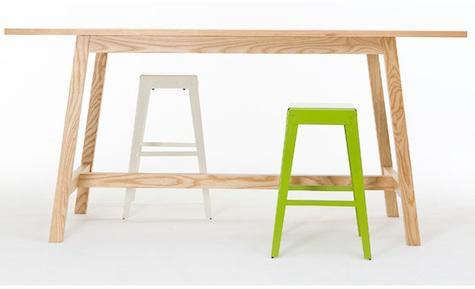
Dining tables are where Simon James’ sense of proportion becomes especially clear. A table must be sturdy enough for daily life, elegant enough for dinner guests, and forgiving enough for the occasional laptop takeover. Designs such as timber dining and bar tables show the brand’s interest in strong forms, clean finishes, and durable materials. These tables work well in minimalist interiors but are not limited to them. Pair one with vintage chairs, sculptural lighting, or warm plaster walls, and it will still behave beautifully.
Stools and Chairs
Chairs reveal whether a designer understands the human body or merely likes silhouettes. Simon James’ approach to seating often mixes visual lightness with structural clarity. A stool may have a slim profile but still feel purposeful. A lounge chair may carry a relaxed posture while maintaining a precise frame. These pieces are especially useful in modern apartments, kitchens, cafés, offices, and creative studios where furniture must be attractive, compact, and tough enough to survive actual humans.
Sofas and Lounge Furniture
Recent Simon James collections have emphasized modular sofas, soft rounded forms, compact lounge chairs, and pieces that can move between residential and commercial environments. This is smart design. The modern sofa is no longer just a place to sit politely. It is a movie theater, reading nook, guest bed substitute, laptop station, snack platform, and emotional support island. A well-designed sofa must handle all that without looking exhausted.
The brand’s lounge furniture tends to avoid overstuffed bulk. Instead, it works with sculptural shapes, considered upholstery, supportive construction, and a calm visual footprint. That makes it ideal for homeowners who want comfort but do not want their sofa to resemble a marshmallow that gave up on boundaries.
Side Tables and Coffee Tables
Simon James side tables and coffee tables often demonstrate how a small piece can carry a room. Raised edges, slim bases, sculptural stems, rounded tops, and timber finishes can turn a simple surface into a design moment. These are the pieces that quietly solve everyday problems: where to put a book, a coffee cup, a lamp, or the remote control that mysteriously migrates like wildlife.
Why Simon James Feels Relevant in American Homes
American interior design has moved through several big moods in recent years: clean-lined modernism, warm minimalism, quiet luxury, natural materials, softer furniture forms, and a return to personality over showroom perfection. Simon James furniture fits neatly into this shift because it is not trend-chasing. It already carries many of the values people now want: quality, restraint, warmth, durability, and flexibility.
In a New York apartment, a Simon James-style dining table can make a small space feel more intentional. In a California home, the brand’s relaxed but refined silhouettes can sit comfortably with natural light, pale walls, and indoor-outdoor living. In a Chicago loft, steel and timber details can echo industrial bones without turning the home into a stage set. In a suburban house, a clean-lined sofa or side table can modernize a room without requiring every family member to suddenly develop opinions about Scandinavian ceramics.
How to Decorate With the Simon James Look
You do not need to rebuild your home from the floor joists up to capture the Simon James mood. The key is restraint, texture, and proportion. Start with one excellent anchor piece, then let the room breathe around it.
Choose One Strong Foundation Piece
A dining table, sofa, lounge chair, or coffee table can set the tone. Look for clean lines, high-quality materials, and a silhouette that feels balanced rather than dramatic for no reason. The piece should feel like it will still make sense five years from now, even after the internet decides that mushroom lamps are either back, gone, or emotionally complicated.
Use a Calm Material Palette
Wood, linen, wool, leather, stone, ceramic, and powder-coated metal all work well with this aesthetic. Avoid mixing too many loud finishes in one room. Instead, let a few materials repeat with subtle variation. Oak can speak to cane. Black metal can echo window frames. A textured rug can soften timber and steel. This creates unity without making the room look like a furniture catalog page that escaped into real life.
Respect Negative Space
One of the most important lessons from Simon James-style interiors is knowing when to stop. Empty space is not failure. It is breathing room. A wall does not always need art. A coffee table does not always need seven objects and a tiny book no one is allowed to read. Let furniture have space around it so the shapes, shadows, and materials can register.
Add Personality Through Objects
Because the furniture is restrained, smaller objects can bring character: a handmade bowl, a sculptural lamp, a stack of design books, a ceramic vase, or a single odd little object that makes guests ask, “What is that?” The trick is not to clutter. Choose objects with texture, story, or form. Your home should look edited, not emotionally audited.
Commercial Spaces: Where the Brand Really Works
Simon James furniture also has strong appeal for commercial interiors. Offices, hospitality spaces, retail showrooms, galleries, and boutique hotels need furniture that can handle use while communicating taste. The brand’s pieces suit these environments because they balance durability and visual refinement.
In a workplace, clean-lined seating and tables can make collaborative areas feel more inviting without slipping into novelty. In a hotel lobby, sculptural lounge chairs and side tables can help create zones for conversation. In a restaurant or café, stools and tables with crisp profiles can support the atmosphere without stealing attention from the food, the lighting, or the person trying to decide whether ordering dessert is “for the table” or deeply personal.
Simon James and Resident: A Wider Design Conversation
Simon James is also closely associated with Resident, a New Zealand-based furniture and lighting company known for collaborating with global design talent. This connection places James within a broader international design conversation. Resident’s focus on pure forms, careful materials, and global craftsmanship complements the Simon James approach while extending the reach of New Zealand design beyond its geographic borders.
This matters because New Zealand furniture is no longer a regional secret. It participates in the same global design ecosystem as Milan, Copenhagen, London, New York, and Los Angeles. The difference is tone. New Zealand design often arrives with less theatrical swagger and more quiet confidence. It does not need to throw confetti. It would rather show you a beautifully resolved chair.
What Makes the Brand Different?
The most compelling thing about Simon James furniture is its balance. It is modern but not cold. It is simple but not under-designed. It is refined but not fussy. It is luxurious without needing to announce the price tag through shiny hardware and dramatic behavior.
That balance is hard to achieve. Remove too much, and furniture becomes bland. Add too much, and it becomes dated. Simon James works in the narrow, disciplined space between those mistakes. The pieces often feel calm at first glance, then more interesting the longer you look. A curve becomes important. A joint reveals thought. A proportion suddenly explains why the room feels better.
Buying Considerations: Is Simon James Furniture Right for You?
Simon James furniture is best suited for people who value design longevity over quick decoration. It is for homeowners, designers, architects, and business owners who want pieces that feel current without being trend-dependent. If you enjoy clean lines, honest materials, and a curated home, the brand will likely make sense.
However, this style may not be ideal if you prefer heavily ornamented furniture, maximalist layering, or pieces that dominate the room. Simon James furniture is confident, but it is not attention-hungry. It works best when paired with good lighting, thoughtful spacing, and materials that reward close attention.
Experience Section: Living With the Simon James Mindset
To understand the appeal of Simon James in New Zealand, imagine walking into a room where nothing is trying too hard. The sofa has a low, grounded presence. The coffee table is simple, but the edge detail catches the light. A lounge chair sits near the window, shaped for reading rather than posing. The room feels designed, but not staged. It has discipline, yet you could still put your feet up without feeling like a museum guard might appear from behind a curtain.
That is the experience this kind of furniture creates. It changes the mood of a space not through decoration, but through clarity. In a busy home, clarity is underrated. A well-proportioned table makes meals feel calmer. A comfortable chair near a lamp makes reading more likely. A sofa with the right scale helps conversation flow. Furniture is not just stuff that fills a floor plan. It quietly tells people how to live in a room.
One of the best lessons from the Simon James approach is that quality does not always need a dramatic entrance. Some furniture impresses on day one and annoys you by day thirty. It squeaks, stains, wobbles, overwhelms the room, or reveals that the “statement shape” was mostly shouting in a nice fabric. Better furniture has a slower rhythm. It becomes part of your habits. You notice the smoothness of the table edge while drinking coffee. You appreciate the chair angle during a long conversation. You realize the side table is exactly where your hand wants it to be. That is design doing its job without demanding applause.
This mindset is especially useful for anyone decorating a real home rather than a social media set. Real homes contain charging cables, shoes, books, pets, snacks, laundry, and at least one drawer full of mysterious keys. The answer is not to pretend life is tidier than it is. The answer is to choose furniture that brings order without becoming fragile. Simon James-style pieces support that goal because they rely on form, material, and proportion rather than decorative noise.
There is also an emotional benefit to this style. A calm room can make the day feel slightly less chaotic. Natural materials help soften technology-heavy routines. A restrained palette gives the eye somewhere to rest. Furniture with generous comfort encourages people to sit, talk, read, eat, and stay awhile. That may sound simple, but in a world where half the furniture online looks designed mainly to survive a thumbnail image, simplicity can feel almost rebellious.
For homeowners inspired by Simon James, the best experience begins with editing. Remove what is not working. Keep what has meaning. Choose fewer, better pieces. Let materials repeat. Think about how the room is used at 8 a.m., 3 p.m., and 10 p.m. Notice where people naturally sit, where the light falls, and where clutter gathers like it has signed a lease. Then select furniture that supports those patterns. Good design is not a costume for a room. It is a better operating system for daily life.
Conclusion
Furniture: Simon James in New Zealand is more than a story about attractive tables, sofas, chairs, and objects. It is a case study in how restraint can feel warm, how craftsmanship can look contemporary, and how furniture can shape everyday life without making a scene. Simon James has helped define a modern New Zealand design language rooted in simplicity, material honesty, and lasting function. For American homeowners and design professionals, the brand offers a useful reminder: the best furniture does not merely fill a room. It improves the way the room feels, works, and ages.
Whether you are furnishing a full home, upgrading a single corner, or simply learning how to look at furniture with sharper eyes, Simon James offers a valuable lesson. Choose pieces with purpose. Respect materials. Leave room to breathe. And never underestimate a quiet chair with excellent proportions. It may not tell jokes, but it will make your living room look smarter.











