
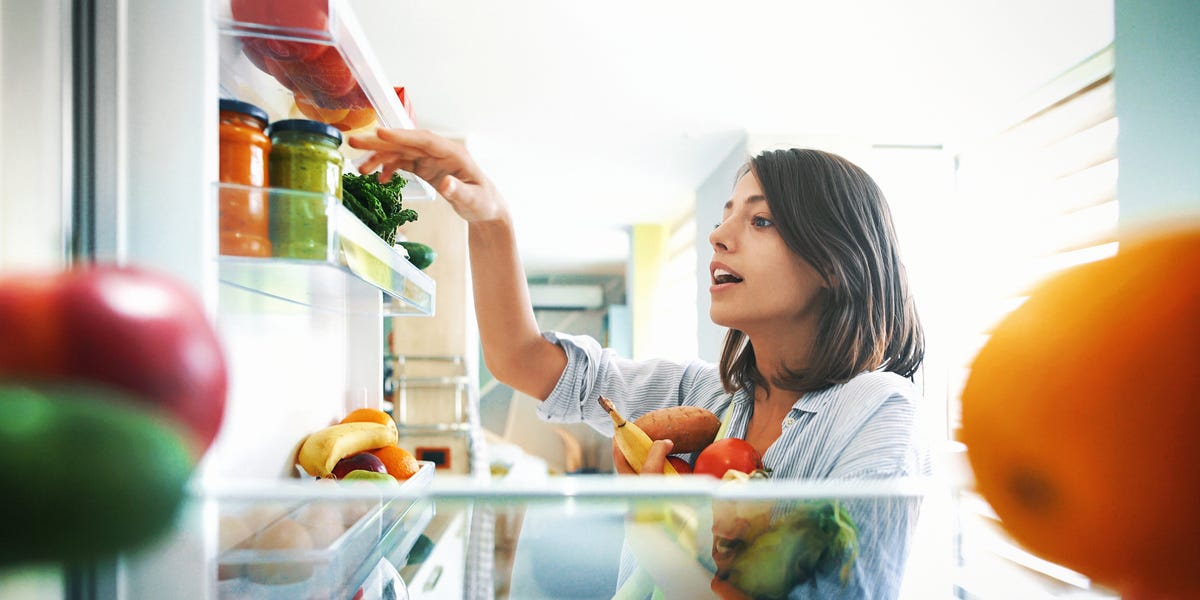
Your refrigerator is prime kitchen real estate. It is the penthouse suite for milk, eggs, leftovers, raw meat, cut fruit, deli items, and anything else that actually needs cold storage to stay safe. Yet in many homes, the fridge is packed like a suitcase five minutes before a flight: random jars, potatoes wearing condensation like a spa robe, bread turning into a brick, and tomatoes slowly losing their will to taste like tomatoes.
The good news? You can free up valuable fridge space by storing these 10 foods elsewhere without sacrificing quality. In fact, several everyday foods taste better, last longer, or keep a nicer texture when they are stored on the counter, in a pantry, or in a cool, dark cabinet. The secret is knowing the difference between food safety and food quality. Some foods must be refrigerated. Others are simply loitering in your fridge rent-free.
This guide explains which foods can move out, where to put them instead, and when the rules change. Because yes, a whole onion can live happily in the pantry, but a chopped onion needs the fridge. Whole melon can hang out at room temperature for a while, but cut melon absolutely needs cold storage. Food storage is not about being fancy; it is about keeping food safe, reducing waste, and making your fridge stop looking like a grocery cart had a nervous breakdown.
First, a quick food-safety rule before we evict anything
Before clearing the shelves, remember this: perishable foods still belong in the refrigerator. Meat, poultry, seafood, dairy, eggs, cooked leftovers, cut fruit, cut vegetables, and prepared foods should be kept cold. A refrigerator should generally stay at or below 40°F, and foods that require refrigeration should not sit out for more than two hours. If the room is above 90°F, the safe window drops to one hour.
The foods below are different. They are either shelf-stable, best ripened at room temperature, or damaged by refrigerator conditions. For each item, the rule applies to the whole, unopened, or uncut version unless noted. Once you cut, cook, peel, or mix a food with perishable ingredients, the storage advice often changes faster than a toddler’s lunch preference.
10 foods you can store outside the refrigerator
1. Potatoes
Potatoes are one of the biggest fridge-space offenders. A five-pound bag can swallow an entire crisper drawer, and for what? Potatoes usually prefer a cool, dark, well-ventilated place, such as a pantry basket, basement shelf, or cabinet away from the oven. Keep them out of direct sunlight, which can encourage greening, and avoid storing them in sealed plastic bags where moisture builds up.
Refrigeration can affect potato quality, especially if you plan to fry or roast them. Cold storage may encourage starches to convert to sugars, which can change flavor and browning. A paper bag, open basket, or ventilated bin is a better home for most household potatoes. Just do not store them right beside onions, because the two are not the peaceful pantry roommates people imagine. Together, they can speed up spoilage and create a tiny drama club of sprouting and soft spots.
2. Onions
Whole onions do not need your refrigerator’s VIP section. They prefer a cool, dry, dark, airy spot. A mesh bag, open basket, or ventilated container works well. The key word is airy. Onions dislike moisture, and the refrigerator is a damp little cave compared with a dry pantry. Too much moisture can make onions soft, moldy, or unpleasantly fragrant in a way that says, “Congratulations, your fridge now smells like a sandwich shop.”
There is one important exception: once an onion is peeled, sliced, or chopped, it should be refrigerated in a sealed container. Whole onions can stay outside; cut onions need cold storage. This is a classic example of how food storage depends on the food’s condition, not just its name.
3. Garlic
Whole garlic bulbs are happier in the pantry than the fridge. Store them in a dry, dark, ventilated place where air can circulate. A small wire basket, ceramic garlic keeper, or paper bag with holes can work. Garlic stored in the refrigerator may sprout faster, soften, or develop a rubbery texture that makes peeling it feel like a small personal betrayal.
Keep garlic away from high heat, sunlight, and sealed plastic. Whole bulbs last best when they remain intact, so avoid breaking cloves apart until you need them. Once garlic is peeled or chopped, store it in the refrigerator and use it promptly. And if you make garlic-in-oil mixtures at home, be careful: those require proper refrigeration and safe handling because low-oxygen, oil-covered environments can create serious food-safety risks.
4. Tomatoes
Tomatoes are often treated like refrigerator produce, but they are flavor divas. Cold temperatures can dull their taste and damage their texture, leaving them mealy, watery, and oddly sad. Whole ripe tomatoes generally do best at room temperature, away from direct sunlight. Place them stem-side down on the counter if you want to reduce moisture loss around the stem scar.
If tomatoes are not fully ripe, the refrigerator can interrupt their ripening. Let them ripen at room temperature first. If they become extremely ripe and you need to buy a little time, a short stay in the fridge can slow further softening, but bring them back toward room temperature before eating for better flavor. Once tomatoes are sliced, diced, or cooked into a sauce, they need refrigeration.
5. Bananas
Bananas are counter fruits. Green bananas especially should stay out of the fridge because cold temperatures slow ripening. A green banana in the refrigerator may darken on the outside while staying firm and starchy inside, which is nature’s way of saying, “Nice try.” Keep bananas on the counter, away from direct heat and sunlight.
Bananas produce ethylene gas, which helps them ripen and can speed up ripening in nearby fruits. If you want them to ripen faster, place them near apples or avocados. If you want to slow the party down, separate them from other produce. Once bananas are fully ripe, refrigeration can slow further ripening, although the peel may turn dark. The fruit inside can still be fine for smoothies, banana bread, or slicing over cereal.
6. Avocados, until ripe
Unripe avocados belong on the counter, not in the refrigerator. Cold storage slows ripening, so putting a hard avocado in the fridge is basically pressing pause on guacamole. Keep firm avocados at room temperature until they yield slightly to gentle pressure. To speed things up, place them in a paper bag with a banana or apple. Ethylene-producing fruit can help move the ripening process along.
Once an avocado is ripe, the refrigerator becomes useful. Cold storage can help hold that perfect stage for a few extra days. Cut avocado should always be refrigerated, ideally with the cut surface covered tightly to reduce browning. A little lemon or lime juice can help slow oxidation, but it will not create a force field. Avocado waits for no one.
7. Whole melons
Whole watermelon, cantaloupe, and honeydew can often be stored outside the fridge for short-term storage, especially if they are uncut and you plan to eat them soon. Whole melons are large, round, and extremely talented at taking over an entire refrigerator shelf. If your fridge has ever held a watermelon like it was hosting a bowling ball convention, you understand the problem.
Store whole melons in a cool area away from direct sunlight. However, once a melon is cut, the rule changes completely. Cut melon must be refrigerated because the protective rind has been opened and the moist flesh can support bacterial growth. Store cut melon in a covered container and keep it cold. Whole melon can save fridge space; sliced melon cannot.
8. Bread
Refrigerating bread seems logical, but it often backfires. The fridge can slow mold growth, but it also speeds up staling because starches in bread recrystallize faster at refrigerator temperatures than they do at room temperature. Translation: your soft sandwich bread becomes a dry little disappointment.
For short-term use, keep bread at room temperature in a bread box, paper bag, or original packaging, depending on the loaf. For longer storage, freeze it. Freezing is much kinder to bread quality than refrigeration. Slice the loaf before freezing so you can take out only what you need. Toast straight from frozen, and your future breakfast self will feel like you left a tiny gift.
9. Coffee
Coffee does not belong in the refrigerator. Beans and grounds are sensitive to air, moisture, heat, light, and odors. The fridge is full of moisture and smells, meaning your coffee may quietly absorb the aroma of last night’s leftovers. Nobody wants a cup of “medium roast with notes of onion and mystery casserole.”
Store coffee in an airtight, opaque container in a cool, dry, dark place. Buy smaller amounts if possible, because coffee tastes best when it is fresh. Whole beans generally hold flavor better than ground coffee, so grind just before brewing if your routine allows. For everyday storage, the pantry wins. The refrigerator can take the day off.
10. Honey
Honey is shelf-stable and does not need refrigeration. In fact, the refrigerator can make honey crystallize faster, turning your smooth golden drizzle into something that requires a spoon, patience, and possibly a pep talk. Crystallized honey is not spoiled; it is still safe and usable. But if you prefer liquid honey, room-temperature storage is easier.
Keep honey tightly sealed in a pantry or cabinet. Avoid introducing water or crumbs into the jar by using a clean, dry spoon. If honey crystallizes, place the closed jar in warm water and stir gently until it loosens. Do not overheat it. Honey is low-maintenance, but it does not want to be cooked every time you make tea.
Bonus fridge-space helpers: foods that depend on the label
Some foods are not universal. Peanut butter, hot sauce, ketchup, mustard, jams, maple syrup, nut oils, and specialty condiments may or may not require refrigeration after opening. The best rule is simple: read the label. Manufacturers know the formula, acidity, sugar content, preservatives, and processing method. If the label says “refrigerate after opening,” do it. If it says “best refrigerated for quality,” that means cold storage may preserve flavor but may not be required for safety.
Olive oil is another common space-stealer. It is usually best stored tightly capped in a cool, dark cabinet away from heat and light. Refrigeration can make olive oil cloudy or thick. That change is usually reversible at room temperature, but it makes cooking less convenient and may not be necessary unless your kitchen is unusually warm.
How to reorganize your fridge after moving these foods out
Once potatoes, onions, garlic, tomatoes, bananas, unripe avocados, whole melons, bread, coffee, and honey leave the fridge, you may suddenly discover shelf space you forgot existed. Use that space wisely. Put raw meat, poultry, and seafood on the lowest shelf or in a dedicated bin to prevent drips. Keep dairy toward the back, where temperatures are more stable. Store leftovers in shallow, labeled containers so they cool quickly and do not become archaeological specimens.
Use the crisper drawers for foods that truly benefit from refrigeration, such as leafy greens, berries, carrots, celery, broccoli, grapes, and herbs. Keep ethylene-producing fruits away from ethylene-sensitive produce when possible. In plain English: do not let your bananas bully your lettuce.
A good refrigerator setup is not just about neatness. Air needs room to circulate. Overpacking a fridge can create warm spots and make it harder for food to stay safely cold. If your fridge looks like a game of edible Tetris, removing foods that do not belong there can improve both safety and sanity.
Common mistakes that waste fridge space
Mistake 1: Treating all produce the same
Produce storage is not one-size-fits-all. Berries need the fridge. Whole tomatoes usually do not. Leafy greens need cold, humid storage. Whole garlic needs dry airflow. A banana and a head of romaine have very different life goals.
Mistake 2: Forgetting that cut foods change category
A whole melon on the counter may be fine for short-term storage. Cut melon belongs in the refrigerator. A whole onion can live in the pantry. Chopped onion needs a sealed container in the fridge. Cutting food exposes more surface area and removes natural protection, so safety rules change.
Mistake 3: Using the fridge as a pantry with a light bulb
The refrigerator is not automatically the safest place for every food. It is a cold, moist environment, and some foods lose texture, flavor, or usability there. The goal is not to refrigerate more. The goal is to refrigerate smarter.
Conclusion: give your fridge a promotion, not a storage crisis
When you free up valuable fridge space by storing these 10 foods elsewhere, you make your kitchen easier to use and your food easier to enjoy. Potatoes, onions, garlic, tomatoes, bananas, unripe avocados, whole melons, bread, coffee, and honey usually do better outside the fridge when stored properly. The pantry, counter, bread box, and cool cabinet are not backup storage zones; they are the correct homes for many everyday foods.
The big takeaway is balance. Refrigerate what needs refrigeration for safety. Keep quality-sensitive foods where they taste and behave best. And always move cut, cooked, peeled, or perishable foods into the refrigerator promptly. Your reward is a roomier fridge, fewer wasted groceries, better-tasting meals, and the rare joy of opening the refrigerator without something rolling out like it has chosen freedom.
Practical kitchen experience: what changes when these foods move out
The first thing most people notice after moving these foods out of the fridge is not the science. It is the space. Suddenly, the top shelf can hold leftovers without balancing a container on top of a melon. The crisper drawer can finally do its actual job instead of serving as a potato cave. The door shelves stop becoming a crowded museum of condiments, mystery jars, and one lonely lemon that has seen things.
In everyday cooking, this small storage shift makes meal prep feel less chaotic. When potatoes sit in a basket in the pantry, they are easier to see and use before they sprout. When onions and garlic are stored in a dry, ventilated spot, they become a quick grab for soups, stir-fries, tacos, omelets, and roasted vegetables. There is less digging through cold drawers and more “Oh good, dinner has a starting point.” That may not sound glamorous, but on a weeknight, glamour is overrated. Finding the garlic is victory enough.
Tomatoes are where the flavor difference becomes obvious. A counter-stored tomato usually smells more like summer and less like chilled cardboard. Slice it for a sandwich, and it tastes brighter. Add it to a salad, and it does not collapse into watery sadness. The same goes for bananas and avocados. Letting them ripen at room temperature gives you more control. You can move ripe avocados into the fridge only when they hit that brief, magical stage between “rock” and “guacamole emergency.”
Bread storage also changes daily habits. Instead of refrigerating a loaf and wondering why toast feels like construction material, keep a few days’ worth at room temperature and freeze the rest. Frozen slices toast beautifully and reduce waste. This is especially helpful for households that do not finish bread quickly. It also prevents that awkward moment when you reach for bread and discover it has become either moldy or fossilized. Neither is ideal sandwich architecture.
Coffee and honey may seem small, but they matter. Coffee stored in an airtight container in a dark cabinet keeps its aroma better than coffee parked beside leftover pasta sauce in the fridge. Honey stored in the pantry remains easier to drizzle, measure, and stir into tea or yogurt. These little improvements add up. A better-organized kitchen encourages you to cook more, waste less, and stop buying duplicates because you could not see what you already had.
The best experience is the feeling of control. Food storage stops being random and starts being intentional. The fridge holds the foods that truly need cold protection. The pantry holds foods that prefer dry darkness. The counter becomes a ripening zone, not a clutter zone. Once this system is in place, grocery unpacking becomes faster, cooking becomes smoother, and the fridge finally gets to breathe. If appliances could sigh with relief, yours would.












