
Note: This article is for general wellness education and recipe inspiration. It is not a substitute for medical advice, diagnosis, or treatment. Anyone with peanut allergy, diabetes, kidney disease, food restrictions, or a medically prescribed diet should talk with a qualified healthcare professional before changing their eating routine.
A Sandwich With a Tiny Cape
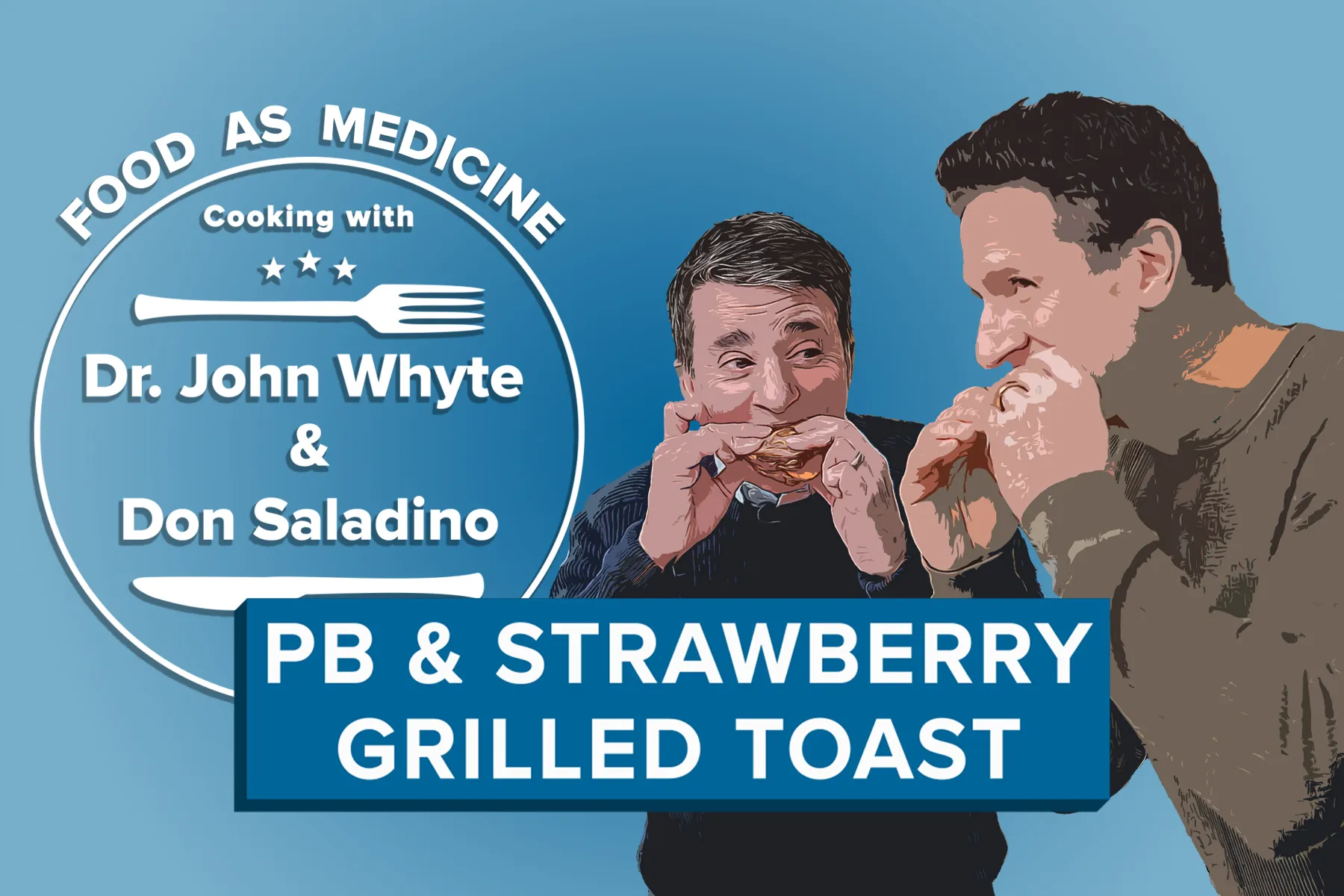
The PB&S is the smarter, fresher cousin of the classic peanut butter and jelly sandwich. It stands for peanut butter and strawberry, usually made as a grilled toast or warm sandwich with whole-grain bread, peanut butter, fresh strawberry slices, and a small amount of olive oil or another heart-friendly cooking fat. It is simple enough for a weekday breakfast, sturdy enough for lunch, and satisfying enough to rescue you from the 3 p.m. snack gremlin.
At first glance, it looks almost too easy to deserve a health halo. Bread. Peanut butter. Strawberries. A skillet. Done. But this little meal has a lot going on. It combines plant-based protein, unsaturated fats, fiber-rich carbohydrates, natural fruit sweetness, vitamin C, and satisfying texture. In other words, it is not a magic cure, but it is a practical example of “food as medicine”: using everyday meals to support energy, digestion, heart health, blood sugar balance, and long-term wellness.
The real trick is building it intentionally. A PB&S made with thick white bread, sugary peanut spread, and strawberry syrup is basically dessert wearing sneakers. A PB&S made with whole-grain bread, natural peanut butter, real strawberries, and a light toast? Now we are talking about a meal that can actually pull its nutritional weight.
What “Food as Medicine” Really Means
Food as medicine does not mean every bite needs to behave like a prescription pad. It means food choices can be part of prevention, disease management, and better daily function. A balanced eating pattern rich in fruits, vegetables, legumes, nuts, seeds, whole grains, and healthy fats is consistently associated with better health outcomes. That does not make lunch a superhero, but it does make lunch a meaningful vote for your future body.
The PB&S works because it puts this idea into a real-life format. Nobody needs a culinary degree, a spiralizer, or a pantry labeled in calligraphy. You need a few affordable ingredients and about ten minutes. The result is a warm, crisp, creamy, juicy sandwich that tastes indulgent while still leaning into smart nutrition.
Why Peanut Butter Belongs in the Conversation
Peanut butter is calorie-dense, so it deserves respect. Two tablespoons can bring roughly 7 grams of protein and a meaningful amount of fat. That fat is mostly unsaturated, the kind generally preferred over saturated fats for heart-conscious eating patterns. Peanut butter also contains fiber and minerals, making it more than just a sticky spoonful of childhood nostalgia.
The key is choosing the right jar. Look for peanut butter with peanuts as the first ingredient and minimal added sugar or hydrogenated oils. A little salt is fine for many people, but those watching sodium should compare labels. If the ingredient list reads like a chemistry quiz written during a thunderstorm, put the jar down and back away slowly.
Best Peanut Butter Choices
For a PB&S, natural creamy peanut butter spreads easily, while crunchy peanut butter adds texture. Both can work. If you avoid peanuts, try almond butter, cashew butter, or sunflower seed butter. Sunflower seed butter is especially helpful for nut-free households, though anyone with allergies should check labels carefully for cross-contact warnings.
Why Strawberries Beat Jelly Here
Jelly is delicious, but it usually brings concentrated sweetness without the same fiber and volume as whole fruit. Fresh strawberries bring natural sweetness, juiciness, vitamin C, antioxidants, and a bright flavor that cuts through the richness of peanut butter. They make the sandwich feel lighter, fresher, and more grown-up.
Strawberries also help reduce the need for added sugar. Instead of spreading jam from edge to edge, you layer sliced berries and let heat soften them slightly. The fruit becomes warm and almost jammy, but still tastes like real food. That is the PB&S advantage: it gives your taste buds the “sweet sandwich” experience without turning breakfast into frosting practice.
Fresh or Frozen?
Fresh strawberries are ideal for texture, but frozen strawberries can work if thawed, drained, and sliced. The goal is to avoid soggy bread. If using frozen berries, pat them dry first. Your sandwich should crunch, not sigh.
Whole-Grain Bread: The Foundation Matters
Bread is not just a handle for peanut butter. It is part of the nutrition equation. Whole-grain bread provides more fiber and nutrients than refined white bread. Fiber helps slow digestion, supports fullness, and contributes to better gut function. For the best PB&S, choose whole wheat, sprouted grain, seeded whole grain, or another bread where “whole” appears at the beginning of the ingredient list.
Seeded bread adds extra crunch and flavor. Sprouted grain bread can give a hearty, nutty taste that pairs beautifully with peanut butter and strawberries. The sandwich becomes less like a lunchbox emergency and more like something you would order at a café with exposed brick and suspiciously expensive napkins.
How to Make a PB&S
Ingredients for One Sandwich
- 2 slices whole-grain or sprouted grain bread
- 1 to 2 tablespoons natural peanut butter
- 4 to 6 fresh strawberries, rinsed, dried, hulled, and sliced
- 1 teaspoon olive oil, avocado oil, or a light brush of butter
- Optional: cinnamon, chia seeds, crushed peanuts, or a tiny drizzle of honey
Step-by-Step Instructions
- Wash and dry the strawberries. Rinse them under running water, then dry well. Wet strawberries are the enemy of crisp toast.
- Slice the berries. Thin slices work best because they warm quickly and spread sweetness evenly.
- Spread the peanut butter. Coat one slice of bread with peanut butter. For a sturdier sandwich, spread a thin layer on both slices to create a moisture barrier.
- Add strawberries. Layer the slices evenly over the peanut butter. Sprinkle cinnamon or chia seeds if using.
- Close the sandwich. Press gently so the filling stays put.
- Grill it. Heat a skillet over medium heat. Add about a teaspoon of olive oil or lightly brush the outside of the bread. Cook for 2 to 3 minutes per side, until golden and crisp.
- Rest, slice, and enjoy. Let it cool for one minute before cutting. This prevents molten strawberry lava from staging a surprise attack.
Nutrition Analysis: Why This Works
A PB&S brings together three important nutrition ideas: balance, satiety, and quality. The peanut butter adds plant protein and fat. The strawberries add fruit, vitamin C, and natural sweetness. The whole-grain bread adds complex carbohydrates and fiber. Together, these ingredients create a meal that digests more steadily than a sugary pastry or plain white toast with jam.
This is especially useful before activity. A small PB&S can work as a pre-workout snack because it provides carbohydrates for energy, fat and protein for staying power, and fruit for freshness. For a lighter option, use one slice of toast and eat it open-faced. For a bigger meal, pair it with Greek yogurt, a boiled egg, or a glass of milk or fortified soy milk.
Estimated Nutrition Range
Depending on bread and peanut butter portions, one PB&S may contain roughly 300 to 450 calories, 9 to 15 grams of protein, 6 to 10 grams of fiber, and a mix of carbohydrates and healthy fats. The numbers vary, so labels matter. The bigger point is that the sandwich can be adjusted to fit different needs: more peanut butter for extra calories, more strawberries for volume, one slice of bread for a lighter snack, or added chia seeds for more fiber.
Smart Variations
The Athlete PB&S
Use sprouted grain bread, 2 tablespoons peanut butter, strawberries, banana slices, and cinnamon. This version is more energy-dense and works well before a long walk, strength session, or busy morning.
The Lower-Sugar PB&S
Skip honey and jam. Use extra strawberries and cinnamon. Choose peanut butter with no added sugar. The flavor stays sweet enough because ripe strawberries do most of the work.
The Extra-Crunch PB&S
Use crunchy peanut butter, seeded bread, and a sprinkle of chopped peanuts. This version is for people who believe texture should arrive loudly and with confidence.
The Nut-Free PB&S
Use sunflower seed butter instead of peanut butter. Add strawberries and a few pumpkin seeds if tolerated. It keeps the creamy-fruity idea while making the recipe more school- or allergy-conscious.
Common Mistakes to Avoid
Using too much peanut butter: Peanut butter is nutritious, but it is also dense. More is not always better. A thick layer can overpower the strawberries and turn the sandwich into edible cement.
Forgetting to dry the berries: Damp strawberries make soggy bread. Dry them like you mean it.
Cooking on high heat: Medium heat gives the bread time to crisp while the berries warm. High heat burns the outside before the inside gets cozy.
Choosing dessert bread: Cinnamon swirl bread can taste amazing, but many versions contain added sugar. For everyday wellness, stick with whole-grain bread most of the time.
Assuming “natural” always means healthy: Read the label. Some spreads still contain added sugars, oils, or extra sodium.
How PB&S Fits Into a Healthy Eating Pattern
No single sandwich can carry an entire diet on its toasted shoulders. The PB&S is best understood as one practical tool. It can replace less balanced breakfasts, upgrade a snack, or help people eat more fruit. It also makes healthy eating feel less like a punishment and more like a warm, crunchy reward.
The bigger goal is consistency. Meals built around whole foods, fiber, lean or plant-based protein, and healthy fats tend to support better long-term habits. When those meals are also affordable and easy, they are more likely to survive real life. Because real life has deadlines, dishes, traffic, laundry, and mysterious emails titled “quick question.”
Food Safety Tips
Always rinse strawberries before eating or preparing them. Use clean running water, not soap or detergent. Dry them with a clean towel. Keep peanut butter jars closed, avoid double-dipping with dirty utensils, and refrigerate cut fruit if you are not using it right away. If packing a PB&S for later, let it cool before wrapping so steam does not soften the bread.
For packed lunches, consider spreading peanut butter on both slices and placing strawberries in the middle. This creates a barrier that helps prevent sogginess. You can also pack sliced strawberries separately and assemble the sandwich when ready to eat.
Experience Notes: Living With the PB&S
The first time you make a PB&S, you may wonder why nobody told you earlier that strawberries could replace jelly so easily. The answer is probably because jelly had a better marketing department. Fresh strawberries do something special when they touch warm peanut butter: they soften, release a little juice, and create a flavor that tastes like a summer picnic got promoted to breakfast manager.
One of the best things about this sandwich is how forgiving it is. If your strawberries are perfectly ripe, the PB&S tastes bright and sweet. If they are slightly underripe, grilling helps mellow them. If your bread is a little stale, the skillet brings it back to life. It is the kind of recipe that does not demand perfection. It simply asks you to show up with bread and reasonable intentions.
For busy mornings, the PB&S can become a routine. Wash and slice strawberries the night before, then store them in a covered container lined with a paper towel. In the morning, spread, layer, grill, and go. It takes less time than waiting in a drive-thru line behind someone ordering a beverage with seventeen adjectives. Better yet, it leaves you feeling like you actually fed yourself, not just negotiated with hunger.
For kids, the PB&S can be a bridge between familiar and fresh. It looks enough like a classic peanut butter sandwich to avoid suspicion, but it introduces whole fruit in a friendly way. You can cut it into triangles, strips, or tiny squares. Children are more likely to try foods that look fun, and honestly, adults are not immune to triangle magic either.
For adults trying to eat better, the PB&S is useful because it does not feel like “diet food.” It is warm, rich, sweet, and crunchy. That matters. Many healthy eating plans fail not because people dislike health, but because they dislike being bored, hungry, and spiritually attacked by plain lettuce. A good PB&S respects pleasure. It says, “Yes, you can eat something delicious, and no, it does not have to come with a side of regret.”
It also teaches a bigger lesson: small upgrades count. Swapping jelly for fresh strawberries reduces added sugar. Choosing whole-grain bread adds fiber. Measuring peanut butter keeps portions reasonable. Cooking with a teaspoon of olive oil instead of a slab of butter shifts the fat profile. None of these changes are dramatic. Nobody needs a marching band. But together, they turn a nostalgic sandwich into a practical wellness meal.
The PB&S also travels well across seasons. In spring and summer, fresh strawberries are the obvious star. In colder months, try thin apple slices, thawed berries, or roasted strawberries. Add cinnamon when you want comfort, chia seeds when you want extra fiber, or a pinch of flaky salt when you want the flavor to pop. The sandwich can be breakfast, snack, pre-workout fuel, or lazy dinner. Is it fancy? No. Is it reliable? Absolutely. And reliability is underrated in both sandwiches and people.
Conclusion
The PB&S is proof that food as medicine does not have to be complicated, expensive, or joyless. It takes the comfort of peanut butter toast, adds the freshness of real strawberries, and improves the foundation with whole-grain bread. The result is a simple meal that supports energy, fullness, and better everyday eating habits.
It will not cure disease, replace medication, or make your inbox less terrifying. But it can help you build a better breakfast, a smarter snack, and a more realistic approach to nutrition. That is the beauty of food as medicine: sometimes it starts with a skillet, two slices of bread, and a handful of strawberries doing their best impression of jam.












