
Note: This article is written for general public information and is based on wildlife-health guidance, university extension materials, veterinary insight, and public reporting from reputable U.S. sources. It is not a veterinary diagnosis. Homeowners should contact local wildlife officials or licensed wildlife rehabilitators when an animal appears seriously ill or injured.
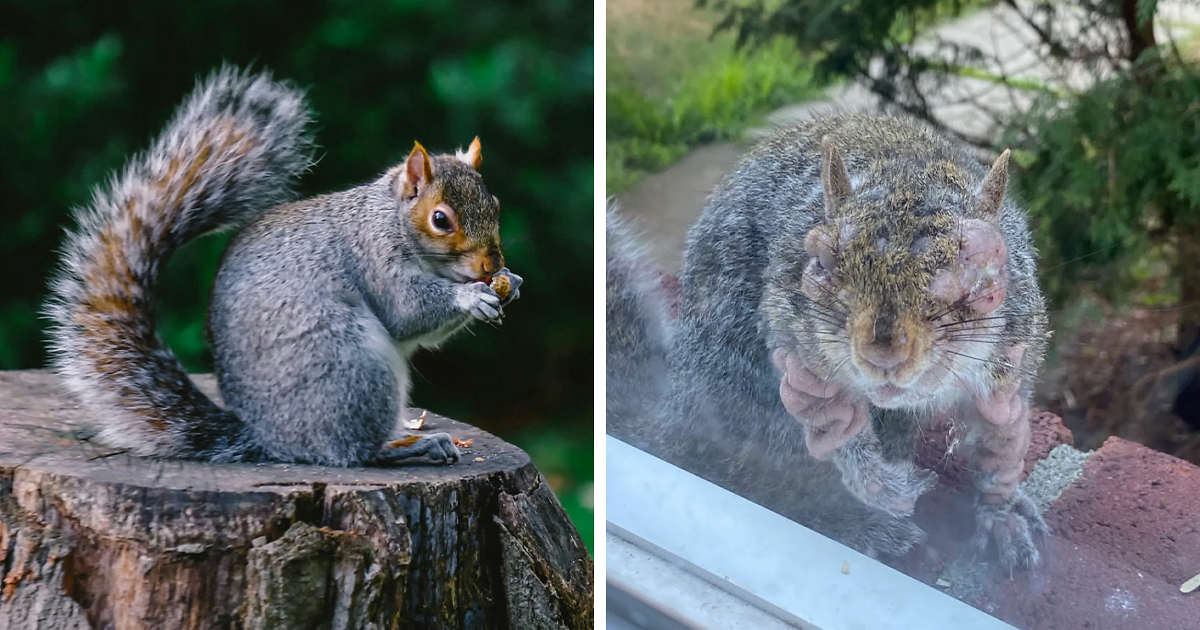
Just when homeowners thought the “zombie rabbit” headlines were strange enough, squirrels apparently decided they, too, deserved a dramatic entrance into the neighborhood horror franchise. Across parts of the United States, residents have reported seeing squirrels with swollen bumps, bald patches, scabbed skin, and fluid-draining sores. Online, the nickname arrived immediately: “zombie squirrels.” Nature, as usual, did not ask for branding help.
The good news is that these squirrels are not undead, not plotting in the oak tree, and not auditioning for a low-budget backyard apocalypse. The more realistic explanation is usually squirrel fibromatosis, commonly called squirrel pox or squirrel fibroma virus, or in some cases a botfly-related condition known as warbles. Both can look alarming from a kitchen window. Both are real wildlife-health issues. And both are very different from the dramatic image suggested by the phrase “oozing flesh.”
For U.S. homeowners, the story matters because squirrels are not distant wilderness creatures. They raid bird feeders, sprint along fences, bury mystery snacks in flower beds, and perform Olympic-level gymnastics on gutter systems. When one suddenly appears with unusual growths, it can spark concern about pets, children, disease, and whether the backyard has become a wildlife emergency room. The answer is usually calmer than the internet makes it sound, but there are smart steps homeowners should take.
What Are “Zombie Squirrels,” Really?
The term “zombie squirrel” is not a scientific diagnosis. It is a viral nickname for squirrels showing visible skin abnormalities, especially wart-like tumors, hairless lumps, scabs, or sores. The most commonly discussed cause is squirrel fibromatosis, a viral skin disease linked to a poxvirus in the leporipoxvirus group. Gray squirrels and fox squirrels are among the species most often mentioned in U.S. wildlife guidance.
Squirrel fibromatosis can cause raised skin growths that may appear on the face, limbs, eyelids, or body. In many cases, the growths are external and may eventually regress as the squirrel’s immune system responds. Severe cases, however, can interfere with vision, movement, feeding, or overall condition. If a squirrel cannot see well, climb normally, or find food, the disease becomes more than just a strange-looking backyard spectacle.
Another common look-alike is a botfly infestation. Tree squirrel botflies lay eggs in the environment, and their larvae can develop beneath the skin of squirrels, creating swollen areas called warbles. These lumps may have an opening and can drain fluid. To a startled homeowner, a squirrel with botfly warbles can look like it lost a fight with a tiny monster. In many otherwise healthy adult squirrels, however, warbles are seasonal and not necessarily fatal.
Why Are Homeowners Seeing More of These Reports?
Part of the answer is visibility. More people have doorbell cameras, wildlife cameras, neighborhood apps, and phones ready to capture anything unusual. A squirrel that might have gone unnoticed 20 years ago can now become a national headline before lunchtime.
Another reason is that suburban neighborhoods are perfect squirrel theater. Bird feeders, oak trees, sheds, gardens, compost piles, and pet food bowls can all attract wildlife. When several squirrels repeatedly visit the same feeder or small yard, they have more opportunities for close contact. That matters because some wildlife diseases spread more easily when animals crowd around shared food sources.
Warm seasons can also play a role. Insects such as mosquitoes, fleas, and ticks may help move certain viruses or parasites among animals. Botfly activity is also seasonal in many areas. So when late summer or early fall arrives, homeowners may be more likely to notice squirrels with bumps, bare spots, or irritated-looking skin. It is not proof that a new plague has arrived. It is often a familiar wildlife pattern receiving a very modern social-media spotlight.
First Rabbits, Now Squirrels: Are the Cases Connected?
The rabbit headlines came from wild cottontails with horn-like or tentacle-like growths caused by cottontail rabbit papillomavirus, also known as Shope papillomavirus. These growths can look startling, especially when they appear around the face. The condition has even been linked to old “jackalope” folklore, which makes sense: people saw rabbits with strange horn-like growths long before anyone could explain the virus behind them.
Squirrels are dealing with a different issue. Squirrel fibromatosis is not the same disease as cottontail rabbit papillomavirus. The connection is mostly visual and cultural: both conditions create unusual external growths, both can be spread or worsened by insect activity or close wildlife contact, and both become internet-famous because they look like something from a Halloween prop closet.
The important point for homeowners is that “zombie rabbit” and “zombie squirrel” are dramatic labels, not evidence of a single cross-species outbreak. Wildlife diseases are often species-specific. A disease that affects wild rabbits does not automatically threaten squirrels, dogs, cats, or people. Still, the safest rule is simple: admire wildlife from a distance, especially when it appears sick.
Do “Zombie Squirrels” Threaten Humans or Pets?
For most homeowners, the risk from squirrel fibromatosis itself is considered low. These squirrel skin diseases are generally not known as major threats to humans, dogs, cats, or birds. That said, “low risk” does not mean “please pick up the squirrel like it is a fuzzy burrito.” Wild animals can bite, scratch, carry fleas or ticks, and become stressed when handled.
Pets should not be allowed to chase, bite, lick, or carry sick wildlife. Dogs in particular are enthusiastic investigators with terrible judgment. If your dog corners an ill squirrel, bring the dog inside and contact a veterinarian if there was direct contact, a bite, or possible exposure to parasites. Cats should also be kept away from sick wildlife, both for their safety and the animal’s.
Children should be told not to touch squirrels, rabbits, or other wild animals, even if the animal looks slow, weak, or “easy to help.” A sick squirrel may seem less able to flee, but it can still defend itself. The kindest and safest action is to keep distance and call the appropriate local resource if the animal appears severely impaired.
What Homeowners Should Do If They Spot One
1. Do Not Touch or Capture the Squirrel
The first rule is also the easiest: hands off. Do not try to trap, treat, bathe, medicate, or remove growths from a wild squirrel. Home wildlife surgery is not a weekend hobby. It is dangerous for you and usually worse for the animal.
2. Temporarily Remove Feeders and Attractants
If several squirrels visit your yard and one appears infected, consider removing bird feeders or squirrel feeders for a while. Shared feeding stations can bring animals into close contact and may increase the chance of disease transmission. Also clean up spilled seed, fallen fruit, and accessible pet food.
3. Clean Feeding Areas Carefully
If you use bird feeders, clean them regularly according to safe feeder-hygiene practices. Wear gloves, wash hands afterward, and avoid cleaning feeders in kitchen sinks used for food preparation. A clean feeder is not just better for birds; it also reduces the backyard buffet effect that attracts every squirrel within gossiping distance.
4. Keep Pets Away
Bring pets indoors or supervise them outside until the sick squirrel leaves the area. If the squirrel appears unable to climb or escape, call a local wildlife rehabilitator or animal-control office for guidance. Do not let pets “solve” the situation. They are not wildlife managers; they are snack-driven chaos interns.
5. Report Severe Cases
If you see a squirrel that cannot move normally, has growths blocking its eyes or mouth, is being attacked, or appears extremely weak, contact your state wildlife agency, local animal control, or a licensed wildlife rehabilitator. A clear photo taken from a safe distance can help professionals assess the situation.
What Not to Do
Do not spray the animal with chemicals, apply ointment, offer human medicine, or attempt to remove lumps. Do not post exaggerated claims online suggesting the animal is contagious to humans without evidence. And please do not feed sick squirrels “to help them recover.” Feeding may draw more squirrels into the same area, which can make transmission more likely if a contagious condition is involved.
It is also unwise to assume every bumpy squirrel has the same disease. Fibromatosis, botfly warbles, abscesses, injuries, and other skin conditions can appear similar to non-experts. A licensed wildlife professional or veterinarian is better equipped to tell the difference. From the porch, the most accurate diagnosis is usually: “That squirrel looks unwell, and I should not touch it.”
Why the Internet Loves the “Zombie” Label
The phrase “zombie squirrel” works because it is short, spooky, and instantly clickable. It also creates unnecessary panic. Wildlife diseases often look dramatic but follow ordinary ecological patterns. Animals live close together, insects bite them, viruses circulate, parasites complete life cycles, and humans notice when the results appear in the backyard.
The danger of sensational labels is that they can make people overreact. Some may want to kill sick animals unnecessarily. Others may try to rescue them without training. A better response is informed caution. Yes, the squirrel may look rough. No, it is probably not a public-health disaster. Yes, you should keep pets away. No, you do not need to disinfect the entire neighborhood with the intensity of a movie hazmat team.
The Bigger Wildlife Lesson for U.S. Homeowners
These reports are a reminder that suburban yards are shared ecosystems. People often think of wildlife as something that belongs “out there,” somewhere beyond the tree line. But squirrels, rabbits, raccoons, opossums, deer, and birds have adapted beautifully to human spaces. Sometimes too beautifully. Our feeders, landscaping, trash habits, and outdoor pet food can shape how animals gather and how diseases move among them.
Homeowners who want a healthier yard can start with simple steps: avoid overcrowded feeding stations, clean water sources, remove spoiled food, secure trash, and plant native vegetation that supports wildlife without creating unnatural crowding. A backyard does not need to become sterile. It just needs to avoid becoming a 24-hour wildlife diner with poor sanitation and unlimited seating.
It is also worth remembering that many sick wild animals recover without human intervention. Nature is not always pretty, and healing is not always photogenic. A squirrel with warbles may look awful for a period and then return to normal activity. A squirrel with mild fibromatosis may survive if the growths do not block feeding or movement. The best human role is often observation, prevention, and professional reporting when needed.
Homeowner Experiences and Practical Lessons From the “Zombie Squirrel” Scare
Imagine the average Tuesday morning: coffee in hand, slippers on, inbox already misbehaving. You glance outside expecting to see the usual squirrel hanging upside down from the bird feeder like a tiny gray burglar. Instead, you see a squirrel with strange bumps around its face and shoulders. The first reaction is not scientific curiosity. It is usually something closer to, “What in the haunted acorn is that?”
That reaction is understandable. Many homeowners experience wildlife illness as a surprise because the backyard normally feels familiar. The same squirrels visit the same fence. The same rabbits nibble the same clover. When one appears visibly sick, the comfortable routine changes. People worry about their dogs, their kids, their gardens, and whether the bird feeder has become a disease-sharing snack bar.
One practical experience many homeowners report is confusion between compassion and intervention. Seeing an animal in distress naturally makes people want to help. But with wildlife, helping often means doing less, not more. A homeowner who removes feeders, keeps pets inside, and calls a wildlife rehabilitator is usually doing more good than someone who tries to catch the animal with a laundry basket and a heroic soundtrack playing in their head.
Another common lesson is that bird feeders require responsibility. Feeders are charming until they become crowded meeting spots for squirrels, birds, chipmunks, and the occasional raccoon with suspicious confidence. When disease appears nearby, taking feeders down temporarily can feel disappointing, especially for bird lovers. But it can reduce close contact among animals and give the yard a reset. The birds will forgive you. The squirrels may file a complaint, but they file complaints about everything.
Pet owners often learn the fastest. A dog that sees a slow-moving squirrel may interpret the moment as destiny. That is why supervision matters. Keeping dogs leashed or indoors during an active wildlife concern prevents bites, scratches, parasite exposure, and a very awkward emergency vet visit that begins with, “So, my dog found a zombie squirrel.”
Parents also face a teaching moment. Children may be fascinated by a sick animal and want to get closer. A calm explanation works better than panic: wild animals can be sick, they need space, and trained adults know how to help. Teaching kids to observe from a distance builds respect for wildlife without turning every odd animal sighting into a horror story.
Finally, these experiences show how quickly neighborhood rumors spread. One blurry photo can become “dangerous mutant squirrels” by dinner. A better approach is to share accurate, measured information: do not touch the animal, keep pets away, clean or remove feeders, and contact local wildlife authorities if the animal is severely affected. That message is less thrilling than “zombie invasion,” but it is far more useful.
Conclusion: Scary-Looking Does Not Always Mean Dangerous
“Zombie squirrels” may sound like the next great backyard nightmare, but the reality is more grounded. Many cases involve squirrel fibromatosis, botfly warbles, or other natural wildlife conditions that look alarming but are not usually a direct threat to people. The smartest homeowner response is not panic. It is distance, cleanliness, pet control, and professional guidance when an animal appears seriously compromised.
Wildlife does not always look like a calendar photo. Sometimes it looks strange, messy, and uncomfortable. But with the right information, homeowners can respond in a way that protects their families, their pets, and the animals sharing the neighborhood. In other words: keep calm, take down the feeder if needed, and do not attempt squirrel dermatology.












