
Note: This article is for general education only and is not a substitute for professional medical advice, diagnosis, or treatment.
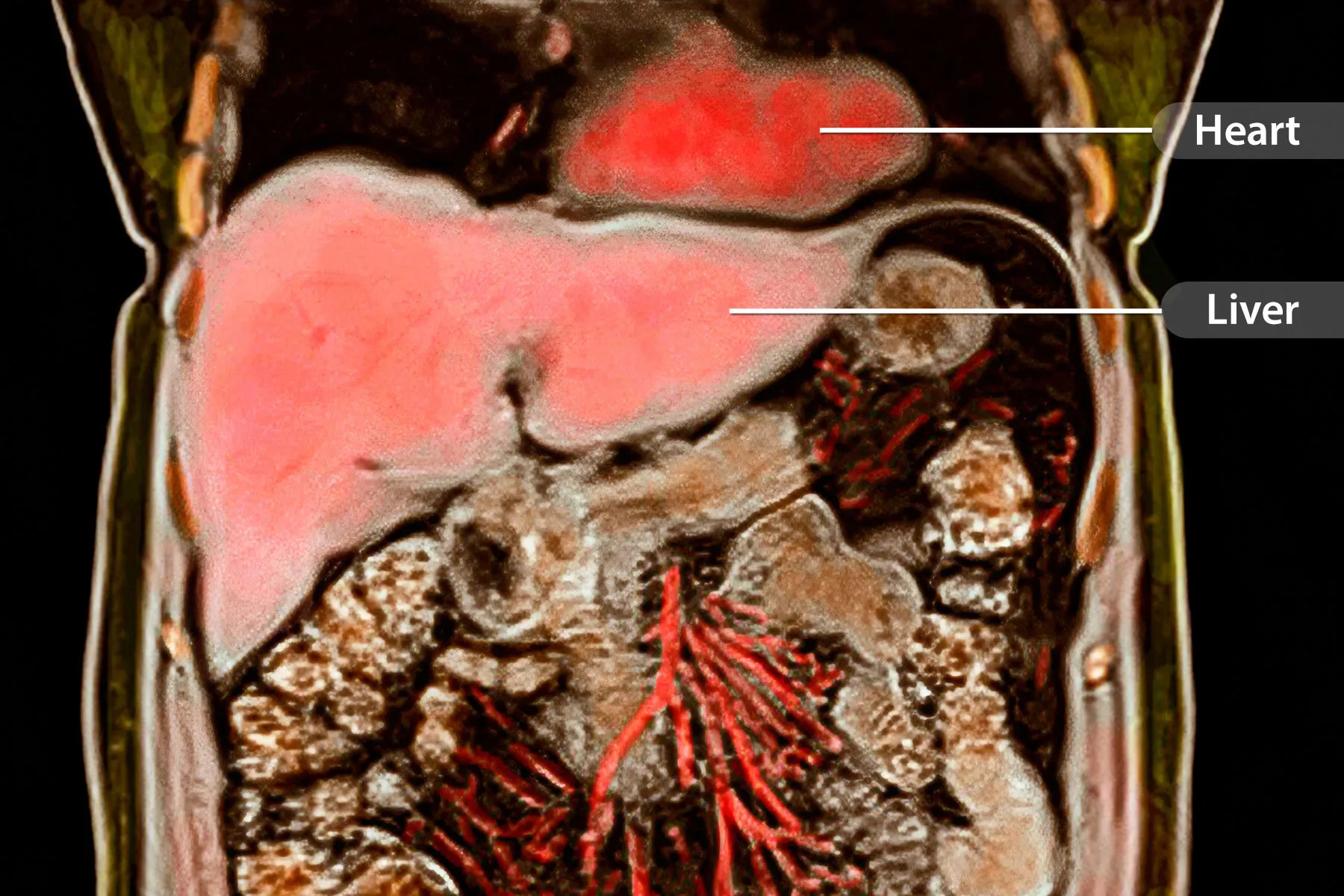
Your liver and your heart may not sit next to each other like chatty neighbors on a front porch, but they are absolutely in each other’s business. When fat starts building up in the liver, it often shows up as part of a much bigger metabolic storyone that can also affect blood vessels, blood sugar, cholesterol, inflammation, and blood pressure. In other words, fatty liver disease is not just a “liver issue.” It can be a flashing dashboard light for heart disease risk too.
That is why this topic matters so much. Many people hear “fatty liver” and imagine a quiet problem that lives politely inside one organ. In reality, fatty liver disease often travels with the same troublemakers that increase the odds of a heart attack, stroke, or heart failure: obesity, insulin resistance, type 2 diabetes, high triglycerides, low HDL cholesterol, high blood pressure, poor sleep, and too little physical activity. The liver is not being dramatic. It is sending up a flare.
If that sounds ominous, take a breath. Fatty liver disease can often improve, especially when it is caught early. And the same habits that help the liver usually help the heart too. That makes this one of those rare health conversations where good advice does double duty. Your body loves efficiency.
What Is Fatty Liver Disease, Exactly?
Fatty liver disease happens when too much fat builds up in the liver. Today, many experts use the term MASLD, which stands for metabolic dysfunction-associated steatotic liver disease. Older articles may use NAFLD, or nonalcoholic fatty liver disease. The newer name reflects what doctors now emphasize more clearly: this condition is strongly connected to metabolism.
MASLD vs. MASH
Not every case of fatty liver disease is equally serious. Some people have simple fat buildup in the liver and little active damage. Others develop inflammation and injury to liver cells. That more aggressive form is called MASH, short for metabolic dysfunction-associated steatohepatitis. MASH can lead to scarring, also called fibrosis. Over time, advanced fibrosis can progress to cirrhosis, liver failure, or liver cancer.
The tricky part is that many people do not feel sick in the early stages. Fatty liver disease is often found during routine blood work, imaging for another reason, or an evaluation for diabetes, weight gain, or high cholesterol. It is a stealthy little overachiever.
Why Heart Disease Enters the Picture
Here is the headline connection: fatty liver disease and heart disease share many of the same root drivers, but the link goes deeper than simple overlap. Researchers and major medical organizations now view fatty liver disease as a marker of broader cardiometabolic dysfunction. In practical terms, if fat is collecting in the liver, the body may also be dealing with problems that damage arteries and strain the heart.
Several biological processes help explain the relationship:
1. Insulin Resistance
Insulin resistance is one of the biggest players in both fatty liver disease and heart disease. When the body stops responding well to insulin, blood sugar control gets messier, and the liver may start turning more calories into fat. At the same time, insulin resistance can worsen inflammation, contribute to abnormal cholesterol levels, and raise cardiovascular risk.
2. Unhealthy Blood Fats
People with fatty liver disease often have high triglycerides, low HDL cholesterol, and other lipid problems. That pattern can encourage plaque buildup in the arteries. Translation: the liver may be fatty while the arteries are quietly becoming less friendly too.
3. Chronic Inflammation
Fatty liver disease is associated with ongoing low-grade inflammation. That inflammation does not always stay neatly inside the liver. It can affect the entire body, including the blood vessels. Over time, chronic inflammation can make atherosclerosis more likely and more dangerous.
4. High Blood Pressure and Vascular Stress
High blood pressure frequently shows up alongside fatty liver disease. That raises the strain on blood vessels and the heart. Add in obesity, poor sleep, and limited physical activity, and the cardiovascular risk picture can become a little too crowded for comfort.
5. Shared Metabolic Syndrome
Fatty liver disease is commonly tied to metabolic syndrome, a cluster of conditions that includes a large waist circumference, elevated blood pressure, high blood sugar, high triglycerides, and low HDL cholesterol. That cluster is a major warning sign for future heart disease and stroke. When fatty liver disease appears in that mix, it often confirms that the metabolic traffic jam is already underway.
Can Fatty Liver Disease Increase the Risk of Heart Problems?
Yes. A growing body of research shows that people with fatty liver disease are more likely to have cardiovascular disease than people without it. That can include coronary artery disease, atherosclerosis, heart failure, arrhythmias, and stroke risk. In many patients with fatty liver disease, heart disease is a more immediate long-term threat than liver failure.
That does not mean everyone with fatty liver disease will develop a heart condition. It does mean the diagnosis should not be brushed off as “just a little liver fat.” It should prompt a broader conversation about blood pressure, cholesterol, A1C, body weight, sleep apnea, exercise habits, smoking, alcohol use, and family history.
The bigger message is simple: if the liver is waving for attention, the heart deserves a check-in too.
Who Is Most at Risk?
Fatty liver disease becomes more likely when a person has one or more of the following:
- Overweight or obesity, especially extra abdominal fat
- Prediabetes or type 2 diabetes
- High triglycerides or low HDL cholesterol
- High blood pressure
- Metabolic syndrome
- Sedentary lifestyle
- Sleep apnea
- A family history of metabolic disease
- Certain dietary patterns heavy in refined carbohydrates, sugary drinks, and excess calories
Some people are surprised to learn they can have fatty liver disease even if they are not obviously overweight. That can happen too. Body composition, genetics, insulin resistance, and visceral fat all matter. A person can look “fine” on the outside while the liver is filing a complaint internally.
Symptoms: Often Quiet, Sometimes Not
Fatty liver disease often causes no symptoms at first. When symptoms do happen, they may be vague, such as:
- Fatigue
- A feeling of fullness or discomfort in the upper right abdomen
- General sluggishness
- Unexplained abnormal liver enzyme tests
More serious symptoms may appear if liver damage becomes advanced. These can include swelling, jaundice, muscle wasting, confusion, easy bruising, or internal bleeding. Those symptoms require prompt medical attention.
But here is the catch: heart disease can also stay quiet for years. That is why the combination is so important. A person may feel mostly normal while both liver and cardiovascular risk are steadily progressing in the background.
How Doctors Evaluate the Liver-Heart Connection
If fatty liver disease is suspected, doctors may use blood tests, imaging, and sometimes noninvasive fibrosis assessments to learn how much fat or scarring is present. In some cases, a liver biopsy is needed, though many patients are evaluated without one.
At the same time, a smart evaluation should look beyond the liver itself. That may include:
- Blood pressure measurement
- Lipid panel
- Fasting glucose or A1C
- Weight, waist size, and BMI review
- Assessment for metabolic syndrome
- Sleep apnea screening when appropriate
- Smoking and alcohol history
- Family history of heart disease and diabetes
In short, the diagnosis should open a whole folder, not just a single sticky note.
What Actually Helps Both the Liver and the Heart?
This is the encouraging part. The most effective strategies for fatty liver disease often help protect the heart at the same time.
Lose Weight, Even Modestly
For people who are overweight or living with obesity, modest weight loss can make a real difference. Even a small reduction in body weight may reduce liver fat. Greater weight loss may improve inflammation and scarring risk. The key is not chasing perfection. The key is steady, sustainable change.
Crash dieting is not the hero of this story. Consistency is.
Choose a Heart-Friendly, Liver-Friendly Eating Pattern
There is no magic detox tea here, and your liver does not need a juice cleanse wearing expensive yoga pants. What helps most is a balanced eating pattern that lowers excess calories and improves metabolic health.
That usually means:
- More vegetables, fruits, beans, nuts, and whole grains
- Lean proteins and fish
- Healthier fats such as olive oil and avocado
- Less added sugar, especially sugary drinks
- Fewer ultra-processed foods
- Smaller portions of refined starches and desserts
- Attention to saturated fat intake
Many clinicians recommend a Mediterranean-style eating pattern because it supports cardiovascular health and may also help reduce liver fat.
Move Your Body Regularly
Exercise helps even if weight loss is slow. That matters because life is busy, and the bathroom scale is occasionally rude. Regular physical activity improves insulin sensitivity, helps lower triglycerides, supports blood pressure control, and can reduce liver fat.
A practical goal for many adults is at least 150 minutes of moderate-intensity activity per week, along with strength training. Walking, cycling, swimming, dancing in the kitchen while pretending not to exerciseit all counts when done consistently.
Control Diabetes, Cholesterol, and Blood Pressure
This part is huge. If you have fatty liver disease, managing the rest of your metabolic health is not optional background work. It is central treatment. Blood sugar control, healthier cholesterol levels, and blood pressure management reduce cardiovascular risk and may also help slow liver disease progression.
That may involve lifestyle changes, medication, or both. Statins, for example, are commonly used to reduce cardiovascular risk and are often appropriate in patients with fatty liver disease when indicated by a clinician.
Rethink Alcohol and Smoking
Smoking raises cardiovascular risk and should be addressed aggressively. Alcohol deserves an honest discussion too. Even if a person’s fatty liver disease is primarily metabolic, alcohol can add stress to the liver and make the overall picture worse.
This is not a morality tale. It is a physiology tale. Organs are annoyingly literal.
Sleep and Stress Matter More Than People Think
Poor sleep, obstructive sleep apnea, and chronic stress can all make cardiometabolic health harder to manage. A person who sleeps badly often struggles more with blood sugar, cravings, blood pressure, and energy for exercise. Treating sleep apnea, improving sleep habits, and lowering chronic stress can support both liver and heart health in surprisingly meaningful ways.
When to See a Doctor
You should talk with a healthcare professional if you have been told you have fatty liver disease, elevated liver enzymes, prediabetes, type 2 diabetes, high cholesterol, or high blood pressure. You should also seek care if you have abdominal discomfort, unusual fatigue, swelling, yellowing of the skin or eyes, or a strong family history of heart disease.
And if you already know you have fatty liver disease, do not stop at asking, “How is my liver?” Also ask:
- What is my cardiovascular risk?
- Should I check my A1C, lipids, and blood pressure more closely?
- Do I need imaging or fibrosis testing?
- Would a dietitian, liver specialist, or cardiologist be helpful?
- What should my weight loss or exercise goal be?
That kind of whole-picture approach is where better outcomes usually begin.
Real-World Experiences Related to Fatty Liver Disease and Heart Disease
The lived experience of this condition is often less dramatic than people expect and more frustrating than they would like. Many people discover fatty liver disease by accident. One common story starts with a routine physical. A person feels mostly okay, maybe a little tired, maybe carrying extra weight after a few stressful years, maybe juggling work, family, takeout, and the noble dream of exercising “next week.” Then blood work comes back with elevated liver enzymes, and an ultrasound shows fat in the liver. Suddenly, a quiet annual checkup turns into a crash course in metabolism.
Another common experience involves type 2 diabetes or prediabetes. Someone goes in because blood sugar is creeping up, or because triglycerides have hit a level that makes the doctor raise one eyebrow in that professional but unmistakable way. During the workup, fatty liver disease appears too. What shocks many patients is learning that the condition is connected not only to the liver, but also to long-term heart risk. That moment can be sobering. It is one thing to hear “your liver has fat.” It is another to hear “this may be a sign your cardiovascular system needs attention too.”
For some people, the emotional response is guilt. They think they caused this single-handedly through every dessert, skipped workout, and drive-thru lunch. That is not a helpful way to frame it. Real life is messy. Metabolism is influenced by genetics, sleep, stress, hormones, medication effects, food environment, and access to care, along with lifestyle habits. Shame usually does not improve liver fat. Better support does.
There are also encouraging stories. Some people begin with small changes: walking after dinner, swapping sugary drinks for water, eating more fiber and protein, reducing late-night snacking, taking blood pressure medicine consistently, and finally addressing sleep apnea. Over several months, lab values improve. Weight comes down. Energy gets better. Follow-up imaging may show less liver fat. Cholesterol and glucose numbers often improve too. It is not flashy. It is not overnight. But it is real progress, and it often starts with ordinary habits done over and over again.
Families feel the effects as well. One diagnosis can change how a household shops, cooks, and thinks about health. A partner may start walking with the patient. Children may notice fewer sugary drinks in the fridge. Meals may shift from convenience-first to balance-first. In that sense, fatty liver disease sometimes becomes a turning pointnot a welcome one, exactly, but a useful one.
The biggest lesson from patient experiences is this: early action matters. People who treat fatty liver disease like a meaningful warning sign, rather than a random footnote, often have a better chance to improve both liver health and heart health before serious complications set in.
Conclusion
Fatty liver disease and heart disease are closely linked because they often grow out of the same metabolic soil. When excess fat builds up in the liver, it can be a sign that insulin resistance, inflammation, abnormal lipids, high blood pressure, or diabetes are already affecting the body more broadly. That is why fatty liver disease should never be dismissed as a harmless side note.
The good news is that this connection also creates an opportunity. The same steps that help reduce liver fatweight loss, healthier eating, regular exercise, better sleep, and treatment of blood sugar, cholesterol, and blood pressurecan also lower cardiovascular risk. That makes early diagnosis incredibly valuable. If your liver is sending a signal, your heart is worth listening for too.













