
There is a special kind of optimism that happens when someone says, “Let’s build it right the first time.” It sounds simple, almost suspiciously simple, until you are standing in a showroom surrounded by flooring samples, siding options, window ratings, stone finishes, lighting trims, plumbing fixtures, and a price sheet that appears to have been written by a caffeinated accountant. That is where expert guidance matters.
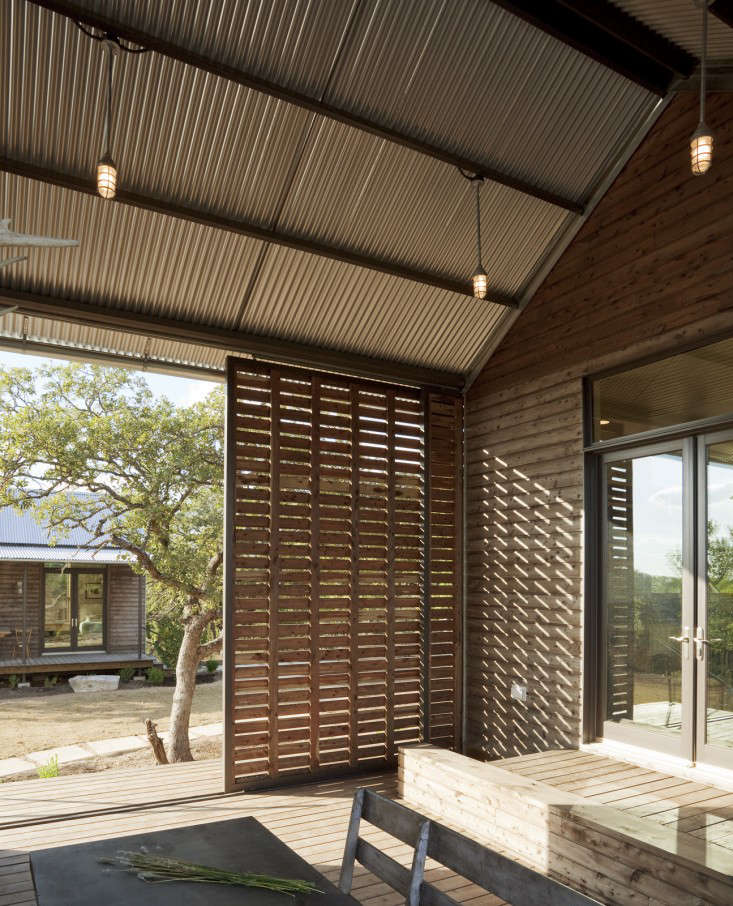
The idea behind American-made building essentials, especially as inspired by the practical, place-aware philosophy associated with Lake|Flato Architects, is not just patriotic shopping with a hard hat. It is about choosing materials that make sense for the climate, the site, the budget, the local craft tradition, and the long life of the building. In other words, a good home should not look as if it was dropped from a catalog by helicopter. It should feel rooted, useful, durable, and comfortable on a Tuesday afternoon when nobody is taking photos.
American-made materials can support shorter supply chains, regional craftsmanship, better product traceability, and easier communication with manufacturers. But the smartest builders know the label alone is not enough. “Made in USA” should be verified, products should meet performance standards, and every selection should earn its spot. A locally quarried stone that cracks in freeze-thaw conditions is not charming; it is future rubble with confidence issues.
This guide explores practical building essentials that combine domestic sourcing, design integrity, and long-term performance. Think of it as a grounded, builder-friendly tour through woods, stone, concrete, metal, windows, insulation, lighting, water-saving fixtures, and finishing details that quietly make a house better.
Why American-Made Building Materials Matter
American-made building products are popular for several reasons: supply reliability, support for domestic manufacturing, regional availability, and the ability to verify specifications more easily. For builders, architects, and homeowners, that can translate into fewer mystery delays and fewer conversations that begin with, “The container is still somewhere near a port.”
Still, the phrase American-made deserves careful handling. In the United States, broad “Made in USA” claims are expected to mean that a product is all or virtually all made domestically. For federally funded infrastructure work, Buy America and Build America rules can also create specific requirements for iron, steel, construction materials, and manufactured products. For a private home project, the practical lesson is straightforward: ask for documentation, not just a sticker.
Questions to Ask Before You Specify
Before choosing any U.S.-made building product, ask where the raw materials come from, where final assembly happens, which standards the product meets, whether replacement parts are available, and how the material performs in your climate zone. That last question is especially important. A product can be beautiful, domestic, and completely wrong for a coastal salt-air porch or a high-desert roofline. Materials do not care about marketing copy; they care about sun, water, wind, temperature, and maintenance.
The Lake-Inspired Rule: Build From the Place Outward
The best American-made building essentials are not chosen in isolation. Lake|Flato’s design reputation is strongly tied to buildings that respond to climate, landscape, regional traditions, and natural materials. That is the bigger lesson: start with the site.
Before picking siding or stone, observe the sun path, prevailing breezes, views, drainage patterns, shade, soil conditions, and nearby materials. In Texas Hill Country, limestone and cedar may feel natural. In New England, granite, white oak, and standing-seam metal may make more sense. In the Pacific Northwest, cedar, fir, and deep roof overhangs can be both practical and poetic. Good design is not about forcing one aesthetic everywhere. It is about letting the place speak first, then editing politely.
Domestic Wood: Warm, Versatile, and Surprisingly Smart
Wood is one of the most emotionally powerful building materials. People touch it, lean against it, notice its grain, and forgive its imperfections. American domestic woods such as oak, maple, ash, walnut, cedar, cypress, poplar, pine, and Douglas fir can be used for siding, ceilings, flooring, cabinetry, trim, beams, screens, and furniture-like built-ins.
The key is to match species and finish to the application. For exterior siding, naturally durable or properly treated woods need thoughtful detailing: rain screens, flashing, ventilation gaps, and protective overhangs. For interior ceilings and walls, plywood and veneer panels can be economical and visually rich when carefully laid out. Plywood, once treated as the shy backstage helper of construction, can become a finished surface with a modern, honest look.
Best Uses for American Wood
Use cedar or cypress for protected exterior areas, porch ceilings, screens, and siding details. Use oak, maple, or walnut for floors, stairs, cabinetry, and durable interior surfaces. Use plywood for clean-lined walls and ceilings where the grain pattern adds warmth without visual clutter. For high-performance projects, ask about responsibly sourced lumber, engineered wood, and environmental product data when available.
The expert move is to design wood so it can dry. Wood is not fragile when respected, but it becomes cranky when trapped. Give it air, drainage, proper sealing, and realistic maintenance, and it can age with the kind of grace most of us are still trying to achieve before breakfast.
Locally Quarried Stone: Heavy, Honest, and Hard to Fake
Natural stone is one of the clearest ways to connect a building to its region. Limestone, granite, sandstone, slate, and fieldstone each carry geological character that manufactured materials often try to imitate but rarely capture. Locally quarried stone can reduce long-distance shipping and support regional trades, especially where masonry traditions are strong.
Stone is excellent for exterior walls, landscape transitions, fireplaces, floors, shower surrounds, and entry zones. In hot climates, stone floors can feel cool and grounded. In rustic-modern homes, dry-stacked or roughback stone creates texture without needing decorative theatrics. The wall simply shows up, looks serious, and gets on with the job.
How to Choose Stone Wisely
Ask whether the stone is suitable for freeze-thaw conditions, wet areas, heavy foot traffic, or exterior exposure. Confirm finish options, sealing needs, slip resistance, and installation requirements. A honed limestone shower can be beautiful, but it needs the right detailing and maintenance expectations. A granite entry floor may be nearly heroic, but polish it too much and you may accidentally create an indoor skating rink.
Concrete: Durable, Modern, and Better When Imperfect
Concrete is often misunderstood as cold or purely industrial, but in the right hands it becomes one of the most flexible building essentials. It can be structural, finished, polished, poured, formed, stained, honed, or cast into counters and sinks. Cement binds aggregates into a durable mass, while the aggregate itself can reveal regional character when exposed through polishing.
Polished concrete floors are especially useful in warm climates, modern homes, workshops, mudrooms, and high-traffic living areas. They are durable, easy to clean, and visually calm. Concrete countertops and sinks can be beautiful too, provided everyone understands that small variations, hairline marks, and patina are part of the deal. Concrete is not plastic pretending to be perfect. It is stone-like, hardworking, and occasionally moody.
Where Concrete Shines
Use concrete for slabs, floors, patios, countertops, fireplace surrounds, landscape steps, and utility zones. For sustainability-minded projects, discuss mix design, supplementary cementitious materials, local aggregates, curing methods, and finish options with the contractor. A good concrete result depends less on wishful thinking and more on planning, timing, and a crew that knows when not to overwork the surface.
American Steel, Cable Rails, and Metal Details
Metal details can make a home feel crisp, durable, and precise. Stainless steel cable rails, steel guardrails, metal stair components, brackets, rain chains, and standing-seam roofing all have a place in American residential design. Cable rails are especially useful where safety is required but views matter. They visually disappear from a distance, which is exactly what a railing should do when the landscape is the star.
For exterior metals, corrosion resistance matters. Coastal homes need hardware and fasteners that can handle salt air. Mountain homes need materials that tolerate snow, ice, and thermal movement. Desert homes need finishes that survive intense UV exposure. The wrong screw can make the right material fail, which is the construction version of losing a marathon because your shoelace had other plans.
Rain Chains and Drainage Details
Rain chains offer a simple, beautiful alternative to conventional downspouts when used correctly. They guide roof runoff into catch basins, gravel beds, rain gardens, or cistern systems. They also make water movement visible, turning drainage from an afterthought into a small daily performance. The practical warning: size the roof drainage correctly and make sure water is directed away from foundations. Charming water features are less charming in the crawl space.
Windows, Doors, and the Building Envelope
A beautiful house with weak windows and sloppy air sealing is basically a very expensive tent. The building envelopewalls, roof, foundation, windows, and doorscontrols comfort, energy use, moisture, and durability. Energy-efficient windows, doors, and skylights are independently certified under programs such as ENERGY STAR, and the right product should be selected for the climate zone.
Large windows can frame views and bring in daylight, but they must be balanced with solar control, glazing performance, overhangs, shades, and orientation. South-facing glass in a cold climate can help with passive solar gain. West-facing glass in a hot climate can turn a living room into a toaster with throw pillows.
Air Sealing and Insulation Essentials
Insulation slows heat flow, but air sealing stops uncontrolled drafts. Both are necessary. Caulking, weatherstripping, sealed penetrations, attic insulation, and properly detailed wall assemblies can improve comfort and reduce heating and cooling loads. The best time to think about air sealing is before drywall, not after the homeowner says, “Why does the nursery feel like a wind tunnel?”
Low-VOC Finishes and Healthier Interiors
Indoor air quality should be part of every building conversation. Building materials, adhesives, pressed-wood products, paints, coatings, and household products can contribute to indoor pollutants such as formaldehyde and other volatile organic compounds. That does not mean every home needs to become a laboratory. It means product selection should include emissions, ventilation, and certification questions.
Choose low-VOC paints, compliant composite wood products, properly ventilated cabinetry, and finishes that match the room’s moisture conditions. In bedrooms and nurseries, be especially careful with new pressed-wood furniture, adhesives, and finishes. In kitchens and baths, combine durable surfaces with exhaust ventilation. A healthy interior is not only about what you add; it is also about what you allow to leave.
Water-Smart Plumbing and Fixtures
American-made building essentials are not limited to what you can see from the curb. Plumbing fixtures matter every day. Water-efficient faucets, showerheads, toilets, irrigation controllers, and accessories can reduce water waste while maintaining performance when selected well. EPA WaterSense-labeled products are tested for both efficiency and performance, which is useful because nobody wants a showerhead that saves water by gently misting you with regret.
For remodels, water-saving fixtures are among the simplest upgrades. In new builds, pair efficient fixtures with smart plumbing layouts, hot-water recirculation where appropriate, leak detection, and landscape design that respects local rainfall patterns.
Lighting: Simple Fixtures, Better Placement
Lighting is one of the most affordable ways to make a building feel intentional. Lake-inspired practical design often favors simple, durable fixtures rather than decorative acrobatics. Jelly-jar lights, industrial sconces, understated pendants, and exterior-rated utility fixtures can look timeless when placed with care.
The secret is not the fixture alone. It is the lighting plan. Use layers: ambient lighting for general illumination, task lighting for work zones, accent lighting for texture, and exterior lighting for safety. Avoid turning the ceiling into an airport runway. More fixtures do not automatically mean better light; they often mean more glare and more switches for guests to panic over.
Ceiling Fans, Shades, and Passive Comfort
Comfort does not always require more mechanical equipment. Large ceiling fans, operable windows, deep porches, screened openings, roller shades, and exterior shading can all reduce reliance on heating and cooling systems. In warm climates, fans create air movement that makes outdoor rooms and porches more usable. In glassy homes, motorized roller shades can manage glare and heat gain while preserving clean lines.
The smartest homes treat comfort as a system. Orientation, insulation, air sealing, ventilation, shading, fans, windows, and mechanical equipment all work together. When they do, the house feels calm. When they do not, the thermostat becomes a family argument with buttons.
Fireplace Screens, Hardware, and Small Details That Matter
Small details often separate a thoughtful building from a merely expensive one. Fireplace screens, door hardware, cabinet pulls, hinges, drains, grilles, vents, hooks, rails, and thresholds are touched constantly. They should feel good, work smoothly, age well, and be replaceable.
American manufacturers often excel in these categories because they understand domestic building dimensions, code expectations, and replacement-part realities. When possible, choose hardware with clear specifications, durable finishes, and accessible service support. A beautiful custom door pull loses some glamour when nobody can find a matching screw three years later.
How to Build a Practical American-Made Materials List
Start with the big-ticket, high-impact categories: structure, envelope, roofing, windows, insulation, exterior cladding, flooring, plumbing fixtures, and major hardware. Then move to visible finish materials such as stone, wood ceilings, lighting, rails, shades, and fireplace accessories.
Create a spreadsheet with columns for product name, manufacturer, origin claim, supporting documentation, performance rating, warranty, lead time, maintenance needs, installer notes, and backup option. This may sound unromantic, but so does paying rush freight because a hand-selected product is unavailable until the next geological era.
Balance Beauty, Budget, and Maintenance
The best material is not always the most expensive. A humble domestic plywood ceiling can be more beautiful than a costly imported panel if the layout, grain, and finish are handled well. A locally sourced stone floor may outperform a trendy tile because it belongs to the climate and the craft base. A simple American-made light fixture can look better than a luxury fixture that is trying too hard to be noticed.
Common Mistakes to Avoid
First, do not assume “American-made” automatically means sustainable, code-compliant, or high-performance. Verify. Second, do not choose materials without considering climate. Third, do not ignore installation quality. A premium window installed poorly is just an expensive leak with glass.
Fourth, do not forget maintenance. Natural wood, stone, concrete, and metal all age differently. Some develop patina; others require sealing, cleaning, refinishing, or occasional adjustment. Finally, do not treat sourcing as a last-minute decision. American-made products can still have lead times, especially if they are custom, regional, or made in smaller batches.
Experience Notes: What American-Made Building Essentials Teach You on Real Projects
After watching enough building and remodeling projects unfold, one lesson becomes obvious: materials are never just materials. They are decisions with consequences. A cedar ceiling is not simply a cedar ceiling; it affects acoustics, warmth, lighting, installation sequencing, finish schedules, and how the room feels when the afternoon sun slides across it. A stone wall is not simply stone; it affects foundation planning, mason availability, flashing details, drainage, and whether the house feels like it belongs where it stands.
One of the best experiences with American-made building essentials is the moment local craft enters the project. A homeowner might begin with a mood board full of polished inspiration images, but then a local mason explains how regional limestone behaves, or a millworker shows a stack of white oak boards with grain that looks better than the original imported sample. Suddenly the project becomes more specific. It stops chasing a generic “dream home” and starts becoming this home, on this site, for this family.
Another experience is learning that durability often looks quiet. The most important choices may not be the flashiest. Proper flashing behind wood siding will never trend on social media, but it can save the wall. A correctly sloped sill, a ventilated rain screen, corrosion-resistant fasteners, a well-sealed attic hatch, or a properly sized exhaust fan may not receive compliments at dinner parties, but they are the details that keep the building comfortable and dry. In construction, the unglamorous details are usually the ones paying the mortgage.
There is also a practical satisfaction in being able to call a manufacturer or supplier in the same country and get a useful answer. When a cabinet hinge, shade bracket, rail fitting, or plumbing part needs clarification, domestic support can make troubleshooting less dramatic. This does not mean every American-made product is automatically easy to source, but shorter communication chains often reduce confusion. And in a project where one delayed item can hold up five trades, clarity is not a luxury. It is oxygen.
The biggest surprise for many homeowners is that American-made does not require one style. It can look rustic, modern, coastal, industrial, farmhouse, desert-minimal, mountain contemporary, or quietly traditional. Domestic wood can feel warm and refined. Concrete can look soft and elegant. Local stone can be rugged or tailored. Steel rails can feel almost invisible. Simple jelly-jar lights can look charming in a pool house, mudroom, porch, or utility corridor. The point is not to decorate with a flag. The point is to build with intelligence.
Good projects also teach restraint. It is tempting to use every beautiful material at once, like a buffet plate assembled by someone who skipped lunch. But the strongest homes usually edit carefully. Pick a few honest materials and let them repeat. Wood ceiling here, stone base there, concrete floor underfoot, simple metal rail at the stair, efficient windows framing the view, and quiet lighting that supports the architecture instead of shouting over it. Repetition creates calm. Calm makes a home feel expensive even when the budget has been watched carefully.
Finally, the experience of choosing American-made essentials reminds everyone that buildings age. The goal is not perfection on installation day. The goal is a house that becomes better, more useful, and more loved over time. Materials should be repairable, understandable, and appropriate. A home built this way has less need for gimmicks. It earns trust slowly: in a rainstorm, during a heat wave, on a cold morning, at a family gathering, and in all the ordinary hours when architecture is not being admired but simply lived in.
Conclusion: Build Local, Think Long-Term, Choose Honestly
American-made building essentials are at their best when they combine verified sourcing, regional intelligence, strong performance, and design restraint. The Lake-inspired lesson is not to buy domestic products just for the label. It is to choose materials that strengthen the connection between building and place.
Domestic woods, locally quarried stone, concrete, steel details, efficient windows, strong insulation, low-VOC finishes, water-smart fixtures, simple lighting, fans, shades, and durable hardware all contribute to a home that feels grounded and performs well. The result is not merely a prettier building. It is a more sensible one.
Note: Before publishing or specifying products, verify current manufacturer documentation, origin claims, building-code requirements, climate suitability, installation instructions, and warranty details.











