
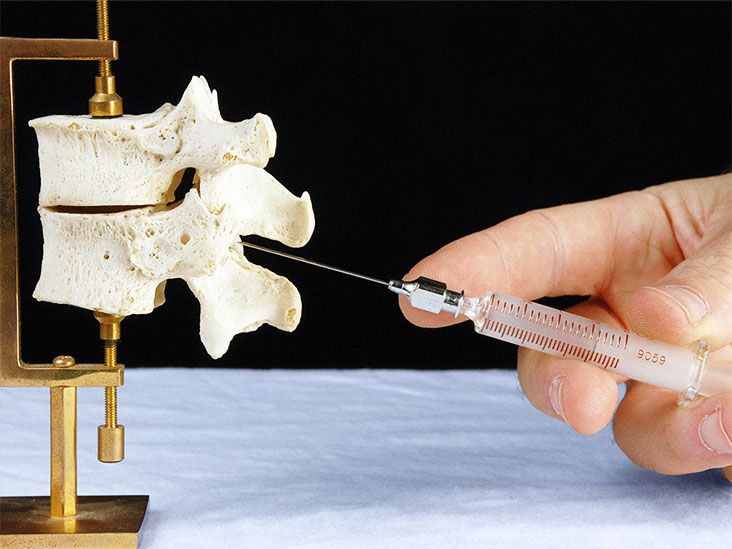
If back pain had a personality, it would be the annoying neighbor who starts mowing the lawn at 6 a.m. It shows up uninvited, steals your focus, ruins your sleep, and sometimes sends pain shooting down your arm or leg like an electrical prank. For many people dealing with nerve-related spine pain, an epidural steroid injection may be one treatment option doctors consider when rest, medications, and physical therapy have not done enough.
An epidural steroid injection, often shortened to ESI, is a minimally invasive procedure that delivers anti-inflammatory medicine into the epidural space around irritated spinal nerves. The goal is not to “fix” a herniated disc, rebuild a worn joint, or magically install a brand-new spine. The goal is more practical: reduce inflammation, calm nerve irritation, improve function, and create a window of relief so a person can move, rehab, sleep, and live more normally.
This guide explains what epidural steroid injections are, how they work, who may benefit, what results to expect, what risks to know, and what real-life recovery can feel like. No medical article should replace a conversation with your clinician, but it can help you walk into that appointment with better questions and fewer mystery clouds floating over your head.
What Is an Epidural Steroid Injection?
An epidural steroid injection is a procedure in which a healthcare professional injects a corticosteroid medication, usually with a local anesthetic, into the epidural space of the spine. The epidural space is the area outside the protective covering of the spinal cord and nerve roots. It contains fat, blood vessels, and nerves that branch out from the spine toward the arms, chest, hips, and legs.
The word “epidural” may sound familiar because epidurals are commonly used for childbirth pain relief and some surgeries. However, an epidural steroid injection for back or neck pain is different. Instead of continuously delivering anesthetic through a catheter, an ESI usually involves a single targeted injection designed to reduce inflammation around a painful nerve root.
What conditions can it treat?
Epidural steroid injections are most often used for pain caused by nerve irritation or compression. Common examples include:
- Herniated disc: A disc pushes outward and irritates a nearby nerve.
- Sciatica: Pain travels from the lower back into the buttock, thigh, calf, or foot.
- Lumbar radiculopathy: A pinched or inflamed nerve in the lower back causes leg symptoms.
- Cervical radiculopathy: A nerve in the neck causes pain, numbness, or tingling into the shoulder, arm, or hand.
- Spinal stenosis: Narrowing in the spinal canal puts pressure on nerves.
- Bone spurs or arthritis-related narrowing: Extra bone growth or joint changes irritate spinal nerves.
ESIs tend to work best for radiating nerve pain, not general muscle soreness. If your back hurts because you lifted a couch like a superhero and your muscles are now filing a complaint, an epidural steroid injection may not be the first answer.
How Epidural Steroid Injections Work
Corticosteroids are strong anti-inflammatory medicines. When injected near irritated spinal nerves, they may reduce swelling and chemical inflammation. Less inflammation can mean less nerve pressure, less pain signaling, and better movement.
Think of the irritated nerve as a smoke alarm that will not stop screaming. The steroid does not remove the whole kitchen, but it may reduce the smoke enough for the alarm to quiet down. That quieter period can allow physical therapy, stretching, walking, posture changes, and strengthening work to become more tolerable.
The three common approaches
Doctors may use different approaches depending on the location and pattern of pain:
- Interlaminar epidural injection: The medication is placed through the back of the spine into the epidural space. It can spread over a broader area.
- Transforaminal epidural injection: The medication is delivered near the specific nerve root as it exits the spine. This approach is often used for one-sided radiating pain.
- Caudal epidural injection: The injection is placed through an opening near the tailbone. It may be used for lower spine symptoms or after certain back surgeries.
Many clinicians use imaging guidance, such as fluoroscopy, a real-time X-ray, and sometimes contrast dye to help confirm accurate needle placement. That matters because the spine is not the place for “close enough” energy.
Benefits of Epidural Steroid Injection
The biggest potential benefit of an epidural steroid injection is pain relief. For some people, relief is mild and brief. For others, it is meaningful enough to return to work, sleep through the night, drive comfortably, walk farther, or participate in physical therapy.
1. Reduced nerve inflammation
The steroid medication targets inflammation near the affected nerve. When inflammation decreases, radiating pain, burning, tingling, or numbness may improve.
2. Better function
Pain is not just a number on a scale. It affects how you move, sit, stand, sleep, exercise, and enjoy normal life. Even temporary improvement can be valuable if it helps you rebuild strength or avoid becoming inactive.
3. Possible delay or avoidance of surgery
Some patients use epidural steroid injections as part of a non-surgical plan. An injection may reduce symptoms while the body heals or while the patient works through rehabilitation. However, ESIs do not guarantee that surgery will be avoided, especially if there is progressive weakness, severe stenosis, or major structural compression.
4. Diagnostic value
Sometimes an epidural injection helps confirm which nerve is causing pain. If symptoms improve after medication is delivered to a specific area, that response may help the medical team understand the pain source more clearly.
5. Faster participation in therapy
Physical therapy is often hard to do when every movement feels like a tiny lightning storm. Pain relief from an ESI may make stretching, walking, core strengthening, and posture training more realistic.
What Results Can You Expect?
Results vary widely. Some people feel relief within a few days. Others need one to two weeks before noticing the steroid’s full effect. A local anesthetic may provide short-term numbness or relief for several hours, but that can wear off before the steroid begins working.
In many cases, relief lasts from several weeks to a few months. Some people get longer benefit, while others feel little or no improvement. The most honest answer is not “this will definitely work.” It is “this may help, especially if your pain pattern matches nerve inflammation.”
Good candidates often have:
- Pain that travels into an arm or leg
- Imaging findings that match symptoms
- Signs of nerve irritation from a herniated disc or stenosis
- Pain that has not improved enough with conservative care
- A clear treatment plan beyond the injection itself
Less predictable results may occur when:
- Pain is mostly muscular or mechanical
- Symptoms do not match imaging findings
- Pain has been present for a very long time
- There is severe nerve compression
- There are multiple pain generators at once
An epidural steroid injection is not usually a stand-alone cure. It works best when paired with a broader plan: physical therapy, weight management if needed, anti-inflammatory strategies, ergonomic changes, better lifting habits, and realistic activity pacing. In other words, the injection may open the door, but you still have to walk through itpreferably without twisting while carrying a laundry basket full of regret.
What Happens During the Procedure?
An ESI is usually performed as an outpatient procedure, meaning most people go home the same day. The appointment may take longer than the injection itself because of check-in, consent, positioning, cleaning, imaging setup, and recovery monitoring.
Before the injection
Your clinician will review your symptoms, medical history, medications, allergies, imaging results, and previous treatments. You may be asked about blood thinners, diabetes, infection, pregnancy, contrast dye allergy, or prior reactions to steroids or anesthetics.
Some people are told to stop certain medications before the procedure, especially blood-thinning medicines. Never stop prescribed medication on your own. Your doctor should coordinate this safely, especially if you take anticoagulants for heart, stroke, or clotting risks.
During the injection
You will usually lie on your stomach or side. The skin is cleaned carefully, and a local anesthetic numbs the area. The doctor then guides the needle toward the epidural space. Imaging may be used to verify the location. Once placement is confirmed, the medication is injected.
You may feel pressure, brief discomfort, or a reproduction of your usual pain for a few seconds. That does not sound fun, because it is not exactly a spa treatment, but most people tolerate the procedure well.
After the injection
You may be monitored for a short time before going home. Many clinics recommend avoiding driving the same day, especially if sedating medication was used. Mild soreness at the injection site is common. Some people feel temporarily better right away; others feel sore for a day or two before improvement begins.
Risks and Side Effects
Like any medical procedure, epidural steroid injections have risks. Most side effects are temporary, but rare serious complications can occur. A good clinician should explain both the common and uncommon risks before you consent.
Common or temporary side effects
- Soreness at the injection site
- Temporary increase in pain
- Headache
- Facial flushing
- Sleep disturbance or restlessness
- Mild nausea
- Temporary numbness or weakness
- Temporary rise in blood sugar, especially in people with diabetes
Less common but important risks
- Bleeding
- Infection
- Allergic reaction
- Dural puncture, which can cause a spinal headache
- Nerve injury
- Epidural hematoma
- Worsening neurologic symptoms
Rare but serious neurologic events have been reported after epidural corticosteroid injections, including stroke, paralysis, vision loss, spinal cord injury, and death. These outcomes are uncommon, but they are serious enough that patients should understand the risk and ask what safety steps are used, such as image guidance, careful medication selection, sterile technique, and appropriate screening.
Who should be extra cautious?
An epidural steroid injection may not be appropriate, or may need special planning, for people with active infection, uncontrolled diabetes, bleeding disorders, certain medication risks, severe allergy to contrast or medications used, pregnancy considerations, or rapidly worsening neurologic symptoms.
Call your healthcare provider promptly after an injection if you develop fever, severe headache that improves when lying down, increasing weakness, loss of bladder or bowel control, severe new numbness, chest pain, shortness of breath, or worsening severe pain.
How Many Epidural Steroid Injections Can You Have?
There is no universal number that fits every person. Many clinicians limit the number of steroid injections within a year to reduce steroid exposure and procedural risk. The decision depends on your diagnosis, response to prior injections, other health conditions, and whether the injection is improving functionnot just briefly lowering pain.
If an injection gives no meaningful relief, repeating the same procedure again and again may not make sense. If it provides strong relief and helps you progress in rehabilitation, your clinician may discuss whether another injection is reasonable if symptoms return.
Epidural Steroid Injection vs. Other Treatments
An ESI is one tool in the spine-care toolbox. It may be used alongside other treatments, not necessarily instead of them.
Physical therapy
Physical therapy can help improve mobility, strength, posture, and movement patterns. For many people, therapy is the long game. The injection may reduce pain enough to make therapy possible.
Medications
Doctors may recommend anti-inflammatory drugs, nerve pain medications, muscle relaxants, or short-term pain relievers depending on the condition. Medication choices should be individualized, especially for people with kidney disease, stomach ulcers, heart disease, or medication interactions.
Lifestyle and ergonomic changes
Weight management, walking, better workstation setup, smoking cessation, safer lifting habits, and regular strengthening can all influence spine symptoms. None of these sound as dramatic as an injection, but boring consistency often wins medical marathons.
Surgery
Surgery may be considered when pain is severe and persistent, when function remains limited despite non-surgical care, or when there are concerning neurologic changes. Red flags such as progressive weakness or loss of bowel or bladder control require urgent medical attention.
Questions to Ask Your Doctor Before an ESI
- What diagnosis is causing my pain?
- Does my MRI or imaging match my symptoms?
- Which injection approach do you recommend and why?
- What medication will be injected?
- Will imaging guidance be used?
- What results should I realistically expect?
- How will we measure success: pain score, walking distance, sleep, work, or therapy progress?
- What are my personal risk factors?
- What should I do if the injection does not help?
- What is the next step if symptoms return?
Patient Experience: What It May Feel Like Before, During, and After
Many people arrive for an epidural steroid injection with mixed emotions. On one hand, they want relief badly. On the other, the phrase “needle near the spine” does not exactly inspire confetti. That anxiety is normal. Most patients are not scared because they are dramatic; they are scared because they have a functioning imagination.
Before the appointment, the biggest challenge is often uncertainty. Patients may wonder whether the procedure will hurt, whether they will be awake, whether they can walk afterward, and whether the injection will actually help. A helpful clinic team will explain the steps, review medications, answer questions, and make sure the patient understands consent. People who feel informed usually feel calmer, even if they are still not thrilled about the needle portion of today’s programming.
During the procedure, the experience is usually quicker than expected. The cleaning solution may feel cold. The numbing shot may sting or burn briefly. After that, pressure is more common than sharp pain. Some patients feel a zing down the leg or arm if the irritated nerve is contacted or medication spreads near it. That sensation can be surprising, but it is often brief. Communication matters: patients should tell the medical team if pain is severe, unusual, or concerning.
Immediately afterward, people often expect a dramatic movie-style moment where they leap off the table and announce, “I am cured!” Real life is usually less cinematic. Some feel temporary relief because of the local anesthetic. Others feel the same or slightly sore. It can take several days for the steroid to begin reducing inflammation. The first 24 to 48 hours may include injection-site soreness, mild stiffness, or a temporary pain flare. Ice packs, rest, and following discharge instructions usually help.
The most meaningful results often show up in daily activities. A patient might notice they can sit through dinner without shifting every thirty seconds. Another may realize they walked to the mailbox without the usual leg pain. Someone else may sleep five hours straight for the first time in weeks and feel like they have won a small but glorious Olympic medal. These functional improvements are worth tracking because they tell a better story than pain scores alone.
However, not every patient gets relief. That can feel discouraging, especially after building hope around the procedure. A “failed” injection does not mean the pain is imaginary or that nothing can help. It may mean the pain source is different, the nerve compression is too severe, the medication did not reach the ideal target, or another treatment path is needed. Follow-up is important so the care plan can be adjusted instead of leaving the patient stuck in medical limbo.
For people who do improve, the best use of the relief window is active recovery. That does not mean running a marathon or reorganizing the garage because the back suddenly feels polite. It means gradually returning to movement, attending physical therapy, walking as advised, strengthening safely, and avoiding the old habits that may have contributed to the problem. Pain relief is precious; spending it wisely matters.
The emotional side is real too. Chronic nerve pain can make people irritable, tired, worried, and socially withdrawn. When pain decreases, mood and confidence may improve. Patients often describe feeling like they finally have room to think again. That psychological relief is not “just in your head.” Pain affects the whole person, and improvement can ripple through sleep, relationships, work, and motivation.
A smart patient experience also includes knowing when to ask for help. Severe headache, fever, new weakness, bladder or bowel problems, or worsening numbness should never be ignored. Most post-injection soreness is harmless, but red flags deserve urgent medical attention.
In the end, an epidural steroid injection is neither a miracle cure nor a villain. It is a medical option with potential benefits, real limits, and important risks. For the right patient, at the right time, with the right technique and follow-up plan, it can be a useful bridge from pain toward function. And when your spine has been acting like a grumpy old door hinge, even a temporary bridge can be a very welcome thing.
Conclusion
An epidural steroid injection may help reduce radiating neck, back, arm, or leg pain caused by irritated spinal nerves. It is most often considered for conditions such as herniated discs, sciatica, spinal stenosis, and radiculopathy. The main benefit is reduced inflammation, which may lead to less pain and better function. Results vary: some people feel significant relief for weeks or months, while others get little benefit.
The procedure is generally outpatient and commonly performed with imaging guidance, but it is not risk-free. Temporary soreness, headache, flushing, insomnia, and blood sugar changes can happen. Rare serious complications, including infection, bleeding, nerve injury, and neurologic events, are also possible. The best decision comes from matching the treatment to the diagnosis, understanding personal risk factors, and using any pain relief as a chance to move forward with rehabilitation and healthier spine habits.
Note: This article is for general educational purposes only and should not replace medical advice, diagnosis, or treatment from a licensed healthcare professional.











