
Ehrlichiosis is one of those illnesses that sounds obscure until it crashes into real life with a fever, pounding headache, and the sneaky realization that the “tiny bug bite” from last weekend’s hike may not have been so tiny after all. It is a tick-borne bacterial infection, and while it often begins with vague, flu-like symptoms, it can become serious if treatment is delayed. The good news is that early care works remarkably well, and prevention is refreshingly practical: avoid tick bites, check your body, and act quickly when symptoms show up.
This guide explains what ehrlichiosis is, the most common symptoms, how doctors diagnose it, what treatment usually looks like, and how to reduce your risk without dressing like you are entering a moon mission. Although the disease can be alarming, understanding it makes it a lot less mysterious.
What Is Ehrlichiosis?
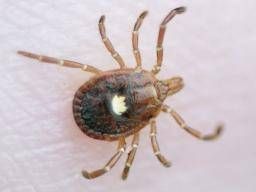
Ehrlichiosis is a bacterial illness spread through the bite of an infected tick. In the United States, the infection is most commonly linked to Ehrlichia chaffeensis and Ehrlichia ewingii, which are often carried by the lone star tick. A less common form, caused by Ehrlichia muris eauclairensis, has been reported mainly in the Upper Midwest. In everyday terms, this means a person can spend time outdoors, get bitten by a tick they never even notice, and then develop symptoms days later that look suspiciously like a brutal summer flu.
That is part of what makes ehrlichiosis tricky. It does not usually announce itself with a flashing neon sign. Many people do not remember being bitten at all. Ticks are tiny, efficient, and frankly a little too confident for creatures with eight legs and no shame.
Where It Shows Up Most Often
Ehrlichiosis tends to be reported more often in the south-central and eastern United States, where lone star ticks are common. Cases often rise in warmer months, especially when people are gardening, hiking, camping, hunting, working outdoors, or simply spending more time in grassy, brushy, or wooded areas. Backyards count too. Ticks are not impressed by your property line.
Ehrlichiosis Symptoms: What to Watch For
Symptoms of ehrlichiosis usually appear within about one to two weeks after the bite of an infected tick. In some people, symptoms begin as early as five days after exposure. Early illness can feel very general, which is why people often mistake it for a viral infection, dehydration, or just a terrible week.
Common Early Symptoms
- Fever
- Chills
- Headache
- Muscle aches
- Fatigue or malaise
- Nausea or vomiting
- Loss of appetite
- Stomach pain
- Sometimes cough or confusion
One detail people often get wrong is the rash question. Yes, a rash can happen with ehrlichiosis, but it is not present in every case. It is more common in children than adults. So if you are waiting around for a dramatic rash to confirm your suspicions, that plan may be about as reliable as asking a tick for a character reference.
Signs the Illness May Be Getting Serious
If treatment is delayed, ehrlichiosis can progress from miserable to dangerous. Severe symptoms may include confusion, trouble breathing, bleeding problems, organ dysfunction, or signs of nervous system involvement. In rare cases, untreated infection can become life-threatening. Older adults, people with weakened immune systems, and anyone whose diagnosis is delayed may face a higher risk of severe illness, though serious cases can still occur in otherwise healthy people.
Why Symptoms Are Easy to Miss
Ehrlichiosis does not come with a custom soundtrack or a personalized warning email. It overlaps with many common conditions, including influenza, COVID-like viral syndromes, stomach bugs, and other tick-borne diseases. That is why context matters. If fever, headache, and body aches appear after recent outdoor exposure in tick territory, ehrlichiosis should be on the table.
How Ehrlichiosis Is Diagnosed
Doctors diagnose ehrlichiosis by looking at the full picture: symptoms, possible tick exposure, physical exam findings, and blood test results. A known tick bite can help, but it is not required. In fact, many patients never see the tick that bit them.
Tests That May Be Used
- Complete blood count
- Blood chemistry or liver enzyme testing
- Polymerase chain reaction (PCR) testing
- Antibody testing
- In some cases, blood smear or other specialized lab methods
Doctors may notice patterns such as low white blood cells, low platelets, or elevated liver enzymes. These findings do not prove ehrlichiosis by themselves, but they can support suspicion. The catch is that confirmatory tests may take time or may not be positive very early in the illness. That is why clinicians often start treatment based on suspicion rather than waiting for the lab to deliver a dramatic reveal.
And that approach makes sense. When an infection can worsen quickly, “let’s wait and see” is not always the heroic strategy it sounds like.
Treatment for Ehrlichiosis
The standard treatment for ehrlichiosis is doxycycline. It is the recommended first-line antibiotic for adults and children of all ages when ehrlichiosis is suspected. Early treatment matters because it reduces the risk of severe complications and can speed recovery. In many cases, people begin to feel better within a couple of days after starting the right antibiotic.
Why Doctors Treat Early
One of the most important things to know about ehrlichiosis treatment is that doctors do not necessarily wait for final lab confirmation before prescribing doxycycline. If the symptoms and exposure history fit, treatment is often started right away. That is not medical overreaction. That is smart, evidence-based timing.
How Long Treatment Usually Lasts
The duration of treatment varies depending on the patient’s condition and how quickly they improve, but doxycycline is commonly continued for at least several days and typically until the person has been fever-free and is clearly improving. More serious cases may require a longer course and supportive hospital care.
What Recovery Feels Like
Recovery can be surprisingly quick when treatment starts early. Fever often improves first, followed by headache and body aches. Fatigue may linger a little longer, because apparently the human body likes to make a point. Patients with delayed treatment or severe disease may need more time to regain energy and full strength.
When to Seek Urgent Medical Care
Get medical attention promptly if you develop fever, severe headache, muscle aches, vomiting, confusion, breathing trouble, or worsening weakness after a tick bite or recent outdoor exposure. Tell the healthcare provider about any time spent in grassy, wooded, brushy, or leaf-litter-heavy areas, even if you never found a tick. That detail can be more useful than you think.
Prevention: How to Avoid Ehrlichiosis in the First Place
There is no vaccine for ehrlichiosis, so prevention focuses on avoiding tick bites and removing ticks quickly. The goal is not to become afraid of the outdoors. The goal is to enjoy the outdoors without accidentally offering yourself as a snack.
Smart Tick Prevention Habits
- Use an EPA-registered insect repellent on exposed skin
- Wear long sleeves, long pants, and socks in tick-prone areas
- Treat clothing and gear with permethrin or buy pre-treated items
- Walk in the center of trails and avoid brushing against vegetation
- Check your body, clothes, gear, and pets after being outside
- Shower soon after outdoor activity to help find unattached ticks
- Reduce tick habitat around the home by managing leaf litter and tall grass
How to Check for Ticks
After outdoor time, look carefully behind the knees, under the arms, around the waist, in the hairline, around the ears, and in other warm, hidden spots. Ticks enjoy hiding in places people do not immediately inspect, because of course they do.
How to Remove a Tick Safely
Use fine-tipped tweezers to grasp the tick as close to the skin as possible, then pull upward with steady, even pressure. Do not twist, jerk, crush, burn, smother, paint, season, or negotiate with the tick. Once it is removed, clean the bite area and your hands with soap and water or rubbing alcohol. If symptoms develop later, tell your healthcare provider when and where the tick exposure may have happened.
Who Is Most at Risk?
Anyone can get ehrlichiosis after being bitten by an infected tick, but risk tends to rise for people who spend more time outdoors in tick habitats. That includes hikers, campers, hunters, gardeners, landscapers, farmers, forestry workers, utility crews, park staff, and children who believe grass is just nature’s carpet.
The risk of severe illness can be higher in older adults, people with suppressed immune systems, and those whose treatment is delayed. Quick recognition matters. The sooner the illness is considered, the sooner treatment can begin.
Practical Example: When Ehrlichiosis Looks Like “Just a Summer Bug”
Imagine someone spends a Saturday clearing brush, mowing near the woods, and pulling weeds along a fence line. A week later, they develop fever, headache, body aches, and nausea. They assume it is a virus or maybe food poisoning. No cough, no obvious rash, no remembered tick bite. Two more days pass and they feel worse, not better.
That scenario is classic for why ehrlichiosis can be missed. The symptoms are real, but nonspecific. The tick bite was tiny or never noticed. The exposure seemed ordinary because it happened in a yard, not deep in the wilderness. This is exactly why clinicians ask about outdoor activity and why patients should mention it. “I was working in a brushy area last week” can be a very useful sentence.
Real-World Experiences Related to Ehrlichiosis
People who go through ehrlichiosis often describe the beginning in almost the same way: “I thought I was getting the flu,” or “I figured I was just worn out.” That is one of the most important lived experiences tied to this illness. It does not usually begin with a dramatic sign that screams tick-borne disease. It starts quietly. Maybe a headache that feels unusually sharp. Maybe chills in the middle of a warm day. Maybe muscle aches that feel bigger than the activity that caused them. The mismatch between “I do not feel right” and “I do not know why” is a common thread.
Another frequent experience is not remembering a tick bite at all. Many people feel confused when a healthcare provider asks about ticks because they never saw one attached to their skin. That can create hesitation and delay. They think, “How could this be from a tick if I never found a tick?” But tiny nymph ticks are easy to miss, and people often discover the illness before they discover the culprit. This is why outdoor context matters so much. Yard work, trail walking, sitting on logs, playing with a dog that runs through brush, even pulling weeds around a shed can all be part of the story.
Families often describe a second wave of realization once they learn what ehrlichiosis is. Suddenly the details line up: the recent hike, the untrimmed grass behind the house, the dog that came in covered in leaves, the weekend camping trip where everyone forgot to do a proper tick check. That “oh wow, that makes sense now” moment is common. It is also useful, because it changes future behavior. People who have dealt with ehrlichiosis tend to become much more serious about repellents, showering after outdoor activity, checking behind knees and along the waistline, and tossing hiking clothes straight into the wash instead of onto a bedroom chair for a mysterious future investigation.
There is also the experience of relief once treatment begins. Many patients report that after starting the right antibiotic, the fever and crushing aches begin to ease within a short time. That does not mean recovery is instant. Fatigue can linger, and some people feel wrung out for days or even longer. But the shift from “I am getting worse and I do not know why” to “I finally know what this is and it is being treated” can be huge emotionally as well as physically.
Clinicians who see tick-borne disease often emphasize the same real-world lesson: people should not feel embarrassed about bringing up outdoor exposure, even if it seems minor. You do not need to return from a wilderness expedition carrying a compass and a dramatic beard to mention tick risk. A backyard can do the job. So can an afternoon of gardening. In lived experience, the biggest problems usually come from not connecting the dots early enough. The biggest wins come from quick recognition, prompt treatment, and boring but effective prevention habits that suddenly seem a lot more exciting once you have been through the alternative.
Final Takeaway
Ehrlichiosis is a serious but treatable tick-borne illness. The symptoms often start with fever, headache, muscle aches, fatigue, and stomach upset, which makes the disease easy to confuse with other infections. That is why timing and context are everything. If symptoms appear after outdoor exposure in tick country, seek medical attention and mention the possibility of tick bites, even if you never saw one.
Early doxycycline treatment can make a major difference, and prevention remains the best defense. Repellent, protective clothing, tick checks, prompt removal, and yard awareness are not glamorous. Neither is explaining to a doctor that you got sick after clearing weeds by the fence. But both are far more enjoyable than letting a tiny tick turn your week into a full-blown medical plot twist.












