
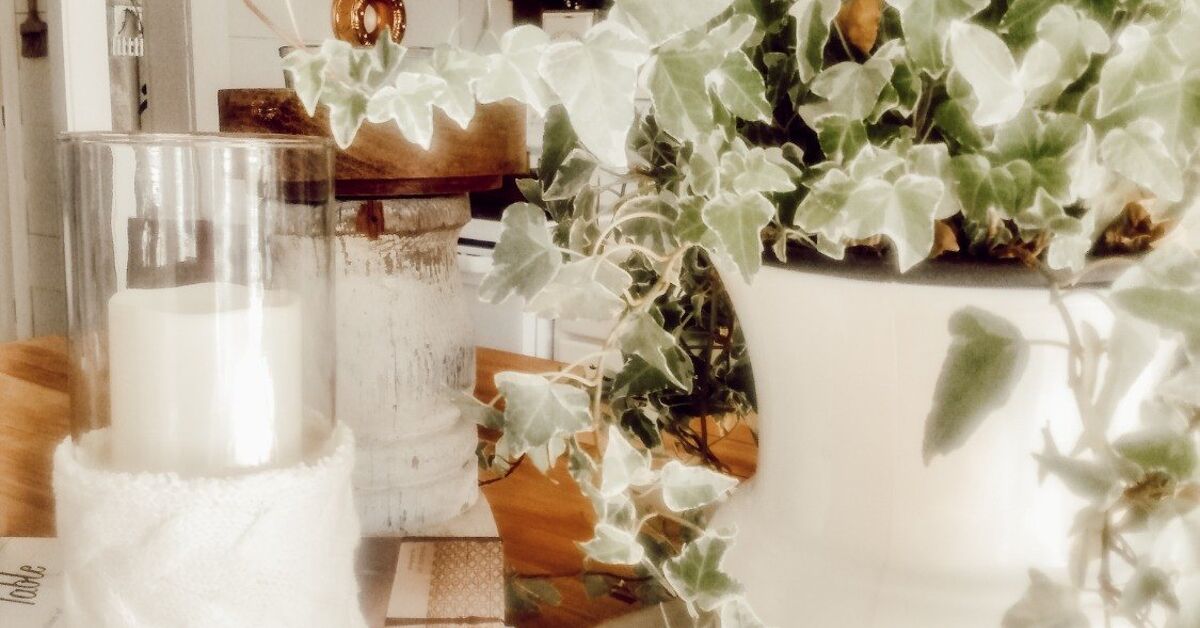
Winter has a special talent for making every room feel like it needs a blanket, a hot drink, and possibly a motivational speech. The good news? You do not need to remodel your house, buy a truckload of faux snow, or turn your living room into a ski lodge with commitment issues. One easy winter decor idea can change the entire mood of your home: create a cozy, layered winter scene using warm lighting, natural textures, soft textiles, and simple seasonal accents.
This approach works because winter decorating is less about “more stuff” and more about atmosphere. After the holidays, many homes suddenly feel bare. The tree is gone, the ornaments are packed away, and the mantel looks like it has just been told bad news. Instead of jumping straight into spring colors, winter decor gives your space a calm, comfortable bridge between festive chaos and fresh seasonal energy.
The best part is that this style is flexible. It can look rustic, modern, farmhouse, minimalist, cottage-inspired, or quietly elegant. You can use pinecones, candles, blankets, baskets, branches, books, trays, warm lamps, and greenery you already own. Think of it as decorating with a sweater instead of a spotlight.
What Makes an Easy Winter Decor Idea Actually Work?
A successful winter decor idea should do three things: warm up the room visually, make the space more comfortable, and feel natural after Christmas or New Year’s decorations come down. That means avoiding overly specific holiday symbols and choosing pieces that can stay out through January, February, and even early March.
For example, red ornaments and Santa figurines may feel festive in December, but they can look a little lost once the holidays are over. Pinecones, evergreen clippings, birch branches, wool throws, lanterns, white ceramics, woven baskets, and soft gold accents feel seasonal without shouting, “I missed the storage deadline.”
The easiest formula is simple: start with a neutral base, add texture, bring in nature, use warm lighting, and finish with one focal point. That focal point can be a coffee table tray, a mantel display, a winter centerpiece, or a cozy reading corner. You do not need to decorate every surface. In fact, please do not. Your side table deserves to breathe.
The Core Idea: A Cozy Winter Tray Display
If you want one beginner-friendly project with a high visual payoff, make a winter tray display. It is affordable, movable, and easy to refresh. A tray instantly makes random objects look intentional, which is excellent news for anyone whose decor style occasionally resembles “items waiting to be put away.”
What You Need
Start with a wooden, metal, ceramic, or woven tray. Then gather three to five winter-friendly accents. Good options include a small vase, battery-operated candles, pinecones, a short stack of books, a tiny faux evergreen, dried orange slices, cinnamon sticks, a small bowl, or a folded cloth napkin. Choose items with different heights and textures so the arrangement does not look flat.
For a natural winter look, combine evergreen sprigs, pinecones, and a cream candle. For a modern style, use a black tray, white ceramic vase, bare branches, and a brass accent. For farmhouse charm, try a wood tray, plaid napkin, mini crock, pinecones, and a lantern. For minimalist decor, keep it very simple: one branch-filled vase, one candle, and one textured object.
How to Style It
Place the tallest item toward the back or slightly off-center. Add a medium-height item next, then fill the front with smaller accents. The goal is not perfect symmetry; the goal is balance. A display that is too perfectly matched can look stiff, like it is waiting for a school portrait. Let one side be heavier and the other side calmer.
Use odd numbers when possible. Three pinecones usually look more natural than two. Five small objects often feel more collected than four. This is not a law of physics, but it is a handy decorating trick that works almost every time.
Use Texture Like It Owes You Rent
Texture is the secret ingredient in cozy winter home decor. In summer, a room can get away with being breezy and sparse. In winter, that same room may feel cold, even if the thermostat insists everything is fine. Texture adds visual warmth without needing bold colors or expensive furniture.
Start with textiles. Add a chunky knit throw to the sofa, swap thin pillow covers for velvet, boucle, faux fur, flannel, or wool-inspired fabrics, and consider layering an extra rug in a seating area. If your home has wood, tile, or concrete floors, rugs can make a room feel warmer before anyone even sits down.
Do not stop at the living room. Add a folded quilt at the end of the bed, a small runner in the kitchen, or a textured hand towel in the powder room. These little swaps make the whole house feel cared for without turning every room into a decorating project with a clipboard.
Warm Lighting: The Fastest Winter Mood Upgrade
Winter light can be beautiful, but it is also famous for leaving at 4:45 p.m. like it has another appointment. That is why lighting matters so much. Harsh overhead lighting can make a cozy room feel like a dentist’s office. Layered lighting makes everything softer, warmer, and more inviting.
Use table lamps, floor lamps, sconces, lanterns, flameless candles, and string lights to create pools of light. Choose warm white bulbs rather than cool blue-toned ones. Warm lighting flatters wood, woven baskets, brass, cream fabrics, greenery, and winter neutrals. It also makes soup look more emotional, which is important during cold weather.
String lights are not just for Christmas trees. Place them in a glass hurricane, weave them along a mantel, tuck them into a bookshelf, or drape them around a window. Keep the look simple and intentional. A small glow is charming; a room visible from space may be overachieving.
Bring the Outdoors In With Natural Winter Decorations
Nature is one of the easiest sources of winter decorating inspiration. Pinecones, branches, evergreen clippings, dried flowers, eucalyptus, birch logs, and seed pods add shape and texture. They also make a home feel seasonal without relying on bright holiday colors.
Try placing bare branches in a tall vase for a sculptural centerpiece. Fill a shallow bowl with pinecones and dried orange slices. Tie a simple velvet ribbon around a bundle of twigs. Add a few evergreen sprigs to a pitcher, crock, or glass jar. Natural elements look especially good when mixed with simple materials like linen, wood, stoneware, and woven fibers.
If you use real greenery, keep it away from open flames and heat sources. Dried natural materials can become fragile and flammable, so battery-operated candles are a smart choice for displays that include pine needles, paper, ribbon, or dried botanicals.
Choose a Calm Winter Color Palette
An easy winter decor idea becomes much stronger when the colors work together. You do not need a complicated palette. Pick two or three main tones and repeat them in small ways around the room.
Classic winter colors include warm white, oatmeal, soft gray, camel, chocolate brown, forest green, charcoal, muted blue, brass, and deep burgundy. If you love a snowy look, use whites and creams with natural wood. If you prefer cozy cabin style, use plaid, leather, pine green, and darker wood tones. If your home is modern, try black, ivory, brass, and sculptural branches.
The trick is to avoid using every winter color at once. A room with icy blue, red plaid, silver glitter, forest green, gold bells, and buffalo check can start arguing with itself. Choose a mood first. Calm? Rustic? Elegant? Playful? Let that mood guide your choices.
Decorating the Mantel Without Making It Too Holiday-Specific
The mantel is prime winter decorating territory. It is also where decorations sometimes go to form a small committee. Keep it simple. Start with greenery or a garland, then add candles, framed art, a mirror, pinecones, or a few ceramic houses. After Christmas, remove ornaments, stockings, and obvious holiday signs, but keep the softer winter pieces.
A beautiful winter mantel can include a eucalyptus garland, brass candlesticks, white pillar candles, and a wood-framed mirror. For a rustic look, use pine garland, birch logs, lanterns, and a vintage print. For a minimalist version, choose one large vase of branches, two candles, and negative space. Yes, empty space counts as decor. It is the introvert of design, and it is doing important work.
Create a Cozy Reading Nook
A reading nook is one of the most useful winter decorating ideas because it is both pretty and practical. Choose a chair, add a small table, place a lamp nearby, and include a throw blanket and pillow. Add a basket for books or magazines. Suddenly, you have a destination inside your own home, which is excellent when the weather outside is doing its best impression of a frozen soup can.
The nook does not need to be large. A corner of the bedroom, a window seat, a landing, or even a spot beside the sofa can work. The key ingredients are comfortable seating, soft light, a warm layer, and something personal. Add a framed photo, a small plant, or a favorite book. Winter decor feels better when it looks lived-in, not staged for a furniture catalog where nobody has ever dropped a cracker.
Easy Winter Decor Ideas for Each Room
Living Room
Add throw blankets, textured pillows, a tray display, warm lamps, and a bowl of pinecones or dried citrus. If you have a fireplace, style the hearth with a basket of blankets or a neat stack of birch logs. If you do not have a fireplace, a lantern grouping can create a similar cozy focal point.
Bedroom
Swap crisp summer bedding for flannel sheets, a quilt, or a heavier duvet. Add a soft throw at the foot of the bed and use warm bedside lamps. A small vase of winter branches on the nightstand is simple, elegant, and unlikely to demand dusting every twelve minutes.
Kitchen
Keep winter kitchen decor useful. Try a small evergreen arrangement, wood cutting boards, a bowl of oranges, a linen runner, or a mug station with cocoa, tea, and cinnamon sticks. The kitchen should feel cozy, not crowded. Counters are work surfaces, not obstacle courses.
Entryway
Your entryway sets the tone for the whole home. Add a winter wreath, a durable mat, a basket for scarves, and a small bench if space allows. A lantern or lamp near the entry makes the home feel welcoming during darker evenings.
Bathroom
Even a bathroom can get a small winter refresh. Use a textured hand towel, a small candle or flameless candle, a sprig of eucalyptus, or a simple tray with soap and lotion. Keep it fresh and uncluttered. Nobody wants to move a decorative forest just to wash their hands.
Budget-Friendly Winter Decorating Tips
You do not need a large budget to make your home feel winter-ready. Shop your own home first. Move a lamp from one room to another. Stack books under a vase for height. Reuse holiday greenery without the ornaments. Turn a scarf into a table runner. Place pinecones in a bowl you already own. Fold a blanket differently and suddenly it looks like you meant to do that.
Thrift stores are also great for winter decor. Look for brass candlesticks, baskets, ceramic bowls, old frames, wool blankets, stoneware pitchers, and wooden trays. These pieces often have more character than brand-new seasonal decor, and they blend easily with different styles.
Another smart trick is to decorate with consumables. Oranges, walnuts, cinnamon sticks, coffee beans, rosemary, and baked goods can all become part of a cozy kitchen or dining display. They look good, smell good, and eventually disappear in a useful way. That is the circle of decorating life.
Safety Notes for Candles, Lights, and Natural Materials
Winter decor often includes candles, lights, garlands, and dried natural accents, so safety should be part of the plan. Keep real candles away from anything that can burn, including greenery, ribbons, curtains, paper, and dried branches. Place candles in stable holders, never leave them unattended, and consider flameless candles for shelves, mantels, trays, and homes with kids or pets.
Inspect string lights before using them. Do not use strands with frayed wires, cracked sockets, or loose connections. Follow manufacturer instructions for how many strands can be connected. Turn off decorative lights before leaving the house or going to bed. Cozy is good. Electrical drama is not the vibe.
Common Winter Decor Mistakes to Avoid
The first mistake is overdecorating. Winter decor should feel restful. If every surface has a display, the room can feel busy instead of cozy. Choose a few focal points and let them shine.
The second mistake is using only cool colors. White, silver, and icy blue can be beautiful, but too much of them may make a room feel chilly. Balance cool tones with wood, brass, cream, woven textures, or soft lighting.
The third mistake is forgetting function. A gorgeous blanket that no one is allowed to use is just fabric with trust issues. Choose decor that supports real life: baskets that hold throws, trays that organize remotes, lamps that improve reading light, and pillows that are comfortable enough for actual humans.
A Simple Step-by-Step Winter Decor Plan
First, remove anything that feels strictly holiday-related. Keep items that feel seasonal, such as greenery, pinecones, candles, neutral ribbons, lanterns, and cozy textiles.
Second, choose one main area to decorate. The coffee table, mantel, dining table, entryway, or bed are all good starting points. Do not try to transform the entire house in one afternoon unless you enjoy creating decorative avalanches.
Third, add texture with blankets, pillows, rugs, baskets, or fabric runners. Fourth, add natural elements like branches, pinecones, greenery, or dried citrus. Fifth, add warm lighting. Finally, edit. Remove one or two items and see if the display looks better. It often will.
Real-Life Experience: What Actually Makes Easy Winter Decor Work
The best winter decorating lesson is that a room does not need to look expensive to feel wonderful. In real homes, the most successful winter decor is usually the kind people can live with. It does not block the coffee table, attack guests with glitter, or require a storage bin labeled “fragile pinecone situation.” It simply makes daily life feel softer.
One of the easiest changes is moving light around. A dark corner can make an entire room feel unfinished, especially in winter. Add a small lamp, and suddenly that corner becomes a reading spot, a conversation area, or at least a place that no longer looks like it is hiding a ghost. Warm light changes how colors appear, how textures feel, and how inviting the room seems at night.
Another practical experience: blankets are not just decor. They are invitations. A folded throw over the arm of a sofa says, “Sit down, stay a while.” A blanket shoved in a closet says, “Good luck, citizen.” Keep throws where people can reach them. Use a basket if you like things tidy, or drape one casually if your style is more relaxed. Either way, useful decor always wins.
Natural elements are also surprisingly powerful. A few pinecones in a bowl, some branches in a vase, or a small evergreen clipping beside a candle can make a room feel seasonal without spending much. These pieces work because they connect the indoors with the landscape outside. Even if your view is mostly driveway, mailbox, and one brave squirrel, natural textures bring a sense of winter calm into the home.
Editing matters more than most people think. Many people add decor until something feels “finished,” but winter spaces often look better when they are slightly restrained. A mantel with greenery, two candles, and one piece of art can look more elegant than a mantel packed with every object that survived the holiday box. Give your displays breathing room. Your decor should not need crowd control.
Finally, the most personal pieces usually create the most charm. A stack of old books, a hand-me-down quilt, a vintage tray, a family photo, or a mug collection can make winter decor feel warm instead of generic. Trends are helpful, but personality is what makes a home memorable. The goal is not to copy a showroom. The goal is to make your home feel like a cozy place where real life happens, socks are occasionally mismatched, and the best seat is already waiting.
Conclusion
An easy winter decor idea does not need to be complicated, expensive, or overly themed. Start with a simple focal point, such as a cozy winter tray display, then build around it with soft texture, warm lighting, natural accents, and a calm color palette. Whether you decorate a mantel, entryway, coffee table, bedroom, or reading nook, the goal is the same: make your home feel warmer, softer, and more welcoming during the coldest months.
The beauty of winter decorating is that small changes carry a big emotional effect. A lamp in the right corner, a blanket on the sofa, a few pinecones in a bowl, and a candle glowing safely nearby can make an ordinary evening feel peaceful. That is the real magic of winter decor. It does not have to impress the neighbors. It just has to make you happy to come home.











