
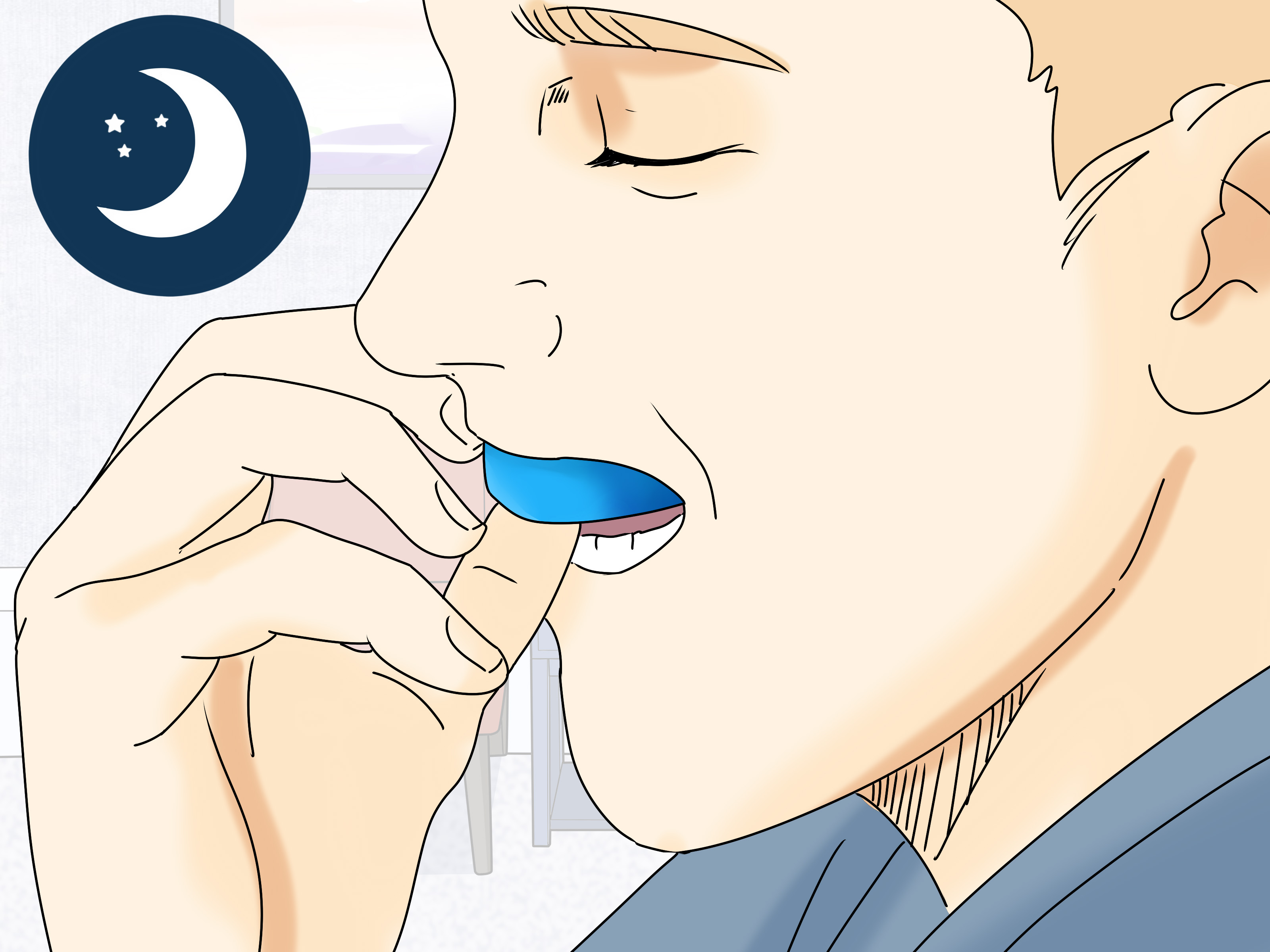
A toothache has one job: to wait until bedtime and then audition for a horror movie. The good news? You can often
make the pain calm down enough to sleep (or at least stop pacing your hallway like a ghost with dental insurance).
The bad news? Toothaches are usually a warning light, not a “feature,” so these tips are for temporary reliefnot a
permanent fix.
This guide walks you through 12 practical, safe steps to help you sleep with a toothache,
plus the “don’t-ignore-this” signs that mean you should get urgent dental or medical care.
If you’re pregnant, have chronic health conditions, take blood thinners, or you’re treating a child, read the safety notes
closely and consider calling a clinician for personalized advice.
Why Tooth Pain Feels Worse at Night
Nighttime tooth pain often feels louder for a few not-so-mysterious reasons:
- Less distraction: During the day your brain has meetings, errands, and doomscrolling to process. At night? It has time to focus on the tooth’s dramatic monologue.
- Lying flat can increase pressure: When your head is level with your heart, blood flow and pressure around an inflamed tooth can make throbbing feel more intense.
- Grinding/clenching shows up after lights out: Many people clench or grind in their sleep, which can irritate teeth and jaw joints.
Before You Start: Quick Safety Check
Stop the home-remedy tour and get urgent care if you have any of the following:
trouble breathing or swallowing, rapidly increasing facial or mouth swelling,
fever, pus/bad taste with swelling, severe pain after trauma, uncontrolled bleeding, or you can’t open your mouth normally.
These can signal a spreading infection or another emergency.
Easy Ways to Sleep with a Toothache: 12 Steps
Step 1: Gently floss (yes, even if you’re mad at your teeth)
Food stuck between teeth can create sharp, localized painespecially after popcorn, steak, or anything that fights back.
Use gentle flossing around the sore area to remove debris. Don’t “snap” the floss into the gums; ease it down and hug each tooth in a C-shape.
Step 2: Rinse with warm salt water
Salt water can help reduce inflammation and rinse away irritants. Mix 1/2 teaspoon of table salt into
8 ounces of warm water, swish for about 30 seconds, then spit. Repeat a couple times.
It’s not magicit’s simple, cheap, and surprisingly effective.
Step 3: Check your “trigger list” and avoid it tonight
If hot, cold, sugary, or very chewy foods spike your pain, don’t test your limits right before bed. Stick to softer,
lukewarm foods and water. Also skip alcohol tonightsleep quality drops, dehydration rises, and your tooth will file a complaint.
Step 4: Cold compress the cheek (not the tooth)
If you have swelling or throbbing, apply a cold pack to the outside of your cheek for 15–20 minutes,
then take a break. Cold can numb pain and reduce inflammation. Wrap ice in a clothdirect ice on skin is rude.
Avoid heat if you suspect infection or swelling; heat can sometimes worsen inflammation.
Step 5: Elevate your head like royalty
Sleeping flatter can make throbbing worse. Use an extra pillow or two so your head is elevated. The goal is comfort,
not a neck crampsupport your neck and keep your head slightly raised to reduce pressure and pulsing.
Step 6: Choose the “opposite-side” sleep position
If the pain is mostly on one side, try sleeping on the other side or on your back with your head elevated.
Direct pressure on the sore side can intensify pain and keep you awake. Your mattress does not need to “get involved.”
Step 7: Use OTC pain relievers safely (the boring step that works)
For many adults, over-the-counter options can help:
- Ibuprofen (an NSAID) can reduce inflammation-related pain.
- Acetaminophen can reduce pain (but doesn’t reduce inflammation the same way).
Important: follow the label dosing and daily maximums. Don’t combine ibuprofen with other NSAIDs
(like naproxen) unless a clinician tells you to. If you have a history of stomach ulcers/bleeding, kidney disease,
are on blood thinners, or have liver disease, ask a clinician what’s safe for you. And if the toothache is in a child,
dosing should be based on age/weight and pediatric guidance.
Step 8: Time your pain relief for bedtime
If you’re taking an OTC pain reliever, take it with enough time to kick in before you lie downoften around
30–60 minutes (varies by medication and person). Pair it with head elevation and a cold compress routine.
You’re building a “sleep runway,” not trying to land a plane in a thunderstorm.
Step 9: Consider a topical anestheticcarefully
Some gels/liquids contain benzocaine and can temporarily numb gum tissue. Use only as directed.
Do not use benzocaine for children under 2, and be cautious even in older kidsthere’s a rare but serious
risk of methemoglobinemia (reduced oxygen-carrying capacity of blood). Seek urgent care if you notice
gray/blue lips or skin, shortness of breath, fatigue, confusion, headache, or rapid heart rate after use.
If you’d rather skip benzocaine entirely, that’s a valid life choice. Many people do fine with salt-water rinses,
cold compresses, and properly used oral pain relievers.
Step 10: Try clove oil as a short-term “numbing helper” (with common sense)
Clove oil contains eugenol, which can have a numbing effect for some people. If you use it:
dilute it (a drop mixed with a carrier oil) and apply a tiny amount with a cotton swab to the sore area.
Don’t soak your mouth in it, don’t swallow it, and stop if it irritates your tissue.
Think “light dab,” not “marinade.”
Step 11: Add a calm-down routine that reduces clenching
Stress can turn your jaw into a vise. Right before bed, try:
- 5 slow breaths (inhale 4 seconds, exhale 6 seconds)
- Jaw “reset”: lips together, teeth slightly apart, tongue resting gently on the roof of the mouth
- A warm shower (not a hot compress on the face) to relax muscles
If you suspect grinding/clenching (jaw soreness, morning headaches, flattened tooth edges), ask your dentist about a night guard.
For tonight, focus on relaxation and head elevation.
Step 12: Make a dentist planbecause the tooth is not learning its lesson alone
Tooth pain often comes from cavities, cracked teeth, gum disease, exposed dentin, or infectionproblems that rarely
vanish permanently without treatment. If pain lasts more than a day or two, keeps returning, or is severe, call a dentist.
If you have swelling, fever, a foul discharge, or trouble breathing/swallowing, seek urgent care.
A “Tonight” Checklist (Fast Version)
- Floss gently → salt-water rinse
- Cold compress 15–20 minutes
- OTC pain reliever if safe for you (follow label)
- Elevate your head + sleep on the opposite side
- Avoid sugar, alcohol, and very hot/cold foods
- Set a reminder to call a dentist in the morning
Common Mistakes That Make Toothaches Worse at Night
- Putting aspirin directly on the gums/tooth: this can burn oral tissue. (Also, aspirin isn’t appropriate for many children/teens due to safety concerns.)
- Using heat on a swollen face: can worsen inflammation in some infection scenarios.
- Doubling up on NSAIDs: taking ibuprofen and naproxen together increases side effects without being “extra helpful.”
- Ignoring swelling + fever: dental infections can spread and become dangerous.
When It Might Not Be “Just a Tooth”
Sometimes pain that feels like a toothache is actually referred painlike sinus pressure that radiates to upper teeth,
or jaw joint irritation from clenching. If you have congestion and upper-tooth tenderness on both sides, sinus issues may be involved.
Still, persistent tooth pain deserves a dental evaluation to rule out infection or decay.
Real-Life Experiences: What Toothache Nights Usually Look Like (and What People Learn)
Toothache nights tend to follow a familiar scriptbecause pain has a flair for the dramatic, and bedtime is its favorite stage.
Here are common experiences people report, plus the practical takeaways that usually help them finally get some sleep.
Experience #1: “It was fine all day… then midnight happened.”
A lot of people describe tooth pain as “manageable” during daylight hours, then suddenly unbearable once they lie down.
The typical pattern is a dull ache that turns into throbbing, especially when the room gets quiet. What often helps most is combining
the basics: a salt-water rinse, a cold compress on the cheek, and sleeping with the head elevated. People who try only one tactic
(like rinsing once and hoping for the best) often end up frustrated. The biggest “aha” moment tends to be realizing that elevation matters:
propping up reduces the pulsing enough to drift off, while lying flat feels like the tooth is doing push-ups.
Experience #2: “I thought it was one tooth… it was actually something stuck.”
There’s a surprisingly high number of late-night victories that start with gentle flossing. People bite into steak, popcorn,
or a seedy granola bar, and a tiny wedge gets trappedcreating sharp pain that mimics a cavity. When they finally floss and rinse,
the pain drops dramatically within minutes. The lesson here isn’t “floss and you’ll never need a dentist” (nice try, internet),
but rather: if the pain is sudden and pinpointed, check for the simple fix before assuming the worst.
Experience #3: “I used a numbing gel and then panicked.”
Many people reach for topical gels because they want immediate relief. Often, they do help brieflythen wear off.
The stress comes when someone uses more than directed or uses it repeatedly throughout the night. A calmer approach is “minimal effective dose”:
apply sparingly, follow label instructions, and treat it as a short bridge to sleep, not a solution you keep repainting every 20 minutes.
People also learn that if they’re uneasy about topical anesthetics, they can skip them and rely on safer basics plus an OTC pain reliever
(if appropriate for them).
Experience #4: “I woke up with jaw pain and a sore toothturns out I was clenching.”
Some toothaches aren’t pure “tooth problems” at all. People who are under stress often clench or grind at night and wake up with a sore jaw,
tooth sensitivity, or a headache. Those nights improve when they add a relaxation routine right before bedslow breathing, loosening the jaw,
and avoiding caffeine late. Over time, many people report the best fix is getting a dentist-made night guard, but for a rough night,
jaw relaxation plus head elevation can reduce the intensity enough to sleep.
Experience #5: “I waited too longthen swelling showed up.”
This is the experience nobody wants, but it’s common enough to mention: pain is ignored for days, then facial swelling appears and sleep becomes impossible.
The lesson people share afterward is simple and consistent: swelling, fever, foul discharge, or trouble swallowing/breathing are not “sleep it off” symptoms.
The smartest move is urgent dental or medical care. Many wish they’d called earlier when it was “just pain,” because prompt treatment is usually simpler
than dealing with a bigger infection.
If there’s one theme across these stories, it’s this: the best nights come from a combo strategy (clean the area + reduce inflammation + position for comfort)
and a morning plan (call the dentist). Toothaches are rarely impressed by wishful thinkingbut they are sometimes impressed by salt water and an extra pillow.
Conclusion
Sleeping with a toothache is about stacking small advantages: clean the area, calm inflammation, support your head, and use pain relief safely.
If your symptoms suggest infection or an emergencyespecially swelling, fever, or trouble breathing/swallowingget urgent care.
Otherwise, use these 12 steps tonight and make a plan to see a dentist soon, because the only thing worse than a toothache at night
is the same toothache coming back for an encore.













