
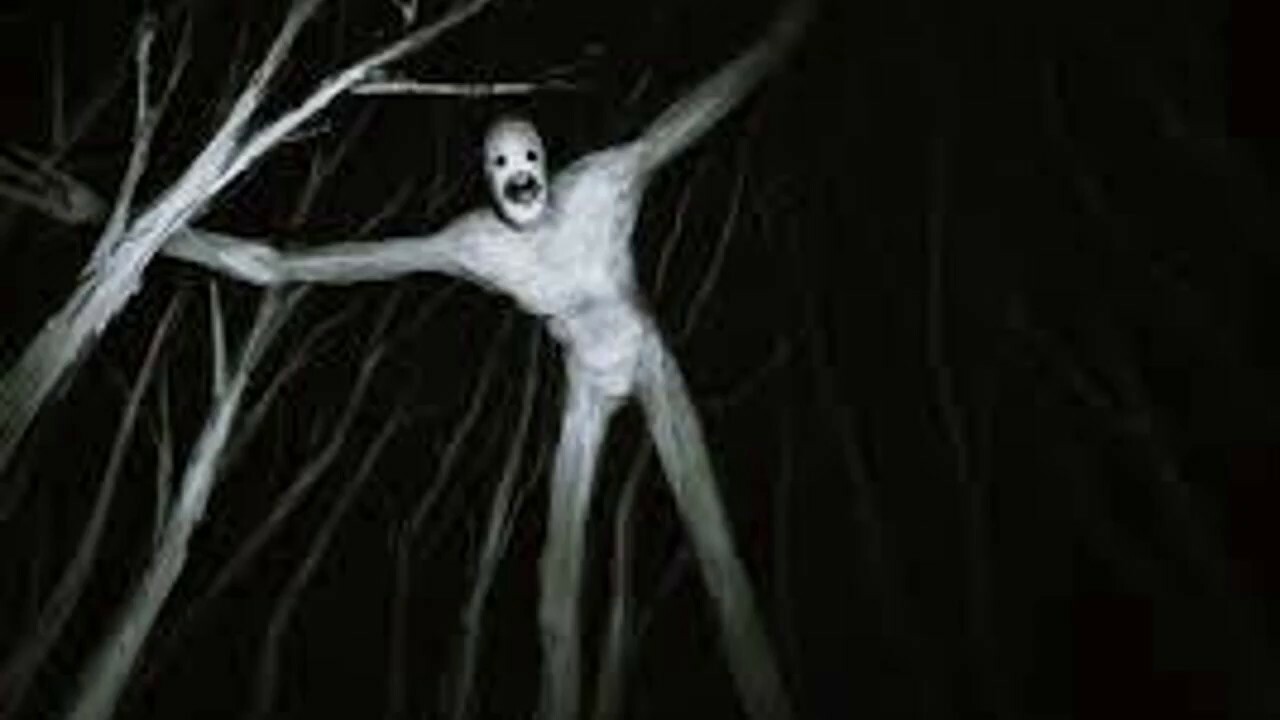
Drawing something scary sounds simple until your monster starts looking like a tired potato wearing a Halloween wig. The good news? Scary art is not about being the “best” artist in the room. It is about controlling mood, mystery, shape, shadow, and the tiny visual details that make a viewer lean closer and think, “Wait… what am I looking at?”
Whether you want to sketch a creepy creature, a haunted hallway, a shadowy face, a ghost in the fog, or a strange little thing hiding under the stairs, learning how to draw something scary starts with one basic truth: fear loves suggestion. The less you explain, the more the imagination starts working overtime. A blank doorway can be scarier than a full monster if the lighting, composition, and atmosphere whisper, “Something is in there, and it definitely did not pay rent.”
This guide breaks down scary drawing ideas, horror art techniques, beginner-friendly sketch prompts, and practical tips you can use with pencil, ink, markers, charcoal, or digital tools. No need for graphic gore. In fact, the most memorable scary drawings often rely on tension, silence, contrast, and the uncomfortable feeling that something is slightly wrong.
Why Scary Drawings Work
Scary art works because it plays with uncertainty. A viewer feels uneasy when the image gives enough information to suggest danger but not enough to fully explain it. That “almost but not quite” feeling is powerful. A crooked smile, a shadow with the wrong shape, an empty chair facing the wall, or a doll with one eye hidden can create more tension than a loud, obvious monster.
Fear also has rhythm. A drawing can feel calm at first glance, then become disturbing as the viewer notices new details. Maybe the forest trees look normal until the branches begin to resemble fingers. Maybe a family portrait seems ordinary until one figure has no reflection in the mirror. This slow discovery is one of the best tools in horror illustration.
Start With a Simple Scary Idea
Before you start shading every corner into dramatic darkness, choose one clear scary concept. Beginners often try to include too many things at once: a vampire, a skeleton, lightning, a castle, fog, bats, and three confused pumpkins. The result becomes visual soup. Delicious? Maybe. Scary? Not always.
Instead, build your drawing around one main idea. Try one of these:
1. A Haunted Object
Draw an everyday object that feels wrong: an old mirror, a music box, a rocking chair, a phone with a cracked screen, or a toy left in the hallway. Ordinary objects become scary when you place them in an unusual setting or give them one unsettling detail.
2. A Shadow Creature
Shadow creatures are perfect for beginners because they do not require perfect anatomy. Start with a dark silhouette, then add long limbs, glowing eyes, sharp angles, or an unnatural posture. Keep some edges soft so the creature feels like it is emerging from darkness.
3. A Creepy Face
A scary face does not need to be complicated. Change the proportions slightly: make the eyes too large, the smile too wide, the nose too small, or the head too tilted. Small distortions can create a creepy effect without turning the drawing into a cartoon.
4. An Empty Place
An abandoned hallway, a silent classroom, a dark bedroom, or a foggy playground can feel deeply eerie. The trick is to make the viewer wonder what happened before the scene and what might happen next.
Use Shape Language to Create Fear
Shape language is one of the easiest ways to make a drawing feel scary. Rounded shapes often feel soft or friendly, while sharp angles can feel dangerous, tense, or aggressive. Tall, thin shapes can feel ghostly or unnatural. Heavy, blocky shapes can feel powerful and threatening.
For example, a cute ghost might be built from soft curves and simple circles. A frightening ghost could have a stretched body, uneven edges, long arms, and a head that bends at an odd angle. The subject is still “a ghost,” but the shape language changes the emotional effect.
When sketching a monster, avoid making both sides perfectly symmetrical. Nature has symmetry, but horror loves imbalance. One shoulder can sit higher. One arm can be longer. One eye can be hidden. One hand can appear from behind a doorway while the body stays unseen. These choices make the viewer feel that the creature does not follow normal rules.
Master Light and Shadow
If scary drawing had a secret sauce, it would be value: the range from light to dark. Shadows can hide details, create depth, and direct attention. Strong contrast also makes a drawing feel more dramatic. A candlelit face, a flashlight beam, or moonlight through a window can instantly create a horror mood.
Start by deciding where the light comes from. Is it above, below, behind, or off to the side? Light from below often feels unnatural because people are used to light coming from the sun, lamps, or ceiling fixtures. That is why a face lit from underneath can look creepy even if the face is smiling politely like it just brought cookies.
Try this simple exercise: draw a normal door. Then make the area behind the door completely black. Add a thin line of light spilling onto the floor. Suddenly, the door becomes a story. What is behind it? Why is it open? Why do you hear violin music? Actually, do not answer that. Mystery is better.
Build Atmosphere With Texture
Texture makes scary art feel real. Smooth surfaces can feel cold and lifeless. Rough surfaces can feel old, damaged, or unsafe. Try adding cracked walls, peeling paint, scratched wood, dusty floors, fog, spiderwebs, torn fabric, or cloudy glass.
You can create texture with simple marks:
- Hatching: parallel lines for shadow and form.
- Cross-hatching: layered lines for darker areas.
- Stippling: dots for grainy texture or eerie fog.
- Smudging: soft graphite or charcoal for smoky darkness.
- Scratchy lines: nervous, uneven marks for old wood, messy hair, or unsettling energy.
Texture should support the mood, not cover the whole page like visual confetti. Put your strongest texture near the focal point, then let quieter areas breathe.
Composition: Where You Place the Scare Matters
Composition is how you arrange everything on the page. In scary drawings, placement can create suspense. If the scary subject is centered and fully visible, the viewer understands it immediately. If the subject is partly hidden in a corner, behind glass, or at the end of a hallway, the drawing becomes more mysterious.
Use negative space to your advantage. A large empty room with one tiny figure in the doorway can feel lonely and tense. A close-up face with too little space around it can feel trapped and uncomfortable. A creature placed at the very edge of the page can make the viewer feel like they almost missed it.
Scary Drawing Ideas for Beginners
Need a starting point? Try these beginner-friendly scary drawing prompts:
A Ghost Behind a Curtain
Draw a window with long curtains. Behind the fabric, sketch a faint face or hand shape. Keep it subtle. The goal is to make the viewer question whether they really saw it.
A Monster Under the Bed
Show only glowing eyes and long fingers under the bed frame. Let the darkness do most of the work. Add slippers, a dropped blanket, or a small toy to make the scene feel lived in.
A Haunted Mirror
Draw a person looking into a mirror, but change the reflection. The reflection might smile differently, look older, or stand closer than it should.
A Forest That Watches Back
Draw a dark forest where knots in the trees resemble eyes. The trick is to hide the faces inside natural shapes so the viewer discovers them slowly.
A Doll on a Chair
A doll can be creepy because it looks human but not quite alive. Tilt the head, shadow one eye, and place it in an empty room. A small detail, like one shoe missing, can add story.
How to Draw Something Scary Step by Step
Step 1: Choose the Emotion
Do you want your drawing to feel creepy, shocking, lonely, mysterious, haunted, or suspenseful? “Scary” is a big word. A haunted attic feels different from a giant monster. Choose the emotion first so every visual choice supports it.
Step 2: Sketch Big Shapes
Block in the main shapes lightly. Do not worry about details yet. Focus on silhouette, placement, and balance. A strong scary drawing should still look interesting as a simple shadow.
Step 3: Add the Light Source
Mark where the light comes from. Leave your light areas clean and build shadows gradually. Remember, darkness is most effective when there is something bright nearby to compare it with.
Step 4: Distort One Thing
Choose one element to make unusual: extra-long fingers, a too-wide grin, uneven eyes, a warped doorway, or a shadow that points the wrong way. One strong distortion is usually better than ten random ones.
Step 5: Add Texture and Details
Use cracks, dust, folds, scratches, fog, or rough linework to build atmosphere. Keep the most detailed area near the focal point so the viewer knows where to look.
Step 6: Hide Something
Before finishing, ask yourself: what can I leave unseen? Hide part of the face, fade the body into shadow, crop the figure at the edge, or cover part of the scene with fog. Scary drawings become stronger when the viewer’s imagination completes the picture.
Common Mistakes When Drawing Scary Art
Making Everything Too Dark
If the entire page is black, the viewer has nowhere to look. Use a full value range: bright highlights, middle grays, and deep shadows. Contrast creates drama.
Adding Too Many Horror Symbols
A drawing does not need every spooky icon in the Halloween aisle. Pick one or two ideas and develop them well.
Forgetting the Story
The best scary drawings feel like they belong to a larger story. Add clues: footprints, a broken frame, a half-open window, a candle that has just gone out, or a chair turned toward the wall.
Overexplaining the Monster
Fully showing the creature can reduce tension. Sometimes a hand, a shadow, or a reflection is scarier than a complete character design.
Advanced Tips for Making Scary Drawings Better
Once you understand the basics, try pushing your scary drawings further with visual contrast. Combine innocence with threat, such as a cheerful birthday cake in a dark room or a smiling toy in an abandoned hallway. Contrast makes the image feel more disturbing because the viewer expects one emotion but receives another.
You can also use perspective to create discomfort. A hallway drawn from a low angle can feel long and oppressive. A close-up face cropped at the forehead and chin can feel claustrophobic. A tilted horizon line can make the scene feel unstable, as if the world itself is leaning away from normal.
Another strong technique is repetition. Rows of identical windows, chairs, masks, or portraits can feel eerie, especially if one object is slightly different. Repetition gives the viewer a pattern, and the broken pattern becomes the scare.
Experience Section: What It Feels Like to Draw Something Scary
Drawing something scary is often less like building a monster and more like setting a trap for the imagination. Many beginners sit down expecting to draw a terrifying creature immediately, but the first sketch may look goofy. That is completely normal. Horror art has a funny learning curve. Your first ghost might look like a sad bedsheet. Your first vampire might look like a tired substitute teacher. Your first haunted tree might look like broccoli with emotional problems. Keep going.
One of the most useful experiences in scary drawing is discovering that small changes matter. A normal face becomes unsettling when the pupils are too small. A hallway becomes tense when the far end is darker than expected. A teddy bear becomes creepy when it is placed alone under a spotlight in an empty room. This teaches an important lesson: fear does not always come from adding more. Often, it comes from removing comfort.
Artists who practice horror sketches often learn to slow down. Instead of rushing to draw sharp teeth or dramatic lightning, they spend time asking questions. Where is the silence in this picture? What is hidden? What does the viewer notice first, second, and third? A scary drawing works best when it unfolds. The viewer should feel rewarded for looking longer, even if that reward is the uncomfortable discovery of a face in the wallpaper.
Another common experience is learning to love mistakes. A smudged charcoal mark can become fog. A crooked line can become a cracked wall. An accidental ink blot can become a shadow creature. Scary art is forgiving because imperfection often helps the mood. Clean lines are useful, but messy marks can feel nervous, old, decayed, or unstable. In horror drawing, your eraser is not only for fixing errors; it can pull ghostly highlights out of darkness.
Working on scary drawings also builds confidence with contrast. At first, beginners tend to shade lightly because they are afraid of ruining the page. But horror needs bold darks. The moment you commit to deep shadows, the drawing usually becomes stronger. It is like turning off the lights in a room: suddenly every shape has more drama.
The best experience, however, is seeing someone react. If a viewer leans in, pauses, laughs nervously, or says, “That is actually creepy,” the drawing has done its job. It does not need to be perfect. It needs atmosphere, intention, and one memorable idea. Scary art is a conversation with the viewer’s imagination, and the imagination is very easy to spook. Honestly, it still checks behind the shower curtain sometimes.
Conclusion
Learning how to draw something scary is not about copying the loudest horror image you can find. It is about using shape, shadow, composition, texture, and mystery to create a feeling. Start simple. Choose one idea. Hide more than you reveal. Let light and darkness argue on the page. Add details that suggest a story, but do not explain everything.
Whether you are sketching a ghost, monster, haunted room, creepy doll, or shadowy forest, remember that fear is often quiet before it is loud. A strange silhouette in the corner can be more powerful than a fully explained creature. A half-open door can be scarier than whatever stands behind it. And if your first scary drawing looks more silly than spooky, congratulations. You have officially joined the ancient artistic tradition of accidentally making monsters adorable before making them terrifying.












