
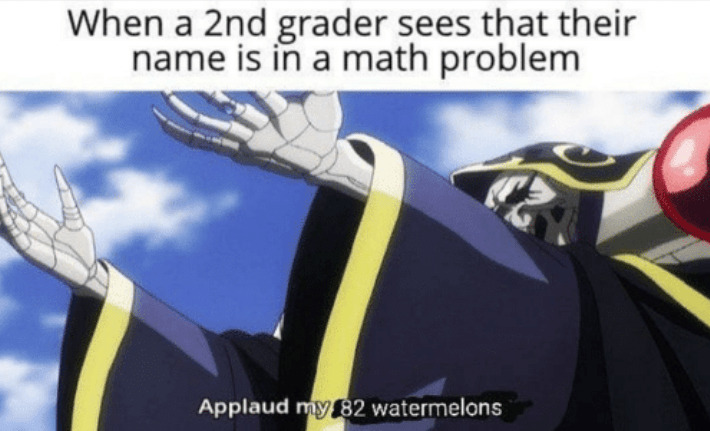
Somewhere on the internet, a person is staring at a blank screen, trying to create the perfect meme. Their coffee is cold. Their confidence is colder. Their cat has already judged the draft and left the room. Yet the mission remains noble: draw or find a really cool meme and then post it.
Memes are not just silly pictures with loud captions. They are tiny cultural firecrackers. A good meme can summarize a bad Monday, roast a shared frustration, celebrate an oddly specific victory, or explain an entire generation’s emotional state using one blurry raccoon. Whether you draw your own meme, remix a familiar format, or discover a hidden gem online, the goal is the same: make people stop scrolling, smile, react, and maybe send it to someone with the words, “This is literally us.”
But posting a meme that actually lands takes more than slapping text on an image and hoping the algorithm adopts it like a lost puppy. The best memes combine timing, relatability, visual clarity, originality, platform awareness, and just enough chaos to feel alive. This guide explains how to draw, find, polish, and post a cool meme without turning it into a digital tumbleweed.
What Makes a Meme “Really Cool”?
A cool meme feels instantly understandable but still surprising. It gives people that tiny spark of recognition: “I have felt this exact thing, but I did not know it could be expressed by a possum wearing sunglasses.” That is the magic. A meme works when the audience recognizes the emotion, situation, trend, or reference quickly.
Modern memes often rely on three ingredients: a familiar format, a sharp caption, and a specific point of view. The format gives people a shortcut. The caption gives them the joke. The point of view gives the meme personality. Without that point of view, a meme becomes internet wallpaper: visible, but emotionally unemployed.
Relatability Comes First
The most shareable memes usually describe common experiences in a fresh way. Think about everyday situations: pretending to understand a work meeting, opening the fridge five times like new snacks will magically spawn, or telling yourself you will sleep early and then watching raccoon rescue videos until 2 a.m. These moments work because they are ordinary enough to be familiar and specific enough to feel personal.
Before creating or choosing a meme, ask: who will immediately understand this? If the answer is “people who have emails, pets, deadlines, social anxiety, group chats, or a suspicious relationship with caffeine,” congratulations. You have found a large audience.
Timing Is the Secret Sauce
Memes move fast. A format that feels hilarious today can feel ancient by next Tuesday. Posting a meme at the right time matters because internet humor is deeply connected to current conversations. A meme about a trending show, a viral phrase, a seasonal frustration, or a fresh pop culture moment has a better chance of being noticed.
That does not mean every meme must chase the latest trend. Evergreen memes about work, pets, school, relationships, money, and daily awkwardness can perform well for years. The trick is knowing whether your meme is trend-based or timeless. Trend-based memes need speed. Timeless memes need sharp writing.
Should You Draw a Meme or Find One?
You have two main paths: create your own meme from scratch or find an existing meme and share it responsibly. Both can work beautifully. Drawing your own meme gives you originality and control. Finding a meme saves time and lets you participate in a larger internet conversation.
Drawing Your Own Meme
You do not need to be a professional artist to draw a meme. In fact, many beloved memes look like they were sketched during a power outage by someone holding a mouse with their elbow. Bad drawing can be part of the charm. Simple stick figures, expressive blobs, dramatic animals, fake charts, and messy doodles can all work if the joke is strong.
If you draw your own meme, focus on expression over perfection. A tiny frown, a blank stare, a dramatic sweat drop, or a ridiculous pose can carry the whole joke. The goal is not to impress an art professor. The goal is to make someone snort-laugh while waiting for their microwave burrito.
Finding a Meme Online
Finding a meme can be just as strategic as making one. Look for memes that match your audience, tone, and platform. A meme that works on Reddit may not work the same way on Instagram. A joke that kills in a niche Discord community may confuse a general Facebook audience so badly they start asking if the Wi-Fi is broken.
When you find a meme, consider whether it is safe to repost, whether the original creator is identifiable, and whether the meme fits your brand or personal style. Giving credit when possible is not just polite; it also helps you avoid looking like the person who brings store-bought cookies to a party and says, “Yes, I baked these with my heart.”
How to Create a Cool Meme From Scratch
Creating a meme begins with an observation. The best meme ideas often come from tiny annoyances, funny contradictions, or shared emotional disasters. Start with a simple sentence: “It is funny how people…” or “That feeling when…” or “Me pretending to…” These openings help turn everyday life into meme material.
Step 1: Pick a Clear Emotion
Every strong meme has an emotional engine. It might be frustration, confusion, pride, panic, laziness, petty satisfaction, or joy. The clearer the emotion, the easier it is for people to connect. A meme about “being tired” is okay. A meme about “being tired but still refusing to go to bed because revenge bedtime procrastination has entered the chat” is better.
Step 2: Choose a Simple Visual
The image should support the joke immediately. If the viewer needs ten seconds to decode the visual, the meme may lose them. Use a face, animal, object, screenshot-style layout, comic panel, or simple drawing that communicates the mood quickly.
For example, if your caption is about pretending everything is fine, a calm cartoon dog in a chaotic room works. If the joke is about overthinking, use a wide-eyed character surrounded by too many labels. If the joke is about victory after doing the bare minimum, draw a tiny crown on a tired potato. The potato deserves it.
Step 3: Write the Caption Like a Punchline
Meme captions should be tight. Long captions can work, but only when the rhythm is funny. Cut filler words. Use contrast. Make the first line set up the situation and the second line twist it.
Weak caption: “When I am trying to be productive but I keep getting distracted by my phone and then I do not finish anything.”
Stronger caption: “Me: Today I will be productive. Also me: Googling whether penguins have knees for 47 minutes.”
The second version works because it is specific, visual, and ridiculous. Specificity is comedy fuel. General jokes float away. Specific jokes wear tiny hats and demand attention.
How to Find a Meme Worth Posting
Finding a great meme means paying attention to context. Search in places where meme culture naturally lives: Reddit communities, Instagram meme pages, TikTok trends, X conversations, Pinterest boards, Tumblr archives, and niche forums. Watch what people are sharing, not just what is being posted. A meme with comments full of “I’m crying,” “too real,” or “why is this me?” has already passed a public laugh test.
Look for Niche Relevance
The internet rewards specificity. A meme about “work” is broad. A meme about “opening Slack with the same energy as a medieval peasant hearing thunder” is sharper. Niche memes make people feel seen. That feeling drives shares.
If you run a page about books, find memes about unread shelves, dramatic fictional characters, and readers pretending they will buy only one book. If you run a fitness page, try gym anxiety, leg day survival, or protein-shake personality jokes. If you run a pet page, congratulations, you have chosen the internet’s easiest difficulty setting.
Check the Tone Before Posting
A meme can be funny and still wrong for your audience. Avoid jokes that punch down, spread misinformation, invade someone’s privacy, or rely on cruelty. Edgy humor may get attention, but attention is not always the same as trust. A cool meme should make people laugh without making your comment section look like a digital courtroom.
Posting a Meme Without Accidentally Starting a Tiny Legal Drama
Memes often remix existing images, characters, screenshots, and cultural references. In the United States, fair use can sometimes protect commentary, criticism, parody, education, and transformative uses, but it is not a magic shield you can wave over any image while shouting, “But it was funny!” Courts consider factors such as purpose, nature of the original work, amount used, and market effect.
That means a meme used casually among friends is not the same as a meme used in an ad campaign. Commercial use can increase risk. So can reposting someone’s original art, photography, or comic without permission. When possible, use your own drawings, public-domain resources, licensed images, or tools that provide clear usage rights.
Credit Creators When You Can
Credit does not automatically solve copyright issues, but it is still a good practice. Tag the creator if you know who made the meme. Do not remove watermarks. Do not crop out signatures. Do not pretend you created something you found while scrolling at midnight in snack crumbs and denial.
Be Careful With Real People
Memes using real people can be hilarious, but they can also be sensitive. Public figures are commonly used in commentary and parody, but private individuals deserve more caution. Avoid humiliating someone who did not sign up to become the face of “me after one email.” The internet remembers too well, and screenshots have the survival instincts of cockroaches.
Best Platforms for Posting Memes
Different platforms reward different meme styles. A meme that thrives on one platform may flop on another because each space has its own pace, audience, and humor language.
Instagram is strong for image memes, carousel memes, Reels, and relatable lifestyle humor. Clean visuals matter here. Use readable text, strong contrast, and captions that invite comments. A simple prompt like “Tag the friend who does this” can work, but avoid sounding like a haunted engagement bot.
TikTok
TikTok is ideal for video memes, reaction formats, voiceovers, and trend-based humor. Timing is especially important because sounds and formats rise and fall quickly. A good TikTok meme often combines a familiar audio clip with a very specific personal twist.
Reddit rewards community fit. Before posting, read the subreddit rules and observe what performs well. Reddit users can smell lazy reposting from three tabs away. Originality, relevance, and correct formatting matter.
X, Threads, and Short-Text Platforms
Text-based platforms are great for one-liners, screenshots, quote posts, and fast reactions to current events. The meme may be just a sentence. If the wording is sharp enough, it can travel far without an image.
How to Make Your Meme More Shareable
A shareable meme is easy to understand, easy to send, and emotionally useful. People share memes to entertain, flirt, complain, bond, roast themselves, or say something they do not want to type directly. Your meme should help them perform one of those tiny social jobs.
Use Big, Readable Text
Many people view memes on phones. If your text requires zooming, squinting, or borrowing a jeweler’s magnifying glass, it is too small. Use readable fonts, simple layouts, and enough spacing.
Keep the Joke Focused
One meme should usually make one joke. Do not cram three punchlines, two subplots, a side quest, and a surprise tax lesson into one image. The faster people understand it, the faster they react.
Make It Feel Human
Polished content can feel sterile. Memes work best when they feel like they came from a real person with a real mood. A little imperfection can help. The internet does not always want a museum piece. Sometimes it wants a raccoon holding a sign that says, “I tried.”
Cool Meme Ideas You Can Draw Today
Need inspiration? Try drawing a four-panel comic about opening your laptop with confidence, seeing your inbox, losing your soul, and then rewarding yourself with a snack for surviving. Or draw a tiny knight fighting a giant dragon labeled “simple task I avoided for three weeks.” Or create a fake loading screen that says, “Personality buffering… please wait.”
You can also make a “two wolves inside me” meme with a twist. One wolf wants to be productive. The other wolf wants to reorganize the spice cabinet at 11:48 p.m. The second wolf is holding cinnamon and has no regrets.
Common Meme Mistakes to Avoid
The biggest mistake is trying too hard. Memes should feel casual, not like they were approved by a committee named the Department of Internet Chuckles. Overexplaining the joke kills it. Using outdated slang can also make a meme feel like it was assembled by a brand manager who just discovered Wi-Fi.
Another mistake is stealing without adding anything. A repost may get a few laughs, but original captions and fresh angles build identity. If you find a meme format you love, remix it with your own observation. Add a twist that belongs to your audience.
How to Post a Meme for Better Engagement
When posting, match the caption to the platform. On Instagram, use a short caption that adds a second joke or invites a comment. On TikTok, let the video speak quickly and use text overlays that hook viewers in the first few seconds. On Reddit, keep titles clear and avoid sounding promotional. On X or Threads, timing and wording matter more than decorative polish.
Hashtags can help, but they should not look like a keyboard sneezed. Use a few relevant tags such as #memes, #funny, #relatable, #workmemes, #catmemes, or niche-specific keywords. The best hashtag strategy is simple: help the right people find the joke without turning the post into a tag landfill.
Experiences Related to “Draw Or Find A Really Cool Meme And Then Post It”
Anyone who has ever tried to post a meme knows the emotional roller coaster. First comes inspiration. You see something funny in real life: your dog dramatically sighing like he pays rent, your coworker saying “quick meeting” and then opening 47 slides, or your own brain deciding to remember an embarrassing moment from 2011 while you are trying to sleep. Suddenly, you think, “This could be a meme.”
Then comes the creation phase, also known as “why is this font fighting me?” You open a design app, add text, move it slightly, move it back, change the image, question your sense of humor, and briefly consider becoming a person who posts inspirational quotes over sunsets instead. But eventually, the meme appears. It may not be perfect, but it has a pulse. It has a joke. It has the chaotic sparkle of something made by a human being with too many tabs open.
Finding a meme has its own adventure. You scroll through feeds, community pages, and group chats, waiting for something to hit. Most memes are fine. A few are confusing. Some feel like they were designed specifically for three people and one extremely online ferret. But then you find one that lands perfectly. The caption is clean. The image is ridiculous. The timing is right. You know exactly who needs to see it.
Posting it is the brave part. The moment you hit publish, the meme leaves your hands and enters the wild. Maybe it gets three likes, one of them from your aunt who did not understand it but supports you spiritually. Maybe it gets shared across group chats. Maybe someone comments, “This is me,” which is the internet’s official gold medal for relatability. Or maybe nothing happens at all, and the meme quietly becomes part of your character development.
The best experience comes from learning what your audience enjoys. Over time, you notice patterns. Pet memes get warm reactions. Work memes get shares. Hyper-specific memes get comments from people who feel personally attacked but in a friendly way. The memes that perform best are rarely the ones you overthink for hours. Often, they are the quick observations you almost did not post.
One useful lesson is that memes are conversation starters, not just content pieces. A good meme invites people to respond with their own experiences. Someone may tag a friend. Someone may add a better punchline. Someone may say, “I feel seen,” which is both funny and slightly dramatic, the ideal internet combination. In that way, posting a meme is less like making an announcement and more like tossing a beach ball into a crowd. The fun begins when people toss it back.
Another experience worth remembering is that not every meme is for everyone. That is okay. Humor depends on timing, context, mood, and audience. A meme that flops on one platform might do well somewhere else. A meme that feels too niche for a general audience might become a favorite inside a smaller community. The goal is not to please the entire internet. The entire internet cannot even agree on how to pronounce GIF without forming emotional support factions.
Drawing or finding a really cool meme and posting it is ultimately about connection. It is a small way to say, “I noticed this weird little thing about life. Did you notice it too?” When people laugh, share, or comment, they are answering yes. That is why memes matter. They turn ordinary moments into shared jokes, and shared jokes into tiny communities.
Conclusion
To draw or find a really cool meme and then post it, start with a clear emotion, a relatable situation, and a simple visual. Make the joke specific. Keep the text readable. Respect creators. Understand the platform. Most importantly, post with a human voice. The internet has enough polished noise. A great meme feels alive because it captures something true, funny, awkward, or wonderfully ridiculous.
You do not need elite design skills or a professional comedy background. You need curiosity, timing, and the courage to share something that might make someone laugh during a boring scroll. Draw the potato. Caption the raccoon. Post the joke. Somewhere out there, a stranger may see it and think, “Finally, someone understands my exact brand of nonsense.”
Note: This article is based on synthesized information from reputable U.S. sources and current best practices related to meme culture, social media publishing, copyright awareness, platform behavior, digital creativity, and audience engagement.













