
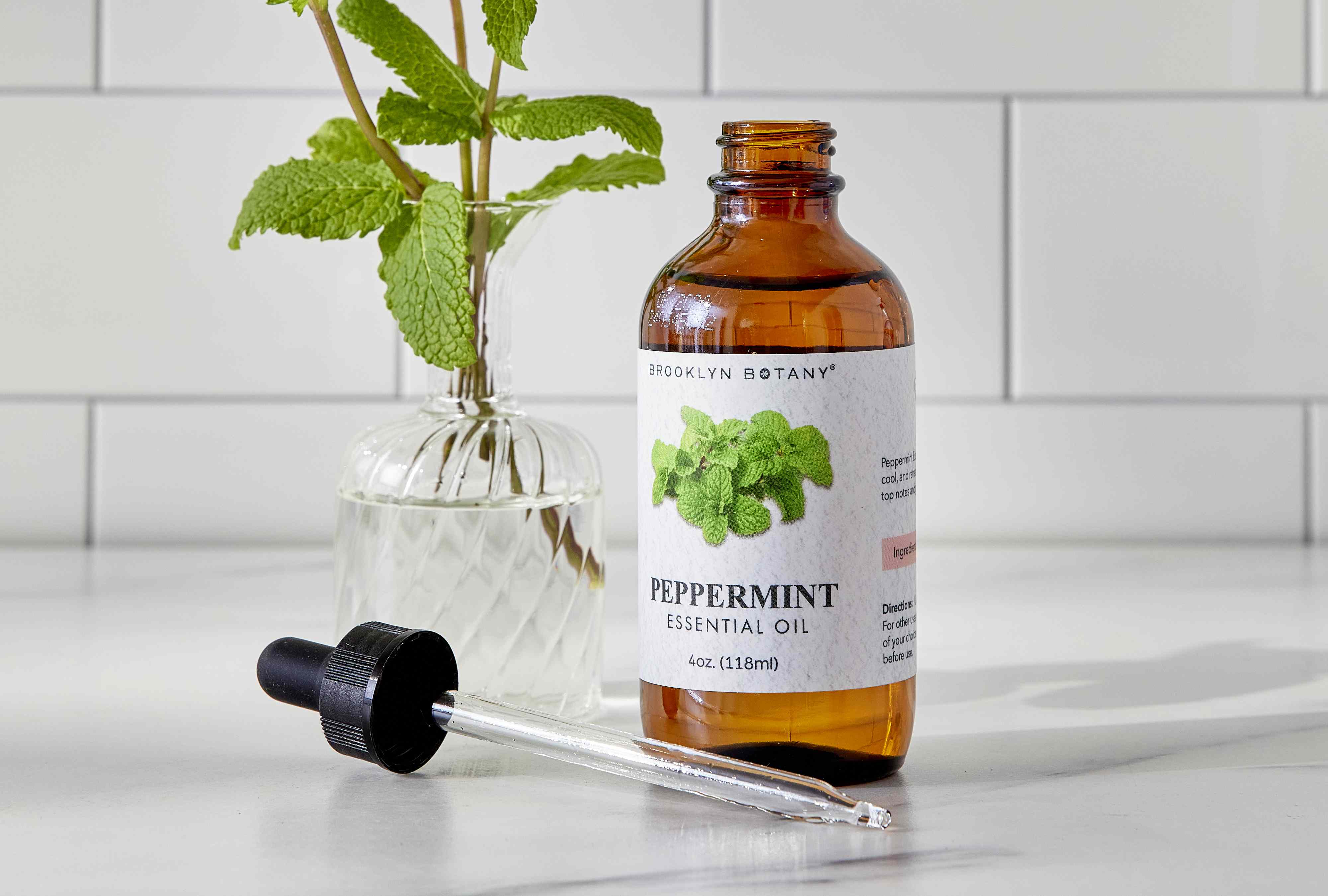
There are few household moments more insulting than spotting a stink bug crawling across your curtain like it pays rent. Naturally, when people want a fast, less-chemical fix, peppermint oil jumps to the front of the line. It smells fresh, feels “natural,” and makes the house smell less like an insect panic and more like a spa that briefly lost control of its guest list.
But does peppermint oil actually keep stink bugs out? The honest answer is: sometimes, a little, but not reliably enough to be your whole strategy. Peppermint oil may help deter stink bugs in certain situations, especially as a short-term scent barrier. Still, pest pros and university extension experts agree that the most effective long-term approach is much less glamorous: seal entry points, remove the bugs physically, reduce hiding spots, and use targeted outdoor treatments only when needed.
If you were hoping for a magical mint mist that sends every stink bug packing with tiny suitcases, I regret to report that real pest management is more boring than that. The good news is that boring works.
Why Stink Bugs End Up in Your House in the First Place
Most homeowners dealing with indoor infestations are usually meeting the brown marmorated stink bug, an invasive species known for crashing homes in fall. These insects are not coming indoors because they love your throw pillows. They are looking for a protected place to overwinter when temperatures cool down.
That is why you often see them clustering on the outside of sunny walls, then sneaking through cracks around windows, doors, siding, utility openings, vents, fascia boards, and attic areas. Once inside, they may hide in wall voids, under trim, behind baseboards, in attics, and other quiet spots until warm indoor conditions wake them up again.
The good news is that stink bugs do not reproduce in your home, chew your walls, or bite people and pets. The bad news is that they are still maddeningly annoying, and when crushed or disturbed, they release that unforgettable odor that smells like cilantro got into a fight with old gym socks.
So, Does Peppermint Oil Keep Stink Bugs Out?
Yes, peppermint oil may help repel stink bugs, but it is not a dependable stand-alone solution.
Research on essential oils and stink bugs suggests that some plant-based oils can have repellent properties. Mint-family oils are part of that conversation, and some university and extension materials note that mint oils can act as deterrents. But there is an important catch: “repellent” is not the same thing as “control.” A bug that avoids one windowsill today may simply walk around the smell tomorrow, or come in through a gap you never knew existed.
In fact, studies often show stronger results for oils like spearmint, clove, and lemongrass than for peppermint specifically. That does not mean peppermint oil is useless. It means the internet has a habit of promoting it like a superhero when, in reality, it is more like a decent side character.
Peppermint oil can be worth trying when:
You want a lower-toxicity deterrent for light stink bug activity.
You are using it alongside sealing and cleaning, not instead of them.
You understand it will need repeated applications.
You are careful around pets, children, and sensitive plants.
Peppermint oil is less likely to solve the problem when:
Stink bugs are already entering through multiple gaps.
You have a seasonal invasion and the bugs are hiding in walls or attics.
You want one treatment to work for weeks without reapplying.
You are dealing with a heavy fall infestation.
Why Peppermint Oil Has Limits
1. It is mainly a deterrent, not a guaranteed killer
Peppermint oil is best thought of as a “maybe don’t come here” signal, not a bug eviction notice stamped by the sheriff. Some plant oils can repel insects, but they often do not provide complete control of hard-bodied pests like adult stink bugs.
2. It does not last very long
Essential oils evaporate. That is why your living room can smell minty at breakfast and merely vaguely hopeful by dinner. Outdoors, sunlight, wind, and temperature swings break down these treatments even faster. Indoors, the scent also fades, which means reapplication is usually necessary.
3. Stink bugs are experts at exploiting small entry points
If there is a gap around a vent, a loose screen, a crack near trim, or a tiny opening around a pipe, stink bugs may still find their way in. No scent spray can compete with a physical doorway, even a very small one.
4. Concentrated oils can create other problems
Essential oils are not risk-free. They can irritate skin, damage some finishes, and burn or spot sensitive foliage. Around pets, especially cats and dogs, essential oils should be handled with care. “Natural” is not the same as “harmless,” which is a lesson both pest control and hot sauce have been trying to teach the public for years.
What Actually Works Better Than Peppermint Oil
Seal the house like you mean it
If experts could put one method on a billboard, it would be exclusion. That means finding and sealing the places stink bugs use to get inside. This includes:
Cracks around window frames and door trim
Gaps around utility lines and pipes
Torn or loose screens
Openings around vents and attic areas
Spaces under exterior doors
Gaps around siding, fascia, and air conditioners
Caulk, weather stripping, door sweeps, screen repairs, and foam sealant can make a huge difference. It is not flashy work, but it is the closest thing homeowners get to real stink bug prevention.
Vacuum them up
When stink bugs are already inside, vacuuming is one of the most recommended removal methods. It is fast, direct, and avoids crushing them by hand. Some pros prefer a shop vac, especially if you add a little soapy water to the canister, because the smell can linger in regular household vacuums. In other words, your vacuum may win the battle but lose the fragrance war.
Use a simple light-and-soapy-water trap
A common expert-approved DIY option is a shallow pan of soapy water placed under a light source. The light attracts the bugs, and the soapy water helps trap them. This will not solve a full infestation by itself, but it can reduce the number of active indoor bugs you see at night.
Clean up the exterior around the foundation
Removing debris, trimming vegetation near the house, and reducing attractive overwintering spots can help. Stink bugs and other nuisance pests benefit from cluttered outdoor areas, especially near foundations, siding, and sheltered edges.
Consider well-timed perimeter treatment if the problem is severe
For heavy infestations, some experts recommend exterior treatments applied at the right time in early fall, before bugs move indoors. These treatments are usually more effective when handled by a licensed pest professional because timing, product choice, and application site all matter. Indoor foggers and random sprays, by contrast, are not considered good long-term solutions.
How to Use Peppermint Oil as a Supporting Tactic
If you still want to use peppermint oil, the smartest way is to treat it as a supporting layer in a broader stink bug prevention plan.
Where it may help
Around window sills and door frames after sealing gaps
On cloths or cotton balls placed near minor problem areas
In rooms where only an occasional bug appears
Near indoor spots where you want a short-term scent barrier
What not to expect
It will not seal cracks.
It will not stop bugs already hiding in wall voids.
It will not replace repairs, screens, or door sweeps.
It will not stay effective forever after one application.
If you buy a ready-made peppermint-based pest product, follow the label exactly. If you are using a homemade approach, test surfaces first, avoid overapplying, and keep the oil away from pets, bedding, food prep areas, and delicate plants unless the product is specifically labeled as safe for those settings.
Peppermint Oil for Gardens vs. Peppermint Oil for Homes
The conversation changes a little depending on where you are fighting stink bugs.
In the garden
Peppermint oil may have some repellent value, but gardeners usually need a more complete integrated pest management approach. That can include hand removal, row covers or fine netting for vulnerable plants, sanitation, and in some cases labeled products chosen for edible crops. Stink bugs are mobile, persistent, and very willing to ignore your optimism if tomatoes are involved.
In the house
Indoors, the main goal is not protecting plants from feeding damage. It is preventing seasonal entry and removing nuisance bugs. Here, peppermint oil can play a minor support role, but sealing and exclusion dominate the strategy.
Common Mistakes People Make
Using scent instead of structural prevention
A peppermint spray on a drafty window is a little like putting perfume on a leaking trash bag. It may improve the mood, but it does not solve the problem underneath.
Crushing the bugs
This creates odor and sometimes stains. Unless vengeance is your only objective, vacuuming is usually the better move.
Spraying random indoor insecticides
Many indoor sprays kill the bugs you hit but do not prevent more from emerging later from hidden spaces. That is why pros keep returning to exclusion and physical removal.
Assuming “natural” means safe everywhere
Essential oils can irritate skin, trigger sensitivities, and be risky for pets. They also may damage certain painted, finished, or porous surfaces. Use them thoughtfully, not like you are seasoning a giant invisible salad.
When to Call a Pest Control Professional
It may be time to call in help when:
You are seeing large numbers of stink bugs every fall.
They are emerging from multiple rooms or upper wall areas.
You cannot identify the entry points.
DIY sealing and removal are not making a dent.
You want targeted perimeter treatment timed before invasion season.
A pro can inspect the structure, identify common access routes, and recommend exclusion work or exterior treatment that fits your home. This is especially useful for houses with lots of siding gaps, attic vents, roof intersections, or hard-to-reach upper exterior areas.
The Bottom Line
Peppermint oil can help discourage stink bugs, but it is not the main event. Think of it as backup singer energy. Pleasant, occasionally useful, but not the person carrying the whole show.
If you want the best odds of keeping stink bugs out, focus on sealing cracks, repairing screens, adding door sweeps, vacuuming indoor bugs, using simple light traps when needed, and considering professional exterior treatment for repeated seasonal invasions. Peppermint oil can fit into that plan as a small extra step, especially for light activity, but it should not be your only defense.
In the end, the real pros do not rely on one miracle scent. They rely on a layered strategy that makes your home harder to enter, less attractive, and easier to manage when a few determined stink bugs still show up with their usual audacity.
FAQ: Fast Answers for Homeowners
Does peppermint oil kill stink bugs?
Not reliably. It is better known as a possible deterrent than a dependable kill method for adult stink bugs.
What scent do stink bugs hate most?
Studies and extension resources often mention several plant oils with repellent effects, including mint-family oils, clove, and lemongrass. But the exact “best” scent is less important than the bigger truth: scent alone rarely solves an infestation.
What is the best way to keep stink bugs out of the house?
Seal entry points, repair screens, add weather stripping and door sweeps, and remove indoor bugs with a vacuum. That is the gold-standard advice across expert sources.
Can I use peppermint oil around pets?
Use caution. Essential oils can be risky for pets, especially in concentrated form. Keep products away from direct pet exposure and follow label directions carefully.
Experience-Based Insights: What People Commonly Notice in Real Life
The following experience-style observations are composite examples based on common patterns homeowners, gardeners, and pest professionals report when dealing with stink bugs.
A very common experience is this: someone starts with peppermint oil because it feels simple and low-stress. They spray around windows, the room smells fantastic, and for a day or two it seems like the problem is solved. Then a warm afternoon rolls around, and three stink bugs suddenly appear near a ceiling light like they missed the memo. That usually becomes the moment people realize the bugs were not reacting only to scent; they were already hiding inside the structure.
Another pattern shows up in homes with older windows or worn weather stripping. Homeowners often report that peppermint oil seems to help most in rooms where the house is already fairly tight and clean. In those spaces, the scent may discourage a few stragglers. But in rooms with obvious drafts, gaps, or damaged screens, the oil does not hold the line for long. Once those cracks are sealed, though, people often feel like every other tactic starts working better too.
Gardeners have a similar story. Many say that peppermint spray feels promising at first because it is easy to mix, easy to apply, and much nicer to use than harsher products. But when stink bugs are feeding on tomatoes, peppers, or fruit, the oil usually works best as a supplement, not a shield. Growers who combine repellents with hand removal, sanitation, crop monitoring, and physical barriers like netting or row covers typically report better results than those who rely on scent alone.
Pest control technicians also see a repeat pattern during fall invasions: people spend weeks trying homemade sprays, but the real turning point happens when the house gets a serious exclusion check. Door sweeps get replaced. Utility gaps get sealed. Vent screens get fixed. Suddenly the daily bug count drops. That experience tends to change how people think about pest control. It stops being about “What should I spray?” and starts being about “Where are they getting in?” That question usually leads to better outcomes.
One more real-world lesson comes up with indoor cleanup. Many people try tissues, shoes, or paper towels first, then immediately regret it because of the smell. After one or two aromatic disasters, they switch to vacuuming or a soapy-water trap and never look back. It is not glamorous, but it is practical. And practical is exactly what wins the annual stink bug argument.
Note: This article is for general educational purposes. For severe infestations, crop-specific treatment, or product-use decisions, follow the pesticide label and local extension or licensed pest-control guidance.











