
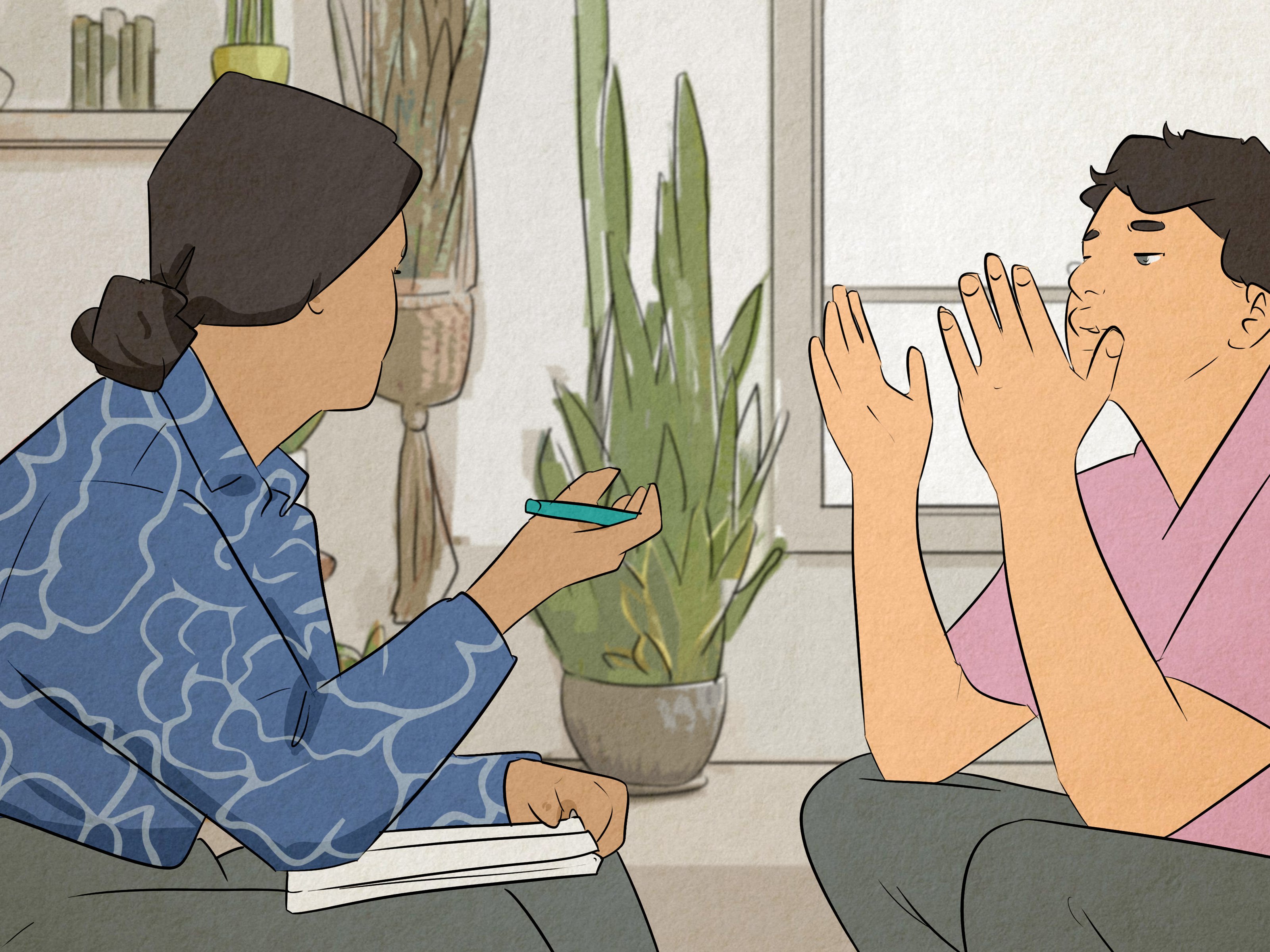
“Drunk words are sober thoughts.” It is one of those sayings people repeat with the confidence of someone who has definitely sent a 1:47 a.m. text and decided philosophy was the best damage control. But is it actually true? Do your true feelings come out when you’re drunk, or does alcohol simply turn your brain into a badly managed group chat?
The honest answer is: sometimes alcohol reveals feelings you already had, but it does not reliably reveal your “true self.” Alcohol lowers inhibitions, clouds judgment, narrows attention, affects memory, changes mood, and makes impulses feel like brilliant ideas wearing a cape. A drunk confession may contain truth, exaggeration, confusion, old resentment, temporary loneliness, or a cocktail of all fourpossibly with lime.
Understanding what alcohol really does to emotions can help you interpret drunken behavior without over-romanticizing it, excusing harmful actions, or treating every tipsy sentence like a courtroom testimony from the soul.
So, Do True Feelings Come Out When You’re Drunk?
Alcohol can make people more likely to express thoughts they would normally filter. That means a quiet crush may become a dramatic love speech. A small irritation may become a full Shakespearean complaint about the way someone loads the dishwasher. A shy person may suddenly become the mayor of karaoke town.
But “less filtered” does not automatically mean “more truthful.” Alcohol affects the brain areas involved in self-control, judgment, decision-making, memory, attention, and emotional regulation. When those systems are impaired, people may say things they partly mean, say things they do not fully mean, say things in a way they would never choose sober, or say things they cannot even remember clearly later.
A better way to phrase the truth is this: alcohol can reveal what is emotionally active in the moment, not necessarily what is deeply, permanently, or accurately true.
Why Alcohol Makes People Say What They Normally Wouldn’t
Alcohol Lowers Inhibitions
Inhibitions are the mental brakes that help you decide, “Maybe I should not tell my boss I think his motivational quotes sound like fortune cookies with Wi-Fi.” Alcohol weakens those brakes. When inhibition drops, people may become more talkative, flirtatious, bold, emotional, risky, or confrontational.
This is why someone who normally hides their feelings might suddenly say, “I miss you,” “I love you,” “I hate how you treated me,” or “I have always wanted to open a taco truck with you.” Some of those statements may point to real thoughts. Others may be emotional confetti thrown by a tired brain at midnight.
Alcohol Impairs Judgment
Judgment is not just about knowing right from wrong. It also helps you understand timing, tone, consequences, privacy, and whether a conversation belongs at a wedding reception or in therapy next Tuesday.
When judgment is impaired, a person may reveal private thoughts without considering the impact. They may confuse intensity with honesty. They may think a risky confession is romantic, when in reality it is arriving with slurred speech, nacho breath, and no plan for the morning after.
Alcohol Narrows Attention
Alcohol can create a kind of mental tunnel vision. The person focuses on whatever feels most obvious or emotionally loud in the moment, while the quieter informationconsequences, context, other people’s feelings, tomorrow’s regretgets pushed to the back row.
For example, someone who feels hurt may focus only on the hurt and forget the larger relationship. Someone who feels attracted may focus only on desire and ignore boundaries. Someone who feels embarrassed may become defensive because their brain is not calmly weighing the whole picture.
Drunk Feelings vs. Sober Feelings: What’s the Difference?
Sober feelings usually have more context. A sober person can think, “I am angry, but I am also tired, and this conversation deserves care.” A drunk person may skip the context and go straight to, “You ruined my life because you didn’t like my Instagram story.” Not exactly a peer-reviewed emotional conclusion.
Alcohol does not create emotions from nothing, but it can amplify, distort, or misdirect them. It can make sadness feel heavier, affection feel urgent, confidence feel invincible, and irritation feel like a personal attack from the universe.
That is why a drunk statement should be treated as emotional data, not final evidence. It may tell you something is going on, but it needs sober follow-up before you turn it into a life decision.
Common Things People Say When Drunkand What They Might Mean
“I Love You”
A drunk “I love you” might be sincere. It might also be loneliness, nostalgia, comfort, attraction, or the warm emotional glow of three margaritas and a playlist from 2014. If someone says this while drunk, the healthiest response is usually not to demand a relationship contract on the spot. Wait until both people are sober, then ask gently, “Did you mean what you said last night?”
“I’m Fine”
Ah yes, the international phrase for “I am absolutely not fine, but I have chosen emotional jazz hands.” Alcohol may make people deny distress even while showing it clearly. If someone says they are fine while crying into a slice of pizza, believe the pizza.
“I Hate You”
Drunk anger can be complicated. It might reflect a real wound or resentment, but alcohol can intensify aggression and weaken emotional control. A drunk insult is not automatically the person’s deepest truth. However, it should not be brushed off if it becomes cruel, threatening, or repeated. Alcohol may explain lowered control, but it does not erase accountability.
“I Miss My Ex”
This may mean unresolved feelings. It may also mean the person is lonely, nostalgic, rejected, stressed, or simply hearing one song too many from the breakup era. Missing someone while drunk does not always mean wanting them back. Sometimes it means the brain opened an emotional junk drawer and spilled everything onto the floor.
Is Alcohol a Truth Serum?
No. Alcohol is not a truth serum. It does not magically unlock a secret chamber where the purest version of someone’s heart sits holding a microphone. It lowers self-control and changes how people process emotions, risks, and social cues.
A person may become more honest while drinking because they are less afraid of rejection or embarrassment. But they may also become less accurate, less thoughtful, less kind, and less capable of explaining themselves clearly. That combination can produce statements that feel raw and realbut raw is not always reliable.
Why Some People Become More Affectionate When Drunk
Some people become sweet, sentimental, and affectionate after drinking. They tell friends they are beautiful. They hug everyone. They compliment strangers’ jackets with the seriousness of an art historian. This can happen because alcohol reduces social anxiety and increases feelings of warmth, reward, or connection.
In these cases, alcohol may loosen the fear that normally keeps affection hidden. The feeling might be real, but the delivery may be exaggerated. A sober person might say, “I appreciate you.” A drunk person might say, “You are the human version of sunrise and I would fight a goose for you.” Same neighborhood, different property value.
Why Some People Become Angry or Mean When Drunk
Alcohol can also make some people more irritable, defensive, impulsive, or aggressive. This does not mean alcohol invented their anger, but it may reduce their ability to manage it. Someone who is carrying stress, jealousy, resentment, insecurity, or shame may express those feelings more harshly when drinking.
Still, being drunk is not a free pass. If someone repeatedly becomes cruel, manipulative, threatening, or unsafe when drinking, the issue is not just “their true feelings came out.” The issue is that alcohol is contributing to harmful behavior, and boundaries are necessary.
Can You Trust a Drunk Confession?
You can take it seriously without taking it literally. A drunk confession is worth noticing, but it should be confirmed sober. Ask yourself:
- Has this person hinted at the same feeling when sober?
- Does their behavior match the confession over time?
- Were they mildly buzzed or severely intoxicated?
- Did the statement come from care, pressure, anger, loneliness, or chaos?
- Can they discuss it clearly the next day?
If someone says they love you when drunk but avoids you when sober, believe the pattern more than the sentence. If someone apologizes drunk but repeats the behavior sober, believe the behavior. If someone reveals pain while drinking and later confirms it calmly, then the drunk moment may have opened the door to a real conversation.
How to Respond When Someone Reveals Feelings While Drunk
Stay Calm in the Moment
Do not turn an intoxicated conversation into a final negotiation. If someone is drunk, their ability to reason clearly may be impaired. A calm response works better than a dramatic one. Try saying, “I hear you. Let’s talk about this tomorrow when we’re both clear-headed.”
Do Not Push for More Details
If someone is emotionally vulnerable while intoxicated, pressing them for more can be unfair. They may not be able to consent to a deep emotional conversation in the way they would when sober. Keep things simple, kind, and safe.
Follow Up Sober
The next day, ask without accusation. Try: “You said something last night that sounded important. Do you want to talk about it?” This gives the person room to clarify, confirm, apologize, or explain.
What If You Said Something Drunk and Regret It?
First, breathe. You are not the first human to wake up and mentally review the previous night like a crime documentary starring yourself. If you said something emotional, confusing, or hurtful, the best move is sober accountability.
Do not hide behind “I was drunk” as if alcohol borrowed your mouth without permission. Instead, say something like, “I’m sorry for how I said that. I was drinking, but I still want to take responsibility. Can we talk about it clearly?”
If what you said was true but badly delivered, own both parts: the feeling and the delivery. If what you said was exaggerated or unfair, correct it. If you notice that alcohol repeatedly leads to conflict, oversharing, risky decisions, or emotional crashes, it may be time to rethink your drinking habits.
When Drunk Behavior Is a Warning Sign
Occasional awkward oversharing is common. Repeated harmful drunk behavior is different. Pay attention if alcohol regularly leads to fights, unsafe sex, driving under the influence, blackouts, aggression, broken trust, missed responsibilities, or relationship damage.
It is also worth paying attention if someone says they need alcohol to be honest, social, romantic, brave, or emotionally open. Alcohol may feel like a shortcut to vulnerability, but over time it can make emotional skills weaker, not stronger. Real intimacy is built through sober honesty, not just late-night confessions with questionable balance.
How to Understand Your Own Drunk Emotions
If you are wondering whether your true feelings come out when you are drunk, look for patterns. Do you always text the same person? Pick the same fight? Cry about the same topic? Become affectionate with people you usually keep at a distance? Those patterns may point to real emotions that deserve sober attention.
Try journaling the next day. Not the dramatic “Dear diary, tequila has revealed my destiny” version, but a practical one. Write down what happened, what you felt, what you remember, and whether the feeling still seems true when sober. If the feeling remains, address it clearly. If it fades, consider whether alcohol amplified a temporary mood.
Real-Life Experiences: What Drunk Feelings Often Look Like
Many people have a story about alcohol and feelings. One common experience is the “unexpected confession.” Imagine someone who has had a crush for months but keeps everything polite. They laugh at the right jokes, reply to texts with safe little emojis, and pretend they are totally normal when the person walks into the room. Then, after a few drinks, the careful filter disappears. Suddenly they are saying, “I think about you all the time,” while holding a plastic cup like it contains destiny. The feeling may be real, but the timing is messy. The next day, the real test is whether they can say something honest without alcohol doing the emotional heavy lifting.
Another common experience is the “old wound remix.” A couple may be having a good night until one person drinks too much and brings up an argument from two years ago. Sober, they might say, “I still feel hurt about that.” Drunk, it becomes, “You never cared about me and also your playlist was bad.” Underneath the exaggeration, there may be a real unresolved issue. But alcohol often turns a repairable conversation into a confusing emotional weather event. The useful part is the signal: something still hurts. The unhelpful part is the delivery: loud, blurry, and possibly wearing one shoe.
Friend groups see this too. Someone who is always the funny one may become sad after drinking. They may admit they feel ignored, tired, or insecure. In that case, alcohol may have lowered the mask they use to keep everyone entertained. But even then, friends should respond with care and follow up later. A supportive sober conversation can do what alcohol cannot: create understanding without confusion.
There is also the “angry drunk” pattern. A person may be charming most of the night, then suddenly become suspicious, critical, or mean. They may later say, “That wasn’t me.” It may be true that sober them would not choose those words. But if the pattern repeats, it is still part of the relationship reality. People are responsible for managing the conditions that make them harmful. If drinking repeatedly leads someone to insult, threaten, manipulate, or scare others, the focus should shift from interpreting hidden feelings to setting firm boundaries and seeking help.
Finally, many people experience the “drunk text spiral.” One message becomes five. Five becomes a paragraph. The paragraph becomes a declaration that should have stayed in drafts until breakfast. The next day brings panic, embarrassment, and a sudden interest in moving to a remote cabin with no cell service. If this sounds familiar, it does not mean every drunk text is meaningless. It means important feelings deserve better timing. A useful rule is simple: if the message still feels true at noon, send the sober version. It will probably be shorter, kinder, and less likely to include twelve exclamation points.
Final Answer: Do Your True Feelings Come Out When You’re Drunk?
Your true feelings can come out when you’re drunk, but alcohol does not guarantee truth. It lowers inhibitions, weakens judgment, amplifies emotions, narrows attention, and makes impulse feel like insight. A drunk confession may reveal something real, but it may also distort, exaggerate, or misrepresent what someone truly believes when sober.
The smartest approach is balance: do not ignore drunk words, but do not worship them either. Treat them as a clue, not a conclusion. The real truth shows up laterin sober conversations, consistent behavior, accountability, and the courage to say what matters without needing a drink to open the door.
Note: This article synthesizes information from reputable U.S.-based health, psychology, and substance-use education sources. It is for educational purposes only and is not a substitute for medical, mental health, or addiction treatment advice.












