
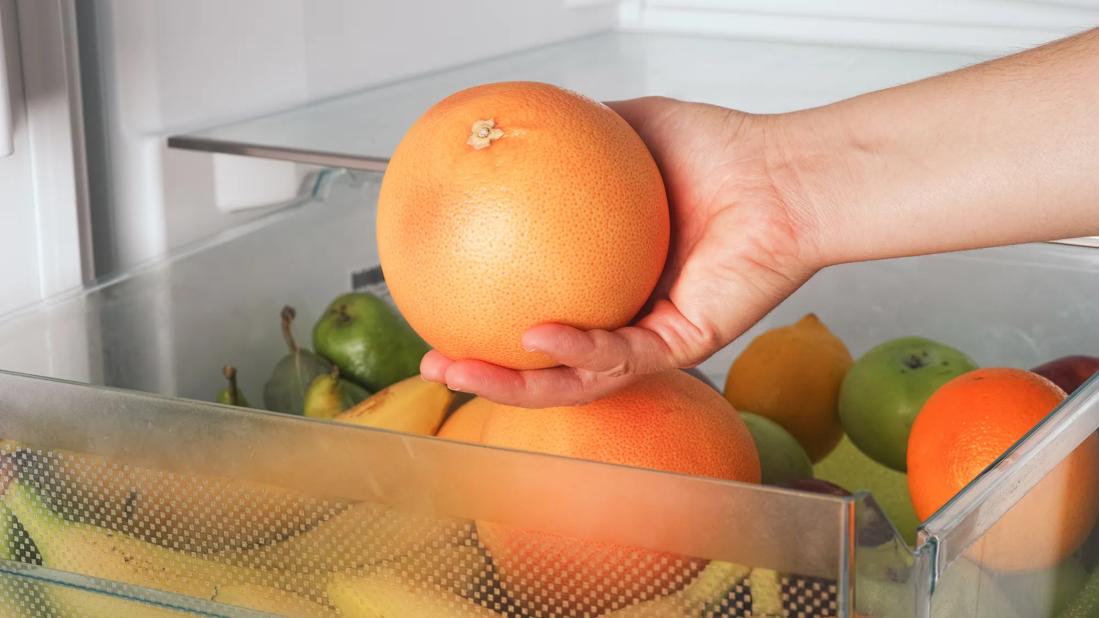
If you take a statin and love grapefruit, welcome to one of the most annoying little dramas in modern medicine. On one side, you have a fruit that looks like health itself in a bowl. On the other, you have a medication that may help protect your heart, brain, and arteries for years. Put them together, though, and the answer is not a cheerful “Sure, why not?”
The short version: grapefruit does not interact with every statin the same way, but it can raise the levels of certain statins in your body and make side effects more likely. That is why the real question is not simply, “Are statins and grapefruit safe together?” It is, “Which statin are you taking, how much grapefruit do you have, and what has your clinician already told you?”
This matters because statins are among the most widely used cholesterol-lowering drugs in the United States. They help reduce LDL cholesterol and lower the risk of heart attack and stroke in many people. So if grapefruit is going to crash the party, it helps to know whether it is a harmless cameo or a full-on scene-stealer.
The Quick Answer
Some statins and grapefruit can mix poorly. The biggest concerns are usually simvastatin and lovastatin. Atorvastatin can also interact, though generally less dramatically. Other statins, including pravastatin, rosuvastatin, fluvastatin, and pitavastatin, are typically considered much less affected.
That means grapefruit is not a universal “never” for every statin user. But it is also not a cute little breakfast gamble you should handle by guessing. If you take an affected statin, grapefruit can push more medicine into your bloodstream than intended. That may increase the odds of muscle pain, weakness, liver-related problems, or in rare but serious cases, muscle breakdown that can harm the kidneys.
So no, this is not the kind of food interaction to settle with internet bravado and a smoothie.
Why Grapefruit Causes Trouble in the First Place
Grapefruit contains natural compounds that interfere with how your body processes certain medications in the digestive tract. In plain English, grapefruit can block part of the system that normally helps break some drugs down before they fully enter the bloodstream.
When that breakdown step is reduced, the statin may hang around in higher amounts than expected. Think of it like a medication traffic jam with the exit ramp partially closed. More drug stays in circulation, and your body can react as though your dose quietly got larger without your prescription ever changing.
This is why grapefruit is not just a random food warning slapped on a label for fun. The interaction is based on pharmacology, not fruit slander.
Which Statins Are Most Affected by Grapefruit?
Statins with the strongest grapefruit concern
Simvastatin and lovastatin are the main names that usually trigger the loudest caution. These drugs depend more heavily on the pathway grapefruit interferes with. As a result, even fairly ordinary grapefruit intake can raise drug levels more than many people expect.
If you take simvastatin or lovastatin, the safest practical move is usually simple: do not make grapefruit a regular part of your routine unless your own prescriber has clearly said otherwise.
Statins with a moderate concern
Atorvastatin lives in the middle of the conversation. It can interact with grapefruit, but the effect is often smaller than with simvastatin or lovastatin. That does not mean it is automatically fine. Dose matters. Amount matters. Your body’s metabolism matters. And “I only drink a big glass every morning” may not be as modest as it sounds.
For people on atorvastatin, an occasional small amount may not carry the same concern as repeated large servings. Still, this is exactly the kind of gray zone that deserves a pharmacist or clinician, not a coin toss.
Statins usually considered less affected
Pravastatin, rosuvastatin, fluvastatin, and pitavastatin are generally considered much less likely to have a meaningful grapefruit interaction. For some patients, that makes them useful alternatives when grapefruit is a beloved habit and cholesterol treatment still needs to happen.
This does not mean “ignore all labels forever.” It means the interaction profile is different, and sometimes a switch can solve the problem without asking you to break up with citrus.
What Could Happen If You Mix Grapefruit with the Wrong Statin?
Not every person will feel an immediate symptom. In fact, that is part of what makes this interaction sneaky. You can feel perfectly normal while drug levels are higher than intended.
When symptoms do happen, the most common concern is muscle-related side effects. That can include:
- Muscle soreness that seems out of proportion to your activity
- Unusual weakness
- Cramps or tenderness
- Feeling wiped out for no obvious reason
More rarely, statin levels that climb too high may contribute to rhabdomyolysis, a serious condition in which muscle tissue breaks down. That can stress the kidneys and become a medical emergency. It is uncommon, but rare does not mean imaginary.
Liver-related symptoms can also matter. If you develop dark urine, yellowing of the skin or eyes, unusual fatigue, poor appetite, or pain in the upper right side of the abdomen, that is not the time to become stoic and “see how it goes by Tuesday.”
Can You Just Take Grapefruit and Your Statin at Different Times?
This is the classic workaround people hope will save both heart health and brunch. Unfortunately, it is not a reliable fix.
The grapefruit effect does not necessarily disappear in a neat two-hour window. The interaction can linger, which means drinking grapefruit juice in the morning and taking your statin later does not guarantee safety. Timing tricks may sound clever, but biology is rarely impressed by clever.
If your medicine guide warns against grapefruit, assume the timing hack is not the solution unless your clinician has given you a specific plan.
Does Fresh Grapefruit Count, or Is It Just the Juice?
Fresh grapefruit counts too. Juice gets most of the attention because it is easy to consume in larger amounts, but the fruit itself can still matter. So can products that contain grapefruit juice as an ingredient.
And grapefruit is not the only citrus worth mentioning. Related fruits such as pomelos, tangelos, and Seville oranges may cause similar issues in some situations. Seville oranges show up in certain marmalades, which is a wonderfully unfair twist if you were just trying to feel fancy at breakfast.
Should You Stop Your Statin If You Accidentally Had Grapefruit?
Usually, no. Do not stop a statin on your own just because you realized your fruit salad got a little ambitious.
If it was a one-time small amount and you feel fine, the safest next step is usually to call your pharmacist or prescribing clinician and ask what they want you to do based on your exact statin and dose. If you have symptoms like muscle pain, weakness, fever, dark urine, or extreme fatigue, seek prompt medical advice.
The bigger mistake is often not the grapefruit itself. It is quietly stopping a heart-protective medication without a plan.
Who Should Be Especially Careful?
Extra caution makes sense if any of these apply to you:
- You take simvastatin or lovastatin
- You take a higher statin dose
- You already had muscle side effects on statins before
- You take other medications that also raise statin levels
- You have kidney disease, liver disease, or untreated hypothyroidism
- You drink grapefruit juice often, not just once in a while
Drug interactions are rarely a solo act. Sometimes grapefruit is only one piece of a larger puzzle that includes antibiotics, antifungals, heart medications, transplant drugs, or supplements.
What Should You Ask Your Doctor or Pharmacist?
If you want a practical conversation instead of vague warnings, ask these questions:
- Does my specific statin interact with grapefruit?
- Is the concern occasional intake or only large, regular servings?
- Would another statin fit my treatment plan better?
- What symptoms should make me call right away?
- Do any of my other medicines also raise my risk of muscle injury?
Those five questions can save a lot of confusion, and possibly save your breakfast habits too.
Smart, Real-World Ways to Handle the Problem
If you are trying to stay sane and safe, here is the practical playbook:
- Read the medication guide that comes with your statin.
- Do not assume all statins behave the same way.
- Do not rely on spacing doses apart as your personal chemistry experiment.
- Keep a full medication list and show it to your clinician or pharmacist.
- Ask about switching statins if grapefruit is a regular part of your diet.
- Report muscle pain, weakness, dark urine, or severe fatigue promptly.
That last point matters more than people think. Many patients shrug off muscle symptoms because they blame age, exercise, sleep, stress, or yesterday’s heroic attempt at yard work. Sometimes that is true. Sometimes it is not.
So, Do Statins and Grapefruit Safely Mix?
Sometimes yes, often no, and never by assumption.
If you take simvastatin or lovastatin, grapefruit is generally a bad idea unless your clinician specifically says otherwise. If you take atorvastatin, the answer is more nuanced, but caution is still appropriate. If you take pravastatin, rosuvastatin, fluvastatin, or pitavastatin, grapefruit is usually much less of an issue.
The safest bottom line is wonderfully unglamorous: know your exact statin, read the label, and ask before making grapefruit a daily ritual. Your heart medication should not have to wrestle your breakfast menu for dominance.
Everyday Experiences People Commonly Have with Statins and Grapefruit
One of the most common experiences is simple surprise. A person starts a statin, keeps their normal breakfast routine, and has no idea grapefruit is even part of the conversation. They are trying to be healthy, after all. Oatmeal, grapefruit, maybe a brisk walk. It feels like a gold-star morning. Then a pharmacist mentions the interaction at refill time, and suddenly breakfast has turned into a biochemistry lecture.
Another common experience is confusion because one doctor says “avoid it,” while a friend says, “My cardiologist told me a little is fine.” Both can sound true because they may be talking about different statins. Someone on simvastatin may need a much firmer grapefruit warning than someone on rosuvastatin. Patients often feel frustrated here, but the real issue is not mixed messaging so much as mixed medications.
Some people notice muscle aches and never connect them to grapefruit at all. They may assume the pain came from gardening, lifting groceries, getting older, or sleeping in a position that made their back mad. Only later, when a clinician asks about diet and juice habits, does the pattern start to make sense. It is not always dramatic. Sometimes it is just a creeping “Why do my legs feel weird this week?” kind of story.
There are also patients who feel totally fine and still need to make a change. That can be hard psychologically. People often think, “If I do not feel bad, how dangerous can it be?” But drug interactions do not always announce themselves with fireworks. A person can have higher-than-ideal drug exposure without obvious symptoms, which is exactly why preventive counseling matters.
Another familiar experience is bargaining. “What if I only drink it on weekends?” “What if I switch from juice to half a grapefruit?” “What if I take the pill at night?” This is deeply human and very understandable. People do not want their medication to control every food decision. But this is where good pharmacy advice becomes valuable. Sometimes the answer really is to avoid grapefruit. Sometimes the better answer is switching to a different statin that better matches the person’s lifestyle.
Many patients feel relieved when they learn they may not have to choose between cholesterol control and enjoying fruit forever. If their treatment plan allows, a clinician may move them to a statin with less grapefruit interaction. That moment tends to feel less like “medical drama” and more like “finally, a grown-up solution.”
And then there is the label-reader experience. Once someone learns about grapefruit interactions, they start spotting it everywhere: juice blends, flavored sparkling drinks, fruit cups, marmalades, “citrus” wellness products. It becomes a small detective game. Slightly annoying, yes, but also empowering. The more a person understands their own medication, the less likely they are to be blindsided by a preventable problem.
In real life, that is the heart of the issue. Most people are not trying to be reckless. They are trying to eat well, follow directions, and stay healthy. The best outcomes usually happen when the medication plan fits the person’s actual habits instead of expecting them to memorize a secret rulebook written by a grapefruit.











