
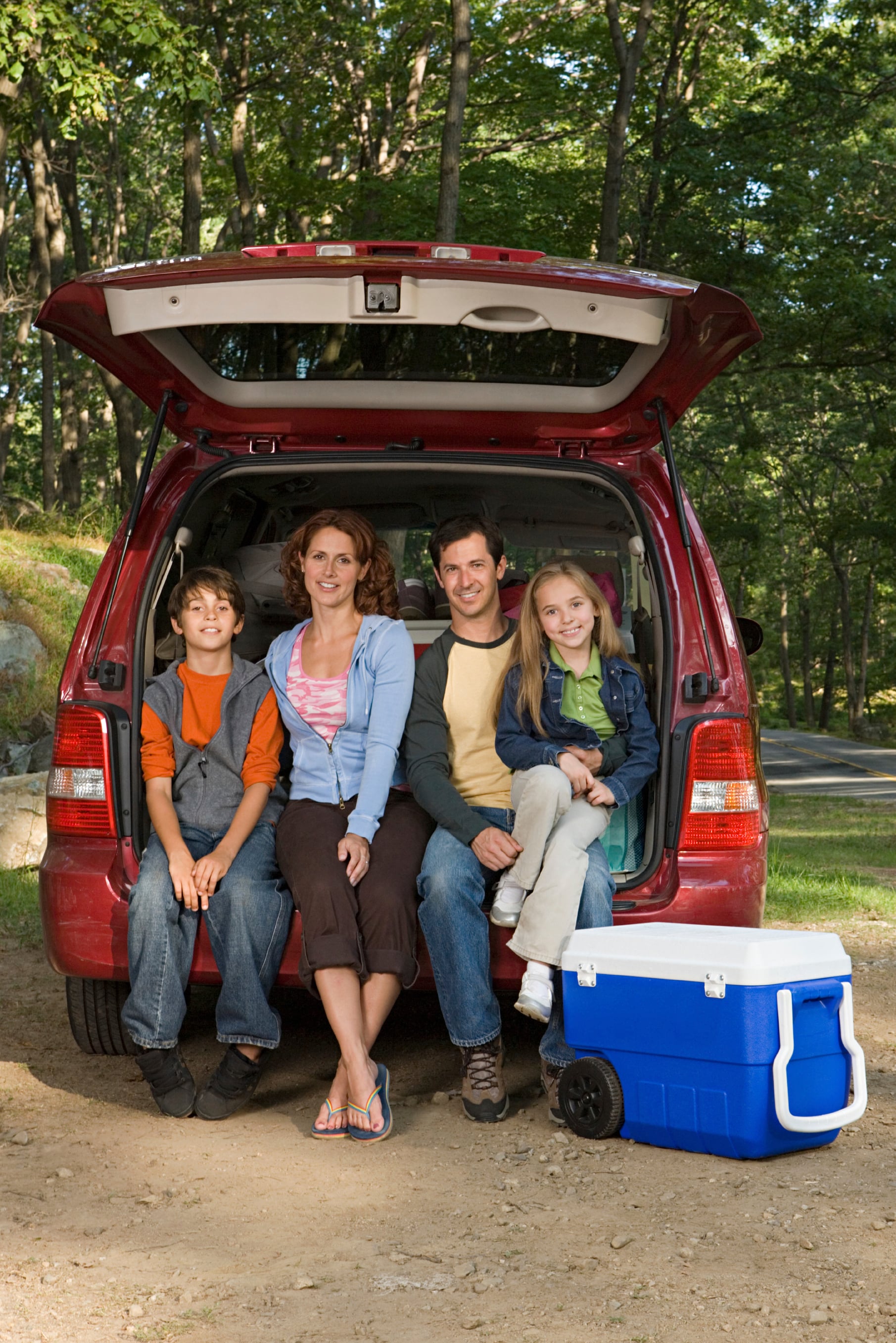
Summer driving has a funny way of making everyone feel optimistic. The playlist is perfect, the iced coffee is sweating in the cup holder, and the open road looks like it personally invited you to have a great day. Then the tire-pressure light blinks, the phone battery dies, someone asks if you packed sunscreen, and suddenly your relaxing road trip has the emotional texture of a pop quiz.
That is why a DIY summer car kit is not just for overprepared dads, camping enthusiasts, or people who own laminated checklists. It is a smart, low-cost way to make summer travel safer, calmer, and far less chaotic. Whether you are commuting in high heat, heading to the beach, driving across state lines, or just running errands while the asphalt tries to cook your shoes, a seasonal car emergency kit can help you handle delays, breakdowns, dehydration, dead batteries, flat tires, sun exposure, and other warm-weather surprises.
The best part? You do not need a fancy survival trunk that looks like it belongs in a disaster movie. A practical summer car kit can be built with simple items, a small storage bin, and a realistic understanding of how summer treats vehicles: not gently.
Why You Need a DIY Summer Car Kit
Hot weather is tough on both people and cars. Heat can strain batteries, increase tire-pressure concerns, make fluids work harder, and turn a minor delay into an uncomfortable situation. Add traffic, road construction, thunderstorms, crowded highways, and the occasional “I thought you packed the charger” moment, and summer driving can become unpredictable very quickly.
A summer emergency car kit gives you three big advantages. First, it helps you stay safe while waiting for roadside assistance. Second, it lets you solve small problems before they become large, expensive problems. Third, it reduces panic. Panic is rarely useful unless you are a squirrel crossing a road, and even then, results vary.
Your kit should focus on five summer-specific priorities: hydration, visibility, communication, basic vehicle support, and protection from heat and sun. Think of it as a seasonal upgrade to a regular roadside emergency kit.
Start With the Right Container
Before buying supplies, choose a container that fits your vehicle and lifestyle. A clear plastic storage bin with a locking lid works well for most drivers because you can see what is inside without performing an archaeological dig. For smaller cars, a collapsible trunk organizer or heavy-duty tote bag may be easier to manage.
Keep the kit in the trunk, cargo area, or under a rear seat if your vehicle has storage space. Avoid placing loose tools or heavy items in the passenger cabin where they can slide around or become hazardous during sudden braking. Label the kit clearly: “Summer Car Kit” or “Roadside Emergency Kit.” This prevents the classic family mystery where the first-aid kit becomes mixed with beach towels, snack wrappers, and one flip-flop of unknown origin.
Essential Items for a DIY Summer Car Kit
1. Water for People, Not the Radiator
Water is the heart of any summer car survival kit. Pack enough bottled water for every regular passenger, plus extra in case of delays. For a short local kit, several sealed bottles may be enough. For a road trip, consider one gallon of drinking water per person for emergency use.
Store water in a shaded area of the vehicle when possible and rotate it regularly, especially after long periods of extreme heat. Water is not exciting, but when you are stuck in traffic under a sun that feels personally offended by clouds, it becomes the most glamorous item in the car.
2. Electrolytes and Heat-Friendly Snacks
Pack snacks that can survive summer temperatures. Granola bars, nuts, trail mix, crackers, dried fruit, pretzels, and shelf-stable protein bars are good options. Avoid chocolate unless your goal is to create a dessert-based crime scene in the glove box.
Electrolyte powder packets or tablets can also be useful, especially for long drives, hikes, beach trips, sports events, or travel through very hot areas. They take up little space and can help replace minerals lost through sweating. Keep them sealed and check expiration dates a few times a year.
3. Phone Charger and Backup Power Bank
A working phone is one of the most important roadside safety tools. Pack a car charger that fits your device, a backup cable, and a charged power bank. If your family uses different phone types, include multiple cables or a multi-tip charging cord.
For longer trips, write down key phone numbers on paper and store them in the kit. Include roadside assistance, insurance, emergency contacts, hotels, and any medical contacts you may need. Yes, paper. It still works when your phone decides to become a decorative rectangle.
4. First-Aid Kit
A basic first-aid kit belongs in every car, but summer gives it extra importance. Scrapes, blisters, bug bites, headaches, minor burns, and random “how did you cut yourself on a cooler?” incidents are all part of warm-weather travel.
Your kit should include adhesive bandages, gauze, antiseptic wipes, medical tape, tweezers, disposable gloves, pain reliever, allergy medicine if appropriate, and any personal medications your household may need. If you travel with kids, consider adding child-safe items approved by a parent or guardian. Check medicines often because heat can affect storage quality, and expired supplies are about as helpful as a screen door on a submarine.
5. Sunscreen and Sun Protection
A smart summer road trip kit should include broad-spectrum sunscreen, sunglasses, a wide-brimmed hat, and lightweight protective clothing. Sunscreen should be stored carefully because excessive heat and direct sun can reduce product quality over time. A small insulated pouch can help, but the best plan is to rotate sunscreen frequently and avoid leaving it baking in the car for months.
Add SPF lip balm, after-sun lotion, and a small pack of cooling wipes if your summer plans include beaches, parks, outdoor concerts, or roadside waits. Sun protection is not just for vacation days. The sun does not check your calendar before roasting your left arm through the driver-side window.
6. Flashlight, Headlamp, and Extra Batteries
A flashlight is essential if you have to inspect a tire, look under the hood, find supplies at night, or signal for help. A headlamp is even better because it keeps your hands free. Pack extra batteries, or choose a rechargeable flashlight and check the charge monthly.
Do not rely only on your phone flashlight. Your phone may be needed for calls, navigation, or emergency alerts. Also, holding a phone between your teeth while changing a tire is not the elegant solution people imagine it will be.
7. Reflective Triangles or Road Flares
If your vehicle breaks down, visibility matters. Reflective triangles, LED road flares, or emergency beacons help other drivers see you. This is especially important at night, in rain, on curves, or along busy highways.
Store these items where you can reach them quickly. Learn how to place them safely before you need them. During a roadside emergency, stay as far from traffic as possible and call for help when needed.
8. Jumper Cables or Portable Jump Starter
Summer heat can be hard on car batteries, and a weak battery often fails at the least convenient time. Jumper cables are useful, but a portable jump starter gives you more independence because you do not need another vehicle immediately available.
If you buy a jump starter, choose one that matches your vehicle size, keep it charged, and read the instructions before an emergency. The side of the road is not the best classroom, especially when the pavement feels like a pizza stone.
9. Tire Pressure Gauge and Portable Inflator
Tires deserve special attention in summer. Hot weather, long drives, heavy loads, and underinflation can increase stress on tires. Pack a reliable tire pressure gauge and check tire pressure when tires are cold, using the pressure listed on the driver-side door placard or in the owner’s manual, not the number printed on the tire sidewall.
A portable air compressor or tire inflator can be extremely helpful. Add a tire tread depth gauge if you want to be extra prepared. Also make sure your spare tire, jack, and lug wrench are present and usable. Many drivers discover their spare tire is flat only after they need it, which is the automotive version of finding out your umbrella is decorative.
10. Basic Tools and Duct Tape
You do not need to become a roadside mechanic, but a small tool kit can help with minor fixes. Include screwdrivers, pliers, an adjustable wrench, zip ties, work gloves, shop towels, and duct tape. Duct tape is not a permanent repair, but it can temporarily secure a loose part or help manage small problems until you reach help.
Work gloves are especially useful in summer because metal parts, pavement, and tools can get very hot. A kneeling pad or folded towel can also make changing a tire less miserable.
11. Cooling Supplies
Summer emergencies are often heat emergencies. Add instant cold packs, cooling towels, a spray bottle, a handheld fan, and a light emergency blanket. Although emergency blankets are often associated with cold weather, they can also be used as shade or a reflective barrier in certain situations.
Never leave children, pets, older adults, or anyone vulnerable alone in a parked car, even for a short time. Cars can become dangerously hot quickly, and cracking the window is not a safe solution. Build your kit for delays, not for leaving anyone inside a vehicle.
12. Paper Map and Written Route Notes
GPS is wonderful until service disappears, your battery dies, or your navigation app decides a dirt road is “technically faster.” Keep a paper map or printed route notes in your kit, especially for road trips, rural drives, national parks, mountains, or desert areas.
Before long trips, share your route and estimated arrival time with someone you trust. It is a simple safety habit that costs nothing and makes you look impressively organized.
13. Rain and Storm Items
Summer weather can switch from sunny to dramatic faster than a reality-show reunion. Pack a compact rain poncho, small umbrella, windshield washer fluid, microfiber towel, and fresh wiper blades if yours are worn. Visibility is safety, and summer storms can make old wipers sound like two squirrels arguing on your windshield.
Also consider a small waterproof pouch for important documents, cash, and copies of insurance or roadside assistance details.
Vehicle Checks Before Summer Driving
A DIY summer car kit is helpful, but prevention is even better. Before the season gets serious, schedule or perform basic maintenance. Check your oil, coolant, brake fluid, windshield washer fluid, belts, hoses, brakes, tires, battery, lights, and air conditioning. If you are planning a long road trip, have a qualified mechanic inspect the vehicle, especially if you do not know its service history.
Pay special attention to the cooling system. Low coolant, aging hoses, or a failing radiator cap can turn a normal summer drive into a steam-powered roadside performance nobody asked to attend. Keep up with manufacturer-recommended service intervals and address warning lights promptly.
How to Pack Your Summer Car Kit Like a Pro
Divide your kit into smaller categories so you can find things quickly. Use resealable bags or small pouches labeled “First Aid,” “Tools,” “Food,” “Light,” “Documents,” and “Sun Protection.” Heavy items should go on the bottom. Frequently used items, like sunscreen or chargers, should be easy to reach.
Do a seasonal refresh at the start of summer and again halfway through. Replace expired food, check batteries, recharge power banks and jump starters, inspect water bottles, and confirm that personal medications are current. A kit you never check is basically a museum exhibit in your trunk.
DIY Summer Car Kit Checklist
- Drinking water
- Electrolyte packets
- Heat-safe snacks
- Phone charger and backup cable
- Charged power bank
- First-aid kit
- Personal medications
- Broad-spectrum sunscreen
- SPF lip balm
- Sunglasses and hat
- Flashlight or headlamp
- Extra batteries
- Reflective triangles or LED flares
- Jumper cables or portable jump starter
- Tire pressure gauge
- Portable tire inflator
- Work gloves
- Basic tools
- Duct tape and zip ties
- Cooling towels or instant cold packs
- Rain poncho
- Microfiber towel
- Paper map
- Emergency contact list
- Small amount of cash
- Copies of insurance and roadside assistance information
Common Mistakes to Avoid
The first mistake is packing items and never checking them again. Summer heat can age supplies quickly. Food expires, batteries drain, water bottles degrade, sunscreen loses quality, and power banks slowly discharge.
The second mistake is storing everything in random places. A flashlight in the glove box, water in the trunk, tools under a seat, and first-aid supplies in a beach bag may technically count as “having supplies,” but it does not help when you need them quickly.
The third mistake is overpacking. Your kit should be useful, not so large that it steals your entire cargo area. Focus on practical items you understand how to use.
The fourth mistake is ignoring the vehicle itself. A roadside kit cannot replace bald tires, bad brakes, weak batteries, or overdue maintenance. The kit is your backup singer. Your well-maintained car is still the lead vocalist.
Real-World Experiences: What a DIY Summer Car Kit Actually Teaches You
The first thing you learn from keeping a DIY summer car kit is that small problems rarely announce themselves politely. A low tire does not wait until you are parked in your driveway. A dead phone does not care that your confirmation number is in your email. A thunderstorm does not check whether your wiper blades are still clinging to life by sheer optimism.
One of the most common summer driving experiences is the “quick errand” that turns into a longer trip. You leave home planning to pick up groceries, then remember the pharmacy, then stop for gas, then get stuck behind roadwork that appears to be managed by cones with advanced degrees. Suddenly, a twenty-minute outing becomes two hours in bright sun. Having water, sunglasses, a phone charger, and a snack in the car turns that inconvenience into a shrug instead of a sweaty personal crisis.
Another lesson comes from beach and lake days. Sand gets everywhere. Wet clothes appear. Someone always needs a bandage, a towel, sunscreen, or a place to put a leaking water bottle. A summer car kit with wipes, towels, sunscreen, extra water, and resealable bags can save the interior of your car from becoming a mobile swamp. It also protects your mood, which is important because nothing tests human patience like finding crushed crackers in a seatbelt buckle.
Road trips offer the clearest proof that preparation matters. You may never need your jump starter, tire gauge, or reflective triangles, and that is wonderful. Emergency supplies are like insurance with zippers: boring until they are suddenly the most interesting thing you own. On long drives, a simple kit creates confidence. You know that if traffic stops, weather shifts, or your car complains, you have a first step ready.
A good summer car kit also changes how you pack. Instead of tossing everything into the vehicle at the last second, you start thinking in zones: people comfort, vehicle safety, communication, weather, and documents. This habit makes family travel smoother. Passengers know where the water is. The charger is not missing. The first-aid kit is not buried under six beach chairs and a cooler full of suspiciously warm grapes.
Perhaps the biggest experience is mental. Preparation lowers stress. It turns “What do we do now?” into “Open the kit.” That does not mean every situation becomes easy. A flat tire in July is still annoying. Waiting for a tow truck is still not anyone’s dream afternoon. But with water, shade, visibility tools, a charged phone, and basic supplies, you are safer and more comfortable.
The real beauty of a DIY summer car kit is that it grows with your life. A solo commuter may need a compact kit with water, a charger, flashlight, and tire gauge. A parent may add kid-safe snacks, wipes, sunscreen, and extra hats. A road tripper may include maps, a larger power bank, more water, and a portable inflator. Someone driving through desert heat may prioritize hydration and cooling supplies. The right kit is not the biggest kit; it is the kit that matches your actual driving.
After one summer with a well-stocked car kit, you may wonder why you ever drove without one. It is not dramatic. It does not beep, sparkle, or come with a heroic soundtrack. It simply sits in your car, quietly waiting to make a bad day less bad. And honestly, that is exactly the kind of summer travel companion everyone needs.
Conclusion
A DIY summer car kit is one of the simplest upgrades you can make before hot-weather driving season. It helps you stay hydrated, visible, connected, protected, and better prepared for roadside surprises. You do not need to spend a fortune or pack like you are crossing a continent by camel. Start with the essentials: water, snacks, phone power, first aid, sunscreen, flashlight, tire tools, jumper support, reflective gear, and important documents.
Then personalize the kit for your climate, route, passengers, and travel habits. The goal is not paranoia. The goal is practical confidence. Summer is more fun when your car is ready for the heat, your supplies are easy to find, and your road trip does not depend entirely on luck and gas-station snacks.
Note: This article is written in standard American English for web publication and is based on synthesized real-world safety, vehicle maintenance, heat-preparedness, and summer travel guidance from reputable U.S. sources.












