
Anemia can make ordinary life feel like someone quietly replaced your battery with a tired potato. You may feel weak, dizzy, short of breath, unusually cold, or simply exhausted after doing things that normally feel easy. While anemia can have several causes, iron deficiency anemia is one of the most common types, and food can play a meaningful role in supporting healthy iron levels.
A smart diet plan for anemia is not about eating spinach with the seriousness of a movie villain. It is about building meals that deliver iron, help your body absorb that iron, and avoid common food pairings that accidentally block absorption. The best meals usually combine iron-rich foods with vitamin C, enough protein, and a realistic schedule you can actually follow on a busy Tuesday.
Before we dive into the food, one important note: not all anemia is caused by low iron. Some cases are related to vitamin B12, folate, chronic disease, blood loss, pregnancy, heavy menstrual bleeding, or other medical conditions. If you suspect anemia, a blood test and professional guidance are essential. Food is powerful, but it is not a magic wand wearing an apron.
Understanding Anemia and Why Iron Matters
Iron is a mineral your body uses to make hemoglobin, the protein in red blood cells that carries oxygen. When iron levels are too low, your body may struggle to produce enough healthy red blood cells. Less oxygen delivery can lead to fatigue, weakness, headaches, pale skin, brittle nails, cold hands and feet, fast heartbeat, or unusual cravings such as chewing ice.
The goal of an anemia-friendly eating plan is simple: provide enough iron and make that iron easier to absorb. However, the body treats different forms of iron differently. That is where meal planning becomes more useful than simply shouting “more iron!” at your grocery cart.
Heme Iron vs. Non-Heme Iron: The Two Main Types
Dietary iron comes in two main forms: heme iron and non-heme iron. Heme iron is found in animal foods such as beef, poultry, fish, and shellfish. It is generally absorbed more efficiently by the body. Non-heme iron is found in plant foods such as lentils, beans, tofu, spinach, nuts, seeds, and fortified grains. It is valuable, but it often needs a little help from vitamin C to improve absorption.
This does not mean a vegetarian or mostly plant-based diet cannot support iron levels. It absolutely can, but it requires more strategic pairings. Think lentils with tomatoes, tofu with broccoli, fortified cereal with strawberries, or black beans with bell peppers. Basically, vitamin C is the friendly roommate that helps plant-based iron move in.
Best Iron-Rich Foods for Anemia
Animal-Based Foods High in Iron
Animal foods provide heme iron, which is usually the easiest form for the body to absorb. Good choices include lean beef, turkey, chicken, pork, tuna, sardines, salmon, shrimp, clams, oysters, and eggs. Shellfish such as clams and oysters can be especially rich in iron, though they may not be everyday foods for everyone’s budget or taste buds.
Red meat can be useful in an iron-focused diet, but it does not need to dominate every plate. A balanced approach might include lean beef once or twice a week, poultry or fish on other days, and plant-based iron foods throughout the week. Your plate should look like a meal, not a medieval banquet.
Plant-Based Foods High in Iron
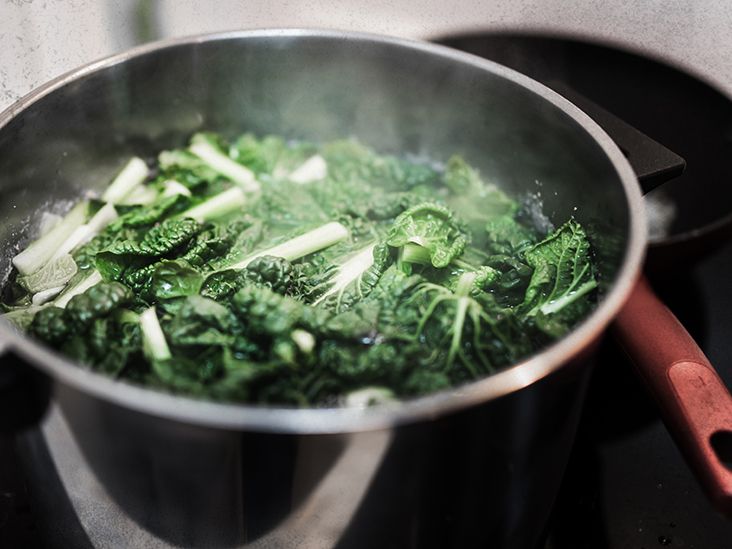
Plant-based iron foods are excellent for building an anemia-friendly diet. Top options include lentils, chickpeas, kidney beans, black beans, white beans, edamame, tofu, tempeh, pumpkin seeds, sesame seeds, cashews, almonds, quinoa, oatmeal, fortified breakfast cereals, fortified breads, spinach, kale, collard greens, peas, dried apricots, raisins, prunes, and figs.
Because plant iron is non-heme iron, pair these foods with vitamin C whenever possible. A bean chili with tomatoes, spinach salad with strawberries, oatmeal with berries, or tofu stir-fry with broccoli and bell peppers can turn a decent iron meal into a smarter one.
Vitamin C: The Best Friend of Iron Absorption
Vitamin C helps the body absorb non-heme iron more effectively. This is one of the simplest upgrades you can make to a diet plan for anemia. Add citrus fruits, strawberries, kiwi, tomatoes, bell peppers, broccoli, cabbage, potatoes, or papaya to meals that contain plant-based iron.
Here are easy pairings that work beautifully:
- Fortified oatmeal with strawberries and a small handful of pumpkin seeds
- Lentil soup with tomatoes and a squeeze of lemon
- Spinach salad with oranges, grilled chicken, and sunflower seeds
- Black bean tacos with bell pepper salsa
- Tofu stir-fry with broccoli and red peppers
- Chickpea bowl with tomatoes, parsley, and lemon dressing
The idea is not complicated: iron plus vitamin C equals a better chance your body can use what you ate. Your stomach does not need a TED Talk; it needs smart combinations.
Foods and Drinks That May Block Iron Absorption
Some foods and drinks can reduce iron absorption when consumed at the same time as iron-rich meals. Tea and coffee contain compounds that can interfere with non-heme iron absorption. Calcium-rich foods and calcium supplements may also reduce absorption when taken with iron. This does not mean you must break up with coffee, milk, or yogurt forever. It simply means timing matters.
If you are trying to improve iron levels, consider drinking coffee or tea between meals instead of with meals. If you take calcium supplements, ask your healthcare provider whether you should separate them from iron-rich meals or iron supplements. Also, if you take antacids or certain medications, check with a clinician or pharmacist because stomach acid and medication timing can affect iron absorption.
A Simple 7-Day Diet Plan for Anemia
This sample meal plan focuses on iron-rich foods, vitamin C pairings, and balanced meals. Adjust portions based on age, activity level, medical needs, and professional advice.
Day 1
Breakfast: Fortified oatmeal topped with strawberries, pumpkin seeds, and a spoonful of peanut butter.
Lunch: Turkey and spinach wrap with tomato slices and a side of oranges.
Dinner: Lean beef and vegetable stir-fry with broccoli, bell peppers, and brown rice.
Day 2
Breakfast: Fortified cereal with sliced kiwi. If using milk, consider having vitamin C fruit alongside it.
Lunch: Lentil soup with tomatoes, carrots, and lemon juice, served with whole-grain toast.
Dinner: Baked salmon with roasted sweet potatoes and sautéed kale.
Day 3
Breakfast: Scrambled eggs with spinach and tomatoes, plus a small bowl of berries.
Lunch: Chickpea salad with bell peppers, cucumber, parsley, and lemon vinaigrette.
Dinner: Chicken tacos with black beans, cabbage slaw, and fresh salsa.
Day 4
Breakfast: Whole-grain toast with almond butter, raisins, and orange slices.
Lunch: Tuna salad bowl with leafy greens, potatoes, tomatoes, and green beans.
Dinner: Tofu and broccoli stir-fry with red bell peppers over quinoa.
Day 5
Breakfast: Smoothie made with strawberries, spinach, Greek yogurt, and fortified cereal on the side.
Lunch: Beef chili with beans, tomatoes, onions, and peppers.
Dinner: Shrimp with brown rice, roasted vegetables, and a citrus salad.
Day 6
Breakfast: Oatmeal with dried apricots, chia seeds, and blueberries.
Lunch: Black bean and sweet potato bowl with avocado, tomatoes, and lime.
Dinner: Turkey meatballs with whole-grain pasta, tomato sauce, and steamed broccoli.
Day 7
Breakfast: Fortified breakfast cereal with sliced strawberries and a boiled egg.
Lunch: Spinach and chicken salad with oranges, pumpkin seeds, and whole-grain crackers.
Dinner: Lentil curry with tomatoes, peas, and brown rice, served with a side of cabbage slaw.
Best Snacks for Boosting Iron
Snacks can help fill nutritional gaps, especially if your appetite is low. Good anemia-friendly snacks include trail mix with pumpkin seeds and raisins, hummus with red pepper strips, peanut butter on whole-grain toast, roasted chickpeas, hard-boiled eggs with fruit, fortified cereal with berries, dried apricots with nuts, or a small tuna salad on whole-grain crackers.
Try to pair plant-based iron snacks with vitamin C. Hummus plus bell peppers beats lonely hummus sitting in the fridge wondering where its life went wrong.
Vegetarian and Vegan Diet Tips for Anemia
A vegetarian or vegan diet plan for anemia should focus on variety and repetition. The most useful foods include lentils, beans, chickpeas, tofu, tempeh, edamame, fortified cereals, quinoa, oats, nuts, seeds, dark leafy greens, and dried fruit. Because these foods provide non-heme iron, vitamin C pairings matter even more.
Vegetarian and vegan eaters should also pay attention to vitamin B12, because low B12 can also contribute to anemia. B12 is naturally found mostly in animal foods, so fortified foods or supplements may be needed. A clinician can test iron, ferritin, B12, and folate levels to identify what is actually low. Guessing can lead to the wrong solution, and the body is not a multiple-choice quiz you want to fail creatively.
When Diet Alone May Not Be Enough
Food is important, but iron deficiency anemia sometimes requires iron supplements or medical treatment. This is especially true if anemia is caused by heavy bleeding, pregnancy, gastrointestinal blood loss, poor absorption, or very low iron stores. Taking iron supplements without testing is not a good idea because too much iron can be harmful.
Seek medical advice if symptoms are significant, persistent, or worsening. Warning signs such as chest pain, fainting, severe shortness of breath, very fast heartbeat, black or bloody stools, or extreme weakness should be taken seriously. A healthcare professional can check hemoglobin, ferritin, iron, transferrin saturation, and other markers to find the cause and guide treatment.
Practical Meal-Building Formula
The easiest way to build an iron-boosting meal is to use this formula:
Iron-rich food + vitamin C food + protein + steady carbohydrate + healthy fat.
For example, a lentil bowl with tomatoes, brown rice, olive oil, and spinach checks the boxes. So does grilled chicken with quinoa, broccoli, and citrus dressing. So does fortified oatmeal with berries and pumpkin seeds. You do not need fancy ingredients. You need consistency, variety, and a grocery list that does not look like it was written by a confused raccoon.
Experience-Based Tips: What Actually Helps People Stick With an Anemia Diet
In real life, the hardest part of an anemia diet is rarely knowing that beans, meat, greens, and fortified cereals contain iron. Most people can memorize that list after one decent article and half a cup of coffee. The hard part is turning that knowledge into meals when school, work, family, budget, cravings, and general life chaos are all competing for attention.
One practical experience is that breakfast can make or break the day. People who skip breakfast often spend the rest of the day trying to “catch up” on nutrition, which usually ends in random snacks and a dinner that has the emotional structure of a panic email. A simple iron-friendly breakfast, such as fortified oatmeal with strawberries or fortified cereal with fruit, creates an easy win before the day gets noisy.
Another useful lesson is to keep vitamin C visible. If oranges, strawberries, bell peppers, tomatoes, or kiwi are already washed and ready, they are more likely to land on the plate. If they are hidden in the back of the fridge behind a mysterious container from last week, they might as well be in another zip code. Prepping vitamin C foods makes iron meals easier without requiring a full cooking show performance.
Many people also find that batch cooking helps. A pot of lentil soup, turkey chili, or bean stew can become several meals across the week. Add tomatoes, peppers, or lemon juice, and the meal becomes more iron-smart. Batch cooking also reduces decision fatigue. When you are tired from anemia symptoms, asking yourself “What should I cook?” can feel like being assigned homework by your refrigerator.
For meat eaters, small upgrades can be effective. Adding lean beef to chili, turkey to wraps, sardines to toast, or chicken to spinach salad can increase heme iron without making the entire diet revolve around steak. For plant-based eaters, the winning strategy is repetition: beans today, tofu tomorrow, lentils the next day, fortified cereal in between, and vitamin C almost every time.
Timing drinks is another experience-based detail that matters. Many people drink coffee or tea automatically with breakfast or lunch. If iron levels are low, moving coffee or tea to between meals may be a simple improvement. Nobody is saying your morning coffee is evil. Coffee has done nothing wrong except occasionally arrive at the wrong time wearing sunglasses and blocking iron absorption.
Finally, tracking symptoms and meals can help. A simple note on energy, dizziness, appetite, menstrual bleeding, sleep, and iron-rich meals can make healthcare visits more useful. It also helps people see patterns. Maybe fatigue gets worse when meals are skipped. Maybe a vitamin C pairing is missing. Maybe symptoms are not improving and medical treatment needs adjusting. Food is part of the plan, but follow-up testing tells the truth.
Conclusion
A good diet plan for anemia should be practical, balanced, and built around foods that support healthy iron levels. The best meals combine iron-rich foods such as lean meats, seafood, beans, lentils, tofu, spinach, fortified cereals, nuts, seeds, and dried fruit with vitamin C sources such as citrus, strawberries, tomatoes, broccoli, and bell peppers. Smart timing also matters: coffee, tea, calcium supplements, and some medications may interfere with iron absorption when taken too close to iron-rich meals.
If anemia symptoms are present, do not rely on diet alone without testing. Iron deficiency anemia can often improve with the right combination of food, supplements, and treatment of the underlying cause, but the correct plan depends on the person. Build meals that are simple enough to repeat, colorful enough to enjoy, and strategic enough to help your body use the iron you eat.
Note: This article is for educational purposes only and should not replace medical advice, diagnosis, or treatment. Anyone with suspected anemia, worsening symptoms, pregnancy, heavy menstrual bleeding, digestive symptoms, or a history of low iron should speak with a qualified healthcare professional.











