
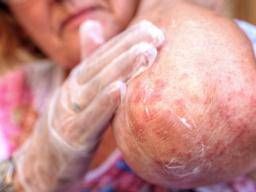
Type 2 diabetes and skin health are more connected than many people realize. Your skin is not just a wrapper with a decent lighting filter. It is a living, protective organ filled with nerves, blood vessels, immune cells, sweat glands, oil glands, and tiny warning lights that can signal what is happening inside the body.
When blood sugar stays high over time, the skin may become dry, itchy, slow to heal, or more vulnerable to infections. Some skin changes may even appear before a person knows they have type 2 diabetes. That does not mean every rash is a dramatic medical mystery, but it does mean your skin deserves attention, especially if you are managing diabetes, prediabetes, insulin resistance, or a family history of blood sugar problems.
This guide explains how type 2 diabetes affects the skin, which symptoms to watch for, how to care for your skin daily, and when to call a health care professional. Think of it as a practical skin-health roadmap with fewer scary detours and more “please moisturize after showering” energy.
What Is the Connection Between Type 2 Diabetes and Skin Health?
Type 2 diabetes is a chronic condition in which the body has trouble using insulin effectively. Insulin helps move glucose from the blood into cells for energy. When the body becomes resistant to insulin or cannot make enough of it, blood sugar can rise. Over time, high blood glucose may affect circulation, nerves, immune defenses, and the body’s ability to repair tissue.
The skin depends on all of those systems. Healthy blood flow delivers oxygen and nutrients. Nerves help you feel pain, pressure, heat, and injury. The immune system helps fight bacteria, fungi, and viruses. When diabetes interferes with these processes, the skin can become more fragile and less forgiving. A tiny crack on the heel may not stay tiny. A blister from tight shoes may become a bigger problem. A patch of darkened skin on the neck may be more than a cosmetic concern.
Why High Blood Sugar Can Dry Out the Skin
High blood sugar can contribute to dehydration because the body may pull fluid from tissues as it tries to remove excess glucose through urine. Less moisture in the skin can lead to dryness, itching, flaking, and cracks. Dry skin is not just uncomfortable; it can create small openings where germs can enter.
Why Diabetes Can Increase Infection Risk
People with diabetes may have a higher risk of bacterial and fungal skin infections, especially when blood sugar is not well managed. Glucose can support the growth of germs, while reduced circulation and immune changes may make it harder for the body to respond quickly. Common warning signs include redness, warmth, swelling, tenderness, pus, blisters, or a rash that spreads instead of calming down.
Why Nerve Damage Matters
Diabetic neuropathy, or nerve damage, often affects the feet and legs. It may cause numbness, tingling, burning, or reduced feeling. The danger is simple: if you cannot feel a cut, blister, or hot pavement, you may not notice damage until it becomes infected. This is why daily foot checks are not “extra.” They are basic maintenance, like charging your phone before a long trip.
Common Skin Problems Linked to Type 2 Diabetes
Not every person with type 2 diabetes develops skin problems, and not every skin problem means diabetes. Still, certain conditions are seen more often in people with diabetes or insulin resistance. Knowing the signs can help you respond early.
1. Dry, Itchy Skin
Dry skin is one of the most common skin concerns in people with diabetes. It may feel tight, rough, flaky, or itchy, especially after bathing or during dry weather. Scratching can create small tears, which may increase the risk of infection. The goal is to keep the skin barrier strong with gentle cleansing, regular moisturizing, and smart bathing habits.
2. Acanthosis Nigricans
Acanthosis nigricans appears as darker, thicker, velvety skin, often on the back of the neck, underarms, groin, elbows, or skin folds. It is commonly linked to insulin resistance and may be an early sign of prediabetes or type 2 diabetes. The skin may look “dirty,” but it is not caused by poor hygiene, so scrubbing aggressively is not helpful and may irritate the area.
3. Diabetic Dermopathy
Diabetic dermopathy often appears as light brown, round or oval patches on the shins. These spots may look like age spots or small scars. They are usually harmless and do not hurt, but they can be a clue that diabetes has affected small blood vessels. Moisturizer may improve texture, but the patches often fade slowly.
4. Bacterial Infections
Bacterial infections may include boils, styes, infected hair follicles, carbuncles, or infected cuts. Signs may include pain, redness, warmth, swelling, pus, or fever. A skin infection in someone with diabetes deserves prompt attention because infections can progress more quickly when blood sugar is high.
5. Fungal Infections
Fungal infections are common in warm, moist areas such as under the breasts, between the toes, around the groin, under the abdomen, or in skin folds. They may cause redness, itching, burning, scaling, or small satellite bumps around the main rash. Keeping skin folds clean and dry can help reduce risk, but persistent symptoms may need antifungal treatment.
6. Diabetic Blisters
Diabetic blisters, also called bullosis diabeticorum, are uncommon but can occur on the feet, legs, hands, or arms. They may appear suddenly and can look like burn blisters, often without much pain. Do not pop blisters. Cover them gently and contact a health care provider, especially if you notice redness, drainage, warmth, or swelling.
7. Necrobiosis Lipoidica
Necrobiosis lipoidica may begin as small raised bumps that turn into shiny, reddish-brown or yellowish patches, often on the lower legs. The skin may become thin and fragile, and in some cases, sores may develop. Because this condition can ulcerate, it should be evaluated by a dermatologist or diabetes care provider.
8. Digital Sclerosis
Digital sclerosis causes thick, tight, waxy skin, often on the fingers, hands, or toes. The fingers may become stiff, making movement harder. This condition is more likely when blood sugar has been high for a long time. Managing glucose levels and discussing stiffness with a clinician can help guide treatment and prevent loss of mobility.
9. Eruptive Xanthomatosis
Eruptive xanthomatosis may appear as firm, yellowish bumps surrounded by redness, often on the buttocks, arms, legs, or backs of the hands. It is associated with very high triglycerides and uncontrolled diabetes. These bumps may itch and should prompt medical evaluation because they can signal serious metabolic imbalance.
10. Skin Tags
Skin tags are small, soft growths often found on the neck, eyelids, armpits, or groin. They are usually harmless, but many skin tags can be associated with insulin resistance. Do not cut them off at home, unless you are auditioning for a bad idea competition. A clinician can remove bothersome skin tags safely.
Warning Signs You Should Not Ignore
Some skin changes can be handled with better daily care, but others need professional help. Contact a health care provider if you have a cut, sore, blister, or rash that does not improve; redness that spreads; skin that feels hot or swollen; pus or drainage; fever; black or blue skin changes; increasing pain; or any wound on the foot that is slow to heal.
Foot wounds deserve special attention. Because diabetes can reduce feeling in the feet, a small injury may go unnoticed. If poor circulation is also present, healing can slow down. Infections that begin in the foot can become serious quickly, so early care is not overreacting. It is smart prevention.
How to Care for Your Skin When You Have Type 2 Diabetes
Good skin care for diabetes is not about buying a bathroom shelf full of expensive products with names that sound like space missions. It is about consistency, gentle habits, and paying attention to changes.
Keep Blood Sugar in Your Target Range
Skin care starts with diabetes care. When blood sugar is better managed, the skin is less likely to become severely dry, infected, or slow to heal. Follow your care plan for nutrition, physical activity, medication, glucose monitoring, sleep, stress management, and regular checkups. Skin creams help, but they cannot replace glucose control.
Use Warm Water, Not Hot Water
Hot showers feel wonderful, especially when life has been rude, but hot water strips natural oils from the skin. Use warm water, keep showers reasonably short, and choose a mild, fragrance-free cleanser. Avoid harsh scrubbing, especially on dry or sensitive areas.
Moisturize Every Day
Apply a fragrance-free cream or ointment after bathing and whenever your skin feels dry. Creams and ointments usually protect dry skin better than thin lotions. Ingredients such as ceramides, glycerin, petrolatum, or dimethicone may help support the skin barrier. Avoid putting lotion between the toes, because extra moisture in that area can encourage fungal growth.
Keep Skin Folds Dry
Moisture trapped in skin folds can create a cozy vacation resort for yeast and bacteria. After bathing, dry areas such as the underarms, groin, under the breasts, under the abdomen, and between the toes. A clinician may suggest powder for certain areas, but avoid inhaling powder and do not use it on open wounds.
Check Your Feet Daily
Look at the tops, bottoms, heels, nails, and spaces between your toes every day. Use a mirror or phone camera if bending is difficult. Watch for cuts, cracks, redness, swelling, blisters, corns, calluses, ingrown nails, drainage, or color changes. Daily checks may feel boring, but boring is excellent when the alternative is a preventable wound.
Wear Shoes That Fit
Footwear matters. Shoes that rub, pinch, or create pressure points can lead to blisters and ulcers. Wear clean, dry socks and well-fitting shoes. Avoid going barefoot, even indoors, because stepping on a tiny object can cause an injury you may not feel right away.
Treat Cuts Quickly
For minor cuts, wash gently with mild soap and water, cover with a clean bandage, and monitor closely. Do not use harsh chemicals or home remedies on wounds without medical guidance. If the cut is on the foot, deep, dirty, painful, draining, or not healing, contact a health care provider.
Do Not Ignore Itching
Itching can come from dry skin, fungal infection, poor circulation, medication reactions, or other causes. Moisturizer may help simple dryness, but persistent itching, rash, scaling, or redness should be evaluated. The right treatment depends on the cause, and guessing with random creams can turn a small issue into a full skincare soap opera.
Diet, Hydration, and Lifestyle Habits That Support Skin Health
Skin health is influenced by what happens throughout the body. A diabetes-friendly lifestyle can support better circulation, immune function, wound healing, and inflammation control.
Choose Balanced Meals
A balanced eating pattern can help manage blood sugar and support skin repair. Focus on vegetables, lean proteins, high-fiber carbohydrates, healthy fats, and foods rich in vitamins and minerals. Protein is especially important for tissue repair. Fiber helps slow glucose spikes. Healthy fats from foods such as nuts, seeds, olive oil, and fatty fish can support overall health.
Stay Hydrated
Hydration supports skin comfort and general health. Water will not magically erase diabetes-related skin problems, but dehydration can make dry skin feel worse. Choose water most often and discuss fluid goals with your provider if you have kidney, heart, or other medical conditions.
Move Your Body
Regular physical activity can improve insulin sensitivity, circulation, mood, and energy. Walking, swimming, cycling, resistance training, chair exercises, or dancing in the kitchen all count if they are safe for you. Check your feet after activity, especially when trying new shoes or workouts.
Stop Smoking if You Smoke
Smoking harms circulation and can slow wound healing. For people with diabetes, that combination is especially risky for the feet and skin. Quitting is not easy, but support, medications, counseling, and a clear plan can make it more achievable.
Get Regular Checkups
Routine diabetes visits, foot exams, eye exams, dental care, and skin checks help catch problems early. A dermatologist can help diagnose unusual rashes or skin changes, while a podiatrist can help with foot care, calluses, nail problems, and ulcer prevention.
Practical Product Tips for Diabetes Skin Care
You do not need a luxury skincare routine. In fact, simple is often better. Look for fragrance-free cleansers, thick moisturizers, protective ointments for cracked heels, clean bandages, and properly fitting socks. Avoid strong exfoliants, harsh peels, and aggressive scrubbing unless a clinician recommends them.
Be careful with heating pads, hot water bottles, foot spas, and very hot baths. If neuropathy reduces sensation, you may burn your skin without realizing it. Test water temperature with your elbow or a thermometer, not just your feet.
If you use diabetes devices, such as continuous glucose monitors or insulin pump adhesives, watch for redness, itching, peeling, or allergic reactions under the adhesive. Rotate sites as recommended, keep skin clean before application, and talk with your care team about barrier films or alternative adhesives if irritation occurs.
Real-Life Experiences: What Type 2 Diabetes Skin Care Looks Like Day to Day
Experience often teaches what a checklist cannot. Many people with type 2 diabetes discover that skin care becomes easier once it is attached to routines they already have. For example, one common habit is the “toothbrush check.” After brushing teeth at night, a person sits on the edge of the bed and checks both feet. It takes less than a minute. At first, it may feel dramatic, like preparing for a medical inspection. After a few weeks, it becomes as normal as checking whether the front door is locked.
Another realistic experience involves dry winter skin. Someone may notice that their legs itch every evening, especially after a hot shower. The first instinct might be to scratch and blame the weather. A better plan is to switch to warm water, use a gentle cleanser, pat the skin dry, and apply a thick fragrance-free cream while the skin is still slightly damp. Within days, the itching may improve. The lesson is not glamorous, but it works: moisturize before your skin starts sending angry emails.
Footwear is another area where experience matters. A new pair of shoes may look great in the store, but after a long grocery trip, it creates a blister on the heel. A person without neuropathy may feel it immediately. A person with reduced sensation may only notice it during a foot check later. That tiny blister is the moment to act: clean it, protect it, avoid pressure, and monitor it. If it worsens or does not improve, call a provider. The win is catching it early, before it becomes a bigger problem.
Some people also experience embarrassment about acanthosis nigricans. Dark, velvety patches on the neck or underarms can be mistaken for poor hygiene, which is frustrating and unfair. Scrubbing harder does not fix insulin resistance. In fact, it may irritate the skin. A more helpful experience is learning that the skin change may be a metabolic clue. Discussing it with a clinician can lead to blood sugar testing, nutrition support, weight-management options, and a clearer plan.
There is also the experience of learning when not to self-treat. A red, itchy rash in a skin fold may seem like simple irritation, but if it spreads, burns, or keeps returning, it may be fungal. Random steroid creams can sometimes make fungal rashes worse. Getting the right diagnosis saves time, money, and several rounds of bathroom-mirror detective work.
The most useful lesson from everyday diabetes skin care is this: small habits prevent large problems. Daily moisturizing, daily foot checks, clean socks, comfortable shoes, steady glucose management, and early medical attention may not sound exciting. They sound like chores. But they are powerful chores. They help protect mobility, comfort, confidence, and independence. And honestly, skin that is calm, comfortable, and not plotting rebellion is a beautiful thing.
Conclusion: Healthy Skin Is Part of Diabetes Care
Type 2 diabetes and skin health are closely connected. High blood sugar can dry the skin, slow healing, increase infection risk, affect circulation, and reduce sensation in the feet. Skin changes such as acanthosis nigricans, diabetic dermopathy, fungal infections, bacterial infections, blisters, and slow-healing wounds may offer important clues about what is happening inside the body.
The good news is that many skin problems can be prevented or managed with practical daily habits. Keep blood sugar in your target range, moisturize regularly, use gentle cleansers, avoid hot water, dry skin folds carefully, check your feet every day, wear shoes that fit, and contact a health care provider when something does not look or feel right.
Your skin is not being dramatic. It is communicating. Listen early, care consistently, and treat changes with respect. That is not vanity; it is smart diabetes management.
SEO Tags
Note: This article is for educational publishing purposes only and should not replace medical advice, diagnosis, or treatment from a qualified health care professional.












